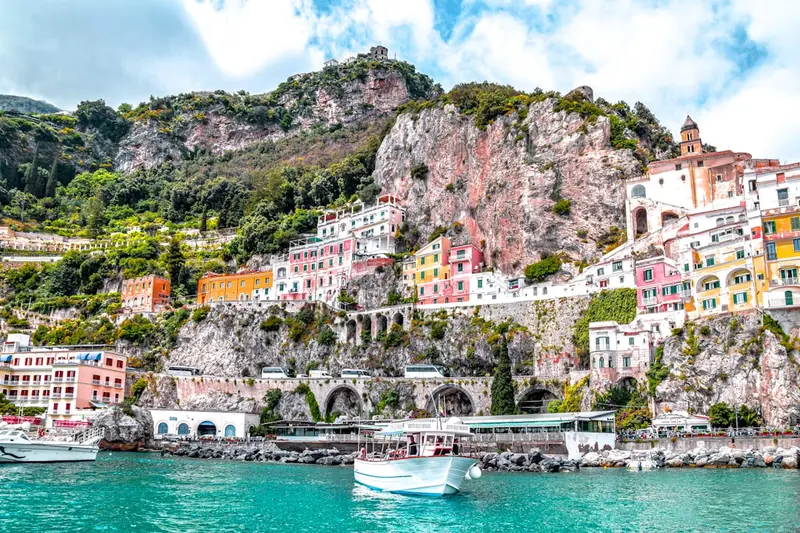
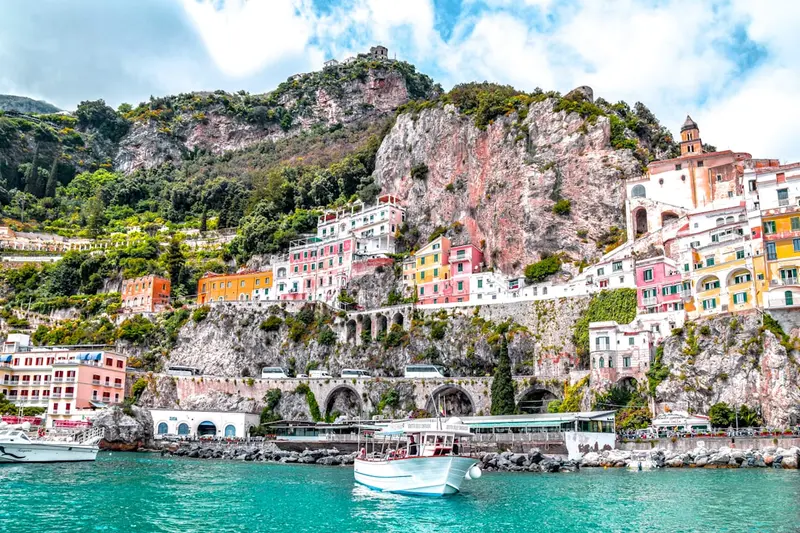
The route starts in Naples, takes you to the excavations of Pompeii and via Sorrento to the Amalfi Coast, to Positano and Ravello. On the SS163 coastal road a car is more of a burden than a help in summer. Ferries from Sorrento and the public buses connect the towns more reliably.
10 Days / 9 Nights
April–June & September–October
5 stops
Why This Route?
For travelers wanting to easily combine coastal landscapes, ancient sites, and Campanian cuisine.
Hidden Gems
Terrazza dell'Infinito in Villa Cimbrone in Ravello, nearly empty in the early morning
Sentiero dei Limoni between Maiori and Minori below Ravello, an ancient path through lemon groves
Bagni della Regina Giovanna near Sorrento, a rock pool beneath Roman ruins
Itinerary
Stop 1 • 2 Nights
Neapel
City
Rich in culture and history. Culinary highlights and Perfect for an exciting city trip.
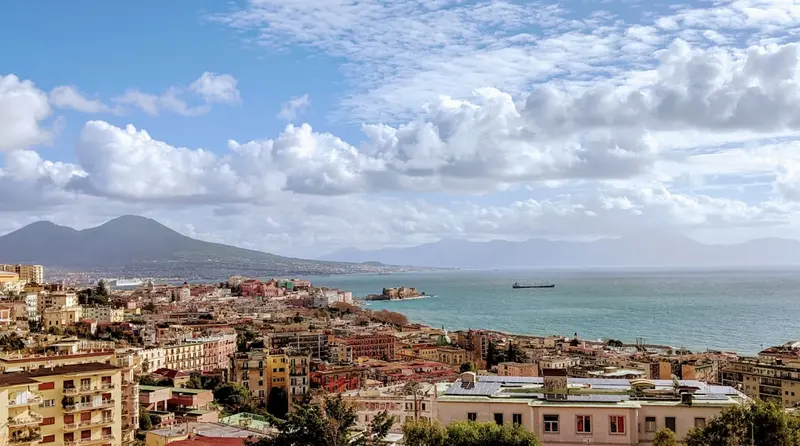
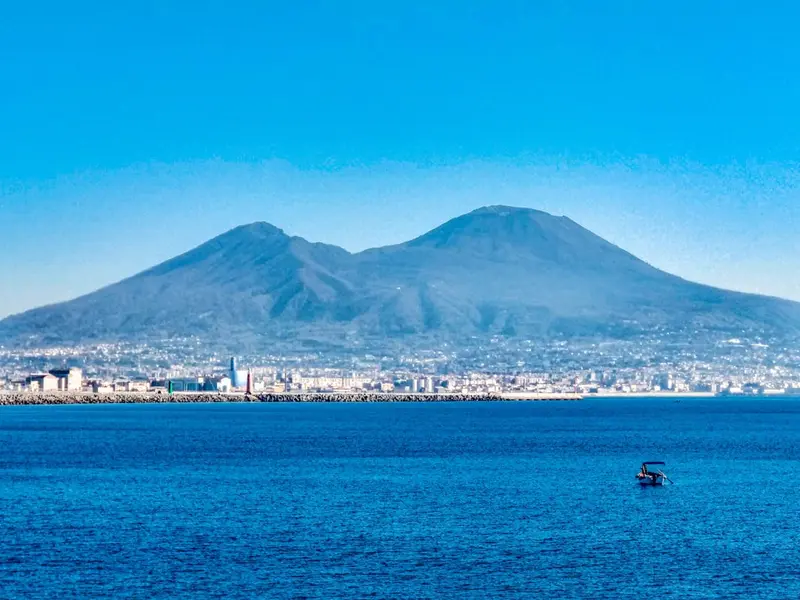
Naples is the capital of Campania and, with over 900,000 inhabitants, the third-largest city in Italy. It is located on the Bay of Naples between Mount Vesuvius to the east and the Phlegraean Fields to the west.Its historic centre has been a UNESCO World Heritage site since 1995. Its street network remains almost unchanged from its Greek foundation, with churches, monasteries, and palaces from almost all eras built upon it. Naples is considered the birthplace of pizza.
7 Sights
5 Restaurants
History and Culture
Greek settlers first founded the settlement of Parthenope in the 8th century BC, and in the 6th century BC, further inland, Neapolis, the 'new city'. After a period as a Byzantine Duchy, Naples came under Norman rule in the 12th century. From 1282, it was the capital of the Kingdom of Naples, later of the Kingdom of the Two Sicilies, until the unification of Italy in 1861.Opened in 1737, the Teatro San Carlo is considered the oldest continuously operating opera house in the world.Among its vibrant traditions are the art of nativity scenes, with workshops lining Via San Gregorio Armeno, the veneration of the city's patron saint San Gennaro, and the art of the Neapolitan pizza maker, which UNESCO recognized as intangible cultural heritage in 2017.
Route highlight. Rich in culture and history and Great for exploring on foot.
Pompeii was a Roman town at the foot of Mount Vesuvius, which disappeared under four to six meters of pumice and ash during the eruption in 79 AD. It has been excavated since 1748, revealing streets, houses, workshops, temples, theaters, and baths.The archaeological site, a UNESCO World Heritage site since 1997, lies on the outskirts of the modern town of Pompei, southeast of Naples, about 35 to 40 minutes away via the Circumvesuviana.
5 Sights
3 Restaurants
The Story
From the 8th century BC, settlements of the Osci lay in the area of Pompeii; later, Greek influences arrived, and the Samnites ruled the city. After Sulla's siege in 89 BC, Pompeii became a Roman colony. An earthquake severely damaged the city in 62 AD, and many buildings were still being rebuilt when Vesuvius erupted in 79 AD. Estimates for the population at that time range from 10,000 to 20,000.Excavations began in 1748 under Roque Joaquín de Alcubierre, and in 1763, the city was definitively identified as Pompeii. Giuseppe Fiorelli, director of excavations from 1863, developed the method of casting plaster into the cavities left by victims' bodies in the ash. Excavations continue to this day, in recent years, notably in Regio V.Wall paintings, mosaics, and inscriptions make Pompeii one of the most important sources for daily life in Roman antiquity. Many originals are housed in the National Archaeological Museum in Naples.
Stunning nature and outdoors. Romantic atmosphere for couples and Great for exploring on foot.
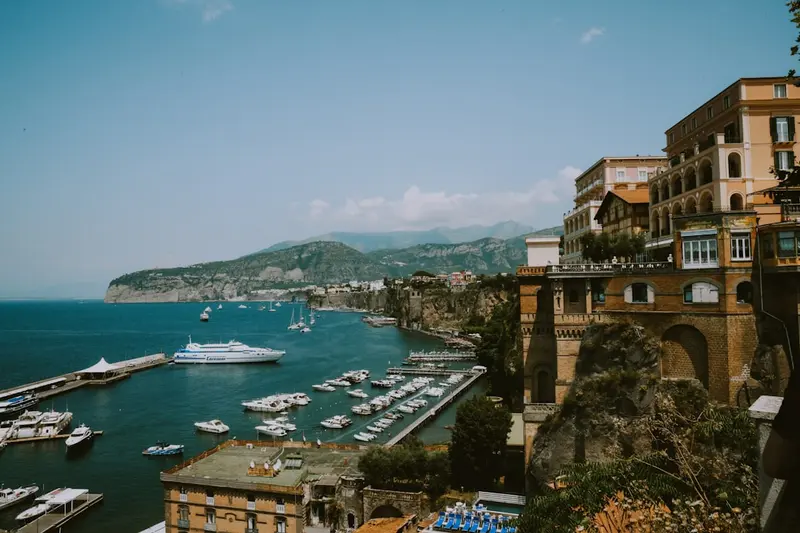
Sorrent is situated on a high tuff terrace, descending steeply towards the Gulf of Naples, overlooking Mount Vesuvius. This town of about 15,000 residents is the main hub of its namesake peninsula; travelers have been drawn here since the era of the Grand Tour.The Old Town's street network still adheres to the ancient city's grid layout. Citrus groves flourish all around. From Marina Piccola port, ships sail to Capri, Naples, and the Amalfi Coast.
5 Sights
3 Restaurants
History and Culture
Sorrento was known as Surrentum in Roman times; the grid of the old town's alleys dates back to this period. In 1544, the poet Torquato Tasso was born here, and in 1558, Ottoman naval forces plundered the city.In the 18th and 19th centuries, many travelers visited Sorrento, including Goethe, Henrik Ibsen, Richard Wagner, and Friedrich Nietzsche. The song "Torna a Surriento", composed in 1894, carried the city's name to the world.A local craft tradition is the art of intarsia, where wooden inlays for furniture and caskets are produced. Examples can be seen in the Museo Correale.
Romantic atmosphere for couples. Dreamy beaches and Stunning nature and outdoors.
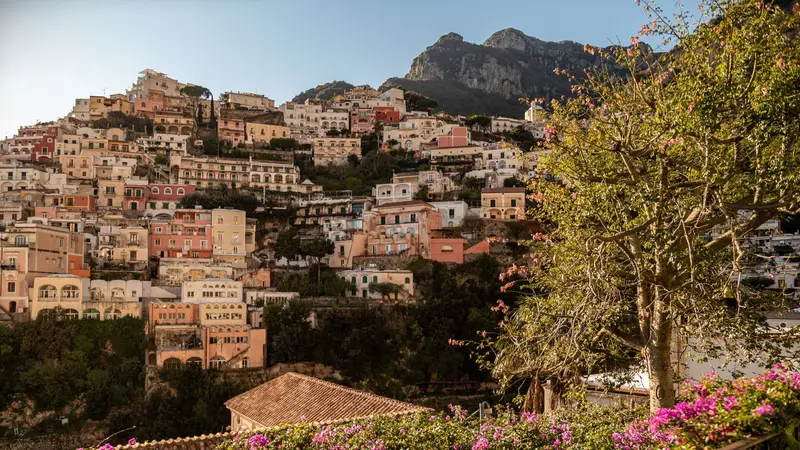
Positano lies on the western Amalfi Coast, its houses climbing from the sea far up the hillside. The colorful facades, Santa Maria Assunta's majolica dome, and the main beach below define the town's image.The town has about 3,700 residents. Most routes within the town are stairs and steep alleys.
5 Sights
5 Restaurants
History and Culture
Beneath the parish church, remains of a Roman villa were unearthed, destroyed during the Vesuvius eruption in 79 AD. In the Middle Ages, Positano was a port of the Maritime Republic of Amalfi. In the 19th century, the town became impoverished; after the unification of Italy, many residents emigrated, especially to America.From the 1950s, tourism grew; John Steinbeck's 1953 essay „Positano Bites Deep“ made the town internationally known.
Perfect for relaxation. Romantic atmosphere for couples and Stunning nature and outdoors.
Ravello is situated on a rocky plateau about 350 meters above the Amalfi Coast, above Atrani. This small town of around 2,300 residents is known for its villas, gardens, and panoramic terraces.In the Middle Ages, Ravello belonged to the Duchy of Amalfi; merchant families like the Rufolo built their palaces here. Today, Villa Rufolo, Villa Cimbrone, and the summer Ravello Festival define the town.
5 Sights
2 Restaurants
History and Culture
Ravello was founded in the 5th century as a refuge from invasions and belonged to the Duchy of Amalfi from 839. In 1086, the town became an episcopal see. Merchant families like the Rufolo built palaces; Villa Rufolo still exhibits Moorish forms today. In 1137, Ravello was devastated by Pisa and subsequently lost its importance.In the 19th century, the Scotsman Francis Neville Reid had Villa Rufolo restored. In 1880, Richard Wagner visited the villa; its garden is considered the model for Klingsor's Magic Garden in his Parsifal. Later, American writer Gore Vidal, among others, lived here.Since 1953, the Ravello Festival has taken place, which began dedicated to Wagner and today encompasses music, dance, and art.