Ingo Wölbern / Wikimedia Commons / public domain
Round trip · Cape Verde
Island hopping: Sal, Santiago, Fogo, São Vicente and Santo Antão
by Felix Gillen
- 15 Days / 14 Nights
- Sal → Sal
The tour combines beach days on Sal with the capital island Santiago, the volcano on Fogo, the cultural city Mindelo and the hiking valleys of Santo Antão. Between the islands, travel is by domestic flights with Cabo Verde Airlines (approx. 30 to 50 minutes), the ferry from Praia to Fogo (three to four hours) and the ferry from Mindelo to Porto Novo (approx. one hour).
At a glance
- Duration
- 15 Days / 14 Nights
- Stops
- 6 · Sal → Sal
- Arrival
- Flight · Sal, Amílcar Cabral (SID)
- Best Time to Go
- November until June
6 stops
Why This Route?
It shows Cape Verde's full range: sandy beaches, salt pans, UNESCO site Cidade Velha, an active volcano, Mindelo's music and Carnival, and the archipelago's greenest hiking trails.
Hidden Gems
- Sunday lunch in the fishing village of Calhau on São Vicente
- wine from the Farmers' Association in Chã das Caldeiras
- stop at O Curral on the descent into Paul Valley
Getting there and back
Round trip, returning to where you started
- Arrival
- Flight · Sal, Amílcar Cabral (SID)Most direct flights from Europe land on Sal. Finally, allow 24 to 48 hours buffer on your departure island, as domestic flights and ferries can be cancelled or delayed.
- Departure
- Flight · Sal, Amílcar Cabral (SID)
Itinerary
Sal
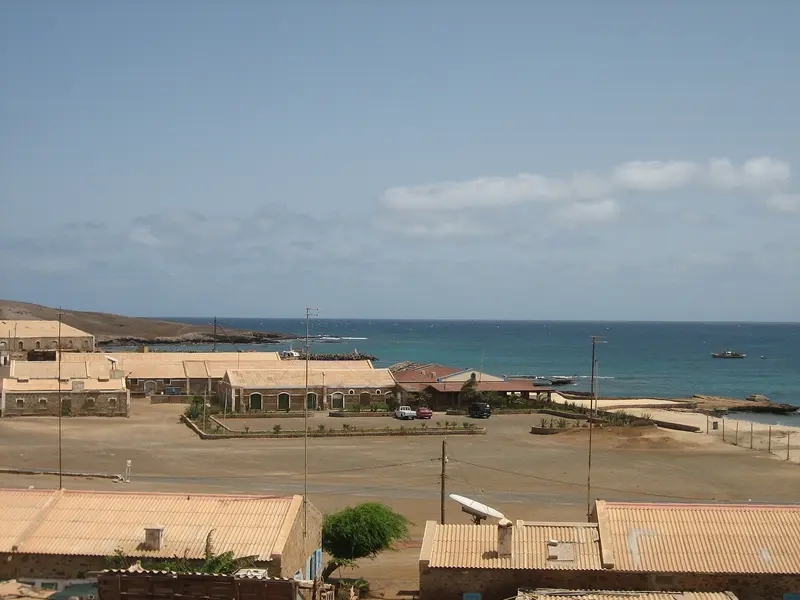
The flat, dry island in the east of the archipelago is the most important holiday destination in Cape Verde. It is named after the salt that was extracted here for centuries, for example, in the volcanic crater of Pedra de Lume. Today, it's primarily the long sandy beach of Santa Maria in the south and the constant wind that attract beachgoers and watersports enthusiasts; at the airport near Espargos where most international flights to the country land.
Arrival, Santa Maria Beach, Salt Pans of Pedra de Lume
2 Sights
Salt and Sea Turtles
Salt IslandSalt mining shaped Sal for over two centuries: From 1796, salt was extracted from the crater of Pedra de Lume, and in 1830 Santa Maria was established as a salt settlement. Both salt pans ceased production in 1984 and are now protected.Sea TurtlesCape Verde is the world's largest nesting site for loggerhead sea turtles, and Sal hosts the country's second-largest colony after Boa Vista. Females lay their eggs from late June to October, with a peak in August; hatchlings emerge from late August to early December.At night, you may only enter designated nesting sites during the season with a certified guide.No lights, no flash, do not touch animals or nests.
Stop 2 • 3 Nights
Praia (Santiago)
Praia is the capital of Cape Verde; its municipality, with about 141,000 inhabitants in the 2021 census, is the country's largest. The historic center, the Plateau, sits on a table mountain, its streets grid-patterned in the 19th century.The Plateau features Alexandre Albuquerque Square, the Old Town Hall, and the late 19th-century Presidential Palace; its historic center has been on UNESCO's Tentative List since 2016. Below are the large Sucupira Market and several city beaches. The World Heritage site Cidade Velha lies west of the city, along the coast.
Domestic flight from Sal; Day trips to Cidade Velha and Tarrafal
3 Sights
Culture in Praia
Creole CapitalPraia officially became a city and capital in 1858. Colonial buildings on the Plateau recall this era; markets and live music capture today's daily life.MusicLocals on the Plateau host evenings featuring Morna and Funaná. The city-organised Gamboa Music Festival takes place in late June (2026 from June 26 to 28).MuseumsThe Ethnographic Museum, founded in 1997, is located a few blocks from the Plateau.
Fogo
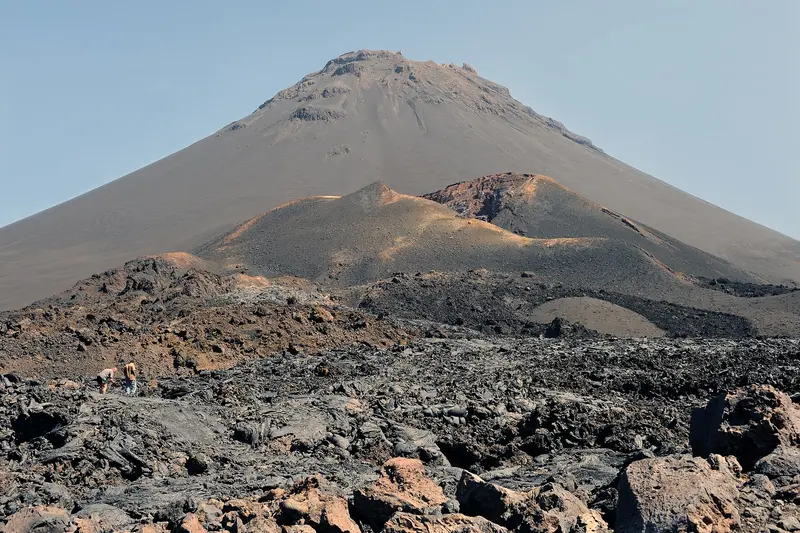
Fogo is the volcanic island of Cape Verde. Pico do Fogo, at around 2,829 meters, is the highest mountain in the country and remains active; it last erupted from late 2014 to early 2015.Within the caldera, at about 1,700 meters, lies the village of Chã das Caldeiras. The 2014 lava buried most of the houses, yet many residents returned and are cultivating wine again on the fertile volcanic soil.The main town, São Filipe, is situated on cliffs above the sea and is known for its colonial mansions, the Sobrados. Its historic center is on the UNESCO Tentative List.
Ferry (3-4 hrs, no Sundays) or flight (approx. 30 min.) from Praia; minimum 1 night in Chã das Caldeiras for the summit.
3 Sights
Culture and Daily Life on Fogo
Wine from the CalderaIn Chã das Caldeiras, a farmers' association produces white, red, and rosé wines under the name "Chã"; many households also make Manecom, a traditional homemade wine.Sobrados of São FilipeAround the parish church stand approximately 50 representative mansions; a large part of the houses in the center dates from the 19th century. The Casa da Memória, housed in a merchant's house from the 1820s, showcases the island's everyday history.Living with the VolcanoDuring the 2014 eruption, the entire village was evacuated. Many families returned because the mineral-rich soil supports agriculture and viticulture.
Mindelo (São Vicente)
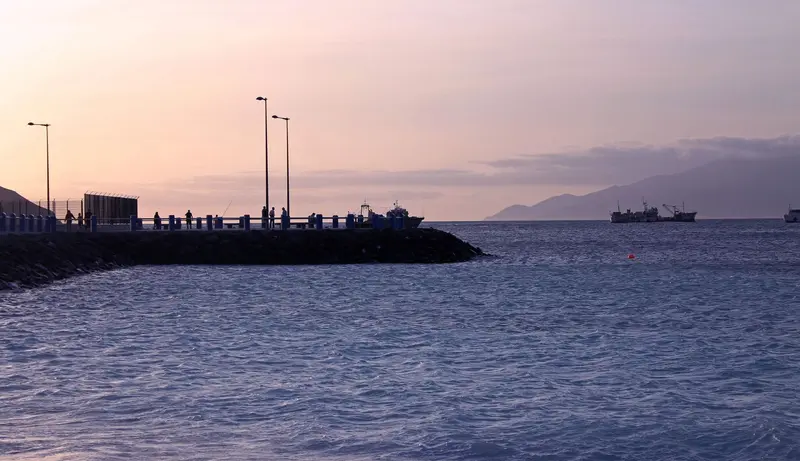
The second largest city of Cape Verde is located on the natural bay Porto Grande on São Vicente and is considered the cultural capital of the country. At the harbor stands a replica of Lisbon's Torre de Belém, and in the old town, the 1878 market hall. Mindelo's Carnival is known for its colorful parades. The city is home to singer Cesária Évora and the departure point for the ferry to Santo Antão.
Flight over Praia, a direct service from Fogo is unconfirmed.
3 Sights
2 Restaurants
Cultural Capital
Music and CarnivalMindelo is considered the cultural capital of Cape Verde. The city is home to singer Cesária Évora (1941-2011), after whom the airport is also named; the Morna, the genre for which she became famous, has been on UNESCO's Intangible Cultural Heritage list since 2019. The Carnival, with its Portuguese roots and Brazilian influence, is known for its colorful parades.HandicraftsThe National Center for Art and Craft (CNAD) showcases contemporary Cape Verdean design and handicrafts.
Santo Antão
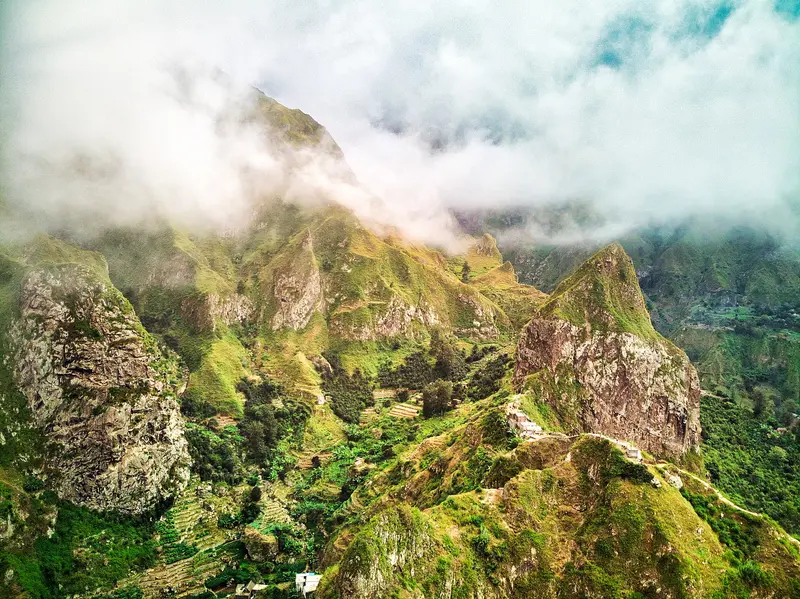
Santo Antão is the hiking destination of Cape Verde: Across 785 km², green valleys, crater landscapes, and steep coasts rise up to 1,979 m at Tope de Coroa. Hiking trails lead from Cova crater into Paul Valley or along the north coast from Ponta do Sol to Cruzinha. There is no airport; the ferry from Mindelo docks in Porto Novo.
Ferry Mindelo to Porto Novo, about one hour; Cova and Paul-Tal, coastal path from Ponta do Sol
4 Sights
3 Restaurants
Life in the Valleys
Colonial Town CentersRibeira Grande, also known as Povoação, became the island's administrative seat in 1732; the parish church Nossa Senhora do Rosário dominates the town. In nearby Ponta do Sol, the northernmost settlement of Cape Verde, stands the Church of Nossa Senhora do Livramento, dating from 1894.Grogue and AgricultureIn the Paul Valley, farmers distill Grogue, the Cape Verdean sugarcane brandy. The valley is part of the Cova-Paul-Ribeira da Torre Natural Park, which is on UNESCO's Tentative List.FestivalsThe Feast of Saint John (São João) in June in Porto Novo features horse races, a procession, and the Kola Sonjon dance.
Sal
The flat, dry island in the east of the archipelago is the most important holiday destination in Cape Verde. It is named after the salt that was extracted here for centuries, for example, in the volcanic crater of Pedra de Lume. Today, it's primarily the long sandy beach of Santa Maria in the south and the constant wind that attract beachgoers and watersports enthusiasts; at the airport near Espargos where most international flights to the country land.
Ferry back to Mindelo and domestic flight to Sal, buffer before home flight
2 Sights
Salt and Sea Turtles
Salt IslandSalt mining shaped Sal for over two centuries: From 1796, salt was extracted from the crater of Pedra de Lume, and in 1830 Santa Maria was established as a salt settlement. Both salt pans ceased production in 1984 and are now protected.Sea TurtlesCape Verde is the world's largest nesting site for loggerhead sea turtles, and Sal hosts the country's second-largest colony after Boa Vista. Females lay their eggs from late June to October, with a peak in August; hatchlings emerge from late August to early December.At night, you may only enter designated nesting sites during the season with a certified guide.No lights, no flash, do not touch animals or nests.
Plan this route as your trip
All stops, trains and nights go into your trip planner. You adjust dates and places to stay afterwards.
This route is a suggestion from our research. Please check timetables, times in port, opening hours and prices before you book – what your tour operator or carrier says is what counts.
Fernweh is a free travel guide and trip planner: routes researched by people, taken over in one click, used day by day on the road. More about Fernweh
6 stops
Route Summary
Duration15 Days
Stops6 Places
TypeMixed