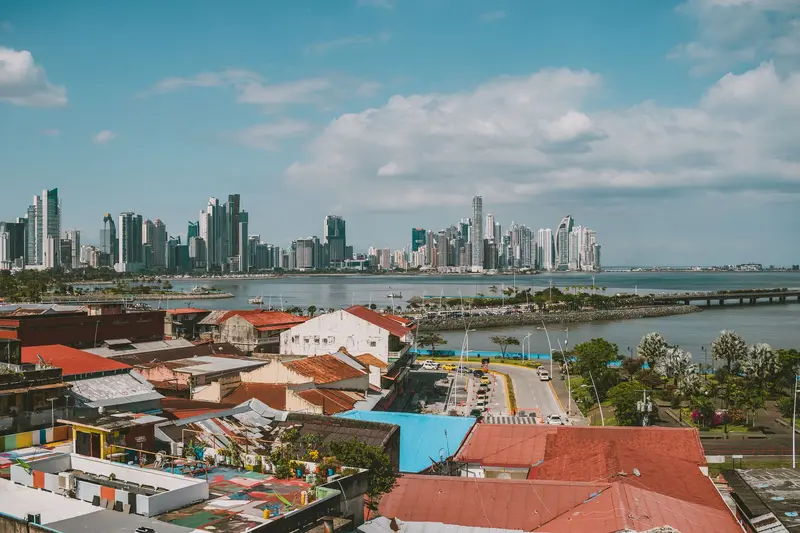
Photo by Eliécer Gómez on Pexels
Round trip · Panama
Panama in 15 Days: Canal, Guna Yala, Highlands and Caribbean
by Felix Gillen
- 15 Days / 14 Nights
- Panama City → Bocas del Toro
This round trip links the capital and the canal with the Guna Islands, the crater village El Valle, the cool highlands around Boquete, and the Caribbean islands of Bocas del Toro. Most journeys are by coach or 4x4, finally flying from Bocas del Toro back to Panama City.
At a glance
- Duration
- 15 Days / 14 Nights
- Stops
- 6 · Panama City → Bocas del Toro
- Arrival
- Flight · Panama-Stadt Tocumen (PTY)
- Best Time to Go
- Mid-December until April
6 stops
Why This Route?
It highlights on manageable routes the country's great contrasts: colonial city and canal, indigenous island communities in the Caribbean, volcanic highlands with cloud forest, and the beaches of Bocas del Toro.
Hidden Gems
- Early morning to Cerro Ancón, when the birds of prey are active
- Small dollar bills for the island fees in Guna Yala
- Hike Sendero Los Quetzales from Cerro Punta, because it’s mostly downhill
Getting there and back
Round trip, returning to where you started
- Arrival
- Flight · Panama-Stadt Tocumen (PTY)From Tocumen Airport: registered taxi or rideshare to the city, or metro branch line to Corredor Sur, then transfer to Line 2.
- Departure
- Flight · Panama-Stadt Tocumen (PTY)Return flight from Bocas del Toro to Albrook Airport takes approx. 50-60 minutes. Plan enough buffer for the transfer from Albrook to Tocumen Airport.
Itinerary
Panama City
Panama City is Panama's capital, situated at the Pacific entrance of the Panama Canal. Within a small area, you'll discover the colonial Old Town Casco Viejo, the ruins of the original city, a museum by Frank Gehry, and the Miraflores Locks.The city was founded on August 15, 1519, by Pedro Arias Dávila. After its destruction by Henry Morgan in 1671, it was rebuilt a few kilometers further west, from which today's Casco Viejo emerged. UNESCO inscribed it as a World Heritage Site in 1997 and expanded it in 2003 to include the ruins of Panamá Viejo.West of the Old Town begins the former Canal Zone around Balboa. From there, the Calzada de Amador with the Biomuseo extends into the bay. The Federal Foreign Office provides information on crime in individual districts.
Casco Viejo, Panamá Viejo, Biomuseo and Calzada de Amador; Miraflores Locks and Soberanía National Park (approx. 30 to 45 minutes from the city); day trip to Portobelo, approx. 1.5 hours by car or 2.5 to 3 hours by bus via Colón.
4 Sights
3 Restaurants
City History and Canal Heritage
Two FoundationsPanama City was founded twice. The city founded in 1519 burned down in 1671 after Henry Morgan's raid; its ruins can today be visited as Panamá Viejo. Afterwards, the city was refounded at the site of today's Casco Viejo.The Canal ZoneBalboa was part of the former Canal Zone, administered by the USA. The Calzada de Amador was built in the early 1900s from the Culebra Cut's excavation, serving as a breakwater at the Pacific canal entrance.Biodiversity as a ThemeThe Biomuseo on Calzada de Amador is Frank Gehry's only Latin American building. It shows how Panama's land bridge shaped nature of both Americas.
Guna Yala (San Blas)
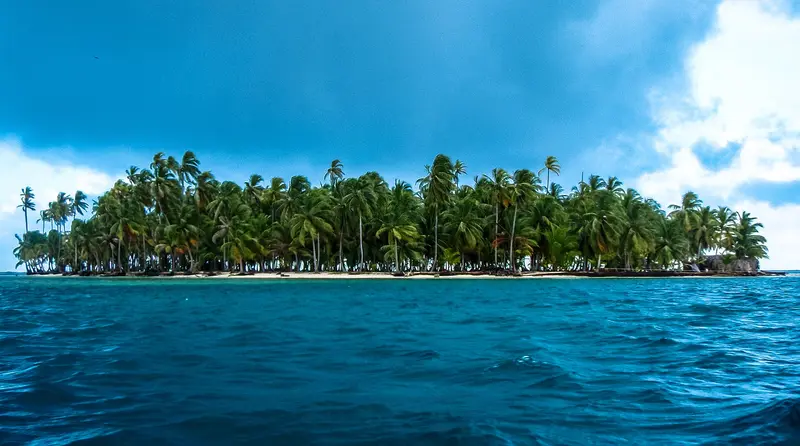
Guna Yala is a self-governed territory of the Guna people on the Caribbean coast east of Panama City, with an archipelago of several hundred flat coral islands, only a small number of which are inhabited. You come for the palm-fringed islands, the clear water and an indigenous culture that sets its own rules for its territory.After the Tule Revolution of 1925, the area was recognised as the Guna's own territory. Non-Guna may not live here, so tourist lodgings and boat trips are run by the communities. Indigenous law applies in the comarca.The region is also a focus of climate change: in 2024 the community of the flood-threatened island of Gardi Sugdub, around 300 families, moved to the new settlement of Isber Yala on the mainland. Check the current situation and the FCDO Travel Advice for Panama before you go.
By SUV via El Llano to Cartí, approx. 3 to 3.5 hours, then by boat to the islands. Comarca fee at the checkpoint, bring cash.
3 Sights
Culture and Self-governance of the Guna
Congreso General and SailasEvery community has a meeting house and elects a Saila (also Sahila). The highest political authority of the Comarca is the Congreso General Guna. To visit inhabited islands, you need the community's permission, and in strong winds and rough seas, the Congreso General may suspend boat traffic and tourism.MolasMolas are fabric panels made with reverse appliqué technique, which Guna women wear on their blouses. You buy them directly from the women on the islands, usually only with cash.Behavior on the IslandsOn inhabited islands, cover your shoulders and legs. On some islands, photography is prohibited; ask for permission before every photo of people, as a small fee may sometimes be requested.
Panama City
Panama City is Panama's capital, situated at the Pacific entrance of the Panama Canal. Within a small area, you'll discover the colonial Old Town Casco Viejo, the ruins of the original city, a museum by Frank Gehry, and the Miraflores Locks.The city was founded on August 15, 1519, by Pedro Arias Dávila. After its destruction by Henry Morgan in 1671, it was rebuilt a few kilometers further west, from which today's Casco Viejo emerged. UNESCO inscribed it as a World Heritage Site in 1997 and expanded it in 2003 to include the ruins of Panamá Viejo.West of the Old Town begins the former Canal Zone around Balboa. From there, the Calzada de Amador with the Biomuseo extends into the bay. The Federal Foreign Office provides information on crime in individual districts.
Return journey from Guna Yala, overnight stay.
4 Sights
3 Restaurants
City History and Canal Heritage
Two FoundationsPanama City was founded twice. The city founded in 1519 burned down in 1671 after Henry Morgan's raid; its ruins can today be visited as Panamá Viejo. Afterwards, the city was refounded at the site of today's Casco Viejo.The Canal ZoneBalboa was part of the former Canal Zone, administered by the USA. The Calzada de Amador was built in the early 1900s from the Culebra Cut's excavation, serving as a breakwater at the Pacific canal entrance.Biodiversity as a ThemeThe Biomuseo on Calzada de Amador is Frank Gehry's only Latin American building. It shows how Panama's land bridge shaped nature of both Americas.
El Valle de Antón
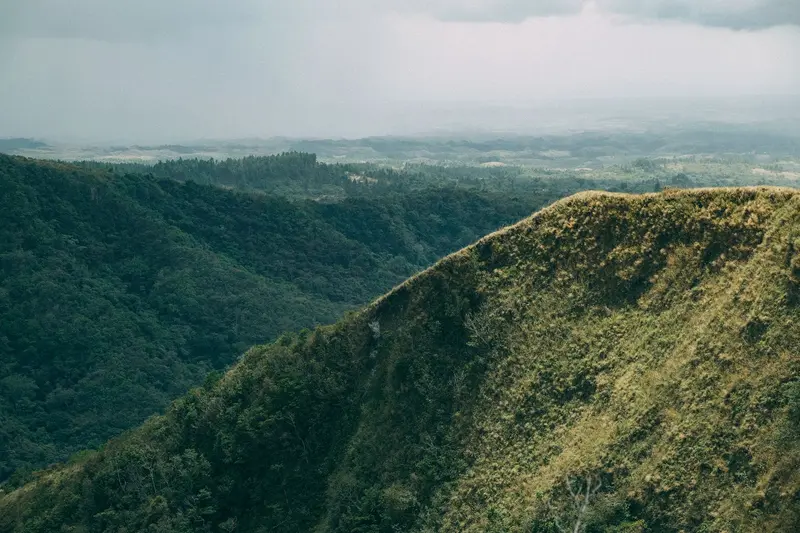
El Valle de Antón is a mountain village in the Coclé province, nestled in the crater of an extinct volcano, about two hours west of Panama City. Visitors are drawn by the hiking trails to India Dormida, the waterfalls, ancient rock carvings, and the mild climate.The iconic La India Dormida mountain ridge is a major landmark. Along its ascent lies La Piedra Pintada, the valley's most renowned rock featuring pre-Columbian petroglyphs. In the village center, you'll find a market selling handicrafts, fruits, and vegetables.El Níspero Zoo hosts an amphibian conservation center. The EVACC foundation is dedicated to protecting the endangered Panamanian golden frog, a species endemic to Panama. For information on the regional situation, consult the Federal Foreign Office.
Bus from Albrook Terminal in a good two hours. Hike to India Dormida and Piedra Pintada, Chorro El Macho, market.
4 Sights
Volcano Crater and Golden Frog
Rock PaintingsThe petroglyphs of Piedra Pintada are interpreted as maps, religious symbols, or harvest calendars, but their meaning remains unclear. According to a legend, a warrior guards a treasure beneath the stones.The Golden FrogEvery year on August 14th, Panama celebrates Golden Frog Day (Día de la Rana Dorada). A Golden Frog Festival takes place in El Valle, with the amphibian foundation EVACC involved in its organization.Names and NatureChorro El Macho waterfall is named after the tapirs, the "machos de monte", which are said to have lived there in the past.
Boquete
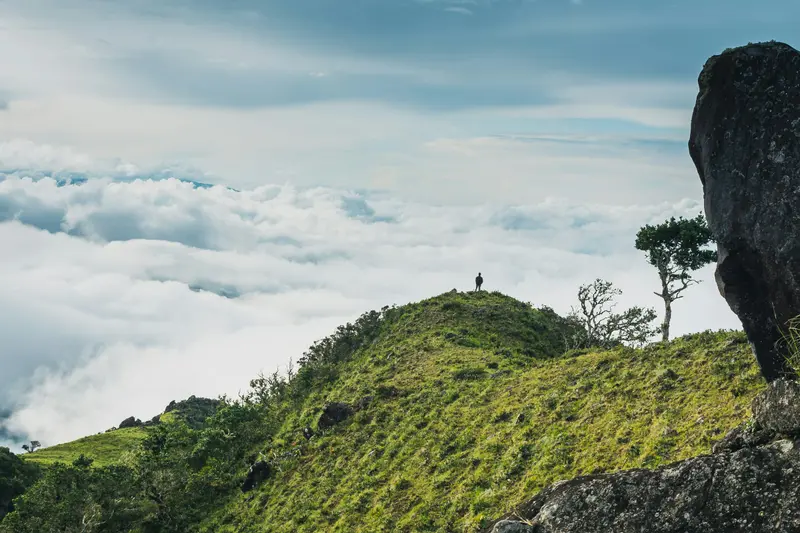
Boquete is located in a green valley on the slopes of Volcán Barú in the Chiriquí Highlands, approximately 40 km north of David. You come for the cool mountain climate, the hiking trails in the cloud forest, and the coffee, including the Geisha variety.The town stretches along the Río Caldera. Bajo Boquete with the main square is the center; north of it, around Los Naranjos, are the coffee areas and the access to Volcán Barú National Park.Every year in January, the Feria de las Flores y del Café takes place here, with its 53rd edition in 2026 from January 7 to 18.
Long travel day: back to Albrook, long-distance bus to David (approx. 6.5-7 hours), then bus to Boquete (about an hour). Coffee, cloud forest, climb Volcán Barú.
1 Sight
1 Restaurant
Coffee, Flowers and Fog
CoffeeCoffee cultivation is still the most important economic sector in the district. Boquete is especially known for high-altitude Geisha coffee; at the 2025 Best of Panama auction, a Geisha from Boquete fetched a record price. Many fincas offer tours.Feria de las Flores y del CaféThis January fair showcases flower displays, national coffee, agriculture, and concerts. In 2026, it ran from January 7th to 18th. Plan your accommodation and travel early during this period.BajarequeTrade winds drive clouds over the mountains, bringing a fine misty drizzle known locally as Bajareque. From December to March, the valleys can be cool and windy, with light rain.
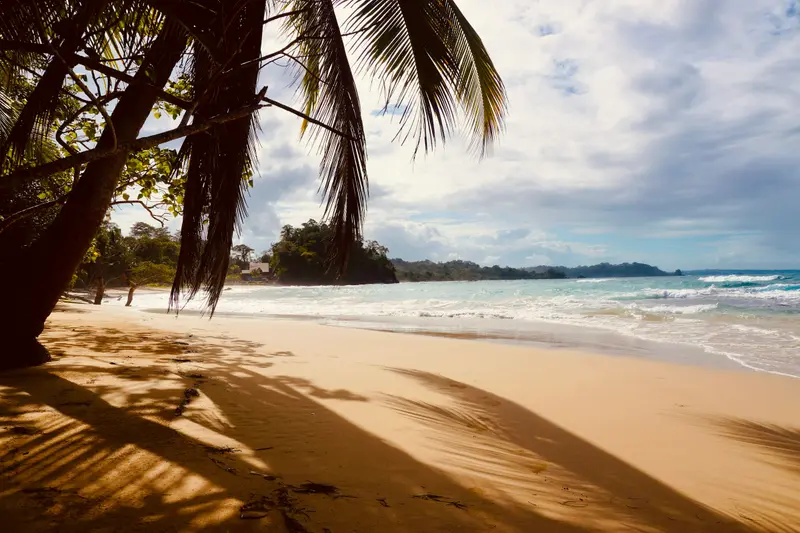
Bocas del Toro
Bocas del Toro is an archipelago of forested islands and many small cays on the Caribbean coast of north-western Panama, near the Costa Rican border. You come for the beaches, the coral reefs of Isla Bastimentos National Marine Park and the laid-back island villages linked by water taxis.The three main islands are Isla Colón with the main town, Bocas Town, Isla Carenero just opposite, and Isla Bastimentos with the Afro-Caribbean village of Old Bank. Much of Bastimentos and the Cayos Zapatilla belong to the Parque Nacional Marino Isla Bastimentos, established in 1988.On Playa Larga on Bastimentos, sea turtles nest roughly from April to September. On the mainland are the port of Almirante and the border crossing to Costa Rica at Guabito. For crime in Bocas del Toro, see the FCDO Travel Advice for Panama.
By car about 3.5 hours to Almirante, then water taxi in about half an hour to Bocas Town. Island tour, Bastimentos, Cayos Zapatilla.
4 Sights
Island Life between Caribbean and Sanctuary
Old Bank on BastimentosOld Bank is the Afro-Caribbean community on Isla Bastimentos and the starting point for the footpath to Wizard Beach.Indigenous Communities on the MainlandThe Naso people live on the mainland. Their territory, Naso Tjër Di, borders the International Park La Amistad.Bastimentos Marine National ParkThe park protects forests, mangroves, and reefs. Among the animals living there are sloths, caimans, the strawberry poison frog, and several species of sea turtles that nest on Playa Larga.
Plan this route as your trip
All stops, trains and nights go into your trip planner. You adjust dates and places to stay afterwards.
This route is a suggestion from our research. Please check timetables, times in port, opening hours and prices before you book – what your tour operator or carrier says is what counts.
Fernweh is a free travel guide and trip planner: routes researched by people, taken over in one click, used day by day on the road. More about Fernweh
6 stops
Route Summary
Duration15 Days
Stops6 Places
TypeMixed