A family-friendly tour through forests, lakes, and red wooden houses in Småland: from the IKEA Museum in Älmhult to the glassworks around Kosta, on to Kalmar with its castle and to the island of Öland, then to Vimmerby for Astrid Lindgren's World and finally to Jönköping on Lake Vättern. The stages usually last one to two hours, the pace is relaxed.
15 Days / 14 Nights
June to September
RV Friendly
6 stops
Why This Route?
Short stages, many activities and typical Småland landscape, well suited for families with children.
Hidden Gems
Pukeberg Glassworks in Nybro, between Kosta and Kalmar, smaller and quieter than the big ones
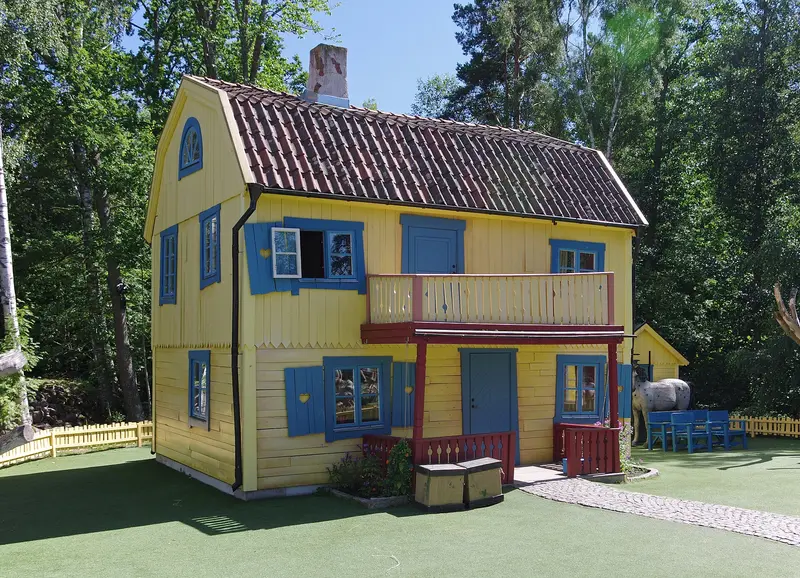
Katthult near Mariannelund and Vimmerby, the farm from the Michel films
Långe Erik Lighthouse at Öland's northern tip
Itinerary
Stop 1 • 2 Nights
Älmhult
City
Rich in culture and history. Stunning nature and outdoors and Perfect for relaxed travel without rush.
Älmhult is a small town in southern Småland on Lake Möckeln. Here, Ingvar Kamprad opened the first IKEA furniture store in 1958, where today the IKEA Museum tells the company's story. North of the town lies Råshult, the birthplace of the naturalist Carl von Linné.
3 Sights
4 Restaurants
History and Culture
From Farming Village to IKEA TownÄlmhult was long a rural town in Småland. Ingvar Kamprad, who came from the nearby village of Agunnaryd, founded IKEA in 1943 as a small mail-order business. In 1958, he opened the first furniture store in Älmhult, which profoundly changed the town. The IKEA Museum, located in the restored original building, documents this development.Linnaeus' HomeThe botanist Carl Linnaeus was born on May 23, 1707, in Råshult, north of Älmhult. The cultural reserve preserves the small-scale 18th-century agricultural landscape with meadows, stony fields, and pollarded trees. The people of Småland are to this day known for their frugality and ingenuity, an attitude often associated with both names.
Rich in culture and history. Stunning nature and outdoors and Perfect for relaxed travel without rush.
Kosta is a small village in the forests of Småland and the historical heart of the Kingdom of Crystal. The glassworks has been active since 1742 and is Sweden's oldest continuously operating glassworks. You can watch the glassblowers at work, shop at the outlet, and observe elk and red deer in nearby wildlife parks.
3 Sights
4 Restaurants
Kosta: Glass, Art and Tradition
Founded in 1742The town came into being with the founding of **Kosta Glasbruk** in 1742. The founders were the provincial governors Anders Koskull and Georg Bogislaus Staël von Holstein, both former officers in Karl XII's army. The name combines the initial syllables of their surnames: Ko(skull) and Sta(ël). The forests supplied the wood for the furnaces, and the glass was sent to places like Stockholm and Karlskrona. The furnaces have been burning since July 26, 1742, making Kosta Sweden's oldest active glassworks.Heart of the Glass KingdomThrough the merger with the Boda glassworks, the brand name Kosta Boda emerged. Kosta belongs to Glasriket, the Glass Kingdom in the municipalities of Lessebo, Uppvidinge, Nybro, and Emmaboda. The craft of glassblowing is demonstrated at the glassworks to this day.
Rich in culture and history. Perfect for an exciting city trip.
Kalmar is located on the Baltic Sea coast of Småland, opposite the island of Öland. The Renaissance castle on the water, the baroque cathedral, and the Old Town on the island of Kvarnholmen make the city one of Southern Sweden's most important historical destinations. Via the Öland Bridge, you're on Öland in just a few minutes.
5 Sights
5 Restaurants
Culture and History
The Castle and the Kalmar UnionAround 1180, a round defensive tower with a harbour was built on Kalmarsund. In the late 13th century, King Magnus Ladulås had a fortress with a curtain wall and corner towers built around it. In 1397, the Kalmar Union was established here, uniting Denmark, Norway, and Sweden under a single crown until 1523. Under the Vasa kings Gustav I, Erik XIV, and Johan III, the fortress was transformed into a Renaissance castle.New Town on KvarnholmenDuring the Kalmar War from 1611 to 1613, Danish troops besieged the castle. From the mid-17th century, the new town developed on Kvarnholmen, its centrepiece being the Baroque Cathedral by Nicodemus Tessin the Elder, built from 1660 to 1703. The Kalmar läns museum displays finds from the warship Kronan, which exploded and sank off the southern tip of Öland on June 1, 1676.
Perfect for unwinding and relaxation. For adventure seekers.
Öland is Sweden's second-largest island after Gotland, located off Kalmar in the Baltic Sea. The island is flat and elongated, featuring open limestone plains, windmills, stone walls, and sandy beaches. The agricultural landscape in the south is a UNESCO World Heritage site.
5 Sights
3 Restaurants
Culture and History
Iron Age and Agricultural LandscapeÖland was already densely populated in the Iron Age. Evidence of this includes burial grounds, runestones, and ringforts like Eketorp, Ismantorp, and Sandby borg, where archaeologists found traces of a raid from the late 5th century. The agricultural landscape in the south of the island, with its villages along the western edge, stone walls, and the Stora Alvaret, has been a UNESCO World Heritage site since 2000. It shows how people adapted to the sparse conditions over approximately 5,000 years.Windmills, Royal Residence, and Harvest FestivalThe wooden post windmills are the symbol of the island; numerous ones are preserved, some dating back to the 17th century. The royal family spends its summers at Solliden near Borgholm, and on July 14th, Crown Princess Victoria's birthday is publicly celebrated in Borgholm. At the end of September, the island invites visitors to the Skördefest, a large harvest festival featuring farms, markets, and handicrafts, from September 25th to 27th in 2026.
Rich in culture and history. For adventure seekers.
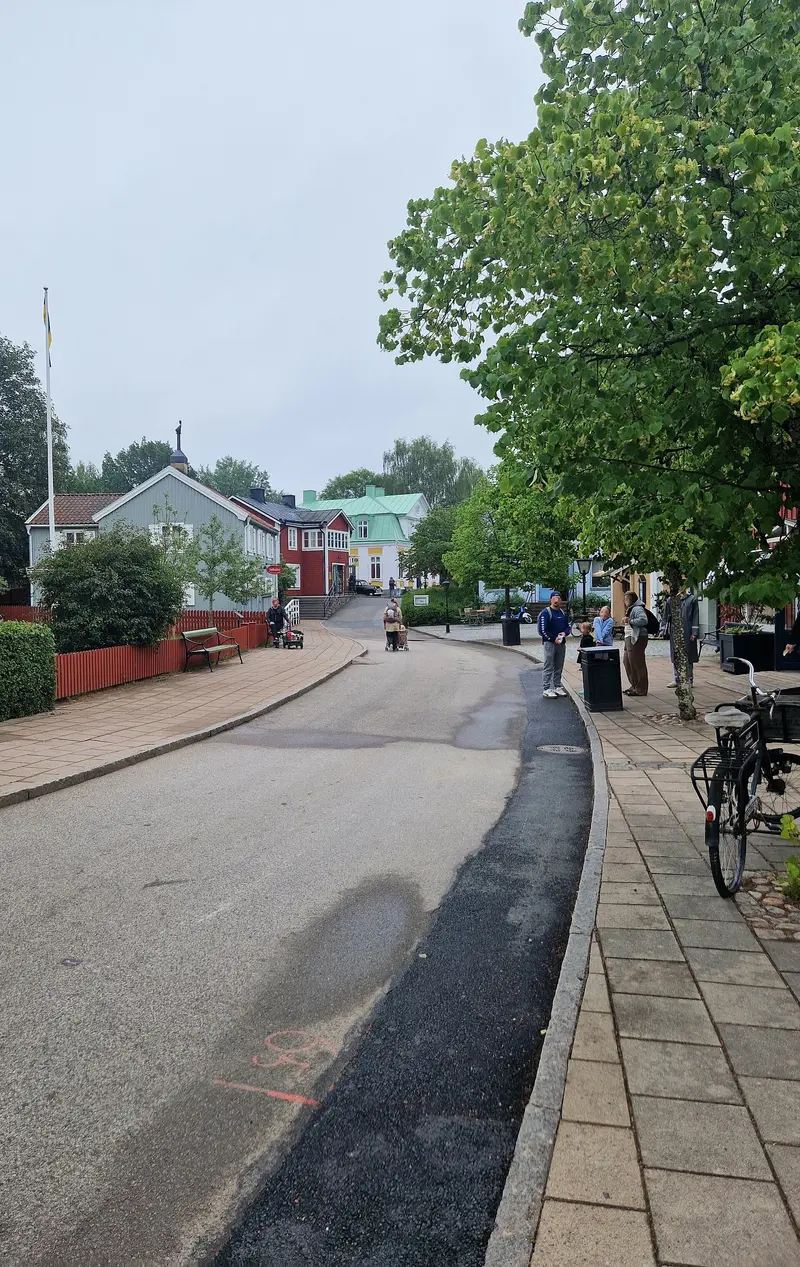
Vimmerby is a small town in northeastern Småland and the hometown of Astrid Lindgren. It is best known for Astrid Lindgrens Värld, a theme park featuring settings from her books, and for Näs Farm, where the author grew up. In the surrounding area are filming locations for the Michel and Bullerbü films.
4 Sights
3 Restaurants
Culture and History
Astrid Lindgren's HomelandAstrid Lindgren was born on November 14, 1907, at Näs parsonage on the outskirts of Vimmerby, and grew up there. The landscapes, farms, and people of her childhood appear in many of her books, from Michel aus Lönneberga to The Children of Bullerby. Her father grew up on the middle of the three farms in Sevedstorp, the inspiration for Bullerby. Astrid Lindgrens Värld first opened in 1981 as the fairytale village Sagobyn, and today showcases the worlds of her characters in settings, with theatre performances throughout the day. At Näs, you can visit her childhood home and learn more about her life. Although she spent most of her life in Stockholm, Lindgren is buried in the family grave at Vimmerby cemetery.Small Town and Brewing TraditionVimmerby is an old market and trading town for the surrounding region. The town is home to the traditional Åbro brewery, whose beer and sodas you can find in many local establishments. On the author's 100th birthday in 2007, a bronze statue was unveiled in Stora Torget.
Perfect for an exciting city trip. Perfect for unwinding and relaxation.
Jönköping is located on the southern shore of Lake Vättern, Sweden's second-largest lake. From 1845 to 1970, the city was a hub of match production, a story told at the Tändsticksmuseet in the old factory district. Between Lake Vättern and Munksjön lies the city center with its waterfront promenades, cafés, and shops. Worthwhile excursions lead to the wooden Habo kyrka from 1680, to Gränna, and to the island of Visingsö. In summer, bathing spots and lake activities beckon; spring and autumn are calmer.
3 Sights
4 Restaurants
Culture and History
City Rights and ChurchesJönköping was granted city rights on May 18, 1284, by King Magnus Ladulås. Its location at the southern end of Lake Vättern made it an early market and garrison town. The Kristine kyrka was begun in 1649 in honor of Queen Kristina and consecrated in 1673; its tower was not completed until 1686. During the city fire of 1790, both the church and tower burned out. During reconstruction, it was given a restrained classical appearance.The Matchstick CityFrom 1845 to 1970, match production shaped the city. The brothers Johan Edvard and Carl Frans Lundström further developed the safety match here, making Jönköping internationally known. The Tändsticksområdet, with its old factory buildings, is now used differently and houses the Match Museum. The Jönköpings läns museum showcases the region's history, art, and culture.