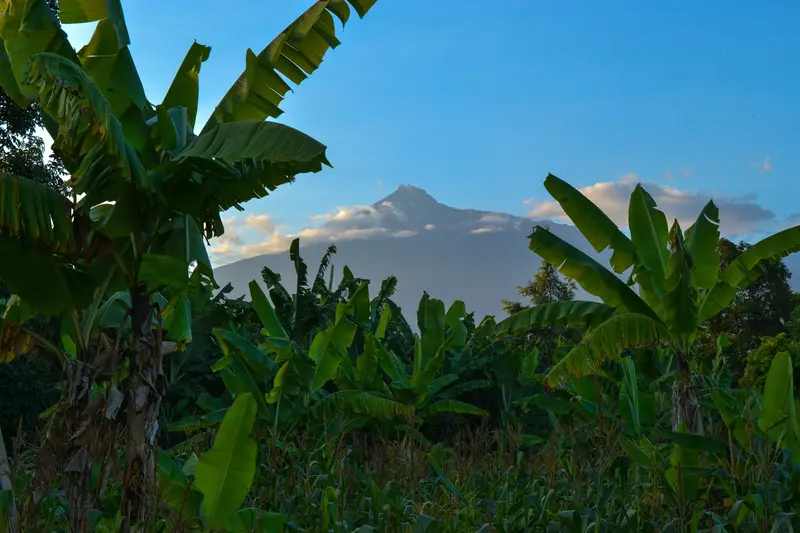
Photo by Blue Ox Studio on Pexels
Round trip · Tanzania
Safari in the North and Zanzibar
by Felix Gillen
- 14 Days / 13 Nights
- Arusha → Paje
The classic combination: from Arusha via Tarangire and Lake Manyara to the Ngorongoro Crater and into the Serengeti, followed by a flight to Zanzibar, including Stone Town and the East Coast. Safari driving times per leg are two to four hours, the onward journey to Zanzibar is by domestic flight.
At a glance
- Duration
- 14 Days / 13 Nights
- Stops
- 7 · Arusha → Paje
- Arrival
- Flight · Kilimanjaro (JRO)
- Departure
- Flight · Sansibar (ZNZ)
- Best Time to Go
- June to October, and January and February
7 stops
Why This Route?
It connects the most important northern parks in a logical sequence with short stages and concludes with culture and beach in Zanzibar.
Hidden Gems
- Drive into the Ngorongoro Crater early in the morning and bring a packed lunch
- In Paje, plan swimming times for after high tide
- Street food stalls in the Forodhani Gardens only after sunset
Getting there and back
Open jaw: start and end are in different places
- Arrival
- Flight · Kilimanjaro (JRO)Kilimanjaro International Airport is between Moshi and Arusha; most safaris start with airport pick-up.
- Departure
- Flight · Sansibar (ZNZ)Condor flies from Zanzibar to Frankfurt. You only buy the required insurance once, at the first point of entry.
Itinerary
Arusha
Arusha, nestled at around 1,400 m at the foot of Mount Meru, is the gateway to safaris in northern Tanzania. From here, safaris depart for Tarangire, Lake Manyara, Ngorongoro, and the Serengeti. Before you set off, explore the Central Market, small museums detailing the city's history, and take a day trip to the nearby Arusha National Park.
Arrival through Kilimanjaro Airport (JRO)
6 Sights
1 Restaurant
History and Culture
Arusha DeclarationIn 1967, Julius Nyerere proclaimed the Arusha Declaration here, outlining the program of Tanzanian socialism (Ujamaa). The small Arusha Declaration Museum next to the Uhuru Monument tells its story.Colonial HeritageThe National Natural History Museum has been housed in the former German administrative post (Old Boma) since 1987.Art and MarketsThe large Cultural Heritage Centre exhibits and sells arts and crafts, including Tingatinga paintings. Bargains are made at the Central Market, where you'll find batik fabrics and Maasai beadwork.
Tarangire National Park
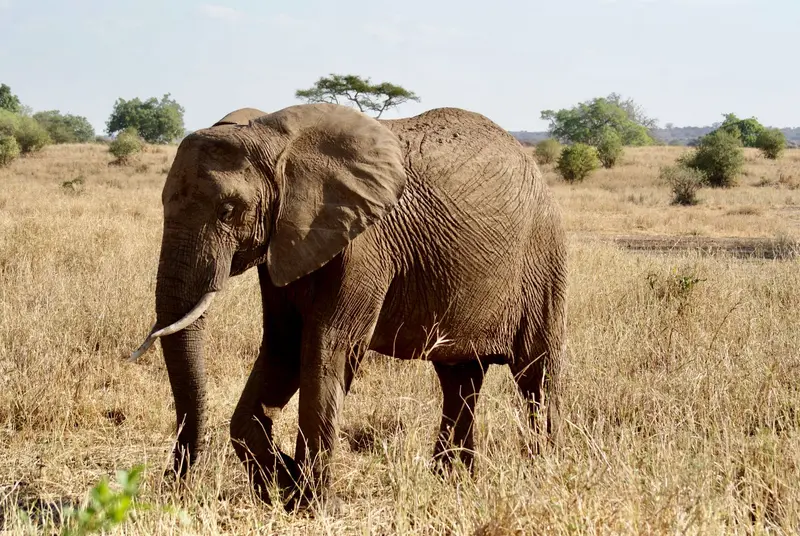
Tarangire National Park, located approximately 118 km southwest of Arusha, is renowned for its large elephant herds and mighty baobab trees. Covering around 2,850 km², the Tarangire River shapes the landscape: During the dry season, it is the most important water source, and animals gather on its banks and in the swamps. The park is usually the first stop on a northern safari.
About 118 km, nearly 2 hrs from Arusha
1 Sight
Nature and Wildlife
Elephants and BaobabsTarangire is known for large elephant herds. Baobabs store water in their trunks; their fruits and leaves are traditionally used.River and SwampsThe Tarangire River gives the park its name and flows north into Lake Burunge. During the dry season, it is the most important water source; permanent swamps like Silale also contribute.
Lake Manyara National Park
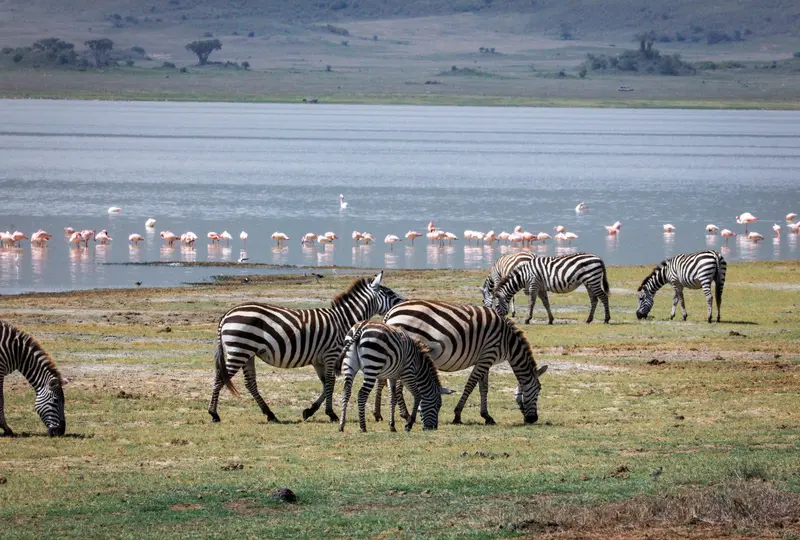
Lake Manyara National Park is two hours west of Arusha, at the Rift Valley escarpment's base. Much of the park is the lake itself, its shores lined with evergreen groundwater forests of fig and mahogany. It's a good stop en route to Ngorongoro Crater.
Overnight stay in Mto wa Mbu or Karatu; Mto wa Mbu to Karatu approx. 35 km, about 1 hour
2 Sights
Nature and Wildlife
Groundwater ForestThe park features an evergreen groundwater forest with figs and mahogany, where pelicans and storks breed.Lake and ShoresA large portion of the park's area is the lake itself. At the north end, there is a hippo pond, and hot springs are found on the west shore.Tree-Climbing LionsThe lions here that climb trees are considered a park attraction; however, sightings are not guaranteed.
Ngorongoro Conservation Area
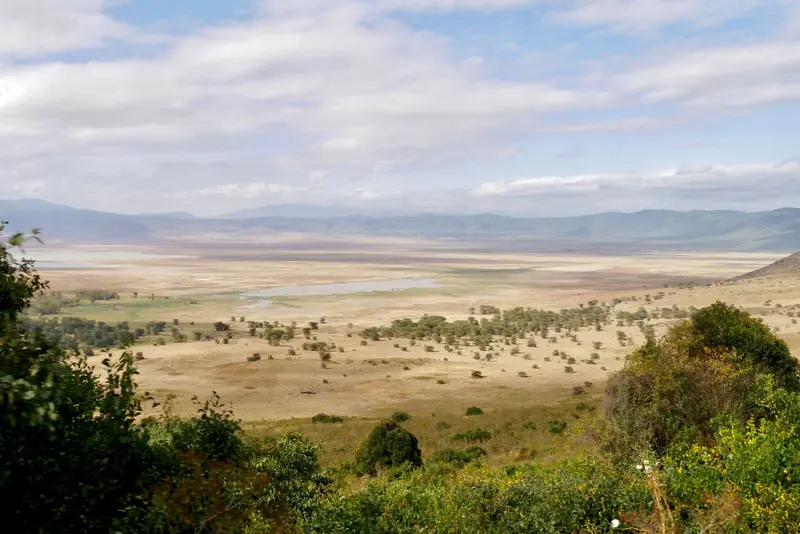
The Ngorongoro Conservation Area, located between Lake Manyara and Serengeti, is famous for the Ngorongoro Crater: a collapse caldera approximately 20 km wide and about 600 m deep, home to abundant wildlife on its floor. The conservation area spans over 8,000 km², including the Olduvai Gorge, other craters, and Maasai grazing lands. It has been a UNESCO World Heritage site since 1979, and since 2010 also recognized for its cultural significance.
Karatu to Lodoare Gate 15 km, 30 minutes; Gate to Crater rim about 1 hour
4 Sights
Nature and Early History
The CraterThe crater floor spans approximately 260 km². Waterbucks live in the Lerai Forest, fed by the Lerai Stream; thousands of Lesser Flamingos often gather in the seasonal Lake Magadi in the southwest. A picnic site with hippos is located at Ngoitokitok Spring on the eastern wall.Olduvai and LaetoliIn Olduvai Gorge, Mary Leakey discovered the skull of Zinjanthropus (Paranthropus boisei) in 1959, and fossils of Homo habilis also originate from here. A small museum on the gorge rim tells their story. The Laetoli footprints were discovered in 1976 and reburied for protection in 1979.MaasaiSince 1959, wildlife and the Maasai have shared the area, which is why it has also been listed as a World Heritage site since 2010.
Serengeti National Park
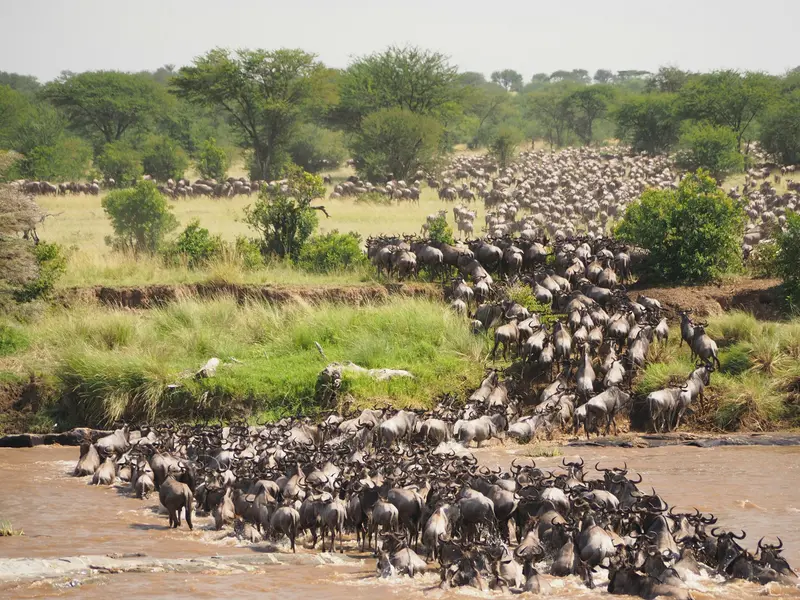
The Serengeti National Park in northern Tanzania, spanning 14,763 km², is one of the world's most famous protected areas and has been a UNESCO World Heritage site since 1981. Here, every year, the Great Migration of well over a million wildebeest, accompanied by zebras and gazelles, moves in a circular path through the savanna. The central Seronera Valley is known for big cats, the Southern Serengeti for the calving season, and the north for the Mara River crossings.
Kratergate to Naabi Hill approx. 85 km, 2 to 3 hours; then approx. 60 km, about 1 hour to Seronera.
4 Sights
The great migration
Cycle of the HerdsThe herds follow the rain. According to the Tanzania Tourist Board, they move south in October and November; calves are born in January and February; from April to June they migrate west and north; in June and July they are in the Western Corridor; and in August and September in the north.Calving Season in the SouthThe wildebeest calve on the Southern Serengeti's short-grass plains, near the Ngorongoro Conservation Area, roughly from January to March, peaking in February.Rivers in the NorthThe crossings of the Mara River in the north take place around July to October, with August and September being the peak.
Flight
Domestic flight from the Serengeti or via Arusha to Zanzibar
Stone Town
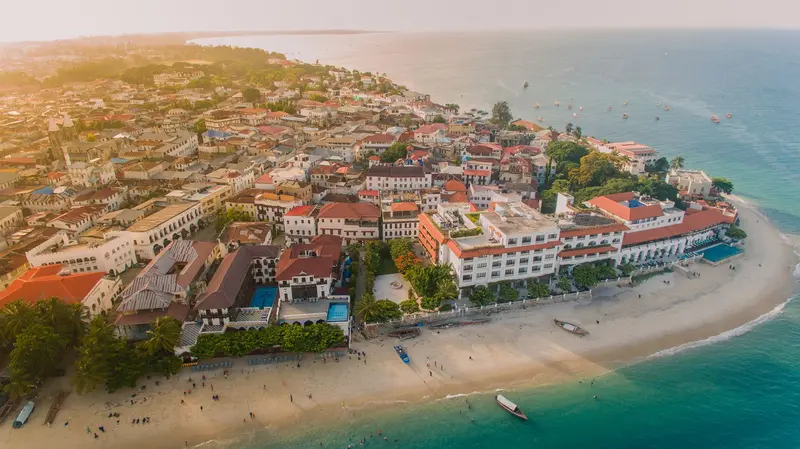
Stone Town, the old quarter of Zanzibar City, lies on a headland on Unguja's west coast and has been a UNESCO World Heritage site since 2000. Most buildings date from the 18th and 19th centuries, when Zanzibar was the seat of the Omani sultans and a center for the spice and slave trade. You explore the narrow alleys with their carved wooden doors on foot; in the evenings, you meet at the street food stalls in Forodhani Gardens by the sea.
Domestic flight arrival
7 Sights
1 Restaurant
Culture and History
Swahili City of SultansAfter Sultan Said of Oman moved his seat to Zanzibar in the first half of the 19th century, palaces such as the House of Wonders (1883) and the Sultan's Palace by the sea emerged, today the Palace Museum, which commemorates Princess Sayyida Salme, among others. Stone Town was also a major port of the East African slave trade.Carved DoorsTypical are the heavy wooden doors: Indian-influenced doors with round arches and brass studs, Omani doors rectangular, often adorned with Quranic verses.BehaviourThe population is almost exclusively Muslim. Dress modestly in the Old Town; during Ramadan, do not eat or drink in public during the day.
Paje
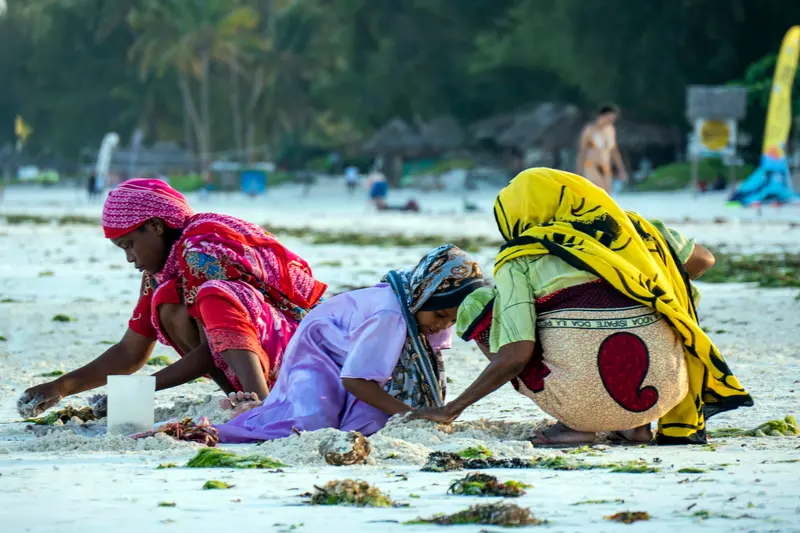
Paje, on Zanzibar's east coast, about an hour's drive from Stone Town, is the island's most famous kitesurfing spot. The tidal range is significant: at low tide, the sea recedes by up to about one kilometer; for swimming, you'll want the high tide. In the shallow waters off Paje and the southerly adjacent Jambiani, women cultivate seaweed.
About 1 hr from Stone Town, Jozani Forest en route
3 Sights
1 Restaurant
Kiting and Seaweed
KitesurfingSince the first kite school opened in 2012, Paje has developed into Zanzibar's most renowned kitesurfing spot.Seaweed FarmsIn the shallow waters off Paje and Jambiani, mainly women cultivate seaweed. The Mwani Zanzibar cooperative demonstrates on tours how this works.
Plan this route as your trip
All stops, trains and nights go into your trip planner. You adjust dates and places to stay afterwards.
This route is a suggestion from our research. Please check timetables, times in port, opening hours and prices before you book – what your tour operator or carrier says is what counts.
Fernweh is a free travel guide and trip planner: routes researched by people, taken over in one click, used day by day on the road. More about Fernweh
7 stops
Route Summary
Duration14 Days
Stops7 Places
TypeMixed