Back to Turkey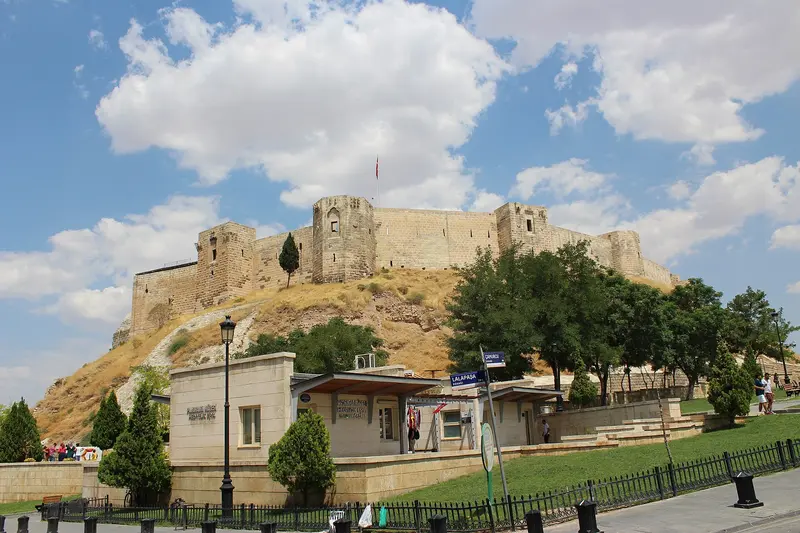
Mesopotamia: Gaziantep, Göbekli Tepe and Mardin
by Felix Gillen
The route leads through Southeast Anatolia, from the culinary hub Gaziantep via Şanlıurfa and Göbekli Tepe to the god statues on Nemrut Dağı and further to the stone city Mardin. It's best to travel by rental car; intercity buses also operate between the towns. Before your trip, check the current UK FCDO travel advice for Turkey (gov.uk/foreign-travel-advice/turkey), as the provinces border Syria.
4 stops
Why This Route?
It connects the UNESCO World Heritage Sites Göbekli Tepe and Nemrut Dağı with the Zeugma Mosaic Museum and Gaziantep, a UNESCO Creative City of Gastronomy since 2015.
Hidden Gems
- The Tahmis Kahvesi coffee house in Gaziantep, dating from 1635
- Haleplibahçe with its mosaics next to the museum in Şanlıurfa
- the Deyrulzafaran Monastery at the gates of Mardin
Getting there and back
Open jaw: start and end are in different places
- Arrival
- Flight · Gaziantep (GZT)Reach Gaziantep by domestic flight, e.g. from Istanbul. Havaş shuttles run from the airport to the center.
- Departure
- Flight · Mardin (MQM)From Mardin, daily flights depart for Istanbul (IST and SAW), where you'll connect to your flight home.
Itinerary
Stop 1 • 2 Nights
Gaziantep
Culinary highlights. Rich in culture and history and Rich in history and historical sites.
Gaziantep in southeast Turkey, about 97 km north of Aleppo, has been a UNESCO Creative City of Gastronomy since 2015 and is known for baklava, kebap, and pistachios. In the Zeugma Mosaic Museum, you can see the mosaics from the ancient city of Zeugma on the Euphrates. The city has around 1.9 million inhabitants; its castle, bazaars, and coffee houses are located in the old town center.
Zeugma Museum, Bazaars, Baklava
5 Sights
4 Restaurants
Culture & History
Aintab and Gazi TitleThe city was formerly Aintab, and is still called Antep today. It came under Ottoman rule in 1516. For its resistance during the 1920/21 French siege, parliament granted the honorary title Gazi in 1921.Castle & Old TownThe city center castle, originally a Roman watchtower, gained its current form in the 6th century under Emperor Justinian. It suffered severe damage in the February 2023 earthquakes. Restoration is now complete. It's best to check visitor accessibility before your visit.Earthquake 2023In Gaziantep, around 900 buildings collapsed, and over 10,000 were severely damaged. The Şirvani and Kurtuluş Mosques and the Zincirli Bedesten have also been restored and reopened.
Stop 2 • 2 Nights
Şanlıurfa & Göbekli Tepe
Rich in culture and history. UNESCO World Heritage site and Rich in history and historical sites.
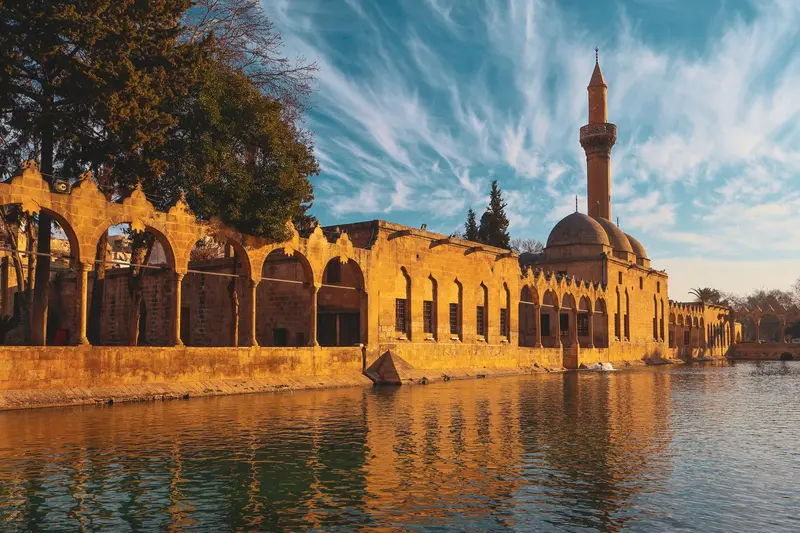
Şanlıurfa is the city of Abraham in southeastern Turkey and the starting point for Göbekli Tepe, one of humanity's oldest known sanctuaries. Pilgrim ponds with sacred carp, bazaars, and a spicy cuisine characterize the old town. The city has around 600,000 inhabitants; the old town and Balıklıgöl are located at the foot of the castle hill, with museums slightly north in the Haleplibahçe quarter.
Göbekli Tepe, Balıklıgöl, Harran
5 Sights
3 Restaurants
Culture and History
The Taş TepelerAround Şanlıurfa lie the Stone Age mounds. Göbekli Tepe was used from around 9500 BC and has been a UNESCO World Heritage Site since 2018. The related Karahan Tepe is located about 46 km east of the city.Edessa and the Legend of AbrahamIn antiquity, the city was called Edessa. On the castle hill stand two approximately 15 to 17 m high columns with Corinthian capitals, which were erected under King Ma'nu IX. around 240 to 242 AD. According to Islamic tradition, Abraham was born here, and the pools of Balıklıgöl commemorate him.HarranAbout 40 to 47 km southeast lies Harran with its mud-brick beehive houses. Domed structures there already display Assyrian reliefs from the 7th century BC, though today's houses mostly date from the early 20th century.
Stop 3 • 1 Night
Mount Nemrut
UNESCO World Heritage site. Rich in history and historical sites and Breathtaking mountain views.
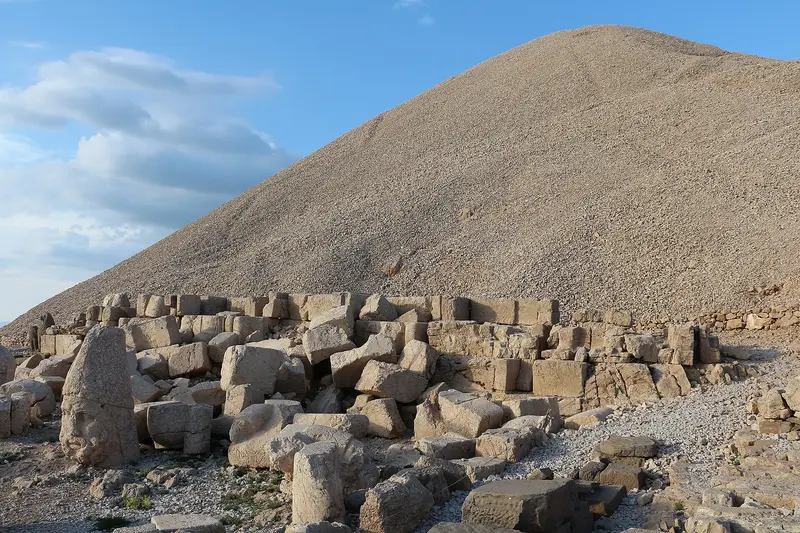
Nemrut Dağı is a mountain in the Anti-Taurus range in Southeast Anatolia, on whose summit King Antiochus I of Commagene had his tomb-sanctuary with colossal statues of gods erected. Since 1987, it has been a UNESCO World Heritage site and is a popular destination, especially for sunrise and sunset. Starting points are Kahta and the village of Karadut at the foot of the mountain, about 85 km from Adıyaman.
Overnight stay in Kahta or Karadut, sunrise at the summit; season roughly April to October, often snow after that
3 Sights
Culture & History
The Kingdom of CommageneAround 62 BC, Antiochos I had a 49 m high and 152 m wide tumulus erected on the summit. His father, Mithridates I Kallinikos, was revered in Arsameia.Gods from East and WestThe 8 to 9 m high statues combine Greek and Iranian gods, flanked by lions and eagles. The heads were separated and today lie scattered on the terraces. The complex includes eastern and western terraces.Around the MountainThe Roman Cendere Bridge honours Emperor Septimius Severus; three of its originally four Corinthian columns still stand. The Karakuş tumulus is dedicated to the royal women of Commagene.
Stop 4 • 2 Nights
Mardin
Rich in culture and history. Rich in history and historical sites and Culinary highlights.
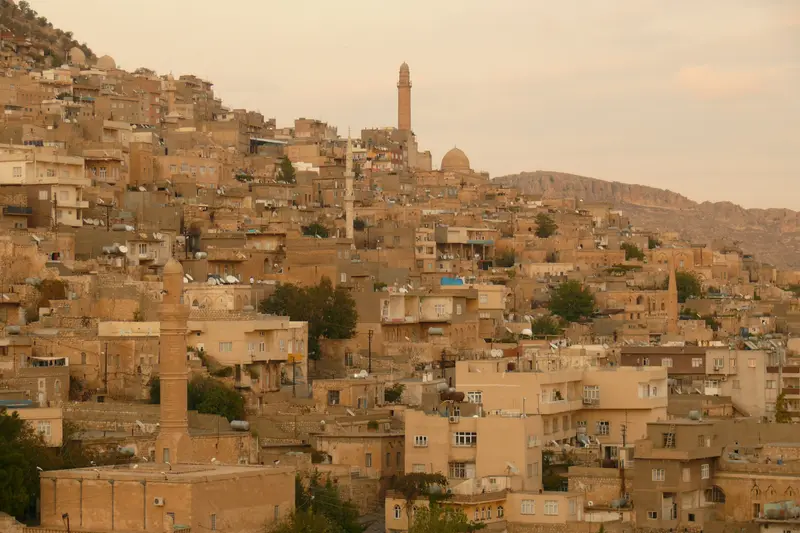
Mardin, in southeastern Turkey, perches on a slope above the Mesopotamian Plain, famed for its south-facing stone old town. Madrasahs, mosques, and Syriac Orthodox monasteries speak of Artuqids, Akkoyunlu, and past Christian communities. With around 130,000 residents, its old town stretches below the citadel down the south slope, best explored on foot.
Old Town, Deyrulzafaran, Midyat
6 Sights
3 Restaurants
Culture & History
Artuqids and AkkoyunluThe old town's grand buildings date back to the Middle Ages. The Great Mosque was built in 1176 under the Artuqids, the Zinciriye Madrasah in 1385. In the 15th century, the Kasımiye Madrasah, named after the Akkoyunlu ruler Kasım, was completed.Syriac Orthodox HeritageThe city is primarily inhabited by Kurds and Arabs, along with Syriac Orthodox Christians. The Deyrulzafaran Monastery, dating from the 5th century, served as the seat of the Patriarch for centuries. Approximately 20 km southeast of Midyat lies Mor Gabriel, founded in 397 by Mor Shmuel and Mor Shemun, and one of the oldest still-operating Syriac Orthodox monasteries.BazaarsIn the old town, historical bazaars are still in operation, such as the Kayseriye Bazaar, the Coppersmiths' Bazaar, and the Jewellery Bazaar.
4 stops
Route Summary
Duration8 Days
Stops4 Places
TypeCulture
Best Time to GoApril to June, September to October