Back to Turkey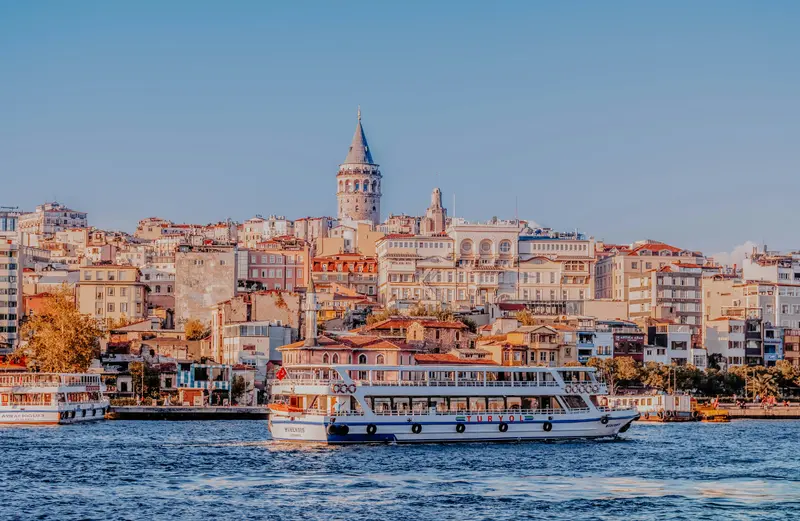
Turkey classics: Istanbul, Aegean and Cappadocia
by Felix Gillen
The route connects the stops that most first-time visitors come to Turkey for: Istanbul, Troy, Ephesus, the travertine terraces of Pamukkale, the Antalya Riviera, Konya, and the valleys of Cappadocia. You cover these stages by long-distance bus, train, or rental car; for the return journey to Istanbul, a domestic flight from Kayseri is recommended.
7 stops
Why This Route?
Ephesos, Pamukkale and Göreme are the country's most visited archaeological sites, Istanbul and Antalya the main arrival points. The route arranges them to avoid retracing any part.
Hidden Gems
- Şirince above Selçuk in the evening, when the day-trippers have left
- Laodikeia near Pamukkale, significantly quieter than Hierapolis
- the Sema ceremony at the Mevlana Cultural Centre in Konya, usually on Saturday evenings
Getting there and back
Open jaw: start and end are in different places
- Arrival
- Flight · Istanbul (IST)Istanbul has direct flights from German-speaking regions. IST Airport Metro to city center.
- Departure
- Flight · Kayseri (ASR)From Kayseri, there are daily domestic flights to Istanbul (about 1.5 hours), where you transfer to your home flight. Alternatively, you fly from Nevşehir Kapadokya.
Itinerary
Stop 1 • 4 Nights
Istanbul
Perfect for an exciting city trip. Rich in culture and history and Rich in history and historical sites.
Spanning Europe and Asia, Istanbul sits on the Bosphorus, linking Black and Marmara Seas. Byzantine churches, Ottoman mosques, and lively nightlife make Turkey's largest city the start of many Turkey trips. Most sights lie on historic Sultanahmet peninsula, south of the Golden Horn. North of it, Karaköy and Beyoğlu offer Galata Tower and bars. The Asian side's Kadıköy is a hub for market, food, nightlife.
Sultanahmet, Bosphorus Ferry, Kadıköy
8 Sights
4 Restaurants
Culture & History
Byzantium, Constantinople, IstanbulGreek colonists founded Byzantium in the 7th century BC. In 330, the city became Constantinople, the capital of the Roman Empire. After its conquest in 1453, it served as the capital of the Ottoman Empire until its end.World Heritage on the PeninsulaIstanbul's historic areas have been on the UNESCO World Heritage List since 1985. These include the Hagia Sophia, Topkapı Palace, and Süleymaniye Mosque. Many structures have a dual history as both a church and a mosque, such as the Hagia Sophia and the Chora Church.Visiting MosquesAttire: Shoulders and knees covered, women with headscarf.Prayer Times: Visits are restricted before the five daily prayers and on Friday midday.
Stop 2 • 1 Night
Çanakkale
Rich in history and historical sites. Rich in culture and history and Culinary highlights.
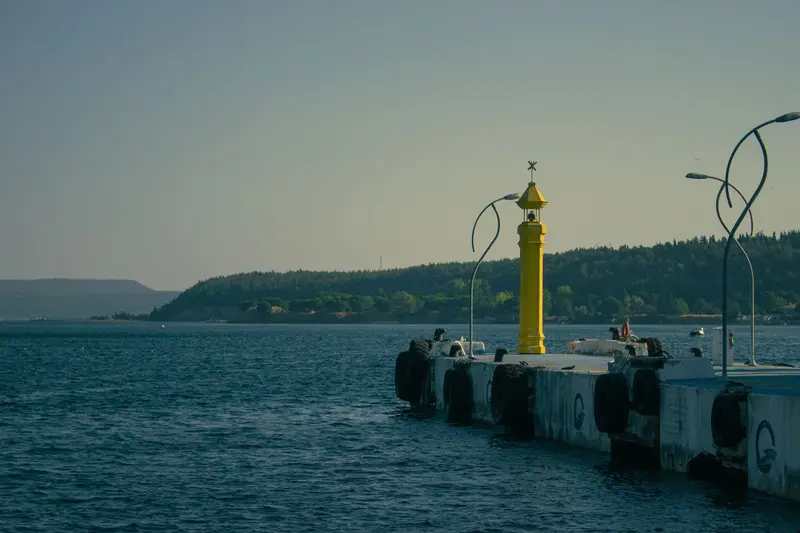
Çanakkale lies at the narrowest point of the Dardanelles, on the Asian side of the strait connecting the Marmara and Aegean Seas. This lively student city is the starting point for the battlefields of Gallipoli and the excavations of Troy. Life unfolds on the Kordon, the waterfront promenade with the Trojan Horse, and in the alleys around the Clock Tower. Opposite, on the European side, are Kilitbahir and Eceabat, connected by short ferry rides.
Troy and the Gallipoli Peninsula
5 Sights
3 Restaurants
Culture & History
The StraitTwo Ottoman fortresses guard the Dardanelles at their narrowest point: Çimenlik in Çanakkale and Kilitbahir on the European shore. In 1915, they were intended to jointly stop enemy ships.Gallipoli 1915On the Gallipoli Peninsula, Ottoman troops fought against Allied forces, including soldiers from Australia and New Zealand, in 1915 and 1916. The southern part of the peninsula was declared a historical national park in 1973 and has been protected as a Historical Site (Çanakkale Savaşları Gelibolu Tarihi Alanı) since 2014. Around March 18th and April 25th, Anzac Day, the city is particularly crowded.Troy and FilmÇanakkale is the nearest major city to Troy. On the Kordon stands the wooden horse from the 2004 film 'Troy'.
Stop 3 • 2 Nights
Selçuk & Şirince
Rich in culture and history. Rich in history and historical sites and Culinary highlights.
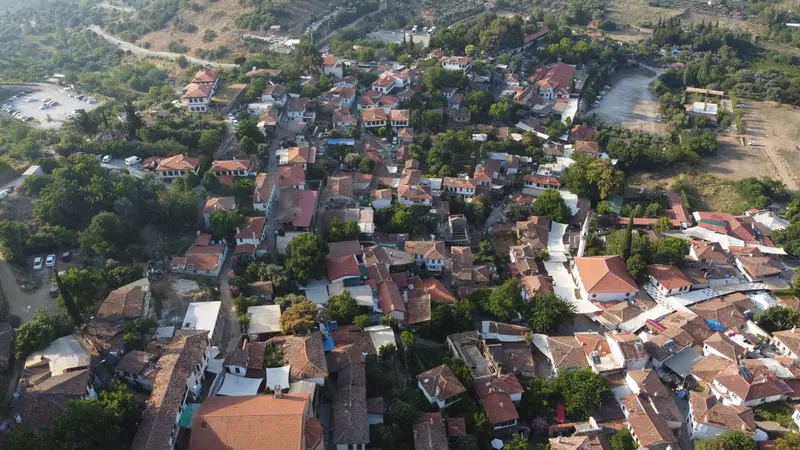
Selçuk is the small town right next to Ephesus, about an hour and a half by train south of İzmir, and the best base for the archaeological site. In the town are the Artemision, the İsa Bey Mosque, and the Ephesus Museum. About eight kilometers east, in the hills, lies the wine village of Şirince with its stone houses.
Ephesos in early morning
6 Sights
2 Restaurants
Culture and History
AyasulukDuring Turkish rule, the settlement was called Ayasuluk, derived from Agios Theologos, the epithet of John the Apostle. Emperor Justinian had the Basilica of St. John built over his presumed grave in the 6th century. The Isa Bey Mosque was built in 1374/75 under the Aydınoğulları; in 1914, the city was named Selçuk.ŞirinceThe mountain village was Greek-populated until the population exchange after 1923, then named Kirkince. New inhabitants arrived from Northern Greece and continued viticulture. The village was renamed Şirince in 1926.World HeritageThe Artemision, Ayasuluk Castle Hill with the Basilica of St. John, and the Isa Bey Mosque are part of the UNESCO World Heritage Site of Ephesus.
Stop 4 • 1 Night
Pamukkale & Hierapolis
UNESCO World Heritage site. Stunning nature and outdoors and Rich in history and historical sites.
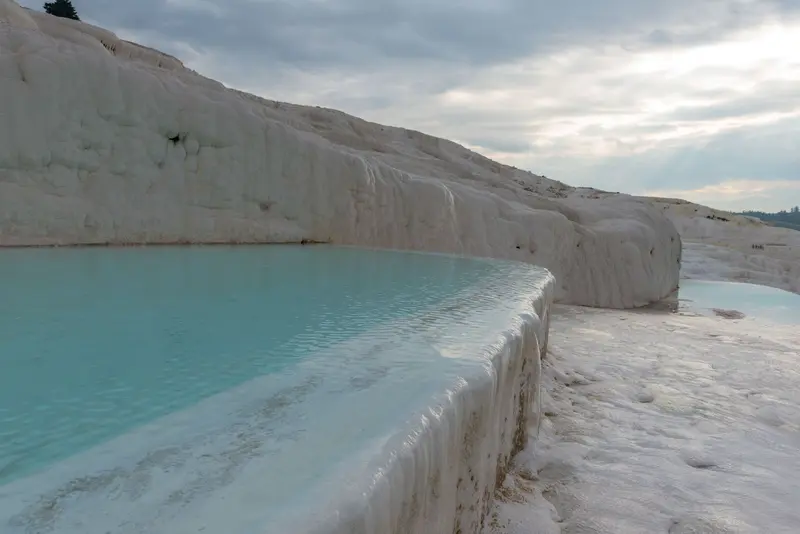
Pamukkale is an approximately 2.7-kilometer long slope of white travertine terraces in the Aegean hinterland, about 20 kilometers from Denizli. Above the terraces lies the ancient city of Hierapolis, featuring a theater, necropolis, and thermal pool dating back to Roman times. Since 1988, Hierapolis-Pamukkale has been a UNESCO World Heritage site.
Terraces barefoot, Hierapolis above
5 Sights
3 Restaurants
Culture & History
HierapolisThe city was founded under the Seleucid Antiochus I, and Pergamon's King Eumenes II later granted it city rights. The theatre dates back to the time of Emperor Hadrian and accommodated around 15,000 spectators. The necropolis extends for more than two kilometres and contains approximately 1,200 tombs.Thermal SpringsIn the area, 17 hot springs emerge with temperatures between 35 and 100 °C. Their calcareous water has formed the terraces. Parts of the terraces are temporarily closed to allow the deposits to recover.Early ChristianityOn a hill outside the northeastern city wall stands the 5th-century Martyrion of the Apostle Philip, an octagonal structure about 20 metres in diameter. Approximately 40 metres away, a tomb was discovered in 2011 that is associated with Philip.
Stop 5 • 2 Nights
Antalya
Perfect for an exciting city trip. Rich in culture and history and Rich in history and historical sites.
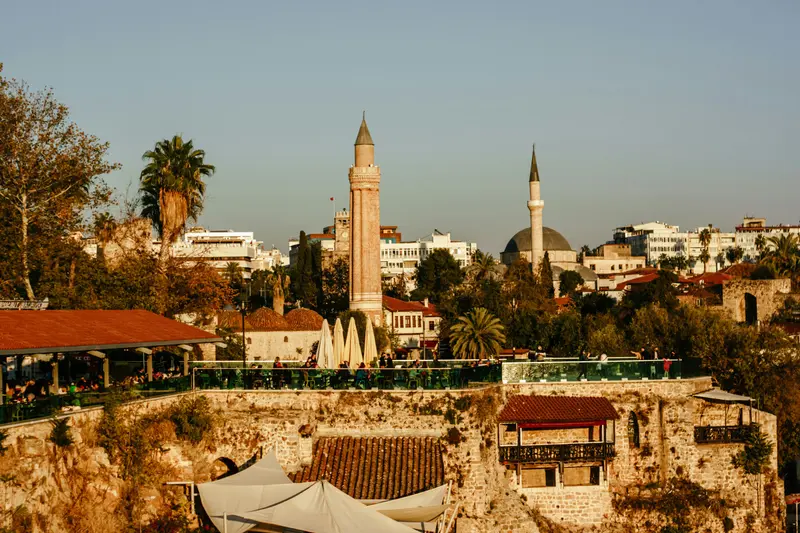
Antalya is the major city of the Turkish Riviera, with approximately 1.3 million inhabitants in its urban area. You come for the walled Old Town of Kaleiçi above the old harbour, the beaches of Konyaaltı and Lara, and the ancient cities of Perge and Aspendos in the surrounding area. Konyaaltı is west, Lara east of the centre.
Kaleiçi, Perge, Konyaaltı Beach
6 Sights
4 Restaurants
Culture and History
AttaleiaKing Attalos II of Pergamon founded the city as Attaleia in the 2nd century BC. Emperor Hadrian visited in AD 130, and Hadrian's Gate was built in his honour. The Hıdırlık Tower on the edge of the old town also dates from Roman times.Seljuks and OttomansThe Seljuks conquered Antalya in 1207 and, after a brief Byzantine reconquest, for good in 1216. The 38 m Yivli Minare, the fluted minaret with remains of turquoise and dark blue tiles, dates from their era. The old town of Kaleiçi, with its lanes and Ottoman-era houses, has been restored and is now home to guesthouses, bars and restaurants.Antalya MuseumThe archaeological museum has been closed since July 2025. Because of earthquake risk, the old building is being replaced by a new one on the same site, with completion announced for the end of 2026. Check the current status before your visit.
Stop 6 • 1 Night
Konya
Perfect for an exciting city trip. Rich in culture and history and Rich in history and historical sites.
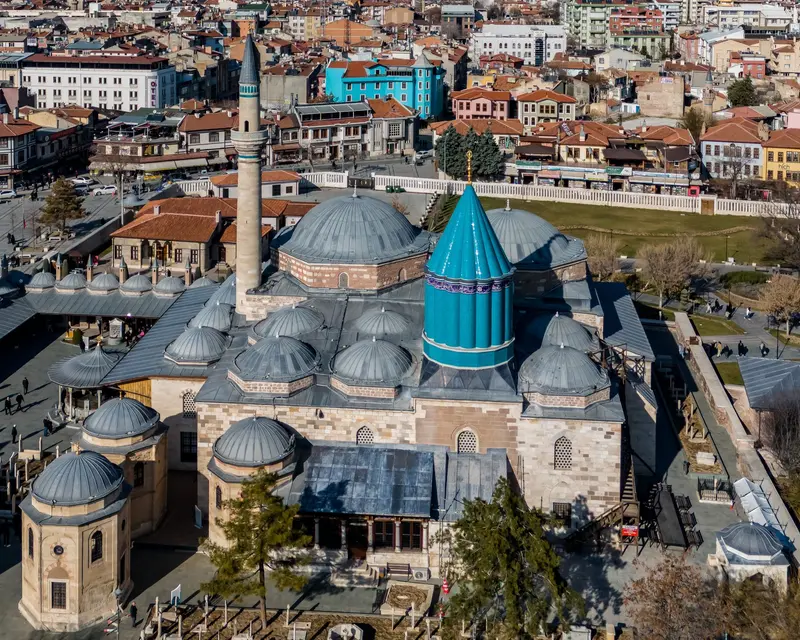
In the Middle Ages Konya was the capital of the Seljuks of Rum, and it is the city of the Sufi mystic Mevlana Rumi, whose tomb in the Mevlana Museum draws pilgrims and travellers. The city of around 1.4 million inhabitants in its three central districts lies at just over 1,000 metres in the south of Central Anatolia, a little over two hours from Ankara by high-speed train. The sights are concentrated between the Mevlana Museum and Alaeddin Hill, and the Neolithic settlement of Çatalhöyük makes a worthwhile day trip.
Mevlana Museum
6 Sights
3 Restaurants
Culture & History
Ikonion and the SeljuksIn antiquity, the city was called Ikonion. After its conquest by the Seljuks in 1084, it became the capital of the Sultanate of Rum Seljuks. Dating from this period are the Alaeddin Mosque from 1235, located on the eponymous hill, the Karatay Madrasa from 1251, and the İnce Minareli Madrasa, built around 1265, which is now a museum.Mevlana and the DervishesRumi lived and taught in Konya; after his death in 1273, his followers founded the Mevlevi Order. Its Sema, the whirling dance of the Dervishes, has been a UNESCO Intangible Cultural Heritage since 2008. Every December, the Şeb-i Arus commemoration week marks Rumi's death anniversary on December 17th.ÇatalhöyükThe settlement of Çatalhöyük near Çumra is around 9,000 years old, making it one of the world's oldest known settlements and a UNESCO World Heritage site since 2012. Figures from the site are displayed at the Archaeological Museum in Konya.
Stop 7 • 3 Nights
Göreme
UNESCO World Heritage site. Stunning nature and outdoors and Great hiking spots.
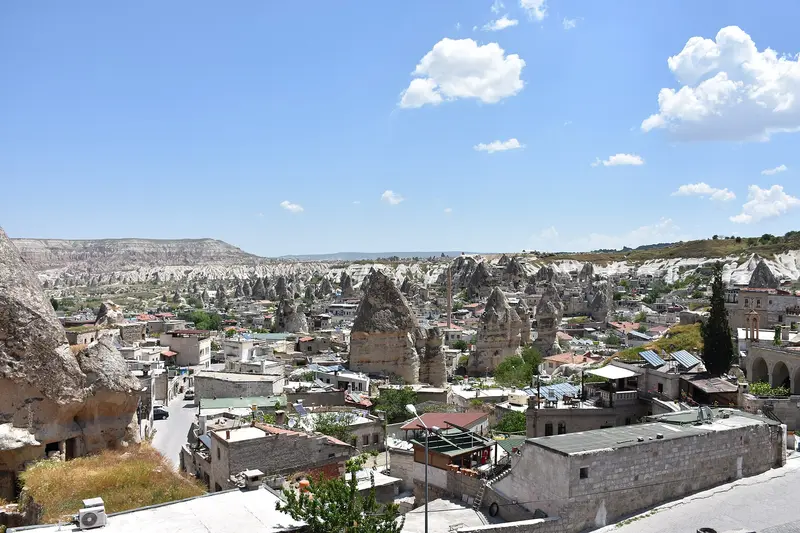
Göreme is a town with around 2,000 inhabitants in the center of Cappadocia, surrounded by valleys full of fairy chimneys. Here you'll find the open-air museum with its rock-cut churches and hiking trails through Rose, Red, and Love Valley, above which hot-air balloons glide at sunrise. Many old cave houses are now hotels; Uçhisar and Çavuşin can be reached on foot through the valleys.
Open-air museum, Valleys, Derinkuyu
7 Sights
3 Restaurants
Culture & History
Byzantine RootsDuring Byzantine times, the neighboring villages of Korama and Matiana were located here, both mentioned in 451 in the acts of the Council of Chalcedon. For centuries, monks carved churches and chapels into the tuff rock and adorned them with frescoes. Since 1985, Göreme has been part of the UNESCO World Heritage Göreme National Park.From Cave Village to Tourist DestinationIts inhabitants carved their homes into the rock at least since the 3rd century. Before the 1970s, few visitors came; by 2000, Göreme was already considered a major tourist center of Cappadocia. Most old cave houses have since been converted into boutique hotels.Balloon RidesRides start at sunrise and last approximately one hour. Every morning, the Coordination Office of the Civil Aviation Authority (SHGM) in Nevşehir decides whether flights can take place, and pilots can additionally cancel on-site. In 2025, according to SHGM, over 754,000 passengers flew on 223 flight days, while in the first half of 2026, the weather permitted only 90 flight days.
7 stops
Route Summary
Duration15 Days
Stops7 Places
TypeCulture
Best Time to GoApril to June, September to October