Louisiana is located on the Gulf of Mexico between Texas, Arkansas, and Mississippi, and large parts of the state were formed by the Mississippi River with its delta.
Louisiana is located on the Gulf of Mexico between Texas, Arkansas, and Mississippi, and large parts of the state were formed by the Mississippi River with its delta. You travel here for the bayous and swamps and the distinctive culture of Cajuns and Creoles, which extends far beyond New Orleans.As the only US state, Louisiana is divided into Parishes instead of Counties, 64 in total. West of Baton Rouge lies the Atchafalaya Basin, the largest swamp area in the USA. Interstate 10 crosses it on the 29.3 km long Atchafalaya Basin Bridge; alligators and the Louisiana black bear live in the swamp.Further west lies Acadiana, the region of descendants of the Acadians expelled from Canada, with Lafayette as its center. The capital Baton Rouge boasts the tallest capitol in the USA at 137 m. On the west bank of the Mississippi in Vacherie stands the Oak Alley Plantation, whose mansion was built by enslaved people from 1837 to 1839.
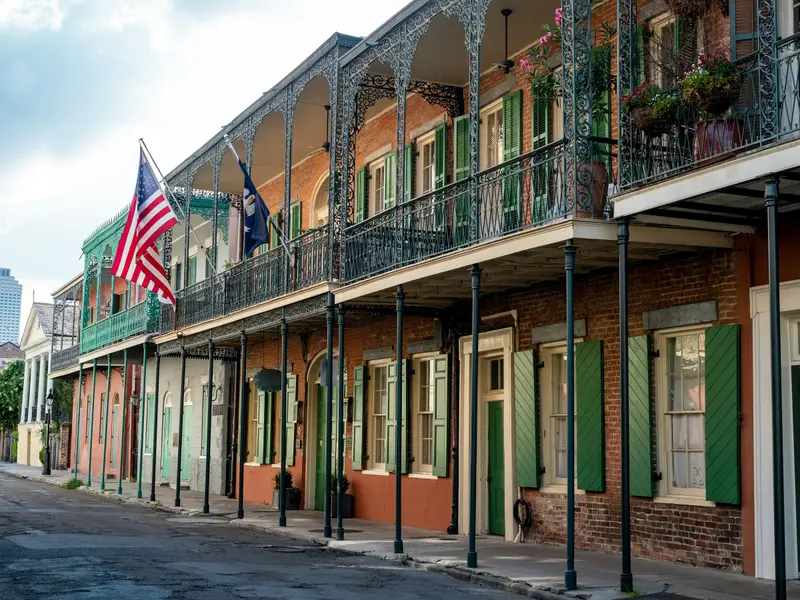
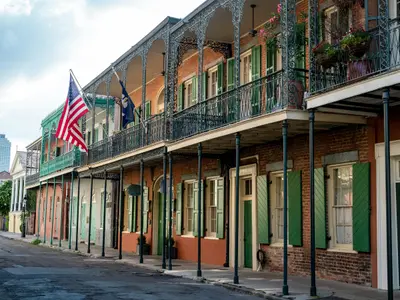
New Orleans is located in the state of Louisiana on the Mississippi River, approximately 170 kilometers upstream from the Gulf of Mexico. You go there for the live music, the Creole cuisine, and the buildings from French and Spanish colonial times.The city was founded in 1718 under Jean-Baptiste Le Moyne de Bienville. Its historic core is the French Quarter with Jackson Square. There you'll find the St. Louis Cathedral and the Cabildo, where the Louisiana Purchase was finally signed. Live music clubs are primarily found on Frenchmen Street in the neighboring Faubourg Marigny. The St. Charles Streetcar has been running since 1835 and is considered the world's oldest continuously operating streetcar line. It connects Canal Street via the Garden District to Carrollton.You land at Louis Armstrong New Orleans International Airport. Summers are hot, humid, and rainy; the driest month is October.
Sights in Louisiana
Discover the most important sights and attractions
Museum
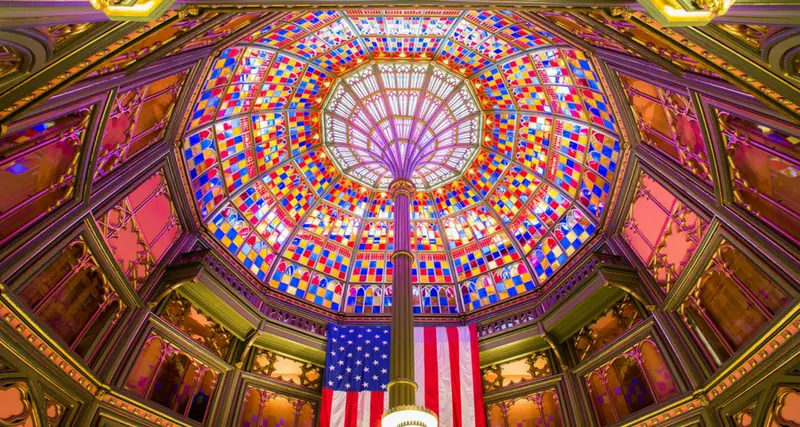
Louisiana's Old State Capitol
The Gothic Revival, castle-like State Capitol building from the mid-19th century stands high above the Mississippi in Baton Rouge. Today, it serves as a museum showcasing Louisiana's often turbulent political history, and admission is free.
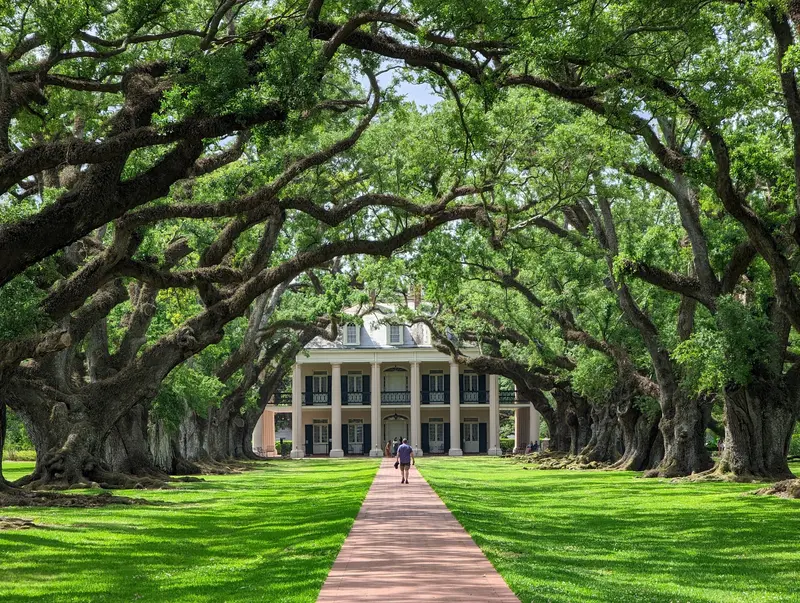
Former sugarcane plantation on the Mississippi, famous for its avenue of 28 ancient Virginia oaks leading to the mansion. Besides the house tour, an exhibition in reconstructed cabins tells the story of the enslaved people forced to work here.
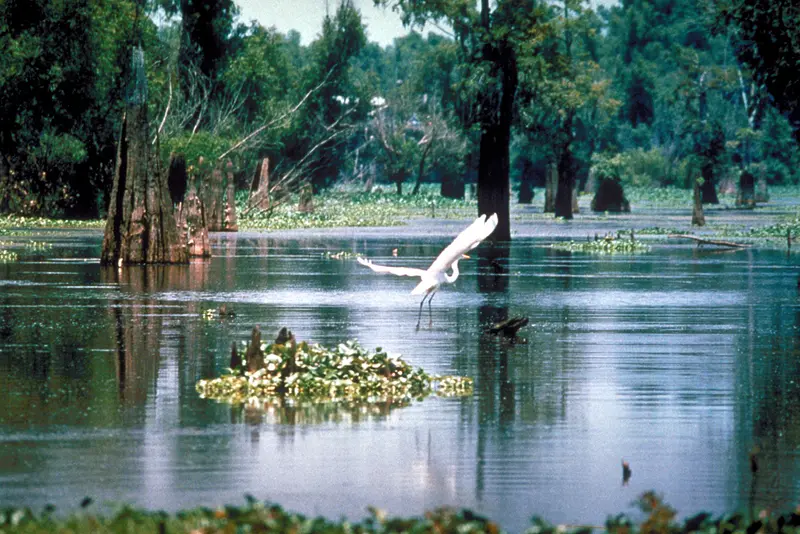
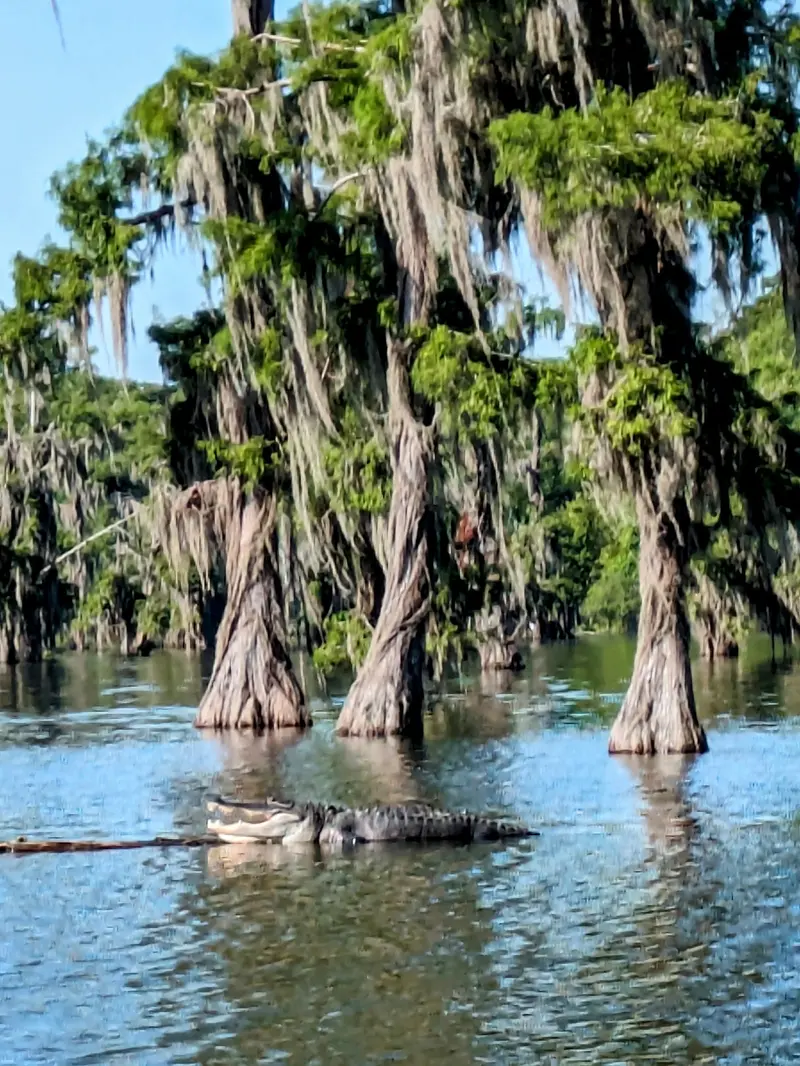
Cypress swamp lake near Breaux Bridge in Cajun Country, close to Lafayette. On Rookery Road, spot alligators and large breeding colonies of herons and spoonbills, ideally on a spring kayak or boat tour.
The main airport is Louis Armstrong New Orleans International Airport in Kenner; other airports are located in Baton Rouge, Shreveport, Alexandria, and Monroe. For the swamp areas and the towns of Acadiana, you'll need a rental car.Lafayette is approximately 95 km from Baton Rouge and about 217 km from New Orleans.Train: Amtrak connects New Orleans via Schriever, New Iberia, Lafayette, and Lake Charles to Texas and the Pacific Coast.Climate: Subtropical, with hot, humid summers and mild winters. Hurricanes mainly affect the state in summer.