Nashville is Tennessee's capital and the center of the country music world, about three hours east of Memphis by car. Come for a night of live music in a dozen bars with no cover, then spend the next one at the Grand Ole Opry or the Ryman Auditorium, where so much of the genre's history happened.NeighborhoodsLower Broadway (Downtown): The honky-tonks line Broadway from 1st to 5th Avenue, with bands playing from around 10 a.m. until 3 a.m. and no cover charge. The Ryman and the Country Music Hall of Fame are steps away. Friday and Saturday nights are the most crowded.The Gulch: On the southwest edge of downtown. Twenty years ago it was mostly parking lots; now it's apartment towers, restaurants and boutiques. For bluegrass, head to the Station Inn.East Nashville: Across the Cumberland River, less than a mile from downtown and walkable over the pedestrian bridge. Around Five Points you'll find small restaurants, record stores and bars that lean Americana and indie rather than honky-tonk.Germantown and Music Row: Germantown, just north of downtown, has some of the city's best-known restaurants, including Rolf and Daughters and City House. Music Row is home to record labels and historic RCA Studio B.
Sights in Nashville
Discover the most important sights and attractions
Museum
1Country Music Hall of Fame and Museum
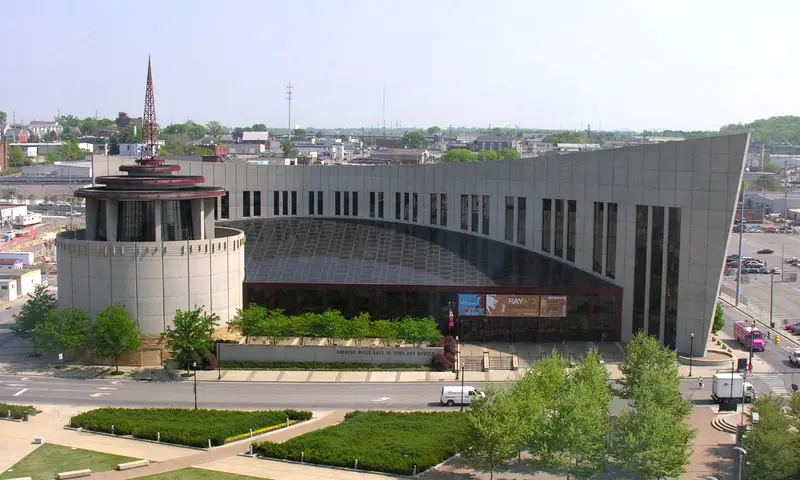
The big museum of country music history sits downtown, two blocks south of Broadway. From the air the building forms a bass clef, and the front windows look like piano keys. Highlights include Elvis Presley's 1960 gold Cadillac, Bill Monroe's mandolin and the rotunda with the inductees' plaques. Open daily 9 a.m. to 5 p.m.; admission is $31.95 for adults and $21.95 for ages 6 to 12. Give it at least two to three hours. Combo tickets add tours of RCA Studio B and Hatch Show Print, the letterpress poster shop founded in 1879.
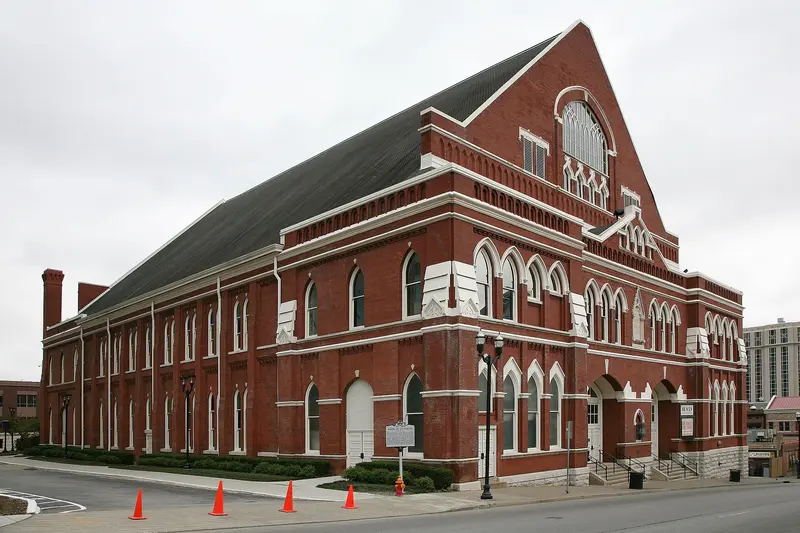
Built in 1892 as the Union Gospel Tabernacle, this brick hall was home to the Grand Ole Opry from 1943 to 1974, which is how it earned the name Mother Church of Country Music. Its acoustics are still among the best in town, and it books concerts in every genre. Daytime tours run 9 a.m. to 4 p.m.: self-guided for $25 (about an hour) or with a backstage portion for about $43. If you can only do one, go to a show instead of the tour; you'll sit in the original church pews.
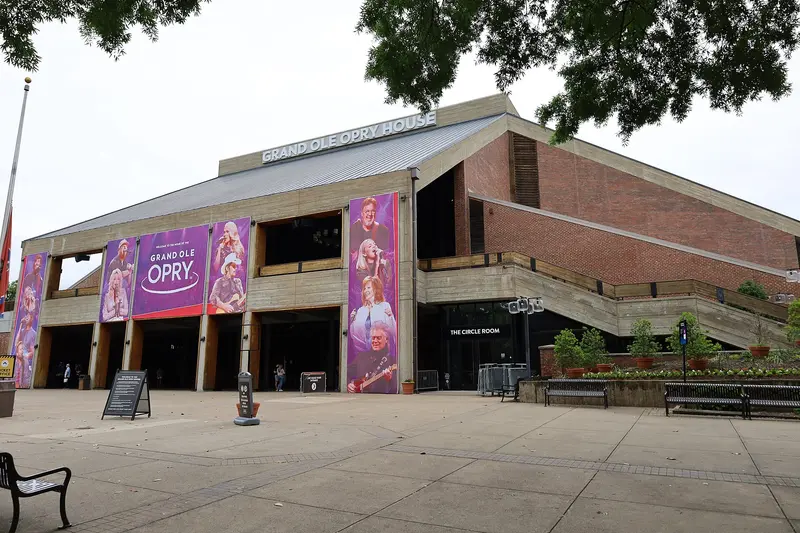
On the air since 1925, the Opry is the longest-running radio broadcast in U.S. history. Since 1974 it has come from the Opry House, about nine miles northeast of downtown next to Opry Mills. A typical night has eight to ten acts, from Hall of Famers to newcomers, each playing two or three songs. Shows usually run Tuesday, Friday and Saturday at 7 p.m., with tickets starting around $50 to $70. The daytime backstage tour is about $47. In January and February, some shows move back downtown to the Ryman (Opry at the Ryman).
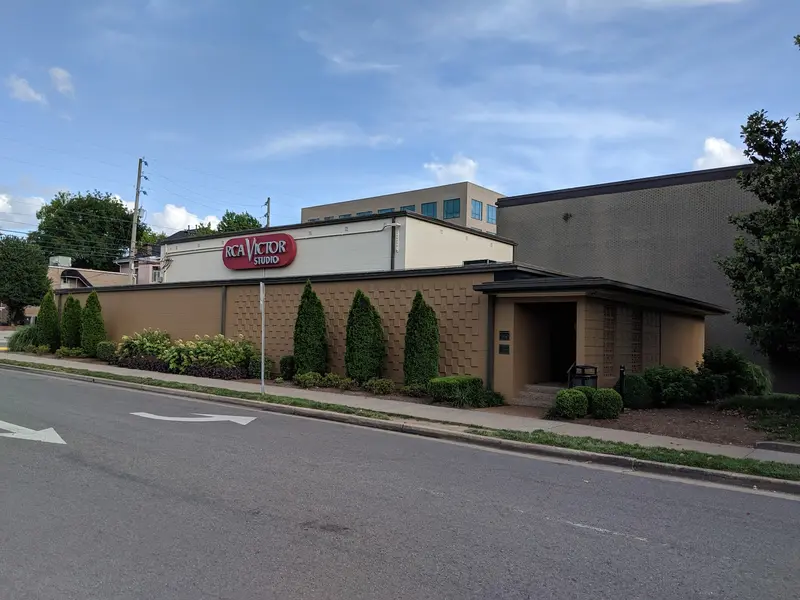
Nashville's oldest surviving recording studio sits on Music Row; Elvis Presley, Dolly Parton and Waylon Jennings all recorded here. You can't visit on your own. Tours are run by the Country Music Hall of Fame, sold as a $23 add-on or in a combo ticket, and leave by shuttle from the museum. Most worthwhile if you're into the 1960s Nashville Sound.
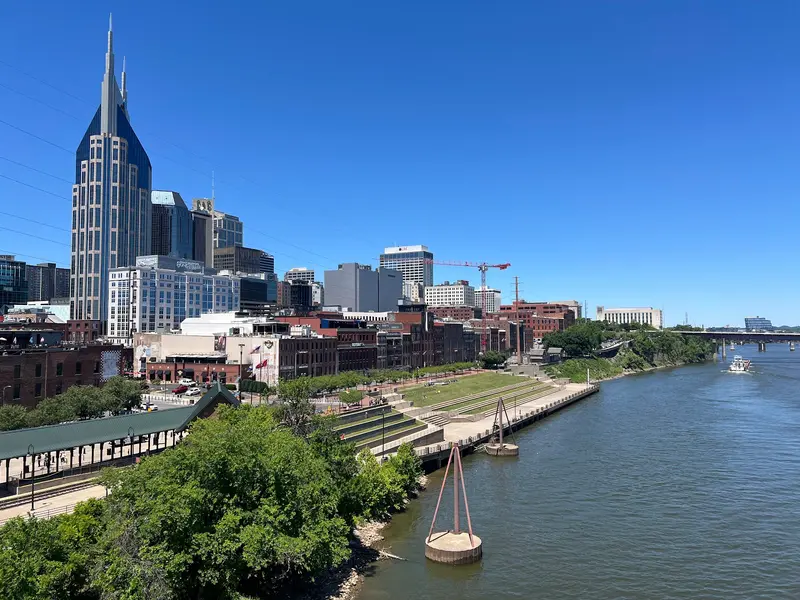
This old truss bridge over the Cumberland River is now for walkers and cyclists only, linking downtown (at 3rd Avenue South) with East Nashville and the stadium. The middle of the span has the best skyline view, especially at sunset. Free and open around the clock, and an easy way to walk to Five Points (about 25 minutes).
The Prince family is credited with inventing Nashville hot chicken, a recipe that goes back to Thornton Prince in the 1930s. The flagship on Nolensville Pike is about 20 minutes south of downtown by car. You order at the counter and wait, often half an hour or more. Heat levels run from plain to XXX hot, and medium is plenty for most people. If you'd rather not drive out, Prince's also has a counter in Assembly Food Hall on Broadway, where the line is usually shorter.
Set in an old factory building in Germantown, just north of downtown. The cooking is seasonal and Italian-leaning, and the house-made pasta is what people come for; Time Out calls it the must-order. Recommended in the 2025 Michelin Guide. Book ahead for dinner, though bar seats sometimes open up for walk-ins.
The best-known hot chicken spot in town, recommended in the 2025 Michelin Guide. The Midtown location on 19th Avenue South is near Vanderbilt and Music Row, about 10 minutes from downtown by car. Heat levels run from Southern (no heat) to Shut the Cluck Up, with sides like mac and cheese and pimento mac. Expect a wait of 30 minutes or more at lunch and on weekends; weekday mid-afternoons move faster.
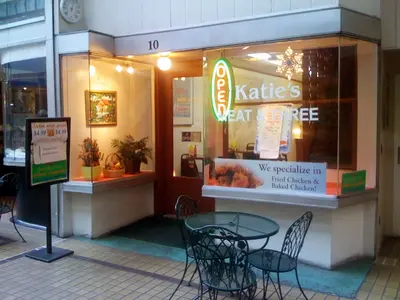
This meat-and-three on 8th Avenue South, between downtown and the Gulch, is a Nashville institution. Get in the cafeteria line, pick a meat (roast beef, fried chicken, meatloaf or country ham depending on the day) and three sides, then add sweet tea and pie. Lunch only. It won a James Beard America's Classics award in 2009 and is recommended in the 2025 Michelin Guide. Get there soon after opening; by noon the line often runs out the door.
In 2025 the Michelin Guide covered the American South for the first time. Nashville came away with three starred restaurants (Bastion, The Catbird Seat and Locust) and several Bib Gourmands.
Hot Chicken
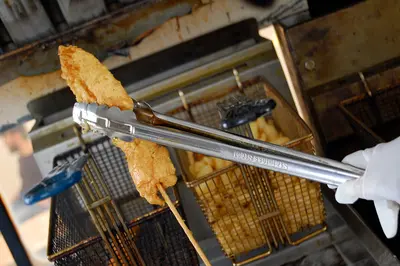
The city's signature dish: fried chicken coated in a cayenne paste. The original is Prince's Hot Chicken (the flagship is in South Nashville, with an outpost in Assembly Food Hall on Broadway). The best known is Hattie B's, recommended by Michelin. The free Music City Hot Chicken Festival happens every Fourth of July.
Meat and Three
One meat, three sides, cornbread and sweet tea. Arnold's Country Kitchen on 8th Avenue South is the classic: cafeteria line, lunch only, a 2009 James Beard America's Classics winner and now recommended by Michelin. Go early; the line often runs out the door at noon.
Goo Goo Cluster
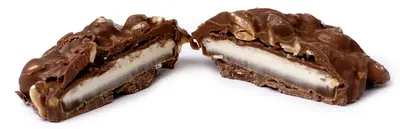
Nashville has made this round candy of marshmallow, nougat, caramel and roasted peanuts in milk chocolate since 1912, and its maker sponsored the Grand Ole Opry for decades. You'll find it in just about every gift shop.
Music and History
On November 28, 1925, WSM radio aired the first broadcast of the show that became the Grand Ole Opry. From 1943 to 1974 it came from the Ryman Auditorium, built in 1892 as the Union Gospel Tabernacle and known ever since as the Mother Church of Country Music. On March 16, 1974, the Opry moved to its current home about nine miles northeast of downtown, where a circle of the Ryman's old stage boards is set into the floor.Much of what keeps Music City going is its songwriters. At places like the Bluebird Cafe, three or four of them sit in a circle for a writers' round and trade songs, often ones other artists made famous.Beyond country, Nashville has a strong bluegrass, Americana and rock scene, especially in East Nashville and at clubs like The Basement.
If you want traditional country and Western swing instead of covers of radio hits, this is the honky-tonk on Lower Broadway (416 Broadway). No cover, live bands all day, and Frommer's recommends it as your first stop. The Recession Special, about $6, is a fried bologna sandwich, chips and a PBR. When the line out front is long, try the back entrance off the alley.
Nashville's bluegrass club on 12th Avenue South in the Gulch is a low, plain building surrounded by new apartment towers, with wood paneling and simple tables inside. There's music seven nights a week, and Alison Krauss and Ricky Skaggs have both played here. The club doesn't take reservations, so get there 30 minutes early for well-known acts. The calendar is on stationinn.com.
This roughly 90-seat room in a Hillsboro Pike strip mall in Green Hills, about 15 minutes southwest of downtown, is famous for its writers' rounds: songwriters sit in a circle in the middle of the room and trade songs. Taylor Swift and Garth Brooks both played early gigs here. Buy tickets only through the Bluebird's website (via TicketWeb); the club says tickets from resale sites like StubHub won't be honored. On Mondays there's also a 12:30 p.m. lunchtime show at 3rd & Lindsley.
From the airport: WeGo Route 18 runs from BNA to WeGo Central downtown for $2. Express trips take about 20 minutes, local ones 35 to 45. Pay contactless or with exact change.On foot: Lower Broadway, the Ryman, the Hall of Fame and the pedestrian bridge to East Nashville are all within walking distance. The Gulch is about a 15-minute walk.Grand Ole Opry: The Opry House is about nine miles northeast of downtown, next to Opry Mills mall. Without a car, Uber or Lyft is easiest. Expect long pickup lines after the show.Driving: Downtown parking is expensive, especially on event nights and during Titans games, and many hotels charge separately for valet.