Karijini NP
Karijini National Park is a dramatic masterpiece of nature, where millennia-old gorges, cascading waterfalls, and…
Karijini National Park is a dramatic masterpiece of nature, where millennia-old gorges, cascading waterfalls, and crystal-clear rock pools form an unparalleled wilderness landscape. Here, you will immerse yourself in a realm of vibrant red rocks, deep blue skies, and refreshing oases that will captivate you with its raw beauty and spirit of adventure. Prepare for breathtaking hikes, refreshing swims, and unforgettable encounters with pristine Australian nature.
Sights
Discover the most important sights and attractions
Hancock Gorge (The Spiderman Walk)
Immerse yourself in the heart of Karijini at Hancock Gorge, one of the park's most iconic ravines that takes you on an unforgettable journey. Here, you'll clamber over rock faces and wade through narrow passages, culminating in the famous 'Spiderman Walk.' This section requires navigating wet, slippery rocks in a crouched position before reaching the mesmerising Kermits Pool. The dramatic, multi-coloured rock layers tell tales of millions of years of geological history and provide a breathtaking backdrop for this unique adventure. It is a challenging but incredibly rewarding experience that allows you to encounter the raw beauty of the park firsthand.
Fortescue Falls & Fern Pool
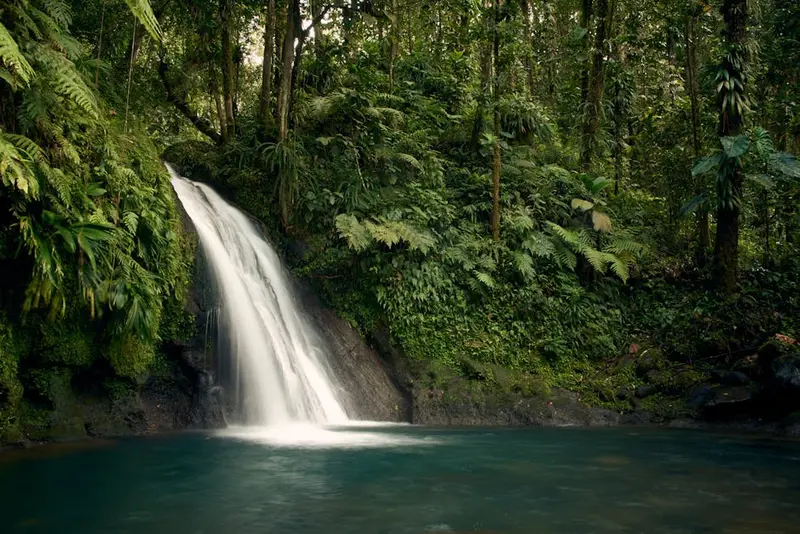
Fortescue Falls is a majestic waterfall that cascades year-round over dolomite rock terraces into the idyllic Fortescue River Pool – a welcome oasis of refreshment. From here, it's just a short walk to the even more tranquil Fern Pool, a true spiritual and cultural site for the Indigenous people. Surrounded by lush vegetation and shady trees, Fern Pool offers an incredibly peaceful atmosphere, perfect for swimming and relaxation. The gentle eddies and crystal-clear water make this place a paradise after a hike in the Outback heat.
Oxer Lookout (Confluence of Four Gorges)
For one of the most breathtaking panoramic views in Karijini National Park, head to Oxer Lookout. Here, you stand at the confluence of four mighty gorges – Weano, Red, Hancock, and Joffre Gorge. The sight of the deep red rock walls plunging hundreds of metres into the depths and converging at the bottom into a narrow ribbon of green and water is absolutely spectacular. It is a place that powerfully reveals the immense dimensions and raw, untamed beauty of the park, making it a must-see for any visitor wishing to grasp the sheer scale of this natural wonder.
Kalamina Gorge
Kalamina Gorge is one of the more accessible and often underestimated gorges in Karijini National Park, offering a gentler introduction to the park's wonders. The trail leads you along a sandy creek bed, lined with lush vegetation, to a beautiful, permanent waterhole perfect for swimming. The towering, vibrant red rock walls reflect the sunlight, creating a peaceful, almost mystical atmosphere. Here, you can enjoy the tranquility, observe birds, and admire the subtle details of the geological strata while refreshing yourself in the cool water. It's a perfect spot for a relaxed hike and a picnic.
Restaurants & Cafés
Kultur & Geschichte
Die Geschichte des Karijini Nationalparks reicht weit über die Ankunft europäischer Siedler hinaus. Du betrittst hier ein Land, dessen kulturelles Erbe tief in den Schluchten und Plateaus verwurzelt ist, geformt von Jahrtausenden indigener Präsenz und Geschichten.
Die indigenen Wurzeln des Karijini
Der Karijini Nationalpark ist das traditionelle Land der Banyjima, Kurrama und Innawonga Völker, die seit mindestens 40.000 Jahren in dieser Region leben. Ihre tiefe spirituelle Verbindung zum Land ist bis heute spürbar und prägt viele der natürlichen Formationen, die du heute besuchst.
- Die Schluchten und Wasserlöcher des Parks sind nicht nur geologische Wunder, sondern auch heilige Stätten und bedeutende Orte in den Dreamtime-Geschichten, die die Schöpfung der Landschaft erklären.
- Traditionelle Lebensweisen umfassten die Nutzung der reichhaltigen Ressourcen des Landes, von Buschnahrung und Medizin bis hin zu Werkzeugen und Schutz vor den extremen Klimabedingungen.
- Du findest hier keine materiellen Ruinen im europäischen Sinne, jedoch ist das Land selbst ein lebendiges Archiv ihrer Kultur, überliefert durch Geschichten, Lieder und Felszeichnungen, auch wenn letztere im Park selbst oft nicht öffentlich zugänglich sind, um ihre Integrität zu schützen.
Europäische Ankunft und die Ära des Bergbaus
Die europäische Erkundung der Region begann im 19. Jahrhundert, mit bedeutenden Expeditionen, die die geografischen Merkmale dokumentierten. Die wahre Transformation des Gebiets erfolgte jedoch mit der Entdeckung der riesigen Eisenerzvorkommen.
- Um das Jahr 1861 erreichte der Entdecker Francis Thomas Gregory die Region, als er nach Weideland suchte.
- Die Entdeckung großer Eisenerzvorkommen in der Pilbara-Region, zu der Karijini gehört, führte ab Mitte des 20. Jahrhunderts zu einem massiven Bergbauboom.
- Der Nationalpark selbst wurde erst 1969 als Hammersley Range National Park gegründet und später in Karijini umbenannt, um seine indigenen Wurzeln zu ehren. Die Gründung zielte darauf ab, die einzigartige Naturlandschaft vor den Auswirkungen des expandierenden Bergbaus zu schützen, der bis heute eine dominante Industrie in der umliegenden Region ist.
Accommodations in Karijini NP
Find perfect stay in Karijini NP