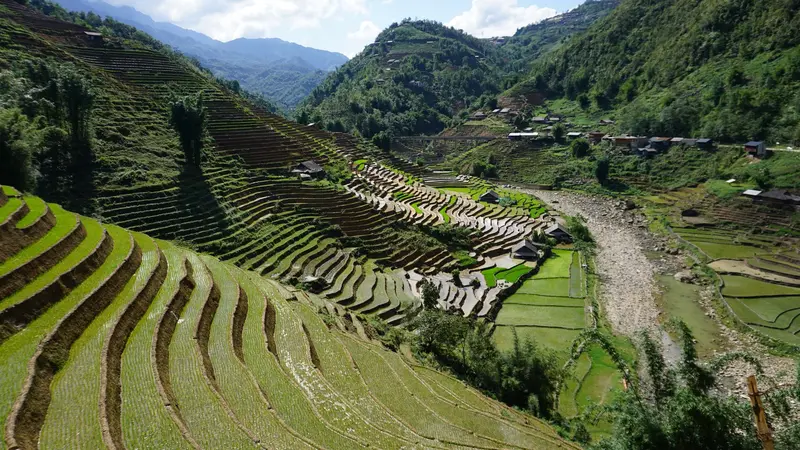
Sa Pa is a mountain town in Vietnam's far northwest, approximately 250 kilometers from Hanoi and 20 kilometers from the Chinese border. You travel there to hike through the rice terraces of the Mường Hoa Valley, visit Hmong and Dao villages, and take the cable car up Fansipan, Indochina's highest mountain.
The town is situated in the Hoàng Liên Sơn mountain range at an average elevation of about 1,600 meters, with a climate significantly cooler than the lowlands. The French developed the area into a hill station from 1909 onwards; almost 300 summer villas were built after the opening of the Hanoi–Lào Cai railway in 1920. The stone church in the center dates from this period.
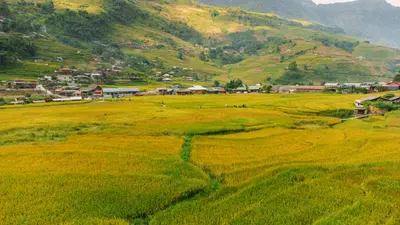
The majority of the population belongs to ethnic minorities, primarily Hmong and Dao, alongside Tày and Giáy. The town itself is heavily tourist-oriented; it becomes quieter in the villages in the valley. The best time to visit is September to November, when the terraces are golden-yellow, as well as March to May.
Sights in Sa Pa
Discover the most important sights and attractions
Attraction
1Ô-Quy-Hồ Pass
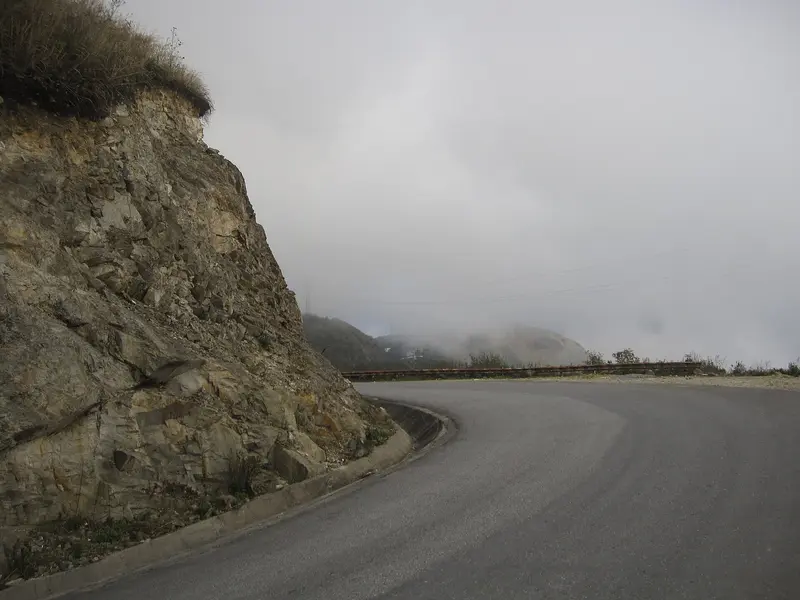
The approximately 50 km long pass, also known as Hoàng-Liên Pass, connects Lào Cai and Lai Châu provinces and reaches over 2,000 meters. From the viewpoint on National Road 4D, you can see across the mountain ranges of the Hoàng Liên Sơn Mountains.
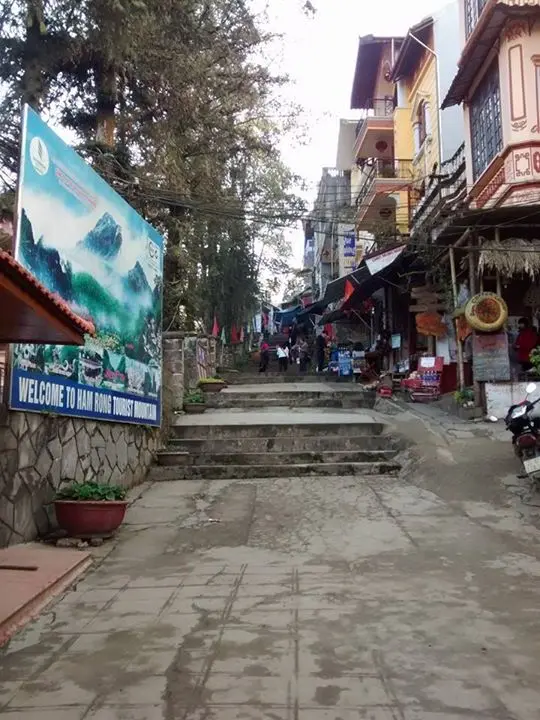
The Black Hmong village lies about one kilometer below the center; a 20 to 30-minute walk will get you there. A circular path leads past wooden houses, weaving workshops, and a waterfall. The village is set up for tourism and suitable for a visit without a guide.
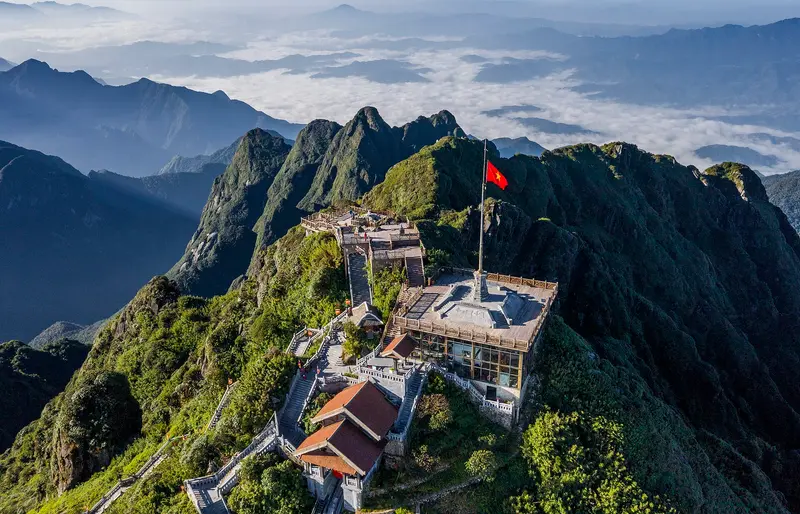
At 3,147 meters, Fansipan is Indochina's highest peak. The 6.3-km cable car, opened in 2016, climbs 1,410m and takes you in about 15 minutes almost to the summit, where a pagoda complex stands. From Sa Pa center, a funicular has run to the valley station since 2018.
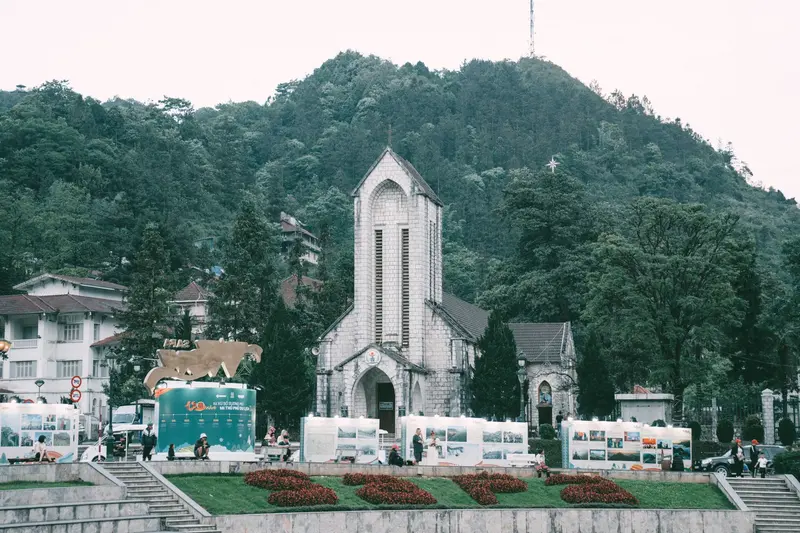
The local mountain looms behind the central Stone Church. On the ascent, you'll pass flower and fruit gardens. From the 1,800m San Mây summit, you'll overlook Sa Pa and the valley.
Built in 1895 under French rule, the church is considered Sa Pa's oldest French building and stands right in the center. The stone structure with its bell tower and pointed arches shapes the square in front of it, where cultural events regularly take place.
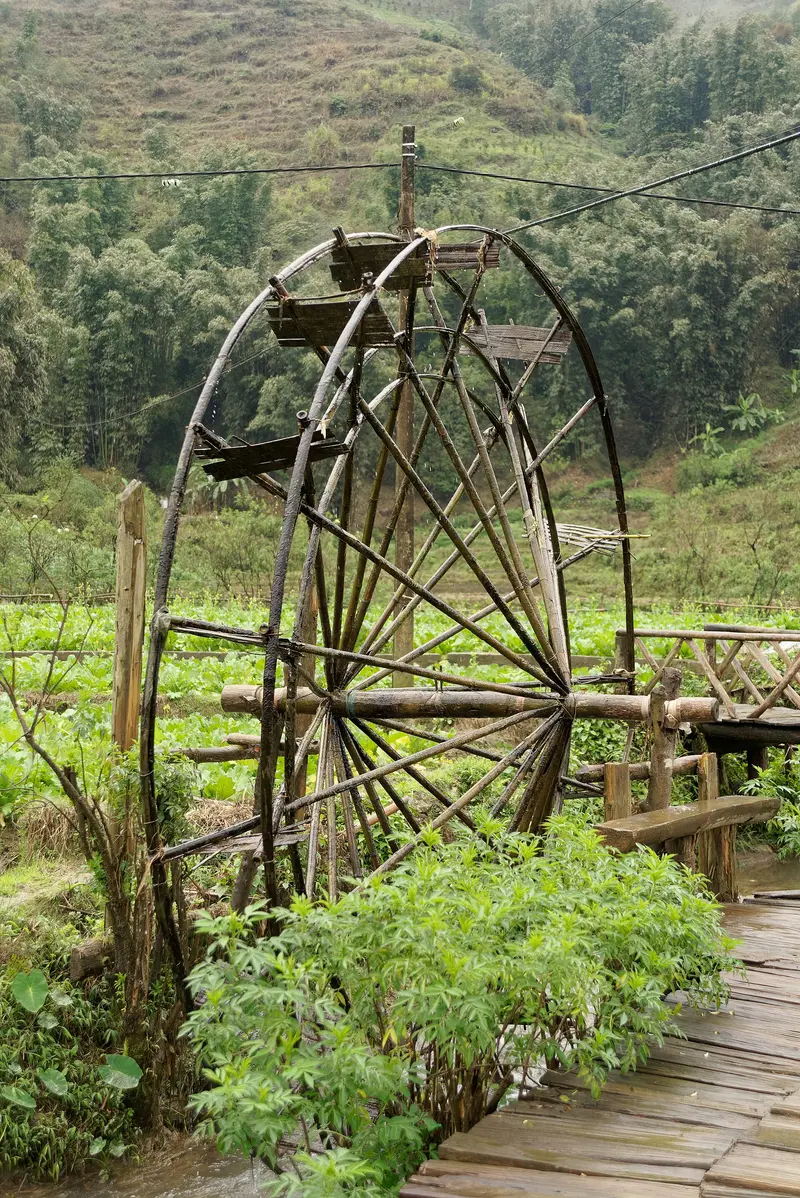
About half of the inhabitants are Hmong and a quarter Dao, with smaller Tày and Giáy communities. The Kinh, Vietnam's majority population, live mainly in the town centre.In valley villages such as Tả Van, Hmong, Giáy and Red Dao live side by side. Many families offer homestays, giving you an insight into everyday life between rice fields and bamboo forests.
Getting In and Around
Bus: Limousine vans take around 5.5 to 6 hours from Hanoi, while sleeper buses take 6 to 7 hours.Night Train: Trains from Hanoi to Lào Cai depart late in the evening and arrive early in the morning after approximately 8 hours. From Lào Cai, a bus or taxi takes about an hour to cover the roughly 35 kilometres up to Sa Pa.Locally: The town centre and Cát Cát are reachable on foot. For treks through the Mường Hoa Valley, many travellers hire a local guide. From Sun Plaza in the centre, a funicular runs to the base station of the Fansipan Cable Car. If you plan to ride a motorbike through the mountains, check the UK FCDO Travel Advice (gov.uk/foreign-travel-advice) first.