Fernweh: Home
    ExploreTravel GuidesPlan a tripMy tripLast visited
    de|en
    All Places & RegionsAll highlightsAbout FernwehFAQPrivacy PolicyImprint
    ExploreTravel GuidesPlan a tripMy tripLast visited
    • Neighborhoods & highlights
    • Recommendations
    • Walking tours
    • Eat & drink
    • Culture
    • Getting around
    • Accommodation
    • Plan trip
    • Nearby
    Hanoi

    Vietnam

    Hanoi

    City

    Hanoi is the capital of Vietnam and the political and cultural center of the North, situated on the Red River.

    by Felix Gillen

    1. Home
    2. Destinations
    3. Vietnam
    4. Northern Vietnam
    5. Hanoi
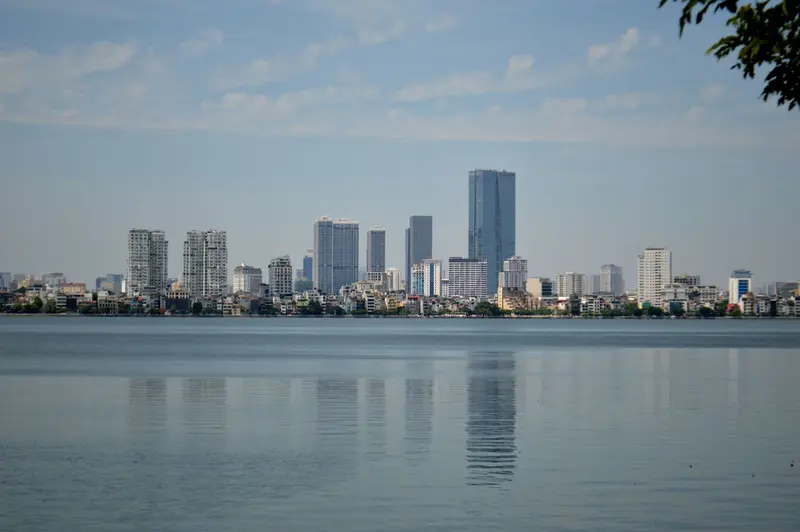
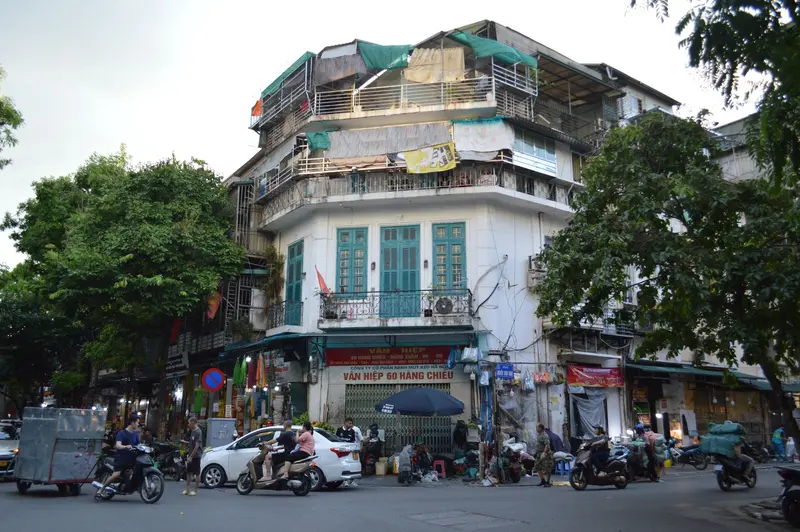
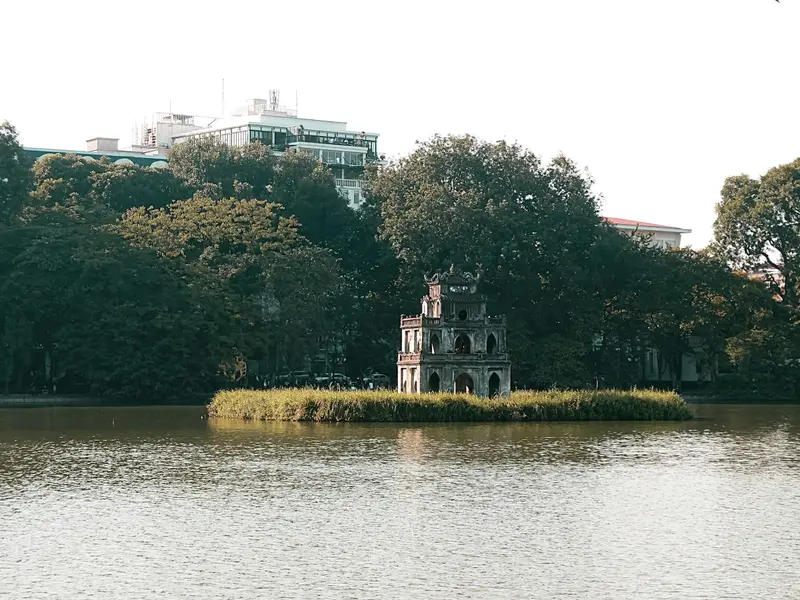
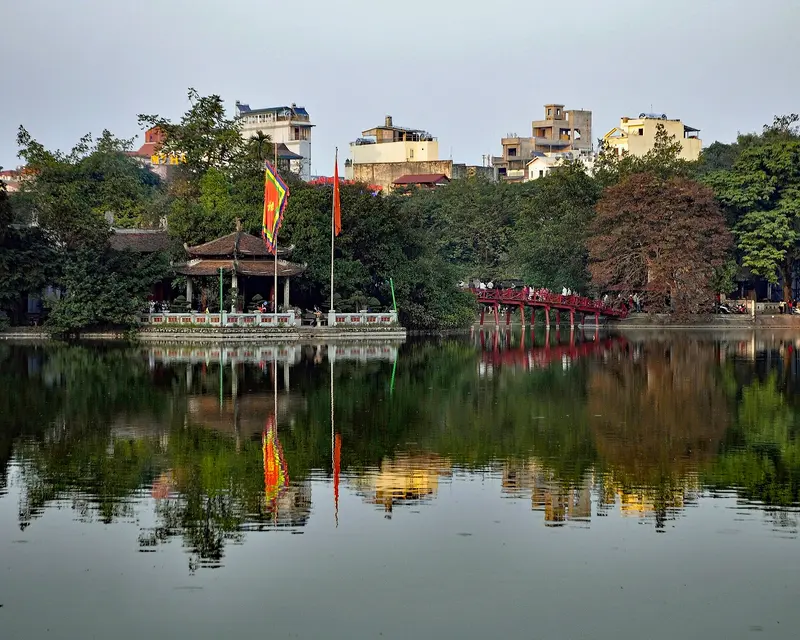
    Hanoi is the capital of Vietnam and the political and cultural center of the North, situated on the Red River. Visitors come for its over a thousand-year history, the vibrant Old Quarter around Hoàn Kiếm Lake, and the street food stalls, which are among the best in the country. In 1010, Lý Thái Tổ, the first ruler of the Lý Dynasty, made the place his capital and named it Thăng Long, "Ascending Dragon." The city has borne the name Hà Nội since 1831. From 1902, it served as the capital of French Indochina, and since 1976, it has been the capital of reunified Vietnam. Buildings from all these eras are preserved, ranging from Confucian temples to colonial villas. Key Neighborhoods Old Quarter: The dense maze of alleys north of the lake has largely preserved its historic street layout. Many streets still bear the names of the goods once traded there, such as Hàng Bạc, named after the silver shops. Most budget accommodations and street food stalls are located here. Hoàn Kiếm Lake: The lake is the heart of the city. Via the red Thê Húc Bridge, you reach Ngọc Sơn Temple on a small island; on another stands the Turtle Tower. French Quarter: South of the lake, wide avenues, colonial villas, embassies, and ministries define the area. Here you'll find the Opera House, the Hotel Metropole, and the National Museum of Vietnamese History. Ba Đình: To the west lie most of the governmental and imperial sites: the Hồ Chí Minh Mausoleum, the One Pillar Pagoda, and the Imperial Citadel of Thăng Long, a UNESCO World Heritage site since 2010. West Lake (Tây Hồ): The city's largest lake boasts approximately 17 kilometers of shoreline. On a small island near its southeastern shore stands the Trấn Quốc Pagoda, Hanoi's oldest pagoda. This district is quieter, featuring cafés, villas, and many foreign residents.
    Ba Dinh

    District 1 of 3

    Ba Dinh

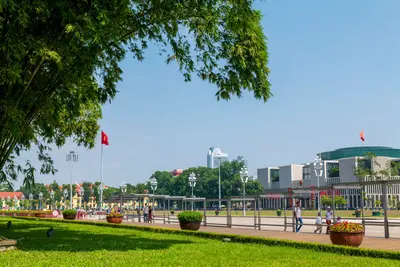
    Ba Đình, west of the Old Quarter, is Hanoi's political center and the district with the most imperial and revolutionary sites.

    Discover
    West Lake (Tây Hồ)

    District 2 of 3

    West Lake (Tây Hồ)

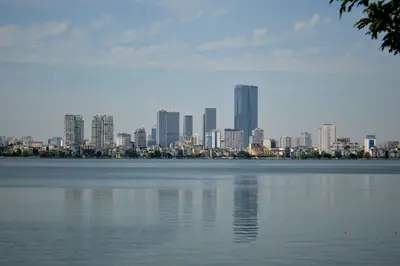
    The Tây Hồ district is located around West Lake, one of Vietnam's largest natural lakes, with approximately 17 kilometers of shoreline.

    Discover
    Old Town (Phố cổ)

    District 3 of 3

    Old Town (Phố cổ)

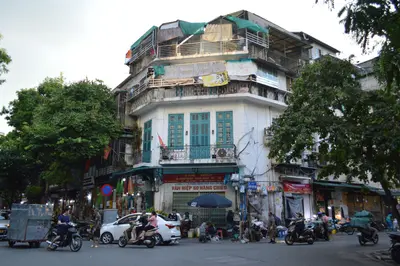
    Hanoi's Old Quarter is the dense maze of alleyways north of Hoàn Kiếm Lake, and the district where most travellers stay.

    Discover

    Sights in Hanoi

    Discover the most important sights and attractions

    Hoan Kiem Lake
    Natural Feature

    1Hoan Kiem Lake

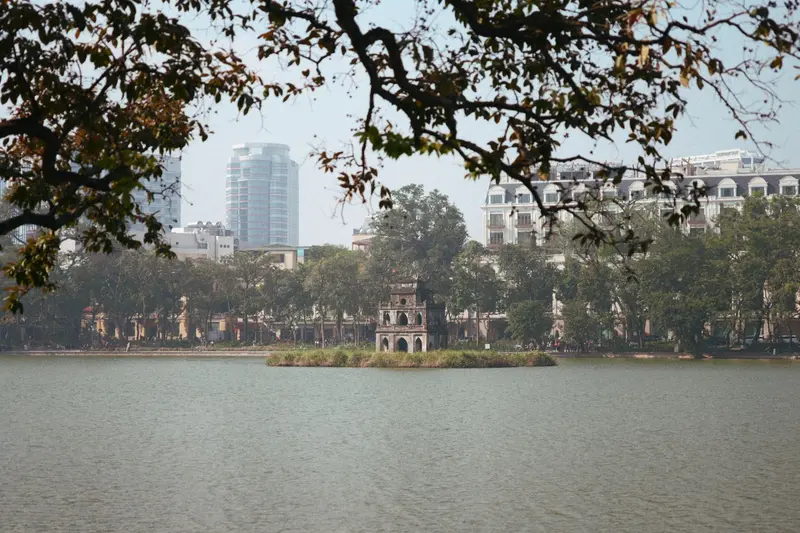
    The lake in the heart of Hanoi is named after a legend: Emperor Lê Lợi is said to have returned his magical sword to a golden turtle here after his victory over the Ming Chinese. Hoàn Kiếm means 'Returned Sword'. On a small island near the center of the lake stands the Turtle Tower, commemorating this story.
    Open in Google Maps
    Ngọc Son Temple
    Place of Worship

    2Ngọc Son Temple

    The 18th-century temple stands on Jade Island on the northern shore of Hoàn Kiếm Lake and is accessible via the red-painted wooden Thê Húc Bridge. Worshipped here are the commander Trần Hưng Đạo, the scholar god Văn Xương, and Nguyễn Văn Siêu, who had the temple restored in 1864.
    Open in Google Maps
    Hồ Chí Minh Mausoleum
    Historic Landmark

    3Hồ Chí Minh Mausoleum

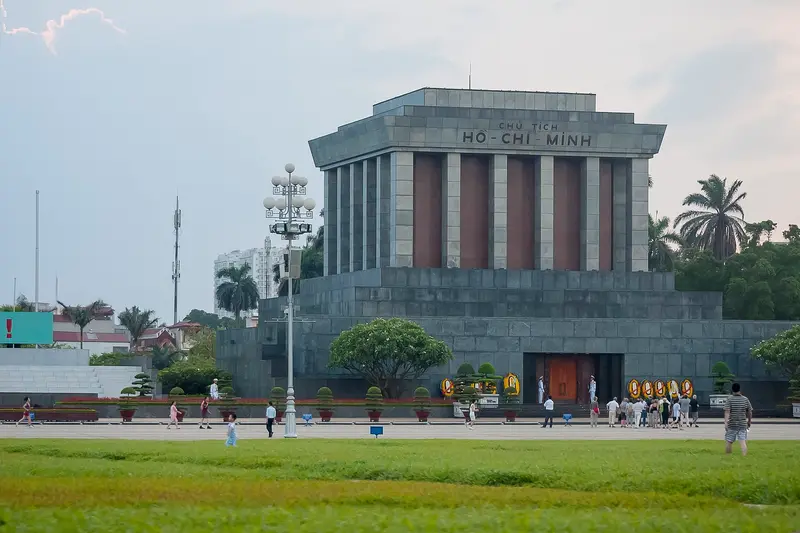
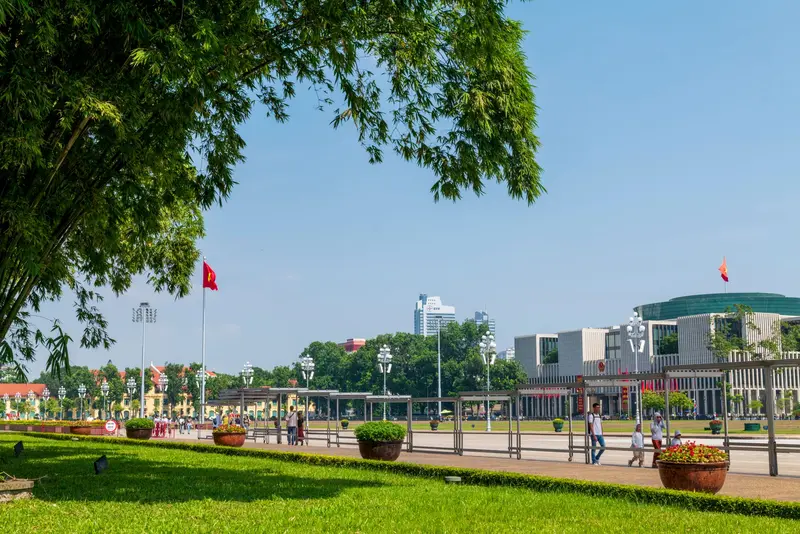
    Inaugurated in 1975, the Mausoleum stands on Ba Dinh Square, where Ho Chi Minh declared independence on September 2, 1945. Admission is free; it is open only in the mornings and not every day of the week, closing once a year for maintenance. Shoulder and knee-covering clothing and silence are expected; photography is prohibited inside.
    Open in Google Maps
    Literary Temple (Văn Miếu Quốc Tử Giám)
    Historic Landmark

    4Literary Temple (Văn Miếu Quốc Tử Giám)

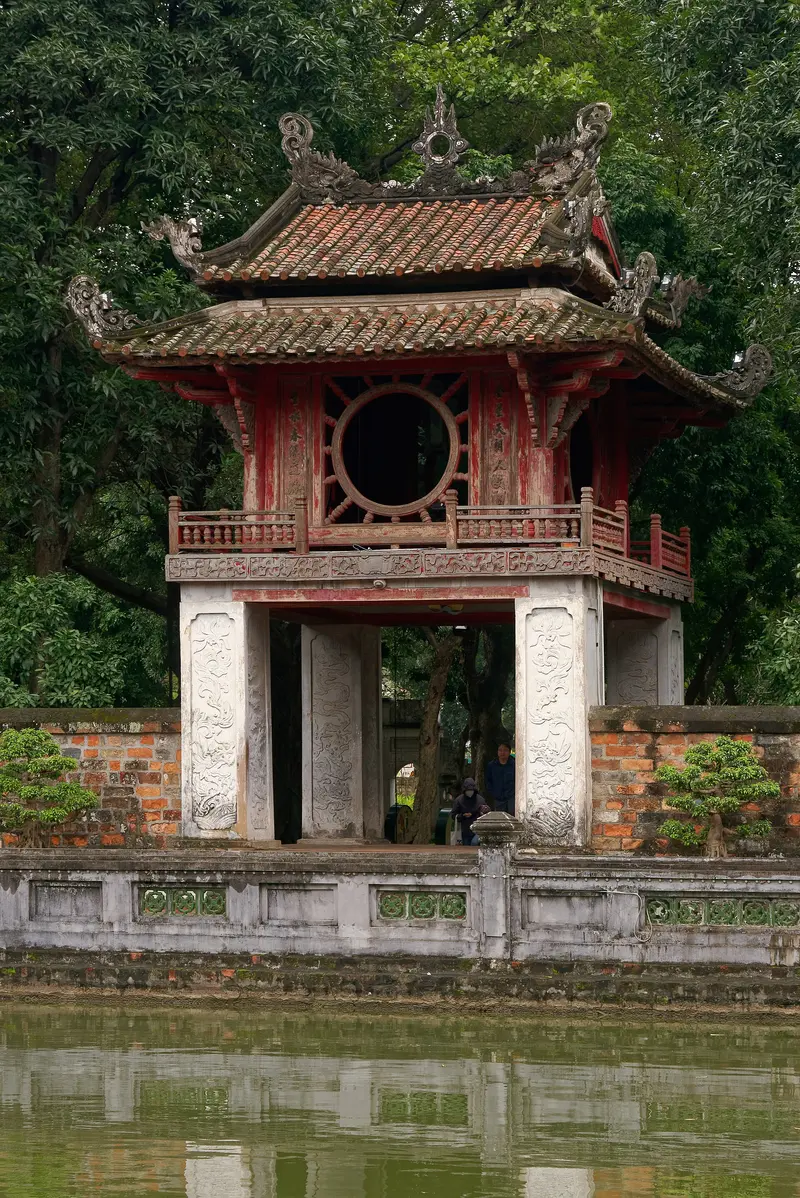
    Emperor Lý Thánh Tông founded this temple dedicated to Confucius in 1070. In 1076, the Imperial Academy, the first university, was added. Through five courtyards, you reach 82 stone doctor stelae on tortoise pedestals, listing graduates of imperial exams from 1442 to 1779. The stelae belong to UNESCO's Memory of the World Register since 2011.
    Open in Google Maps
    The Hỏa-Lò Prison
    Museum

    5The Hỏa-Lò Prison

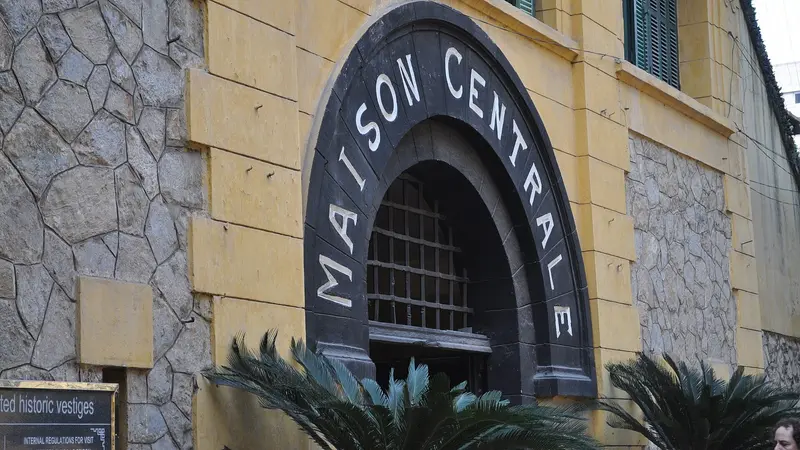
    The French built the prison between 1896 and 1901 as the Maison Centrale for Vietnamese political prisoners. During the Vietnam War, US POWs were held here, mockingly calling it the "Hanoi Hilton." Only the gatehouse remains, now a museum with an exhibition primarily dedicated to the colonial period.
    Open in Google Maps
    Imperial Citadel Thăng Long

    6Imperial Citadel Thăng Long

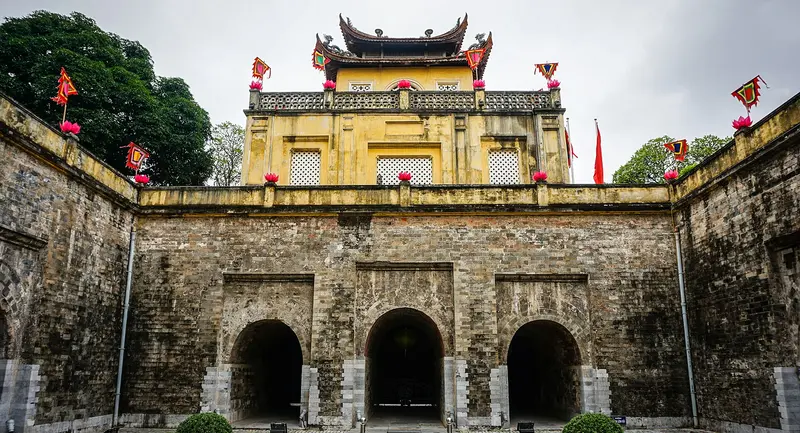
    The 11th-century citadel, built under the Lý Dynasty, served as the region's power center for nearly 13 centuries, its central area a UNESCO World Heritage site since 2010. See the stone Đoan Môn Gate, the Kính Thiên Palace foundations with dragon stairs, the 1812 Flag Tower, and Bunker D67 from the Vietnam War. Opposite, 18 Hoàng Diệu reveals foundations of several dynasties.
    Open in Google Maps

    City walks in Hanoi

    Curated walking tours through the city's highlights, handpicked by experienced travel journalists.

    Through the Old Town to Hoan Kiem Lake

    The approximately 2.5-kilometer walk leads from Đồng Xuân Market in the north, through the alleys of the Old Quarter, to Hoàn Kiếm Lake, and continues to Hỏa Lò Prison. Plan half a day, including temple and museum visits.

    Open in Google Maps
    Stops (4)

    Restaurants in Hanoi

    1

    Bún chả Hương Liên

    Simple eatery for Bún chả, the Hanoi dish featuring grilled pork, rice noodles, herbs and dipping broth. It became famous when US President Barack Obama ate here in 2016 with chef Anthony Bourdain.
    Show on Google Maps
    2

    Traditional Pho Bat Dan

    Traditional pho kitchen in the Old Quarter, serving only beef pho, such as with rare and well-done beef or with brisket. You order, pay, and collect your bowl yourself at the counter; queues often form in the mornings. Open only for breakfast and early evening.
    Show on Google Maps

    History and Culture

    From 1010, Hanoi, then known as Thăng Long, was the seat of the Lý Dynasty. The 1070 Temple of Literature and the Imperial Academy, established in 1076 as the nation's first university, reflect the Confucian scholarly tradition.The colonial era brought the French Quarter and the Opera House, where August Revolution rallies were held in August 1945. On September 2, 1945, Hồ Chí Minh proclaimed the Declaration of Independence in what is now Ba Đình Square.

    Getting There & Around

    Airport: Nội Bài International Airport is located approximately 35 kilometres northeast of the city centre. The orange bus line 86 connects both terminals with the Old Quarter and the main train station; taxis wait outside the arrival halls.Train: From Hanoi Station, Vietnam Railways trains depart, including the Reunification Express to Ho Chi Minh City and the route to Lào Cai towards Sa Pa.Getting Around: The Old Quarter and the French Quarter are best explored on foot. For longer distances, there are taxis, ride-hailing apps and buses, plus two metro lines (2A since 2021, 3 since 2024). Traffic is dominated by motorbikes; when crossing the street, walk slowly and steadily. For road safety information, see the UK FCDO Travel Advice (gov.uk/foreign-travel-advice).
    Accommodations in Hanoi

    Find perfect stay in Hanoi

    Booking.com* (Affiliate link)
    Search Hotels
    Agoda* (Affiliate link)
    Search Hotels
    Airbnb
    Vacation Rentals

    * Affiliate link: if you book through it, we earn a small commission. The price stays the same for you.

    Plan your trip to Hanoi

    Save places, build a route and plan your city trip, all in one place.

    1. 1
      Sunrise over alpine peaks and a sea of clouds
      1234

      Round trip

      12 days · 4 stops

      Saved

      Pick a route

      Pick a ready-made one or save places and plan your own.

      Open bookmarks
    2. 2

      Trip to Hanoi

      Live
      • 1Hoan Kiem Lake3 days
      • 2Ngọc Son Temple4 days
      • 3Hồ Chí Minh Mausoleum5 days
      Budget

      Plan your trip

      The planner sorts stops, days and budget. Plan together in real time.

      Start trip planning
    3. 3
      9:41 No signal
      Hanoi
      Available offline

      Use it on the road

      Download the guide to your phone and use it on site, even offline.

    Nearby

    Old Town (Phố cổ)

    Old Town (Phố cổ)

    Hanoi's Old Quarter is the dense maze of alleyways north of Hoàn Kiếm Lake, and the district where most travellers stay. Here, affordable accommodations, street food stalls, and cafés are tightly packed, and the street network has largely been preserved as it evolved over centuries.Locally, the district is known as "36 Gassen" (36 Streets), named after the guilds that once worked here. Many street names begin with "Hàng" (meaning 'goods') and still reveal what was traded there, such as Hàng Bạc after the silversmiths. Most of the narrow shop-houses with sloping tiled roofs date from the 18th and 19th centuries.In the north of the district lies Đồng Xuân Market, dating from the French colonial era, and hidden among the houses is the Bạch Mã Temple. The best way to explore the Old Quarter is on foot.
    Ba Dinh

    Ba Dinh

    Ba Đình, west of the Old Quarter, is Hanoi's political center and the district with the most imperial and revolutionary sites. It is home to the Ho Chi Minh Mausoleum, the One Pillar Pagoda, and the Imperial Citadel of Thang Long, a UNESCO World Heritage site since 2010.On today's Ba Đình Square, Ho Chi Minh read the Declaration of Independence on September 2, 1945. Wide avenues, ministries, and embassies characterize the district, which can easily be explored with a stroll from the square to the Citadel.
    West Lake (Tây Hồ)

    West Lake (Tây Hồ)

    The Tây Hồ district is located around West Lake, one of Vietnam's largest natural lakes, with approximately 17 kilometers of shoreline. It is quieter than the city center, with villas, cafés, and many Western restaurants, as a large part of Hanoi's foreign population lives here.On a small island near the southeastern shore stands the Trấn Quốc Pagoda, the city's oldest pagoda. Since 1996, the Quảng Bá flower market has taken place nightly in the district, one of the largest in the country. The lakeside is well suited for a bike ride.
    Northern Vietnam

    Northern Vietnam

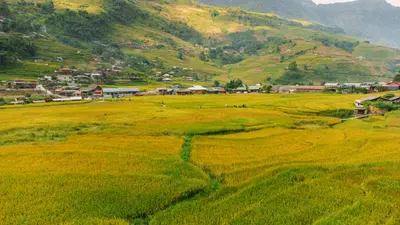
    North Vietnam stretches from the Red River Delta to the mountains on the Chinese border. It is home to the capital Hanoi, the limestone islands of Halong Bay, the karst landscape around Ninh Bình, and the rice terraces around Sa Pa.The climate experiences distinct seasons: Winter, from about December to February, is cool and often grey; summer is hot and rainy. The most pleasant time to travel is in spring and autumn.
    Ninh Binh

    Ninh Binh

    Ninh Bình is a city in the southern Red River Delta, about two hours by bus or train south of Hanoi. You come for the surrounding karst landscape, where you travel by rowboat on rivers and through caves amidst rice paddies and limestone cliffs. The centerpiece is the Tràng An Landscape Complex, a UNESCO World Heritage Site (mixed cultural and natural) since 2014. It spans around 6,226 hectares, encompassing the ancient capital Hoa Lư, the waterways of Tràng An and Tam Cốc, and protected forests. Discoveries in the caves prove that people have lived here for over 30,000 years. From 968 to 1010, Hoa Lư was the capital of Vietnam before the court moved to Thăng Long, today's Hanoi. The city itself is primarily a transport hub. Many travellers stay overnight in Tam Cốc village, where boat docks, restaurants, and bicycle rentals are located. Good times to visit are September to November and March to May. Local specialties include goat meat from the karst slopes and Cơm cháy, deep-fried crispy rice.

    Sources & method

    • Photos: Wikimedia Commons, Unsplash, Pexels, Google Maps. Each photo carries its credit.
    • Place data such as addresses and ratings comes from Google Maps.
    • The content is based on web research from public, traceable sources. How the content is made · The role of AI