Fernweh: Home
    ExploreTravel GuidesPlan a tripMy tripLast visited
    de|en
    All Places & RegionsAll highlightsAbout FernwehFAQPrivacy PolicyImprint
    ExploreTravel GuidesPlan a tripMy tripLast visited
    Amboseli National Park
    Amoghavarsha JS amoghavarsha.com / Wikimedia Commons / CC BY-SA 3.0

    Kenya

    Amboseli National Park

    Point of Interest

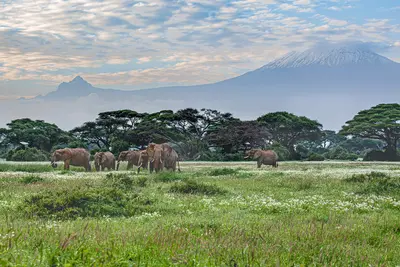
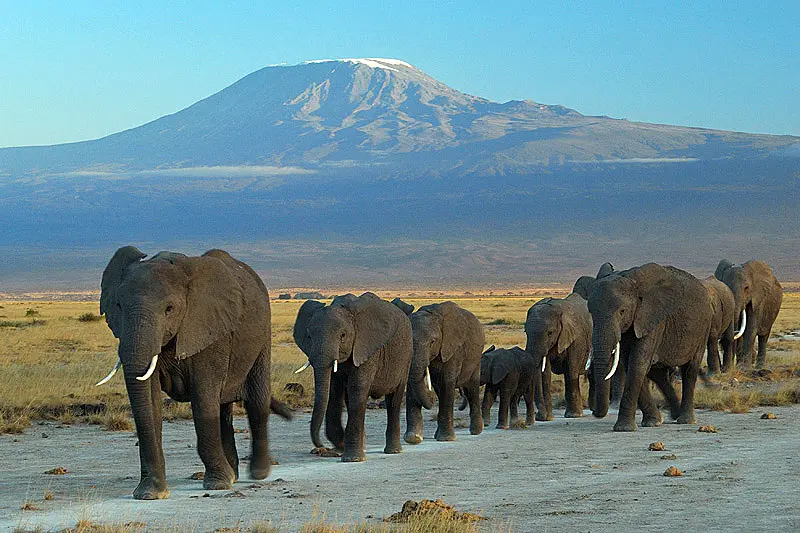
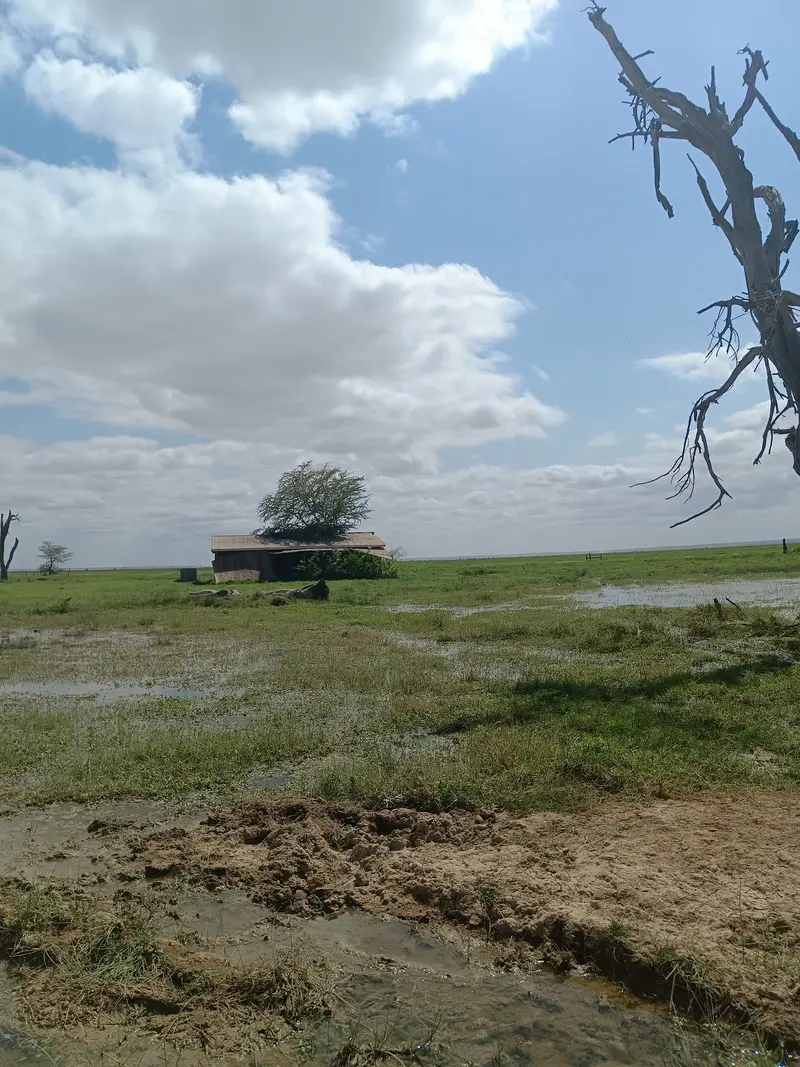
    Amboseli National Park, in southern Kenya bordering Tanzania, approx. 240 km southeast of Nairobi, overlooks Kilimanjaro across the border. Elephant herds against the peak, towering over the plains on clear days, define its iconic scene.

    by Felix Gillen

    1. Home
    2. Destinations
    3. Kenya
    4. Amboseli & Tsavo
    5. Amboseli National Park
    Amboseli National Park, in southern Kenya bordering Tanzania, approx. 240 km southeast of Nairobi, overlooks Kilimanjaro across the border. Elephant herds against the peak, towering over the plains on clear days, define its iconic scene.Across 392 square kilometers, dry plains, the mostly dry Lake Amboseli, and green swamps alternate. From Observation Hill, you overlook swamps and plains.

    Sights in Amboseli National Park

    Discover the most important sights and attractions
    Enkongo Narok Swamp
    Natural Feature

    1Enkongo Narok Swamp

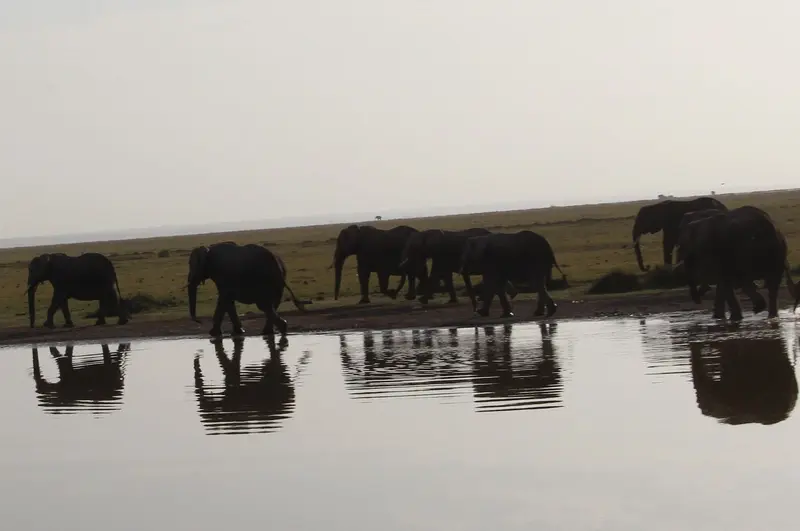
    One of the swamps serving as the park's sole permanent water sources. Here, especially in the dry season, elephants, hippos, and water birds gather.
    Open in Google Maps
    Lake Amboseli
    Natural Feature

    2Lake Amboseli

    The lake in the park's west is mostly dry, a dusty salt pan. Only after prolonged rain does water collect.
    Open in Google Maps

    Restaurants in Amboseli National Park

    Nature & History

    From Reserve to National ParkAmboseli was designated a reserve in 1906 and declared a National Park in 1974. Since 1991, it has been a UNESCO Biosphere Reserve. In October 2025, administration transferred from the Kenya Wildlife Service to Kajiado County, with KWS remaining the owner. The park is the core of an approximately 8,000 square-kilometer ecosystem that extends across the border into Tanzania. The people in the surrounding area are predominantly Maasai.The Elephants of AmboseliSince 1972, Cynthia Moss's team has been researching the park's elephants. The elephant cow Echo, who lived here, is considered the most extensively studied elephant in the world. The Amboseli Elephant Research Project is based in the park.Swamps as LifelinesThe Enkongo Narok, Longinye, Ol Okenya, and Ol Tukai swamps are the only permanent water sources. Many animals gather here, especially during the dry season. In total, around 400 bird species have been counted, including 47 raptor species.

    Arrival & Practical Info

    Getting ThereRoad: Only Kimana Gate is accessible via tarmac, from Mombasa Road via Emali, a total of around 240 kilometers from Nairobi. The other gates, such as Meshanani via Namanga, are reached via gravel roads.Air: Amboseli Airstrip (ASV) is served by light aircraft from Nairobi and Mombasa.Game DrivesThe tracks in the park are gravel; a 4x4 vehicle is recommended. Observation Hill is one of the few places where you are permitted to alight and walk.Fees & Best Time to VisitEntry fees are paid online in advance via eCitizen (M-Pesa, Airtel Money, or card). Cash and cards are not accepted at the gate. As of October 1, 2025, non-residents pay 90 US dollars per adult for 24 hours, children 45 US dollars. The Tsavo West and Amboseli combined ticket costs 150 US dollars. From October 2025, Kajiado County will manage the park and may set fees independently; please check the current price when booking via eCitizen.During the dry seasons, especially from June to October, the tracks are easily passable, and animals gather at the swamps. From March to May, heavy rains can render tracks impassable.

    Accommodations in Amboseli National Park

    Find perfect stay in Amboseli National Park

    Booking.com* (Affiliate link)
    Search Hotels
    Agoda* (Affiliate link)
    Search Hotels
    Airbnb
    Vacation Rentals

    * Affiliate link: if you book through it, we earn a small commission. The price stays the same for you.
    Nearby

    Chyulu Hills

    Chyulu Hills

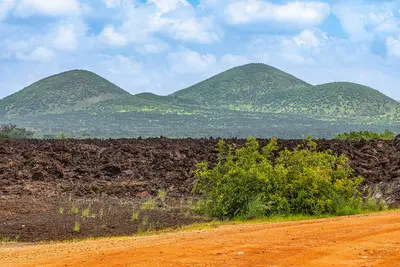
    The Chyulu Hills are a chain of young volcanic cones, approximately 100 kilometers long, east of Amboseli. Grass-covered hills, mountain forest above 1,800 meters, and lava caves make them a destination for hikers and cavers.Inside lies the Leviathan Cave, one of the world's longest lava tubes at approximately eleven to twelve kilometers. The national park covers 741 square kilometers and borders Tsavo West to the northwest.
    Tsavo West National Park

    Tsavo West National Park

    Tsavo West National Park extends west of the Nairobi–Mombasa road over 9,065 square kilometers. Volcanic cones, black lava fields, and the clear Mzima Springs characterize the park.At Mzima Springs, you can observe hippos and crocodiles from an underwater viewing chamber. The Ngulia Rhino Sanctuary is home to rhinos, and from viewpoints like Roaring Rocks, the view extends to Kilimanjaro on clear days.
    Amboseli & Tsavo

    Amboseli & Tsavo

    Between Nairobi and the coast lie some of Kenya's most famous national parks: Amboseli at the foot of Kilimanjaro, the two Tsavo Parks on either side of the Mombasa Road, as well as the Chyulu Hills volcanic range and the Taita Hills near Voi. Elephants, lava fields, and clear springs characterize this dry savanna landscape.
    Lake Magadi

    Lake Magadi

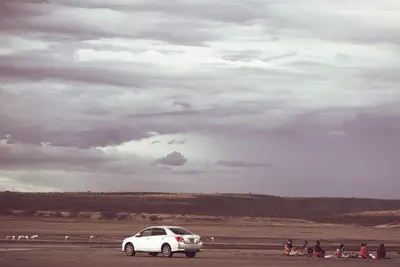
    Lake Magadi is the southernmost lake in the Kenyan Rift Valley, about 100 km southwest of Nairobi near the Tanzanian border. During the dry season, a soda crust covers about 80 percent of its surface, hot springs feed the lake, and flamingos and other wading birds live on its shores.En route, a stop at the prehistoric site of Olorgesailie is worthwhile, featuring Acheulean hand axes.
    Nairobi National Park

    Nairobi National Park

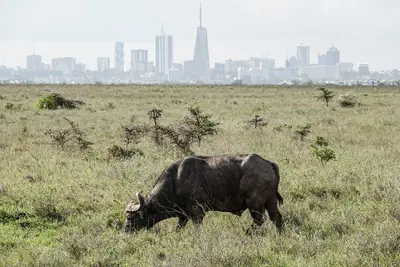
    The Nairobi National Park begins just about seven kilometers south of the city center: savanna with black rhinos, wildebeest, and zebras against the capital's skyline. Opened in 1946, it is Kenya's oldest national park.At just over 117 square kilometers, it is small, but is considered one of the country's most successful rhino sanctuaries. A half or full day is enough for a game drive, ideal before an evening flight or after arrival.

    Sources & method

    • Photos: Wikimedia Commons, Google Maps. Each photo carries its credit.
    • Place data such as addresses and ratings comes from Google Maps.
    • The content is based on web research from public, traceable sources. How the content is made · The role of AI