Fernweh: Home
    ExploreTravel GuidesPlan a tripMy tripLast visited
    de|en
    All Places & RegionsAll highlightsAbout FernwehFAQPrivacy PolicyImprint
    ExploreTravel GuidesPlan a tripMy tripLast visited
    • Overview
    • Places in the region
    • Culture
    • Getting around
    • Round trips
    • Nearby
    Amboseli & Tsavo
    Ninaras / Wikimedia Commons / CC BY 4.0

    Kenya

    Amboseli & Tsavo

    Region

    Between Nairobi and the coast lie some of Kenya's most famous national parks: Amboseli at the foot of Kilimanjaro, the two Tsavo Parks on either side of the Mombasa Road, as well as the Chyulu Hills volcanic range and the Taita Hills near…

    by Felix Gillen

    1. Home
    2. Destinations
    3. Kenya
    4. Amboseli & Tsavo
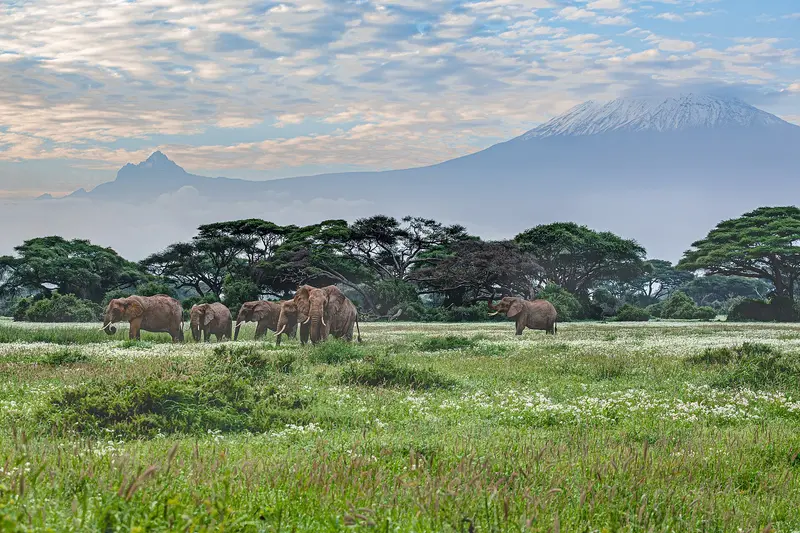
    Between Nairobi and the coast lie some of Kenya's most famous national parks: Amboseli at the foot of Kilimanjaro, the two Tsavo Parks on either side of the Mombasa Road, as well as the Chyulu Hills volcanic range and the Taita Hills near Voi. Elephants, lava fields, and clear springs characterize this dry savanna landscape.
    Amboseli and KilimanjaroAmboseli National Park, on the border with Tanzania, is known for its elephant herds, researched here since 1972. Swamps like Enkongo Narok and Longinye are the park's lifelines, with Kilimanjaro in the background.Tsavo West and Tsavo EastThe A109 highway and the railway separate the two Tsavo parks. Tsavo West features volcanic landscapes, the Mzima Springs, and the Ngulia Rhino Sanctuary. At 13,747 square kilometers, Tsavo East is the larger park, known for elephants in red dust, the Galana River, and the Yatta Plateau.Chyulu Hills and Taita HillsThe Chyulu Hills are young volcanoes with Leviathan Cave, one of the world's longest lava tubes. Their rainwater feeds the Mzima Springs. Near Voi, the Taita Hills rise with cloud forests and endemic birds, and at their foot lies the Taita Hills Wildlife Sanctuary.
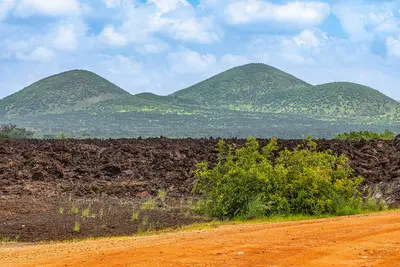
    Chyulu Hills
    Ninara / Wikimedia Commons / CC BY 2.0

    Place 1 of 4

    Chyulu Hills

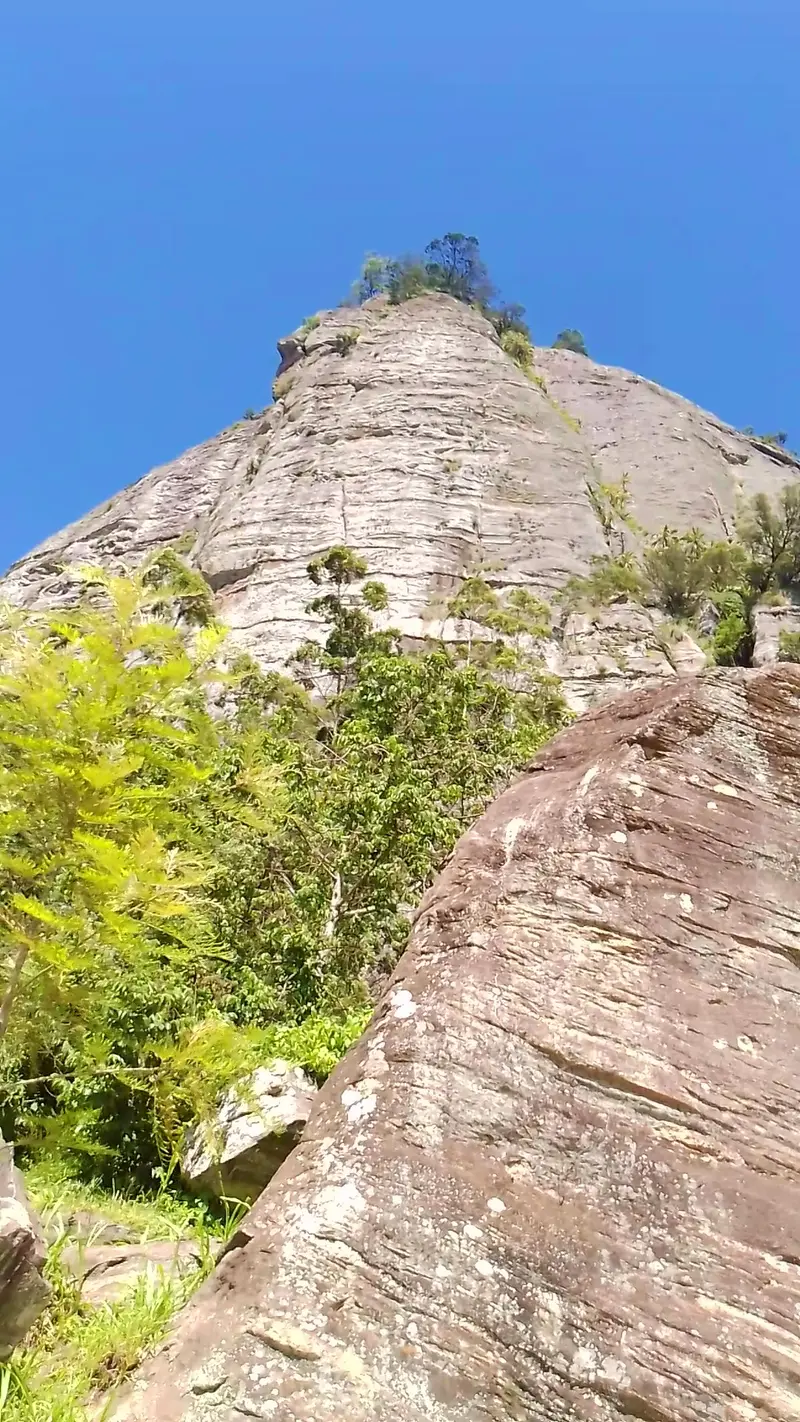
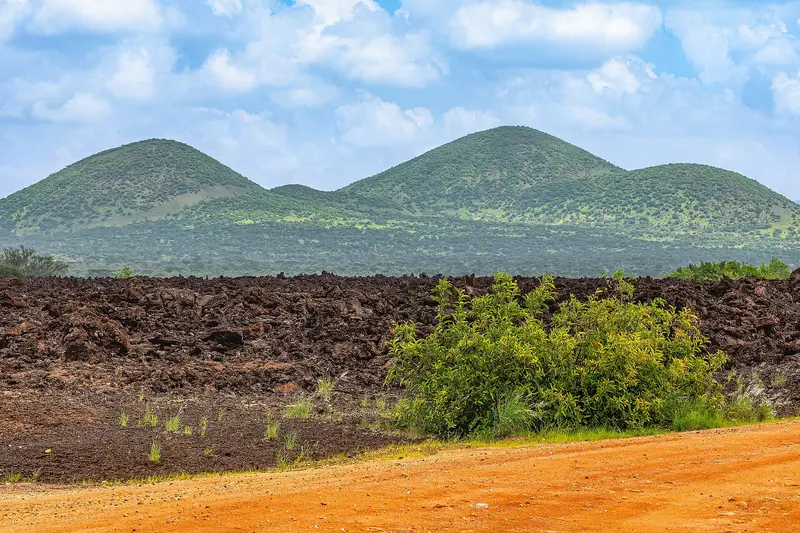
    The Chyulu Hills are a chain of young volcanic cones, approximately 100 kilometers long, east of Amboseli. Grass-covered hills, mountain forest above 1,800 meters, and lava caves make them a destination for hikers and cavers.

    Discover
    Amboseli National Park
    Amoghavarsha JS amoghavarsha.com / Wikimedia Commons / CC BY-SA 3.0

    Place 2 of 4

    Amboseli National Park

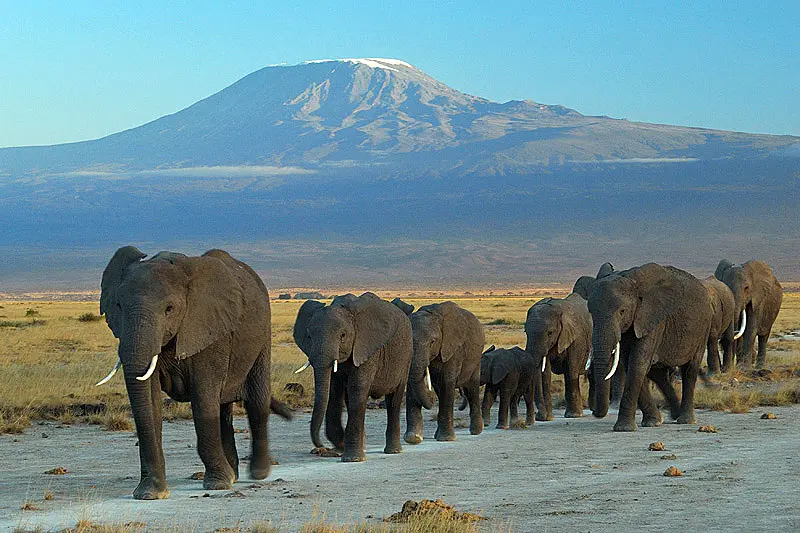
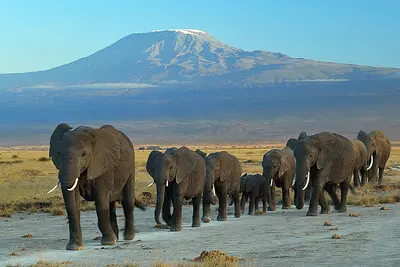
    Amboseli National Park, in southern Kenya bordering Tanzania, approx. 240 km southeast of Nairobi, overlooks Kilimanjaro across the border. Elephant herds against the peak, towering over the plains on clear days, define its iconic scene.

    Discover
    Tsavo West National Park
    CT Cooper / Wikimedia Commons / CC BY 3.0

    Place 3 of 4

    Tsavo West National Park

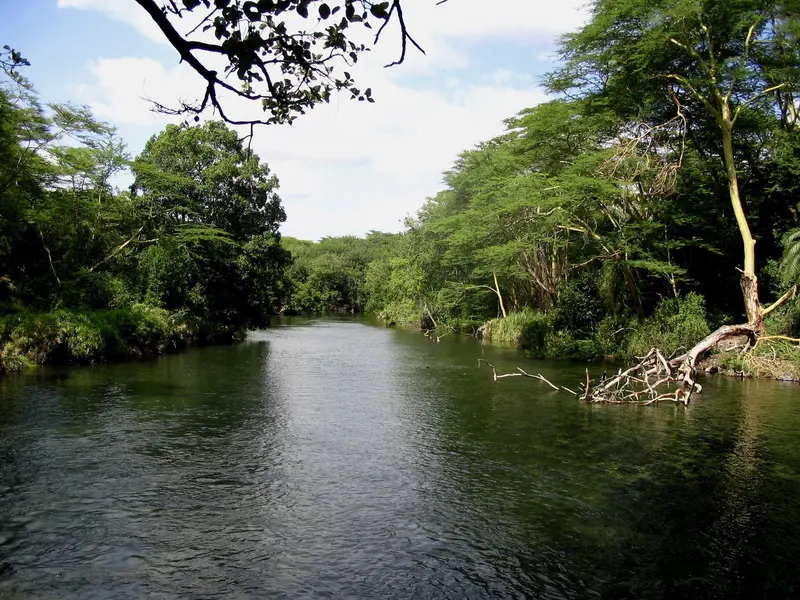
    Tsavo West National Park extends west of the Nairobi–Mombasa road over 9,065 square kilometers. Volcanic cones, black lava fields, and the clear Mzima Springs characterize the park.

    Discover
    Taita Hills

    Place 4 of 4

    Taita Hills

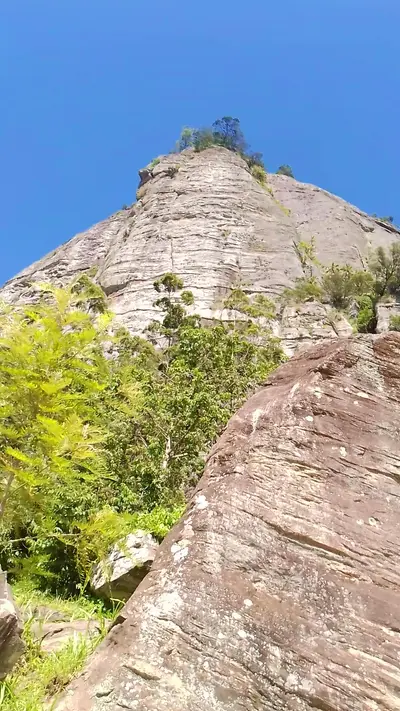
    The Taita Hills rise northwest of Voi from the plains of Tsavo. Small remnants of cloud forest like Ngangao are home to birds found only here, and from Vuria, the highest peak at 2,228 meters, you gaze far across the savanna.

    Discover

    More places in Amboseli & Tsavo

    Tsavo East National Park

    Tsavo East National Park

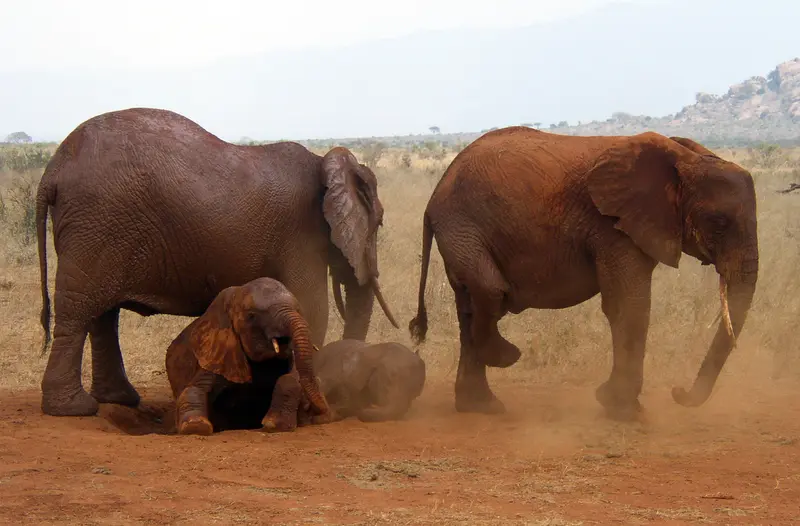
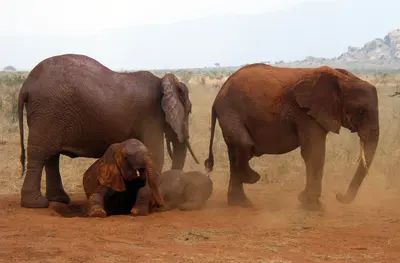
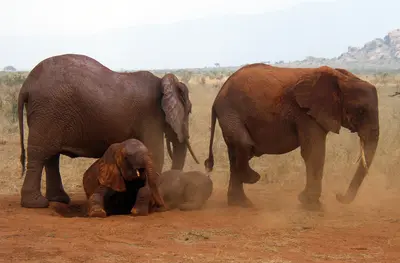
    Tsavo East National Park, located east of the Nairobi–Mombasa road, covers 13,747 square kilometers. It is known for its elephants, which wallow in the red dust, giving them a reddish shimmer.Vast, dry bush savanna, the Galana River with Lugard Falls, and watering holes like Aruba Dam and Mudanda Rock define the game drives.

    Culture & History

    Maasai around AmboseliThe people around Amboseli are predominantly Maasai. Since October 2025, the park's administration has been with Kajiado County; the Kenya Wildlife Service remains owner and retains oversight. The agreement provides for strong community involvement.The Man-eaters of TsavoDuring the construction of the Uganda Railway in 1898, two lions in Tsavo killed numerous workers until John Henry Patterson shot them. To this day, the railway runs right through the region, between Tsavo West and Tsavo East.Conservation with a Long HistoryAmboseli was designated as a reserve as early as 1906, and the two Tsavo Parks were established in 1948. Since 1972, Cynthia Moss's team has been researching the elephants of Amboseli. The elephant cow Echo is considered the most well-researched elephant in the world.

    Getting There & Around

    RoadMombasa Road (A109) is the main thoroughfare. Emali is the turn-off for Amboseli (Kimana Gate), while Mtito Andei and Voi provide access to Tsavo West and Tsavo East.Within the parks, roads are unpaved; an off-road vehicle is advisable.Rail & AirThe Madaraka Express Inter-County train stops, among other places, in Emali, Kibwezi, Mtito Andei, Voi, and Miasenyi. Check schedules in advance with Kenya Railways.Amboseli and several airstrips in Tsavo West, such as Kilaguni, are served by light aircraft.FeesNational Park entry fees are paid online in advance via eCitizen; no cash is accepted at the gate. According to the KWS tariff dated October 1, 2025, non-residents pay per adult per 24 hours: 90 USD for Amboseli, 80 USD for Tsavo West or Tsavo East, and 40 USD for the Chyulu Hills. For Amboseli, Kajiado County is now authorized to set fees; check the current price when booking.
    Round trips through this region

    Kilimanjaro View and Beach: Amboseli, Tsavo and South Coast

    Kilimanjaro View and Beach: Amboseli, Tsavo and South Coast

    From Nairobi southwards: Elephants before Kilimanjaro in Amboseli, volcanic landscapes and springs in Tsavo West, the red earth of Tsavo East, and finally relaxation on Diani Beach.

    13 Days
    5 stops
    Open jaw

    Nearby

    Tsavo West National Park

    Tsavo West National Park

    Tsavo West National Park extends west of the Nairobi–Mombasa road over 9,065 square kilometers. Volcanic cones, black lava fields, and the clear Mzima Springs characterize the park.At Mzima Springs, you can observe hippos and crocodiles from an underwater viewing chamber. The Ngulia Rhino Sanctuary is home to rhinos, and from viewpoints like Roaring Rocks, the view extends to Kilimanjaro on clear days.
    Chyulu Hills

    Chyulu Hills

    The Chyulu Hills are a chain of young volcanic cones, approximately 100 kilometers long, east of Amboseli. Grass-covered hills, mountain forest above 1,800 meters, and lava caves make them a destination for hikers and cavers.Inside lies the Leviathan Cave, one of the world's longest lava tubes at approximately eleven to twelve kilometers. The national park covers 741 square kilometers and borders Tsavo West to the northwest.
    Taita Hills

    Taita Hills

    The Taita Hills rise northwest of Voi from the plains of Tsavo. Small remnants of cloud forest like Ngangao are home to birds found only here, and from Vuria, the highest peak at 2,228 meters, you gaze far across the savanna.At the foot of the hills lies the Taita Hills Wildlife Sanctuary, home to the Salt Lick Safari Lodge, whose stilt buildings stand over a watering hole.
    Tsavo East National Park

    Tsavo East National Park

    Tsavo East National Park, located east of the Nairobi–Mombasa road, covers 13,747 square kilometers. It is known for its elephants, which wallow in the red dust, giving them a reddish shimmer.Vast, dry bush savanna, the Galana River with Lugard Falls, and watering holes like Aruba Dam and Mudanda Rock define the game drives.
    Amboseli National Park

    Amboseli National Park

    Amboseli National Park, in southern Kenya bordering Tanzania, approx. 240 km southeast of Nairobi, overlooks Kilimanjaro across the border. Elephant herds against the peak, towering over the plains on clear days, define its iconic scene.Across 392 square kilometers, dry plains, the mostly dry Lake Amboseli, and green swamps alternate. From Observation Hill, you overlook swamps and plains.

    Sources & method

    • Photos: Wikimedia Commons. Each photo carries its credit.
    • The content is based on web research from public, traceable sources. How the content is made · The role of AI