United Arab Emirates
Dubai Emirate
Region
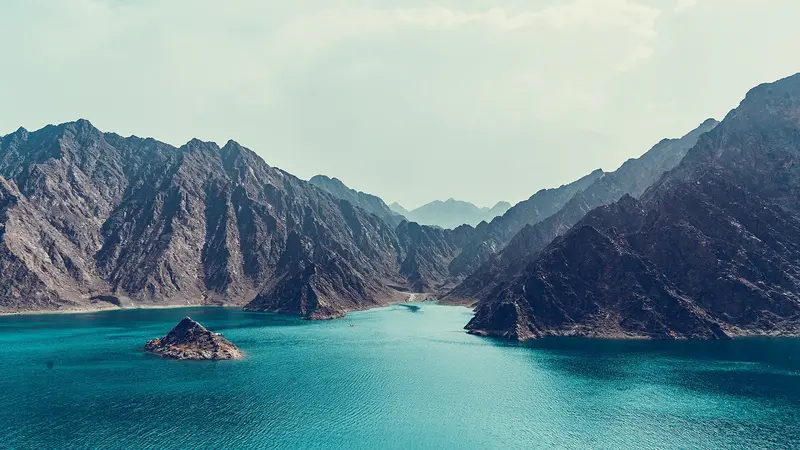
The Dubai Emirate is located on the coast of the Persian Gulf and comprises, in addition to the eponymous city, the exclave of Hatta in the Hajar Mountains. Approximately 4.8 million people live here (as of September 2026).
by Felix Gillen
The Dubai Emirate is located on the coast of the Persian Gulf and comprises, in addition to the eponymous city, the exclave of Hatta in the Hajar Mountains. Approximately 4.8 million people live here (as of September 2026). Between the Old Town on Dubai Creek, the skyscrapers of Downtown, and the reservoirs of Hatta, there is approximately a ninety-minute drive.
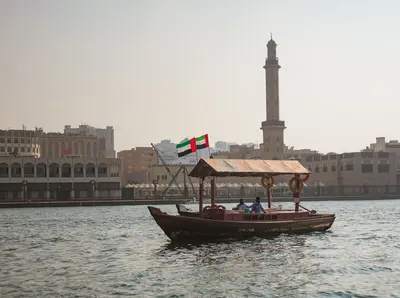
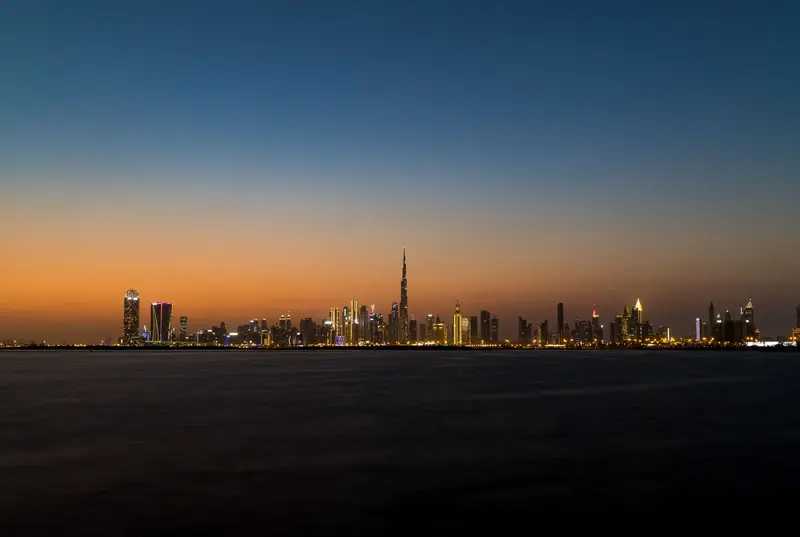
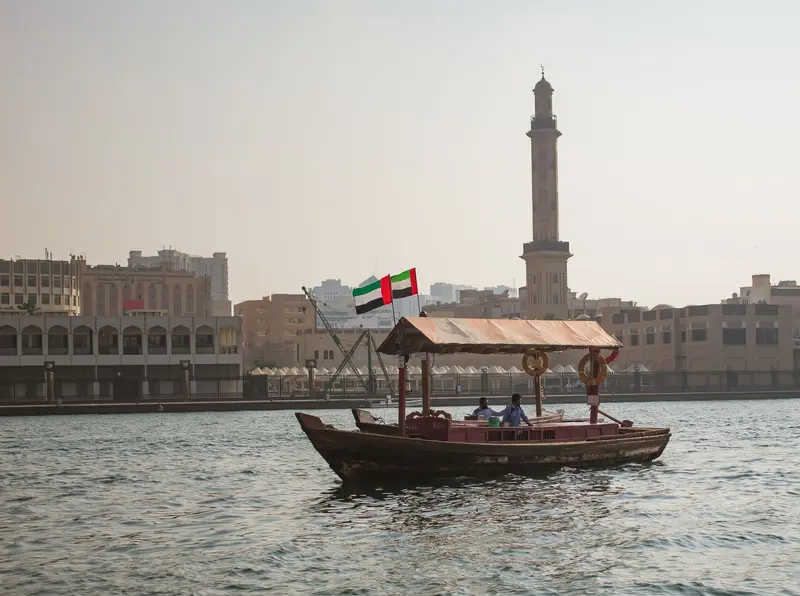
CharacterDubai is an emirate of stark contrasts in a compact space: Along the Creek, wind-tower houses, souks, and wooden abras evoke its past as a trading and pearl port, while a few metro stations away stand the Burj Khalifa and the Museum of the Future. To the east, separated by Omani territory from the rest of the emirate, lies Hatta with its mountains, wadis, and a reservoir.Things to SeeWithin the city, attractions are spread across three areas: the historic center around Al Fahidi, Al Shindagha, and the Deira souks; the new districts along Sheikh Zayed Road with Downtown and Dubai Frame; and the Jumeirah coast with Jumeirah Mosque. Hatta is the destination for kayak tours on the reservoir, mountain bike trails, and the Hatta Heritage Village.Getting Around the EmirateWithin the city, you can easily get around by Metro, Tram, bus, and Abra; payment is made with the Nol card. To Hatta, the RTA Express Bus H02 departs from Dubai Mall in about 90 minutes. By car, the E44 leads there.
Dining and Drinks
You'll find much of the Gulf Coast cuisine in Dubai at the Deira markets. If you want to try Emirati dishes with explanations, book a meal in the historic Al Fahidi district.
Waterfront Market in Deira
The market on the Deira Corniche replaced the old Deira fish market in 2017. Besides fish and seafood, there's meat, fruit, vegetables, spices, and dates. For a small fee, your fish will be cleaned and filleted, and eateries on the promenade prepare fish or meat from the market.
Spice Souk in Deira
In the alleys of the Spice Souk, you'll find dried black limes (Loomi), saffron in various qualities, cinnamon sticks, and frankincense. Unlike in the malls, here you haggle.
Emirati Cuisine in Al Fahidi
The Sheikh Mohammed Centre for Cultural Understanding serves breakfast, brunch, lunch, and dinner with traditional dishes on set weekdays, with Emirati hosts sharing their culture. You must book these roughly 90-minute sessions in advance.
Chocolate from camel milk
Al Nassma makes chocolate from camel milk in Dubai, for example with dates or Arabic spices. The milk comes from the camel farm of its sister company Camelicious in Umm Nahad, whose camel milk is also sold in supermarkets.
History and Culture
From Pearl Port to MetropolisIn 1833, the Bani Yas tribe, led by the Al Maktoum family, settled at the mouth of the Creek. Pearl diving and trade formed the economic basis until the early 20th century; tax exemptions for foreign merchants attracted traders from Persia and India. Oil was discovered offshore in 1966; from 1969, Dubai exported oil, investing revenues in port, infrastructure, and trade.Living TraditionsThe Sheikh Mohammed Centre for Cultural Understanding in the Al Fahidi district invites visitors for mosque tours and Emirati meals under the motto "Open Doors, Open Minds," where all questions are welcome. In Hatta, the Heritage Village, opened in 2001, showcases reconstructed mud and stone houses reflecting rural life before the oil era.
Arrival and On the Road
In the CityMetro: The Red Line connects the airport, Deira, Downtown, and Dubai Marina, extending as Route 2020 to Expo City Dubai. The Green Line serves the districts along the Creek. You can transfer at Union and BurJuman.Nol Card: Metro, tram, and buses are paid for exclusively with the Nol Card, available at vending machines and counters in metro stations. Fares are zone-based.Abra: These traditional wooden boats cross the Creek between Bur Dubai and the Deira Old Souk. The fare is 1 AED in cash.To HattaBus: The RTA's Hatta Express (Line H02) departs approximately every two hours from Dubai Mall Bus Station to Hatta. Travel time is around 90 minutes; fare is 25 AED.Car: The E44 route leads via Al Madam to Hatta, crossing Omani territory. Before you travel, inform yourself about the current border regulations.