Fernweh: Home
ExploreGuideDestinationsMy tripsMy trip
de|en
All Places & RegionsRound tripsNight trains in EuropeAll highlightsAbout FernwehFAQPrivacy PolicyImprint
Download on the App StoreGet it on Google Play
ExploreGuideDestinationsMy tripsMy trip
    • Places in the region
    • Culture
    • Getting around
    • Nearby
    Venetian Adriatic Coast

    Carsten Steger / Wikimedia Commons / CC BY-SA 4.0, mod.

    Italy

    Venetian Adriatic Coast

    RegionBeachFor Families

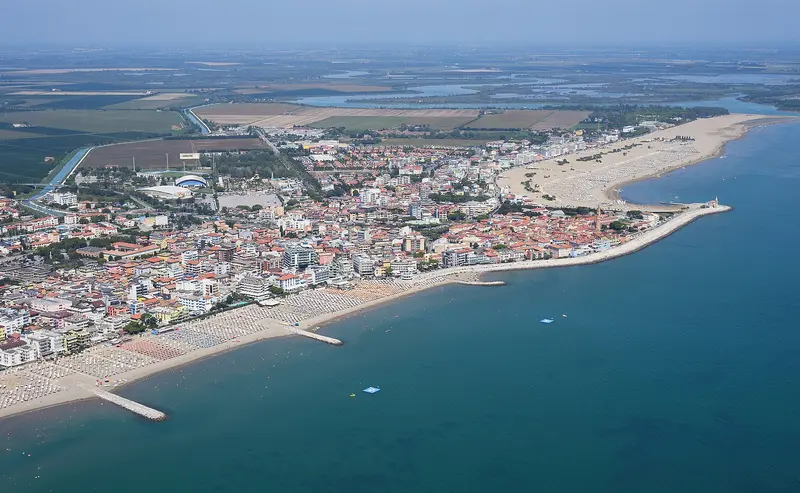
    Between the mouth of the Tagliamento in the northeast and Chioggia in the south, the Venetian Adriatic coast is lined with long sandy beaches, seaside resorts, and lagoons.

    by Felix Gillen

    1. Home
    2. Destinations
    3. Italy
    4. Veneto
    5. Venetian Adriatic Coast
    Between the mouth of the Tagliamento in the northeast and Chioggia in the south, the Venetian Adriatic coast is lined with long sandy beaches, seaside resorts, and lagoons. Bibione, Caorle, Jesolo, and the Cavallino-Treporti peninsula are located north of Venice; Chioggia, with its seaside resort Sottomarina, sits at the southern end of the lagoon.The coast is a classic destination for family and camping holidays. From Punta Sabbioni at the tip of Cavallino-Treporti, ACTV ferries reach Venice in about half an hour; Chioggia is connected to Venice via the Lido and Pellestrina.
    Italy travel guideRound trips in ItalyPlan a trip with Venetian Adriatic Coast

    Contents

    • Places in the region
    • Culture
    • Getting around
    • Nearby
    Bibione

    Tiesse / Wikimedia Commons / public domain
    Place 1 of 4

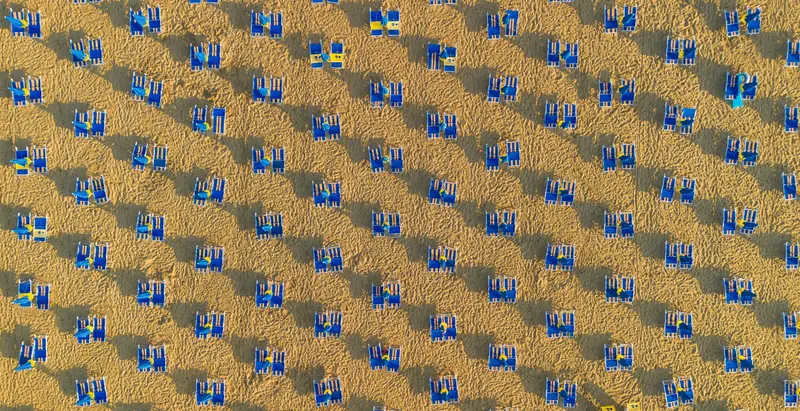
    Bibione

    Bibione is located in the far northeast of the Venetian coast at the mouth of the Tagliamento. Behind the sandy beach stretches a pine forest with fossil dunes, through which cycle paths lead to the lighthouse at the river mouth.

    Discover
    Jesolo

    Photo by Fich View Studio on Pexels

    Place 2 of 4

    Jesolo

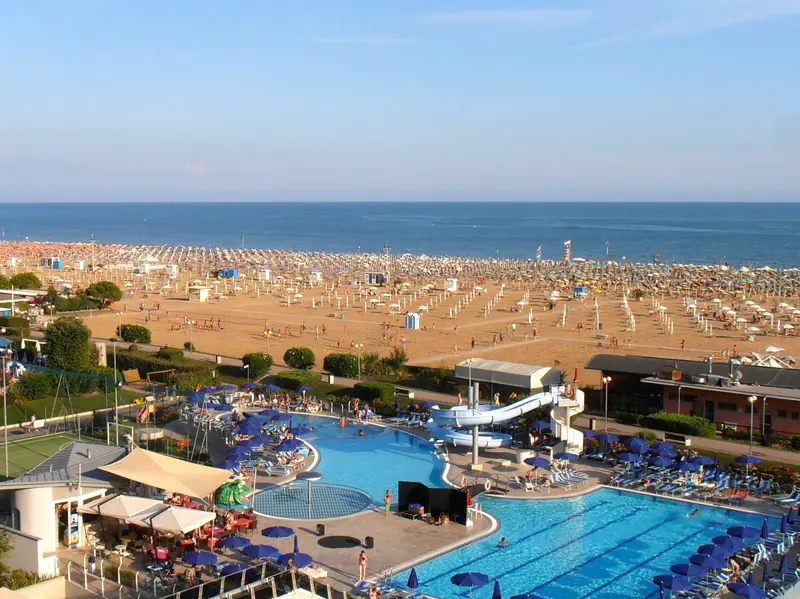
    Jesolo, with around 15 kilometers of beach, is one of the main resorts on the Adriatic northeast of Venice. Hotels, beach resorts, shops, and eateries line the Lido, and Piazza Mazzini, with its fountain and cafés, is the central meeting point.

    Discover
    Chioggia and Sottomarina

    Photo by Andreas Neubauer on Pexels

    Place 3 of 4

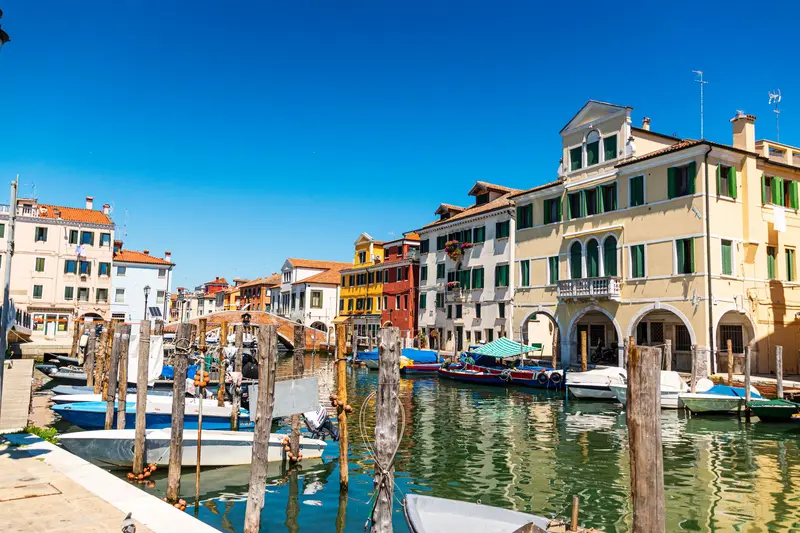
    Chioggia and Sottomarina

    Chioggia, at the southern end of the Venice Lagoon, is a fishing town with canals, bridges, and palazzi. Since the 18th century, fishing has been its economic backbone, making Chioggia the most important fish market in the northern Adriatic.

    Discover
    Caorle

    Photo by Maurizio Fecchio on Pexels

    Place 4 of 4

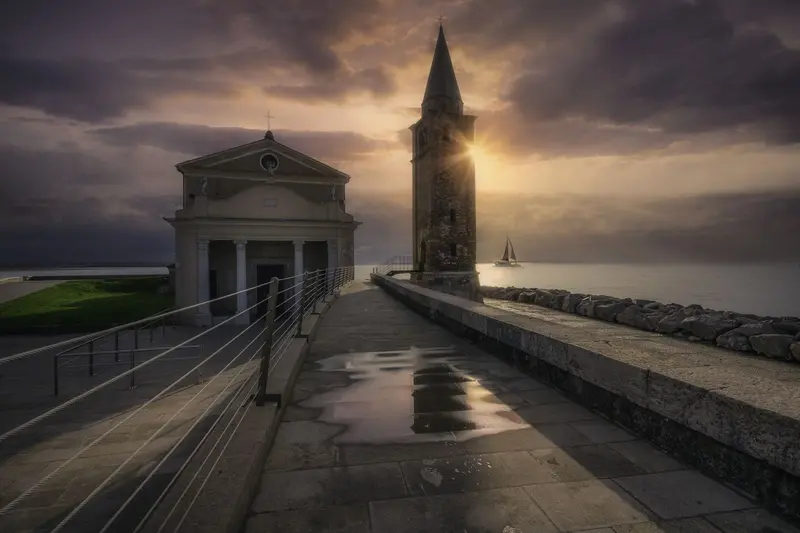
    Caorle

    Caorle, about 65 kilometers from Venice, is a fishing village with a Venetian-influenced old town: colorful facades, narrow alleys, and a still-active fishing port.

    Discover

    More places in Venetian Adriatic Coast
    Cavallino-Treporti

    Inna Million·Pexels

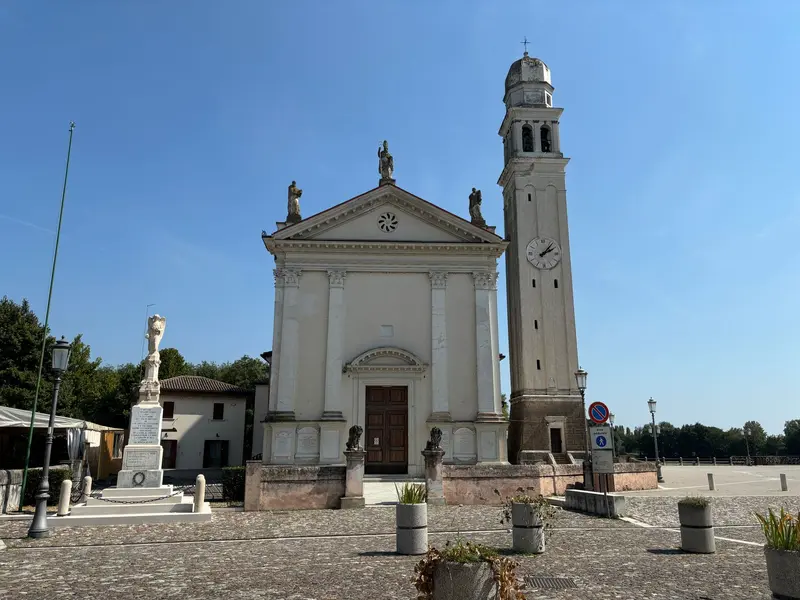
    Cavallino-Treporti

    The Cavallino-Treporti peninsula is located between the Adriatic Sea and the Lagoon northeast of Venice, with approximately 15 kilometers of Blue Flag coastline. At its tip, in Punta Sabbioni, the regular ferries to Venice depart: Line 14 travels in about 35 minutes via the Lido to San Zaccaria near St. Mark's Square, Line 12 via Burano and Murano to Fondamente Nove.The gently sloping beaches also bear the Green Flag of Italian pediatricians; large camping villages like Marina di Venezia are located directly on the sea. In the northern Lagoon lies the old village of Lio Piccolo, and along the coast stand fortifications from the 19th and early 20th centuries.

    Legacy

    Lagoon and FishingThe Venice Lagoon and city have been a UNESCO World Heritage site since 1987. In Caorle's lagoon are the Casoni, simple wooden and reed fishing huts where fishermen once lived during the fishing season; Ernest Hemingway stayed repeatedly in the lagoon village of San Gaetano. From the 18th century, Chioggia was the northern Adriatic's most important fish market.Coastal FortificationsThe Republic of Venice protected the lagoon with the Murazzi, 18th-century sea walls. Later, Austrians and Italians built forts and batteries, such as Forte Treporti (1845-1851) and Batteria Pisani (1909-1912). The Via dei Forti connects around 200 of these structures.

    Local adventures

    By Boat to VeniceFrom Punta Sabbioni: Line 14 via the Lido to San Zaccaria near St. Mark's Square, approx. 35 minutes, year-round approx. every 30 minutes. Line 15 runs seasonally direct in approx. 25 minutes. Line 12 goes via Burano and Murano to Fondamente Nove; for Torcello, change in Burano.Tickets can be purchased online from Venezia Unica, at the office in Punta Sabbioni, or from the ticket machines at the jetties.From Chioggia: Line 11 connects Chioggia with the Lido via Pellestrina, including a bus section and ferries; allow a good hour and a half. Alternatively, a bus travels across the mainland to Piazzale Roma.CyclingOn Cavallino-Treporti, a roughly 7-kilometer-long cycle path built over the water leads through the lagoon to Lio Piccolo. In Bibione, an approximately 12-kilometer family route winds through the pine forest to the lighthouse, and from the jetty on the Tagliamento, cyclists can cross over to Lignano.

    Nearby
    Burano and Torcello

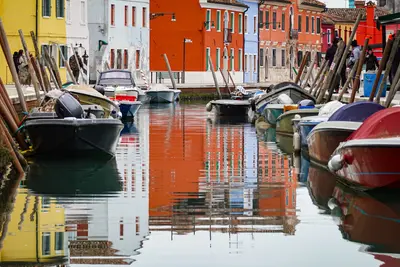
    Burano and Torcello

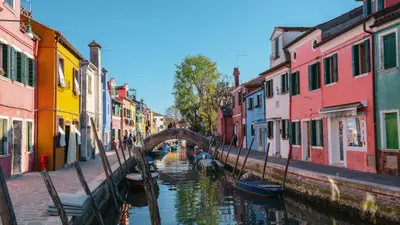
    Burano, in the northern Lagoon, is known for its brightly painted houses, whose colours need approval, and for the lace-making displayed at the Lace Museum on Piazza Galuppi. Next door lies Torcello, where mainland residents fled in the 5th century from barbarian invasions; its early prosperity is evident in the Basilica Santa Maria Assunta with its Last Judgment mosaic. Vaporetto Line 12 travels from Fondamente Nove via Murano to Burano. Allow at least half a day for both islands.

    Magda Ehlers·Pexels

    Murano

    Murano

    The lagoon island, about 1.5 kilometers north of the Old Town, has been the center of Venetian glass art since the Middle Ages: in 1291, glassmakers had to relocate their kilns here, primarily due to the risk of fire in the densely built-up city. The Glass Museum in Palazzo Giustinian tells the story of the craft, and the Basilica of Santi Maria e Donato boasts a 12th-century Byzantine mosaic floor. Vaporetto Line 12 stops at Murano on its way from Fondamente Nove to Burano.

    Kevin Charit·Unsplash

    Castello

    Castello

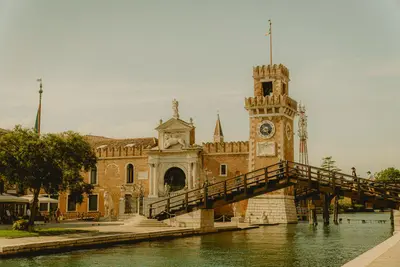
    Castello adjoins the Doge's Palace to the east and stretches from elegant squares to quiet residential alleys. Here lie the Gothic Basilica of Santi Giovanni e Paolo with the tombs of many Doges, the Arsenale, the former shipyard of the Maritime Republic, and the Giardini, laid out under Napoleon, venue of the Biennale. The wide Via Garibaldi with shops and trattorias shows everyday life away from St. Mark's Square.

    Dawid Tkocz·Pexels

    Venice

    Venice

    Venice is built on 118 small islands in a lagoon on the Adriatic Sea and was the centre of a maritime republic for centuries. Instead of streets, there are canals and alleys; instead of cars, boats and walkways; the city and its lagoon have been UNESCO World Heritage since 1987. St Mark's Square features St Mark's Basilica and the Doge's Palace, while the Rialto Bridge crosses the Grand Canal. Quieter than the San Marco area are districts like Cannaregio, Castello, and Dorsoduro, with their bacari, the traditional wine bars. You can reach the islands of Murano, Burano, and the Lido by vaporetto. On selected days, day visitors pay an entry fee for the old town, in 2026 for 60 days between April and July; check current dates before travel. Early in the morning, St Mark's Square is also quiet.

    Unsplash

    San Marco

    San Marco

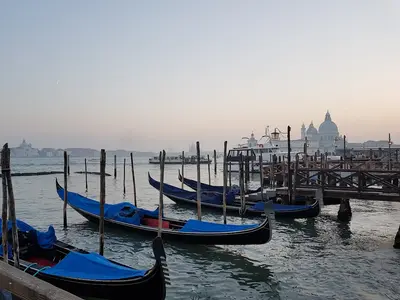
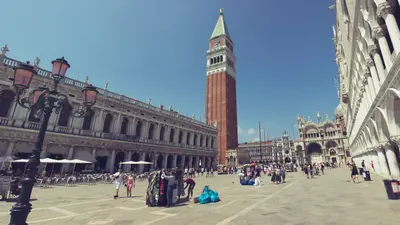
    Sestiere San Marco is Venice's political and religious heart: home to St. Mark's Square, St. Mark's Basilica, Doge's Palace, and La Fenice Opera House, detailed on the Venice page. Expensive shops and traditional cafés line the square. Additionally, the Torre dell'Orologio on St. Mark's Square and the Museo Correr in the Procuratie are worthwhile. It offers a combined ticket with the Doge's Palace. The square is quietest early in the morning and late in the evening.

    Bastian Riccardi·Pexels

    Your next steps

    Venetian Adriatic Coast is in Italy. Ways to carry on from here.

    • More in Italy

      Highlights, areas, routes and the best time to travel for all of Italy.

      Italy travel guide
    • Round trips in Italy

      Ready-made routes through Italy, with stops, nights and a map.

      See the routes
    • Plan a trip with Venetian Adriatic Coast

      The Guide asks about season, length and who is coming, and suggests a trip with Venetian Adriatic Coast.

      Plan the trip

    Sources & method

    • Photos: Wikimedia Commons. Each photo carries its credit.
    • The content is based on web research from public, traceable sources. How the content is made · The role of AI