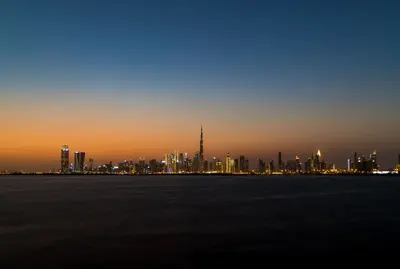
Fernweh: Home
    ExploreTravel GuidesPlan a tripMy tripLast visited
    de|en
    All Places & RegionsAll highlightsAbout FernwehFAQPrivacy PolicyImprint
    ExploreTravel GuidesPlan a tripMy tripLast visited
    • Neighborhoods & highlights
    • Recommendations
    • Walking tours
    • Eat & drink
    • Food culture
    • Culture
    • Getting around
    • Accommodation
    • Plan trip
    • Nearby

    United Arab Emirates

    City

    Al Ain is the second largest city in the Emirate of Abu Dhabi and is located approximately 160 kilometers east of the capital, on the border with Oman. Due to its oases, parks, and avenues, it is also known as the Garden City.

    by Felix Gillen

    1. Home
    2. Destinations
    3. United Arab Emirates
    4. Abu Dhabi Emirate
    Al Ain is the second largest city in the Emirate of Abu Dhabi and is located approximately 160 kilometers east of the capital, on the border with Oman. Due to its oases, parks, and avenues, it is also known as the Garden City. The cultural sites of Al Ain were the first in the Emirates to be inscribed on the UNESCO World Heritage List in 2011, including the Oasis, the Hili Tombs, and the slopes of Jebel Hafeet.

    Sights in

    Discover the most important sights and attractions

    Al Jahili Fort
    Museum

    1Al Jahili Fort

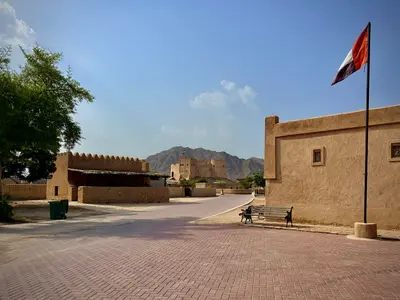
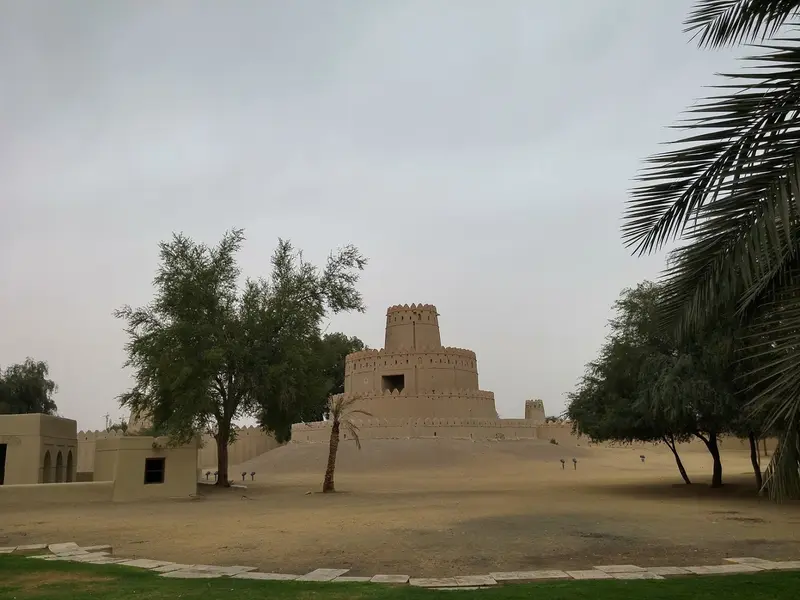
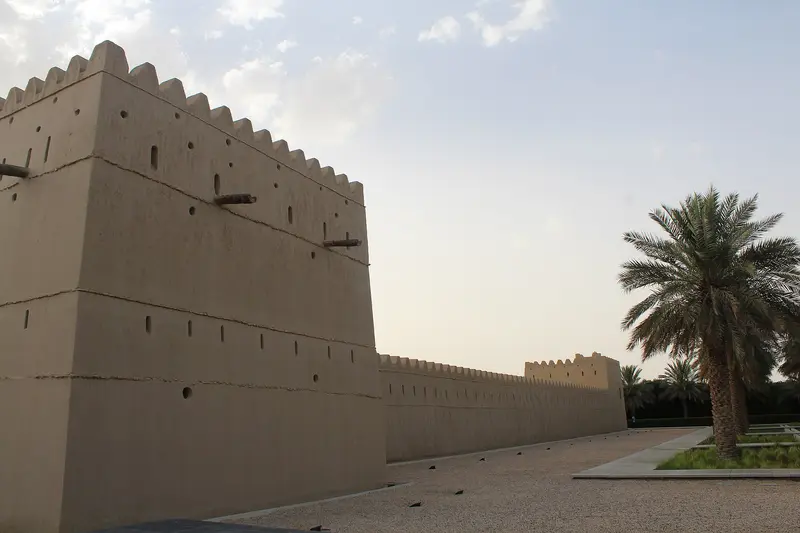
    Built in the 1890s to protect the oasis, this mud-brick fort is one of the best-preserved in the country. A permanent exhibition displays photographs by Wilfred Thesiger, who twice traversed the Rub al-Chali in the 1940s. Admission is free.
    Open in Google Maps
    Qasr Al Muwaiji
    Museum

    2Qasr Al Muwaiji

    The restored mud-brick fort was home to the ruling family; here, Sheikh Khalifa bin Zayid, later President of the UAE, was born in 1948. Since 2015, it has been a museum on the region and the family's pre-oil era life.
    Open in Google Maps
    Al Ain Oasis
    Attraction

    3Al Ain Oasis

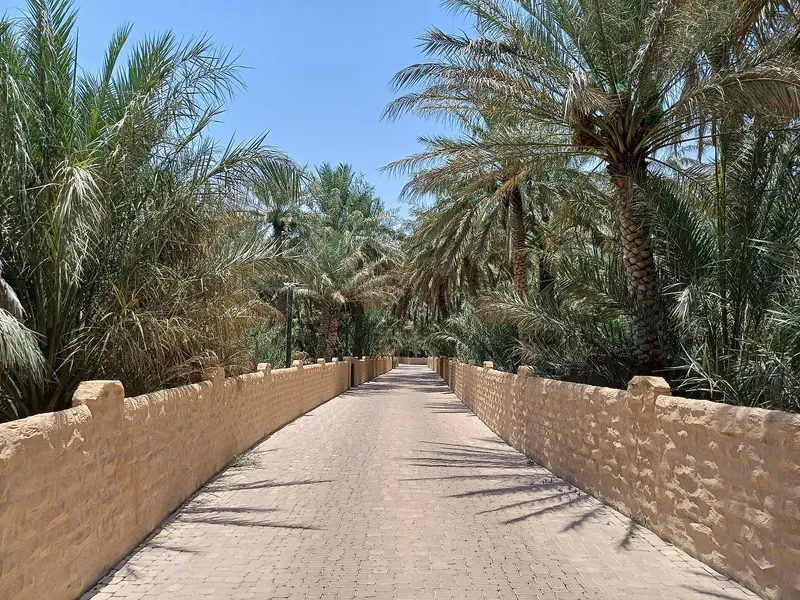
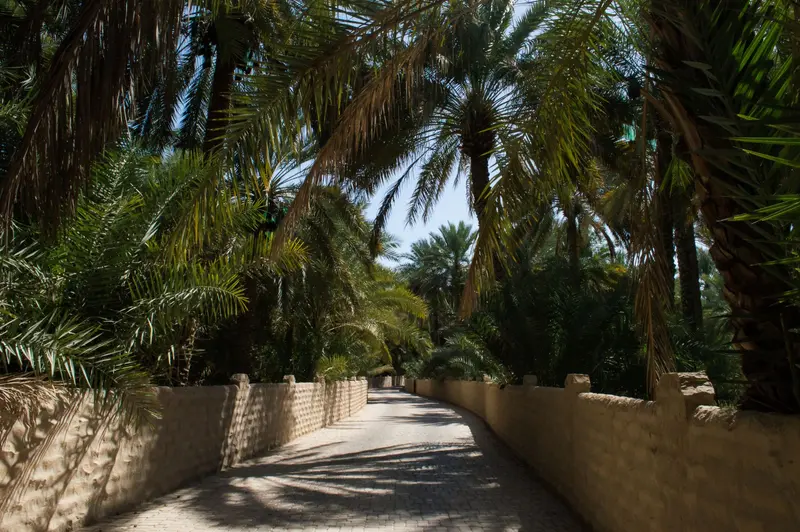
    This roughly 1,200-hectare city oasis has been cultivated for at least 3,000 years. Beneath 147,000 date palms, shady paths follow Falaj channels, bringing water by gravity alone from the mountains. Admission is free; mornings are cooler and quieter.
    Open in Google Maps
    Jebel Hafeet
    Park

    4Jebel Hafeet

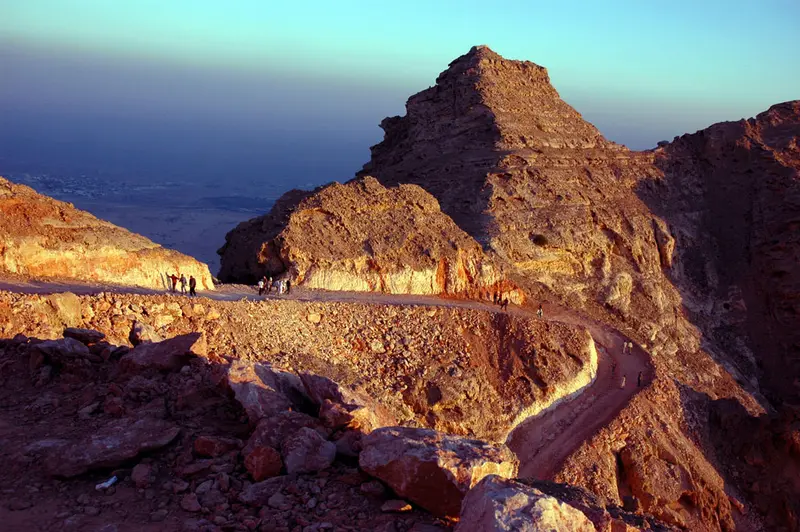
    The 1,249-meter-high mountain on the border with Oman is the only mountain in the Emirate of Abu Dhabi. An approximately 11.7-kilometer-long, winding road leads up. On its lower slopes are around 500 beehive-shaped tombs, about 5,000 years old, and at its foot, the warm springs of Green Mubazzarah.
    Open in Google Maps
    Hili Archaeological Park
    Park

    5Hili Archaeological Park

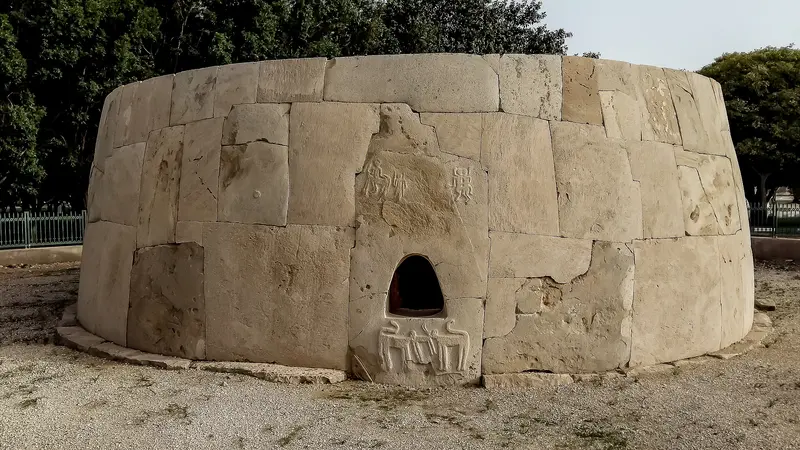
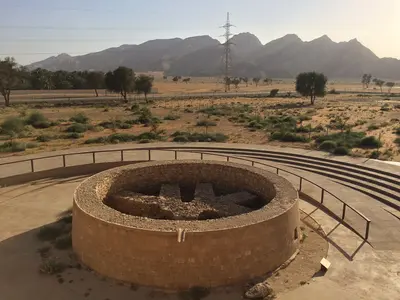
    Archaeological Park surrounding a Bronze Age settlement, centered around the Great Tomb. The circular stone tombs date from the 3rd millennium BC and are a UNESCO World Heritage site. Admission is free.
    Open in Google Maps
    Al Ain Museum
    Museum

    6Al Ain Museum

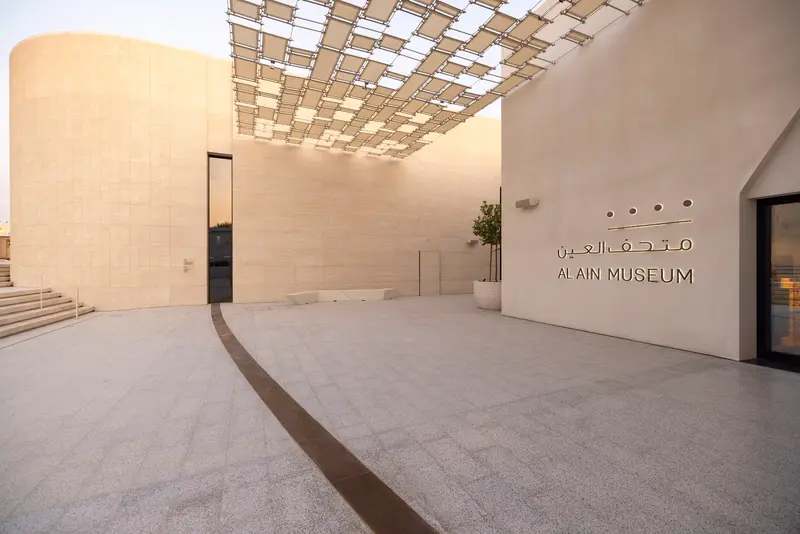
    The museum, opened in 1971, is considered the oldest in the Emirates and showcases finds from the Al Ain region. After closing for renovation in 2018, it reopened in 2025.
    Open in Google Maps

    City walks in

    Curated walking tours through the city's highlights, handpicked by experienced travel journalists.

    From Al Jahili through the Oasis to the Al Ain Museum

    The path connects Al Jahili Fort with the shady palm paths of Al Ain Oasis and the oldest museum in the Emirates. The oasis is open daily from 8 AM to 5 PM, and admission is free. Go in the morning, then it's still pleasant in the shade of the palms.

    Open in Google Maps
    Stops (3)

    Restaurants in

    1

    Al Fanar Restaurant & Café

    Branch of the Emirati restaurant Al Fanar in the Al Jimi district, near Souq Al Zafarana. The kitchen prepares classic Emirati dishes following traditional recipes and using local ingredients.
    Show on Google Maps
    2

    Zoi Cafe

    Café in the historic Al Qattara Arts Centre with dishes featuring Emirati flavours, breakfast and small bites. In the garden, you sit under Ghaf trees with lanterns.
    Show on Google Maps
    3

    Al Dallah Al Shameyah

    Family restaurant in Ain Al Faydah, south of Al Ain, with indoor and outdoor seating and a kids' play area. The menu blends Syrian and Western dishes, from charcoal-grilled meats to Manakish.
    Show on Google Maps

    Food and Drink

    Al Ain is more down-to-earth than the capital. You'll eat Emirati food in family restaurants and cafés, with dates sourced from the oases around the city.

    Emirati Breakfast at Al Fanar

    The restaurant serves Emirati and Arabic cuisine following traditional recipes; breakfast platters are popular.

    Café in the Al Qattara Arts Centre

    The Zoi Cafe in the historic cultural center cooks with Emirati flavors and has a garden under Ghaf trees.

    Dates from the Oasis

    Around 147,000 date palms grow in Al Ain Oasis. Dates are part of every visit in the Emirates, served with coffee.

    History & World Heritage

    Cultural Sites of Al AinIn 2011, UNESCO inscribed sites in four areas: Hafit, Hili, Bidaa Bint Saud, and the oases. They demonstrate that the desert region has been inhabited since the Neolithic Age. Among the most famous evidence are stone tombs from the 3rd millennium BC and early examples of the Aflaj irrigation system.Water from the MountainsTo this day, the oases thrive on the Falaj channels, which carry water from the mountains solely by gravity, without pumps. The Al Ain Oasis alone covers approximately 1,200 hectares and features about 147,000 date palms.Ruling Family and FortsForts like Al Jahili and Qasr Al Muwaiji protected oases and water. In Qasr Al Muwaiji, a residence of Sheikh Zayed, his son Khalifa, the future President of the Emirates, was born in 1948.

    Arrival and On the Go

    By BusFrom Abu Dhabi: Buses depart from the Central Bus Station in Al Wahda; the journey takes about two to two and a half hours.From Dubai: Line E201 departs from Al Ghubaiba Bus Station; according to the schedule, the journey takes a good two hours. Payment is made with the Nol card.By CarThe attractions are spread out: the Oasis, Al Jahili Fort and Museum in the center, Hili in the north, the Camel Market in the southeast, and Jebel Hafeet in the south. A rental car or taxi is therefore practical, especially for the approximately 11.7-kilometer mountain road up Jebel Hafeet.

    Accommodations in

    Find perfect stay in

    Booking.com* (Affiliate link)
    Search Hotels
    Agoda* (Affiliate link)
    Search Hotels
    Airbnb
    Vacation Rentals

    * Affiliate link: if you book through it, we earn a small commission. The price stays the same for you.

    Plan your trip to

    Save places, build a route and plan your city trip, all in one place.

    1. 1
      Sunrise over alpine peaks and a sea of clouds
      1234

      Round trip

      12 days · 4 stops

      Saved

      Pick a route

      Pick a ready-made one or save places and plan your own.

      Open bookmarks
    2. 2

      Trip to

      Live
      • 1Al Jahili Fort3 days
      • 2Qasr Al Muwaiji4 days
      • 3Al Ain Oasis5 days
      Budget

      Plan your trip

      The planner sorts stops, days and budget. Plan together in real time.

      Start trip planning
    3. 3
      9:41 No signal
      Available offline

      Use it on the road

      Download the guide to your phone and use it on site, even offline.

    Nearby

    Hatta

    Hatta

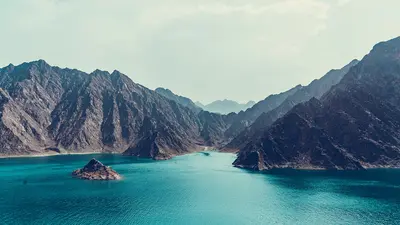
    Hatta is an exclave of the Emirate of Dubai in the Hajar Mountains, separated from the rest of the emirate by Omani territory and around 90 minutes by bus from Downtown Dubai. Kayaking on Hatta Dam, mountain biking trails around Wadi Hub, and the Hatta Heritage Village make the place a mountain destination.
    Mleiha

    Mleiha

    Mleiha is some 65 km southeast of Sharjah city in the country's inland desert. The Mleiha Archaeological Centre is the hub of the Faya Palaeolandscape, inscribed as a UNESCO World Heritage site in 2025 and preserving traces of human settlement from over 200,000 years ago. From here, guided tours begin to tombs, the fort, Fossil Rock, and Camel Rock.
    Fujairah

    Fujairah

    Fujairah is the capital of the eponymous emirate on the east coast of the UAE on the Gulf of Oman. Around the 16th-century fort are a museum and a Heritage Village; the 2015 Sheikh Zayed Mosque shapes the city's skyline. Off the coast, tankers anchor near the port, one of the world's largest bunkering ports; in the hinterland, the Hajar Mountains begin.
    Fujairah Emirate

    Fujairah Emirate

    The Emirate of Fujairah is the only one of the seven emirates whose entire coast lies on the Gulf of Oman. Around 70 kilometers of coastline stretch from the capital Fujairah in the south to Dibba in the north, backed by the Hajar Mountains. Forts, the country's oldest preserved mosque, and reefs for snorkeling make the East Coast a contrast to Dubai.
    Dubai Emirate

    Dubai Emirate

    The Dubai Emirate is located on the coast of the Persian Gulf and comprises, in addition to the eponymous city, the exclave of Hatta in the Hajar Mountains. Approximately 4.8 million people live here (as of September 2026). Between the Old Town on Dubai Creek, the skyscrapers of Downtown, and the reservoirs of Hatta, there is approximately a ninety-minute drive.

    Sources & method

    • Photos: Wikimedia Commons, Pexels, Google Maps. Each photo carries its credit.
    • Place data such as addresses and ratings comes from Google Maps.
    • The content is based on web research from public, traceable sources. How the content is made · The role of AI