Kenya
Nairobi & Surroundings
Region
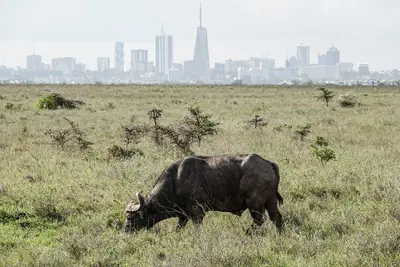
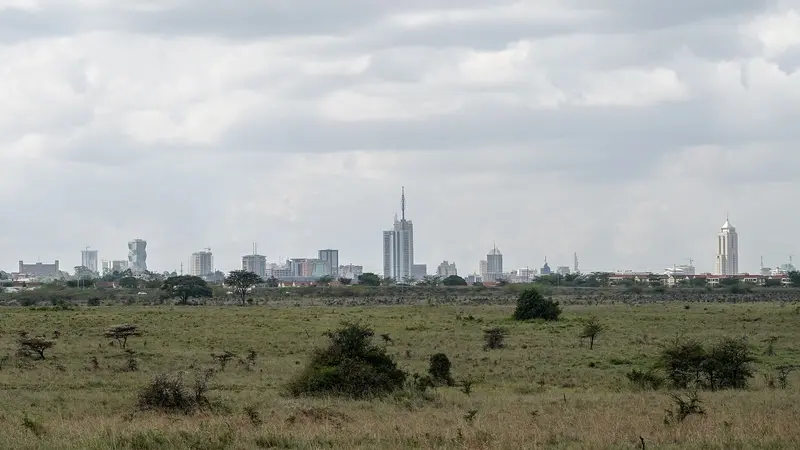
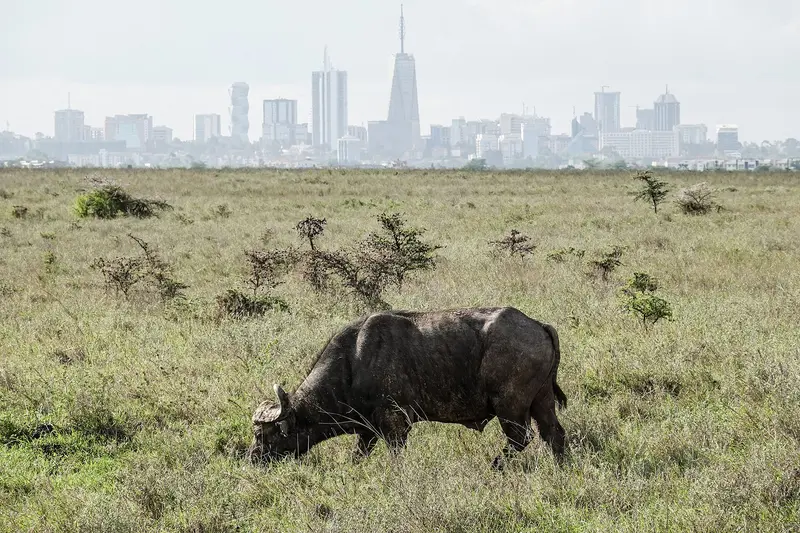
Nairobi and its surroundings are the starting point for most Kenya trips: a metropolis in the highlands, on whose southern edge lies a national park home to black rhinos, wildebeest, and zebras.
by Felix Gillen
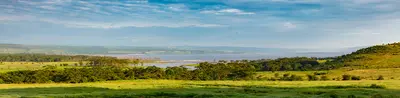
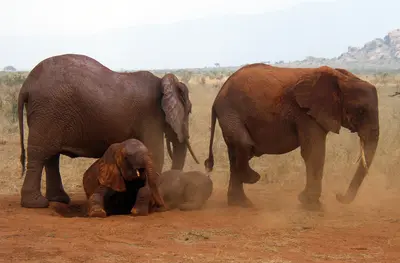
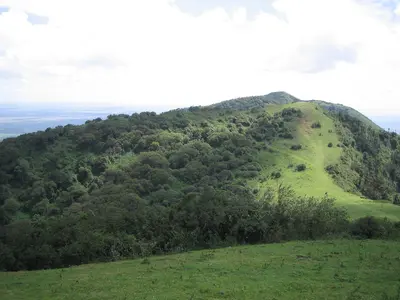
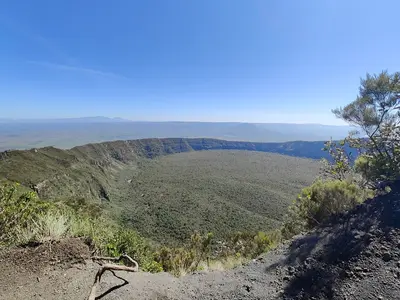
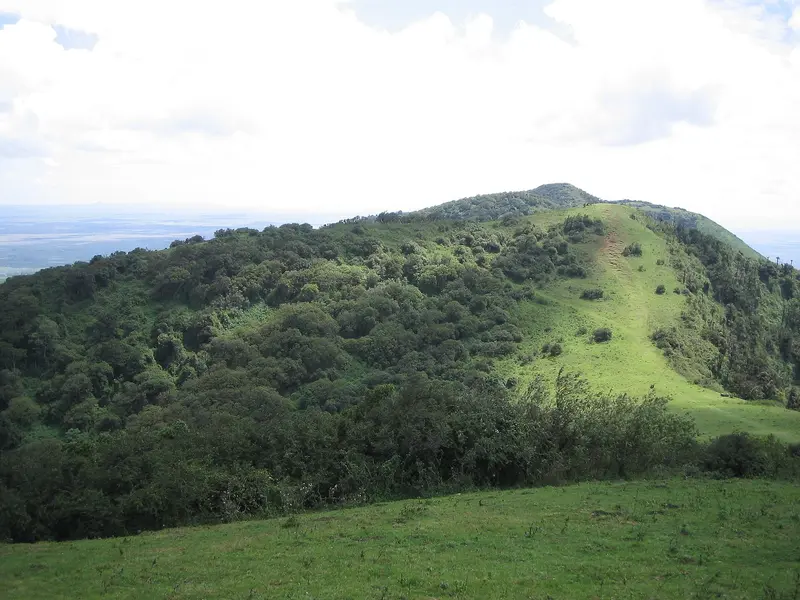
Nairobi and its surroundings are the starting point for most Kenya trips: a metropolis in the highlands, on whose southern edge lies a national park home to black rhinos, wildebeest, and zebras. To the west, the green suburb of Karen and the Ngong Hills adjoin, sloping down to the Great Rift Valley.A day or two here is worthwhile before or after your safari: for the National Museum, the elephant orphans of the Sheldrick Wildlife Trust, the giraffes at the Giraffe Centre, and a hike along the ridge of the Ngong Hills.
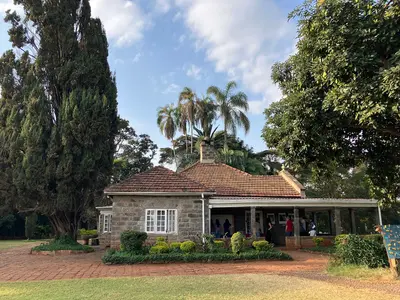
City and Wilderness Side-by-SideNairobi National Park, Kenya's first national park, opened in 1946 and is located just seven kilometers south of the city center. Fenced on three sides, it remains open to the Kitengela Plains in the south, across which wildebeest and zebras migrate between wet and dry seasons.Karen and the Ngong HillsThe suburb of Karen is believed to be named after the Danish writer Karen Blixen, whose farmhouse is now a museum. Beyond it rise the Ngong Hills, a mountain range on the edge of the Rift Valley, featuring a hiking trail over its peaks and the country's first wind farm.Good to KnowMost attractions in the south and west (National Park, Giraffe Centre, Blixen Museum) can be combined in one day.For safety and health, refer to the current travel and security advice from the UK FCDO, linked on the Kenya country page.

Culture & History
Museums of the CapitalThe Nairobi National Museum, opened in 1930 as the Coryndon Museum on Museum Hill, today features exhibitions from early human history to Kenyan history. At the Bomas of Kenya, reconstructed homesteads showcase the building styles of various ethnic groups.Out of AfricaKaren Blixen lived from 1914 for about 17 years on a farm at the foot of the Ngong Hills. Her home in the Karen suburb is now a museum; many know the hills from the film of her memoirs.
Getting There & Around
ArrivalInternational flights land at Jomo Kenyatta International Airport in the southeast of the city. Domestic flights to safari airstrips, such as the Masai Mara, primarily depart from the smaller Wilson Airport.In the City and SurroundingsTaxis and ride-hailing apps like Uber are the easiest solution for visitors, especially in the evening.Matatus (shared minibuses) and Boda-Bodas (motorcycle taxis) are cheap and fast, but can be confusing for non-locals.For the National Park, Karen, and the Ngong Hills, it's best to book a driver or a day tour, as rush hour traffic can be severe.