Fernweh: Home
ExploreGuideDestinationsMy tripsMy trip
de|en
All Places & RegionsRound tripsNight trains in EuropeAll highlightsAbout FernwehFAQPrivacy PolicyImprint
Download on the App StoreGet it on Google Play
ExploreGuideDestinationsMy tripsMy trip
    • Neighborhoods & highlights
    • Recommendations
    • Tours
    • Eat & drink
    • Culture
    • Getting around
    • Accommodation
    • Plan trip
    • Round trips
    • Nearby
    Salvador da Bahia

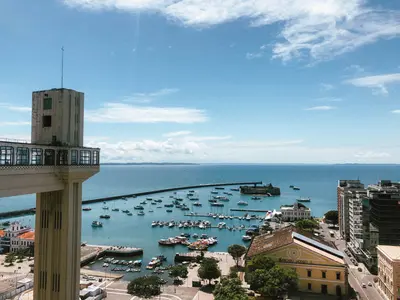
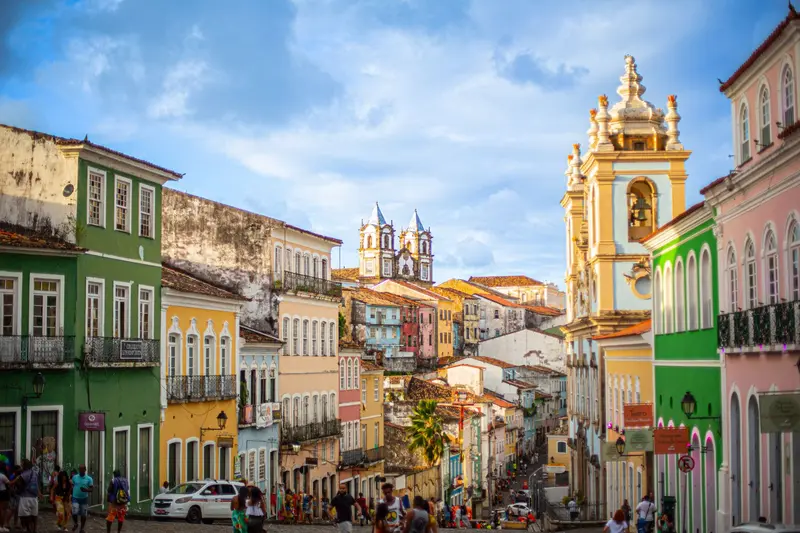
    Photo by LEONARDO DOURADO on Pexels

    Brazil

    Salvador da Bahia

    City

    The Federal Foreign Office explicitly lists Salvador among cities with high crime rates; before your trip, consult the travel advice linked on the country page.

    by Felix Gillen

    1. Home
    2. Destinations
    3. Brazil
    4. Bahia
    5. Salvador da Bahia
    The Federal Foreign Office explicitly lists Salvador among cities with high crime rates; before your trip, consult the travel advice linked on the country page.Salvador was Brazil's first capital from 1549 to 1763 and is now one of the country's largest cities, with around 2.6 million inhabitants. Its Old Town, home to the Pelourinho and a UNESCO World Heritage site since 1985, is located in the Upper City (Cidade Alta) overlooking All Saints' Bay; the Elevador Lacerda connects it with the Lower City (Cidade Baixa) and the Mercado Modelo. You come for the colonial churches and squares, Afro-Brazilian music and religion, and a cuisine featuring Acarajé and Moqueca.
    Brazil travel guideSee the round tripPlan a trip with Salvador da Bahia

    Contents

    • Neighborhoods & highlights
    • Recommendations
    • Tours
    • Eat & drink
    • Culture
    • Getting around
    • Accommodation
    • Round trips
    • Nearby

    Sights in Salvador da Bahia

    Discover the most important sights and attractions

    Attraction

    1Mercado Modelo

    The market hall in the Lower City, right at the foot of the Elevador Lacerda, has over 250 shops selling handicrafts, cachaça, and colorful Bonfim ribbons; admission is free.
    Open in Google Maps
    Attraction

    2Pelourinho (Old Town)

    Salvador's historic center has been a UNESCO World Heritage site since 1985. Its name refers to a pillory where enslaved people were whipped; today, Pelourinho, with its colorful colonial houses, is the city's cultural heart, especially Tuesdays and Sundays with evening live music.
    Open in Google Maps
    Attraction

    3Elevador Lacerda

    Opened in 1873, the elevator, then 63 meters high and now 72 meters, has been a protected monument since 2006. It connects the Upper City with Pelourinho and the Lower City with Mercado Modelo; since its reopening in February 2025, a ride costs R$ 1. From the top, you get a sweeping view over All Saints' Bay.
    Open in Google Maps
    Church

    4Basilica of the Lord of Bonfim

    The pilgrimage church, about 8 km north of the old town, was consecrated in 1754 and has been a basilica since 1927. It is a place where Catholic and Candomblé traditions meet, and the destination of the Festa do Bonfim in January, when Baianas wash the steps.
    Open in Google Maps
    Attraction

    5Farol da Barra and Forte de Santo Antônio

    The fort at the entrance to All Saints' Bay houses the Museu Náutico maritime museum, and on it stands the late 17th-century lighthouse. Fodor's recommends visiting in the late afternoon for sunset. The lighthouse is expected to be under restoration until mid-2027; check beforehand if it is accessible.
    Open in Google Maps

    Tours & experiences in Salvador da Bahia

    Search tours for Salvador da Bahia on GetYourGuide* (Affiliate link)On GetYourGuide, with reviews from other travellers

    * Affiliate link: if you book through it, we earn a small commission. The price stays the same for you.

    Restaurants in Salvador da Bahia

    1

    Amado

    Waterfront restaurant in the Comércio district, overlooking All Saints' Bay, Chef Danilo Fernandes; In 2026, it celebrated its 20th anniversary and ranks 56th on the Exame list of Brazil's 100 best restaurants.
    Show on Google Maps
    2

    Origin

    Tasting menus with Bahian ingredients like Dendê, Umbu, and Licuri in the Pituba district; Ranked 4th on Exame's list of Brazil's 100 best restaurants 2026. The Recôncavo menu costs R$ 420, the vegetarian R$ 320 (as of June 2026).
    Show on Google Maps
    3

    Manga

    Restaurant in the Rio Vermelho entertainment district, ranked 13th on Exame's list of the 100 best restaurants in Brazil 2026; the menu costs R$ 520 (as of June 2026).
    Show on Google Maps
    4

    Acarajé da Dinha

    Known Acarajé stand at Largo de Santana in Rio Vermelho, now run by Dinha's daughter Cláudia de Assis; according to the city's tourism portal, Mon-Wed 5-10 PM, Thu-Fri until midnight, weekends from 11 AM.
    Show on Google Maps

    Culture and Fests

    Afro-Brazilian HeritageFrom 1558, Salvador was home to one of the New World's first slave markets; African roots continue to shape its religion, music, and cuisine to this day. In the Basilika do Bonfim, Catholic and Candomblé traditions converge, while at the Igreja do Rosário dos Pretos, a mass with Atabaque drums is celebrated on Tuesdays. The Acarajé vendors in white traditional dress, known as Baianas, have been a national cultural heritage since 2005.Annual FestivalsJanuary: Festa do Bonfim, a national cultural heritage since 2013; during the Lavagem, Baianas walk from the Conceição da Praia Church to the Basilica and wash its steps.February 2: Festival of the sea goddess Iemanjá in the Rio Vermelho district with flowers and offerings brought to the sea.MusicIn the evenings, you can hear live music in Pelourinho, especially on Tuesdays and Sundays. Samba de Roda from the Recôncavo, the bay's hinterland, has been a UNESCO cultural heritage since 2008.

    On the Road in Salvador

    Elevador LacerdaThe 72-meter-high elevator from 1873 connects the upper and lower towns. Since its reopening in February 2025, a ride costs R$ 1.Long-distance Bus and FlightFrom the bus terminal (Terminal Rodoviário, Av. ACM), Rapido Federal departs daily at 8 AM, 1 PM, and 11 PM to Lençóis in the Chapada Diamantina (a good six hours). The Foreign Office advises avoiding night journeys.To Europe, for instance, TAP flies daily nonstop to Lisbon (approx. 8 hours).SafetyFollow the advice of the Foreign Office, which lists Salvador among cities with high crime rates; for evening travel and between neighborhoods, use ride-sharing services.

    Accommodations in Salvador da Bahia

    Find perfect stay in Salvador da Bahia

    Booking.com* (Affiliate link)
    Search Hotels
    Agoda* (Affiliate link)
    Search Hotels
    Airbnb
    Vacation Rentals

    * Affiliate link: if you book through it, we earn a small commission. The price stays the same for you.

    Plan your trip to Salvador da Bahia

    Save places, build a route and plan your city trip, all in one place.

    1. 1
      Sunrise over alpine peaks and a sea of clouds
      1234

      Round trip

      12 days · 4 stops

      Saved

      Pick a route

      Pick a ready-made one or save places and plan your own.

      Open bookmarks
    2. 2

      Trip to Salvador da Bahia

      Live
      • 1Mercado Modelo3 days
      • 2Pelourinho (Old Town)4 days
      • 3Elevador Lacerda5 days
      Budget

      Plan your trip

      The planner sorts stops, days and budget. Plan together in real time.

      Start trip planning
    3. 3
      9:41 No signal
      Salvador da Bahia
      Available offline

      Photo by LEONARDO DOURADO on Pexels

      Use it on the road

      Download the guide to your phone and use it on site, even offline.

    Round trips with Salvador da Bahia

    Brazil Classics: Rio, Costa Verde, Iguaçu and Bahia

    Brazil Classics: Rio, Costa Verde, Iguaçu and Bahia

    The route connects the four destinations most travelers come to Brazil for: Rio de Janeiro with Sugarloaf Mountain and Corcovado, the colonial town of Paraty and car-free Ilha Grande on the Costa Verde, the Iguaçu Falls and Bahia with Salvador's historic old town and the table mountains of Chapada Diamantina. You travel the coast by bus, and cover long distances by domestic flight.

    17 Days
    6 stops
    Open jaw

    Arnaldo Silva·Pexels

    Nearby

    Bahia

    Bahia

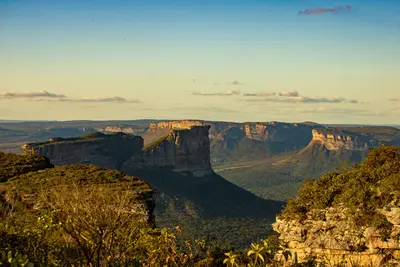
    Bahia is the heart of Afro-Brazilian culture: In the capital Salvador, Brazil's first capital from 1549 to 1763, Candomblé, Capoeira, Samba de Roda, and a cuisine featuring dendê palm oil shape daily life. Inland, the table mountains of Chapada Diamantina rise with waterfalls, caves, and the old diamond town of Lençóis.

    Caroline Cagnin·Pexels

    Chapada Diamantina and Lençóis

    Chapada Diamantina and Lençóis

    Chapada Diamantina, in the interior of Bahia, is a plateau with table mountains, waterfalls, caves, and clear spring-fed pools, about six bus hours west of Salvador. The National Park was established in 1985 and covers about 152,000 hectares. Lençóis is the starting point: The small town was the world's largest diamond producer from 1845 to 1871, its historic ensemble has been protected since 1973.

    Gabriel Victor·Pexels

    Recife and Olinda

    Recife and Olinda

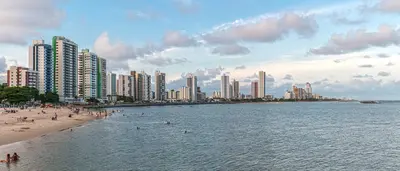
    The Federal Foreign Office lists Recife among major cities with high crime; the warnings are linked on the country page.Recife, the capital of Pernambuco in the northeast, and Olinda, located a few kilometers north, are two sides of a journey: Recife with its port quarter Recife Antigo, museums and Frevo, Olinda with an old town of churches and monasteries on green hills above the sea. Olinda was founded in 1535 and has been a UNESCO World Heritage site since 1982.For Carnival, giant puppets dance through Olinda's alleys; the oldest Boneco, the Homem da Meia-Noite, has participated since 1932. In Recife, the site of America's first synagogue, founded in 1636, is on Rua do Bom Jesus.

    Wilfredor·CC BY-SA 4.0

    Ouro Preto

    Ouro Preto

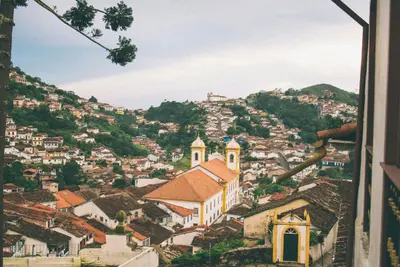
    Ouro Preto in Minas Gerais, southeast of Belo Horizonte, is the most renowned of Brazil's baroque gold cities. Steep cobblestone streets connect squares and hills with numerous churches. In 1980, it became Brazil's first cultural property to be designated a UNESCO World Heritage site.From 1720 to 1897, Ouro Preto served as the capital of Minas Gerais and the heart of the gold rush; in 1789, it was the setting for the Inconfidência Mineira, a conspiracy against the Portuguese Crown. The sculptor and architect Aleijadinho designed the Igreja de São Francisco de Assis here.

    Nathalia Segato·Unsplash

    Minas Gerais

    The state of Minas Gerais, in the hinterland north of Rio, was the center of the Brazilian gold rush in the 18th century. From this period date the baroque mountain towns of Ouro Preto, Congonhas, Tiradentes, and Diamantina, featuring churches by the sculptor and architect Aleijadinho. Four World Heritage Sites are located here: Ouro Preto (1980), the Sanctuary of Congonhas (1985), Diamantina (1999), and Oscar Niemeyer's Pampulha Modern Ensemble in Belo Horizonte (2016).Also found here are the Inhotim Art Park near Brumadinho and a cuisine renowned throughout Brazil, from Pão de queijo to Queijo Minas, whose artisanal production was recognized by UNESCO in 2024 as intangible cultural heritage.

    Your next steps

    Salvador da Bahia is in Brazil. Ways to carry on from here.

    • More in Brazil

      Highlights, areas, routes and the best time to travel for all of Brazil.

      Brazil travel guide
    • Round trips with Salvador da Bahia

      One route passes through Salvador da Bahia, with stops, nights and a map.

      See the round trip

    Sources & method

    • Photos: Pexels. Each photo carries its credit.
    • Place data such as addresses and ratings comes from Google Maps.
    • The content is based on web research from public, traceable sources. How the content is made · The role of AI