Fernweh: Home
ExploreGuideDestinationsMy tripsMy trip
de|en
All Places & RegionsRound tripsNight trains in EuropeAll highlightsAbout FernwehFAQPrivacy PolicyImprint
Download on the App StoreGet it on Google Play
ExploreGuideDestinationsMy tripsMy trip
    Minas Gerais

    Brazil

    Minas Gerais

    Region

    The state of Minas Gerais, in the hinterland north of Rio, was the center of the Brazilian gold rush in the 18th century.

    by Felix Gillen

    1. Home
    2. Destinations
    3. Brazil
    4. Minas Gerais
    The state of Minas Gerais, in the hinterland north of Rio, was the center of the Brazilian gold rush in the 18th century. From this period date the baroque mountain towns of Ouro Preto, Congonhas, Tiradentes, and Diamantina, featuring churches by the sculptor and architect Aleijadinho. Four World Heritage Sites are located here: Ouro Preto (1980), the Sanctuary of Congonhas (1985), Diamantina (1999), and Oscar Niemeyer's Pampulha Modern Ensemble in Belo Horizonte (2016).Also found here are the Inhotim Art Park near Brumadinho and a cuisine renowned throughout Brazil, from Pão de queijo to Queijo Minas, whose artisanal production was recognized by UNESCO in 2024 as intangible cultural heritage.
    Brazil travel guideRound trips in BrazilPlan a trip with Minas Gerais

    More places in Minas Gerais

    Ouro Preto

    Nathalia Segato·Unsplash

    Ouro Preto

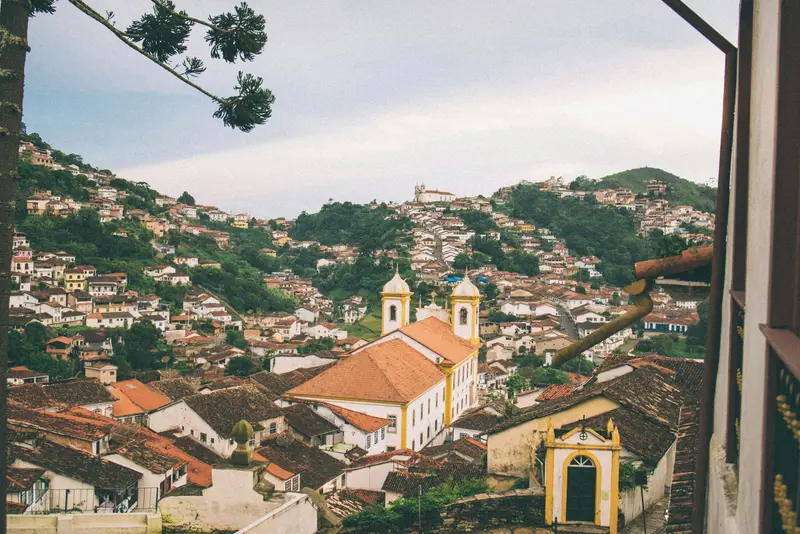
    Ouro Preto in Minas Gerais, southeast of Belo Horizonte, is the most renowned of Brazil's baroque gold cities. Steep cobblestone streets connect squares and hills with numerous churches. In 1980, it became Brazil's first cultural property to be designated a UNESCO World Heritage site.From 1720 to 1897, Ouro Preto served as the capital of Minas Gerais and the heart of the gold rush; in 1789, it was the setting for the Inconfidência Mineira, a conspiracy against the Portuguese Crown. The sculptor and architect Aleijadinho designed the Igreja de São Francisco de Assis here.

    Sights in Minas Gerais

    Discover the most important sights and attractions

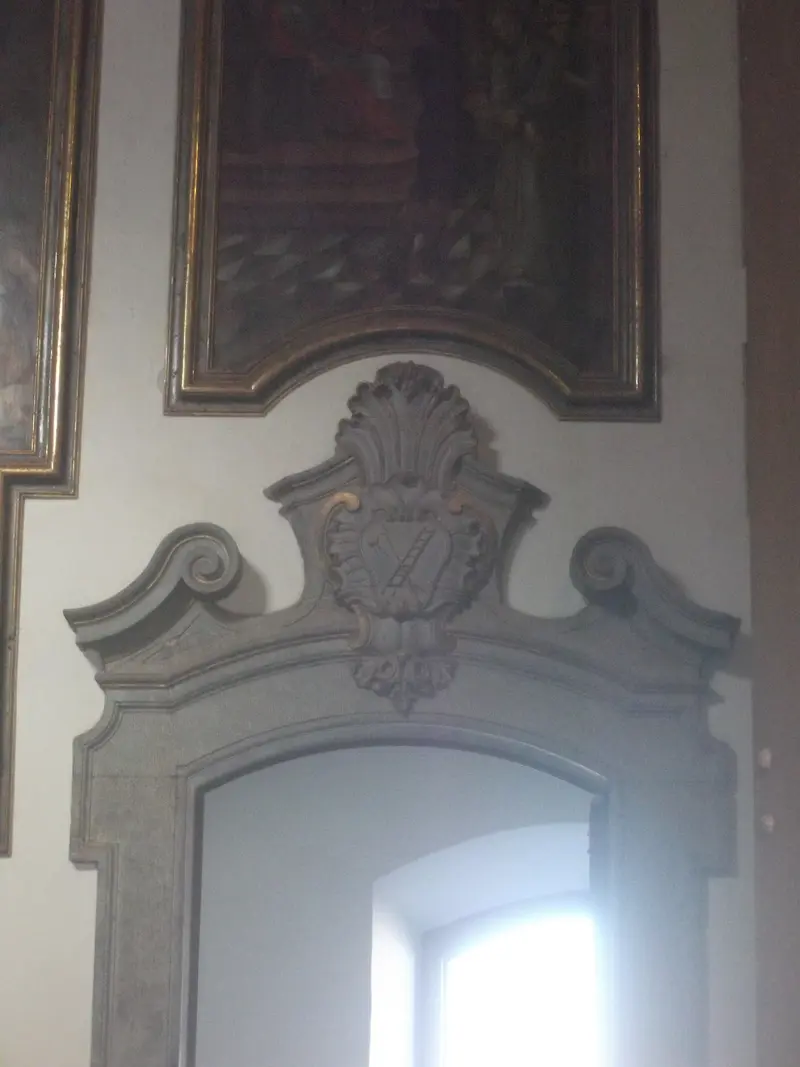
    Sanctuary of Bom Jesus de Matosinhos (Congonhas)

    Eugenio Hansen, OFS / Wikimedia Commons / CC BY-SA 4.0, mod.

    Sanctuary of Bom Jesus de Matosinhos (Congonhas)

    In front of the Sanctuary of Congonhas stand the twelve soapstone prophets, created by Aleijadinho from 1800 to 1805; in the chapels of the Way of the Cross, 66 painted wooden figures depict the Passion. A UNESCO World Heritage site since 1985. Congonhas is located approximately 80 kilometers from Belo Horizonte on the BR-040.
    Open in Google Maps
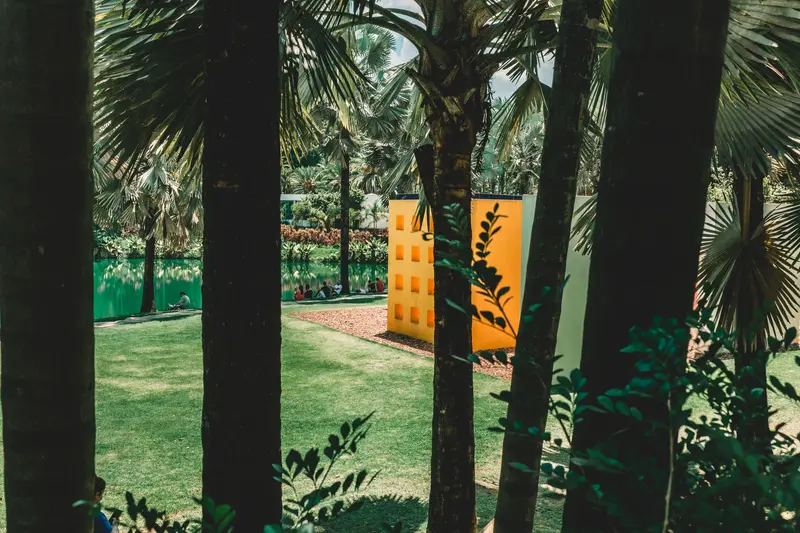
    Inhotim

    Photo by Daniel Neves Cotta on Pexels

    Inhotim

    The Art Park, opened in 2006 near Brumadinho, about 60 kilometers from Belo Horizonte, combines a large garden with contemporary art pavilions: 140 hectares are accessible, the collection comprises over 1,800 works by more than 280 artists. Open Wednesday to Sunday; admission is free on Wednesdays and the last Sunday of the month, but you still need a ticket.
    Open in Google Maps
    Pampulha Ensemble (Belo Horizonte)

    Rkieferbaum / Wikimedia Commons / CC BY-SA 4.0, mod.

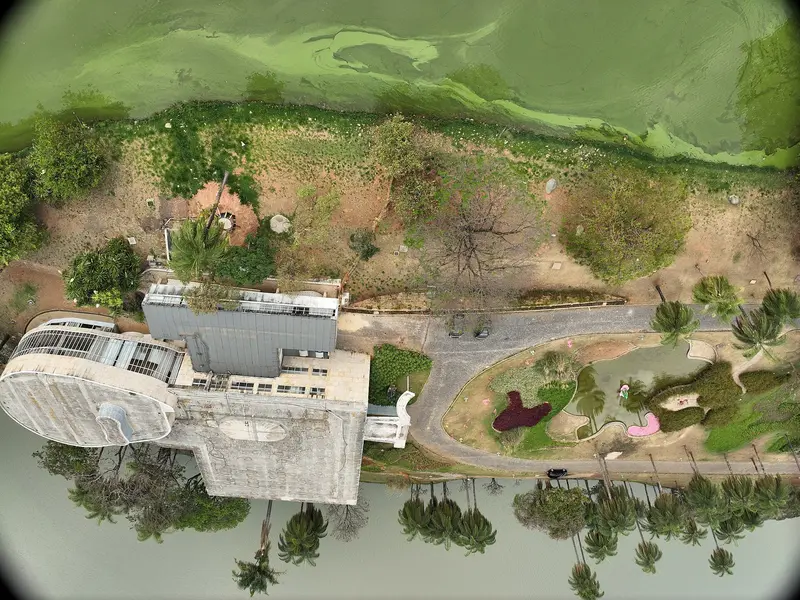
    Pampulha Ensemble (Belo Horizonte)

    In the Pampulha district of Belo Horizonte, starting in 1940, Oscar Niemeyer, alongside Cândido Portinari and Roberto Burle Marx, designed a casino (now an art museum), the Casa do Baile dance hall, a yacht club, and the Church of São Francisco de Assis. A UNESCO World Heritage site since 2016.
    Open in Google Maps
    Tiradentes and Maria Fumaça

    Photo by Douglas Mendes on Pexels

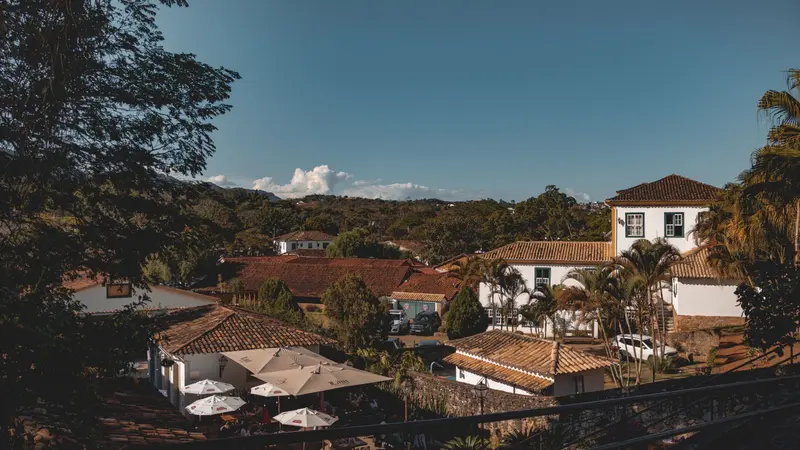
    Tiradentes and Maria Fumaça

    The small colonial town, with some 8,000 residents, is heritage-listed; the Igreja Matriz de Santo Antônio was completed in 1810, and the Chafariz de São José fountain dates from 1749. Between São João del-Rei and Tiradentes, the Maria Fumaça steam train runs 12 kilometers, inaugurated by Emperor Pedro II in 1881.
    Open in Google Maps

    Nearby

    Downtown and Port

    Centro is Rio's historic heart: Here stand the São Bento Monastery, the Paço Imperial, where King João VI resided from 1808, the Candelária Church, and the Belle Époque halls of Confeitaria Colombo. North of it lies the revamped port district with the Museu do Amanhã and "Pequena África" around Cais do Valongo and Pedra do Sal.The Foreign Office points out that the district is deserted and unsafe after business hours, on weekends, and public holidays; therefore, visit it on weekdays during the day.
    Rio de Janeiro

    Rio de Janeiro

    The Federal Foreign Office provides safety advice for Rio, concerning favelas, beaches at night, and K.O. drops in Lapa; this information is linked on its country page.With around 6.7 million inhabitants, Rio de Janeiro is Brazil's second-largest city, situated between granite mountains, rainforest, and Guanabara Bay. Since 2012, its urban landscape, "Carioca Landscapes between the Mountain and the Sea," has been on the UNESCO World Heritage List – the first urban cultural landscape ever. People come for the Christ the Redeemer statue on Corcovado, the Sugarloaf cable car, the beaches of Copacabana and Ipanema, and Lapa's samba nights.The city was founded on March 1, 1565; it was the capital from 1763 to 1960, and home to the Portuguese court from 1808. Its districts vary greatly: The Centro preserves monasteries and Belle Époque buildings, Santa Teresa is located on a hill above it, and the beach districts of Zona Sul stretch southwest.

    Arnaldo Silva·Pexels

    Santa Teresa and Lapa

    Santa Teresa is the artists' quarter on the hill above the city center; Time Out calls it Rio's "bohemian district." The historic Bonde goes up over the Arcos da Lapa; at the top await restaurants like Aprazível and Bar do Mineiro's feijoada. Down in Lapa are the Escadaria Selarón and samba houses like Rio Scenarium and Carioca da Gema.For Lapa, the German Foreign Office explicitly warns of K.O. drops; for your evening return, take a ride service.

    Urca and Botafogo

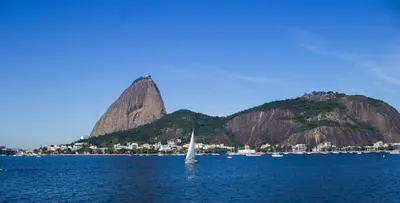
    The quiet residential district of Urca lies at the foot of Sugarloaf Mountain, where the cable car departs from Praia Vermelha, and on the seawall in front of Bar Urca, you can eat snacks with a view of Guanabara Bay. In neighboring Botafogo, restaurants like the Michelin-starred Oteque and several Bib Gourmand establishments have settled.

    Copacabana and Leme

    The Auswärtige Amt names Copacabana among the districts where thefts and muggings occur even during the day, and advises against nocturnal beach walks; the warnings are linked on their country page.Copacabana is Rio’s most famous beach district: roughly four kilometers of sand stretch from Leme rock in the northeast to Forte de Copacabana in the southwest, lined by the promenade with Roberto Burle Marx's wave pattern. Leme, at its eastern end, is a quieter, small enclave. Here, the grand Réveillon fireworks take place on New Year’s Eve.The surf is strong, and after rain, the water is often polluted: The environmental agency INEA shows the bathing water quality; green means swim, red means better stay on the beach.

    Your next steps

    Minas Gerais is in Brazil. Ways to carry on from here.

    • More in Brazil

      Highlights, areas, routes and the best time to travel for all of Brazil.

      Brazil travel guide
    • Round trips in Brazil

      Ready-made routes through Brazil, with stops, nights and a map.

      See the routes
    • Plan a trip with Minas Gerais

      The Guide asks about season, length and who is coming, and suggests a trip with Minas Gerais.

      Plan the trip

    Sources & method

    • Photos: Wikimedia Commons, Pexels. Each photo carries its credit.
    • The content is based on web research from public, traceable sources. How the content is made · The role of AI