Fernweh
    ExploreTravel GuidesMy Trips
    de|en
    All Places & RegionsAbout FernwehImprintFAQPrivacy Policy
    ExploreTravel GuidesMy Trips
    Papingo
    Village

    Papingo

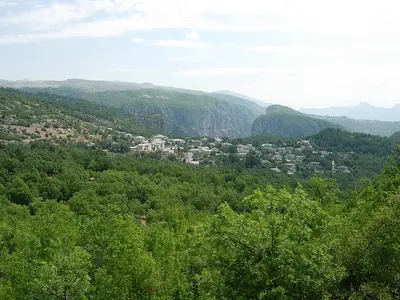
    Papingo consists of the two stone villages of Megalo and Mikro Papingo at the foot of the Astraka rock faces in the Vikos-Aoos National Park.

    More
    1. Home
    2. Destinations
    3. Greece
    4. Epirus
    5. Papingo
    Papingo consists of the two stone villages of Megalo and Mikro Papingo at the foot of the Astraka rock faces in the Vikos-Aoos National Park. From here, hiking trails lead up into the Tymfi Massif, and between the villages are the rock pools of Ovires.
    Two Villages Beneath AstrakaPapingo comprises Megalo Papingo and the smaller Mikro Papingo, together home to just over 200 people at an altitude of around 950 metres. Above the villages rise the limestone walls of Astraka, a summit in the Tymfi Massif. Both villages lie within the Vikos-Aoos National Park.What to ExpectBetween the two villages lie the Ovires, natural rock pools carved by the Rogkovos stream into the limestone. From Mikro Papingo, you can hike up to the Astraka Hut in about three hours; from there, it's another roughly one and a half hours to Drakolimni mountain lake. Papingo is also a possible endpoint for the hike through the Vikos Gorge.

    Sights in Papingo

    Discover the most important sights and attractions

    Ovires of Rogkovos
    TatiTobePreskocilo / Wikimedia Commons / CC BY-SA 4.0

    Ovires of Rogkovos

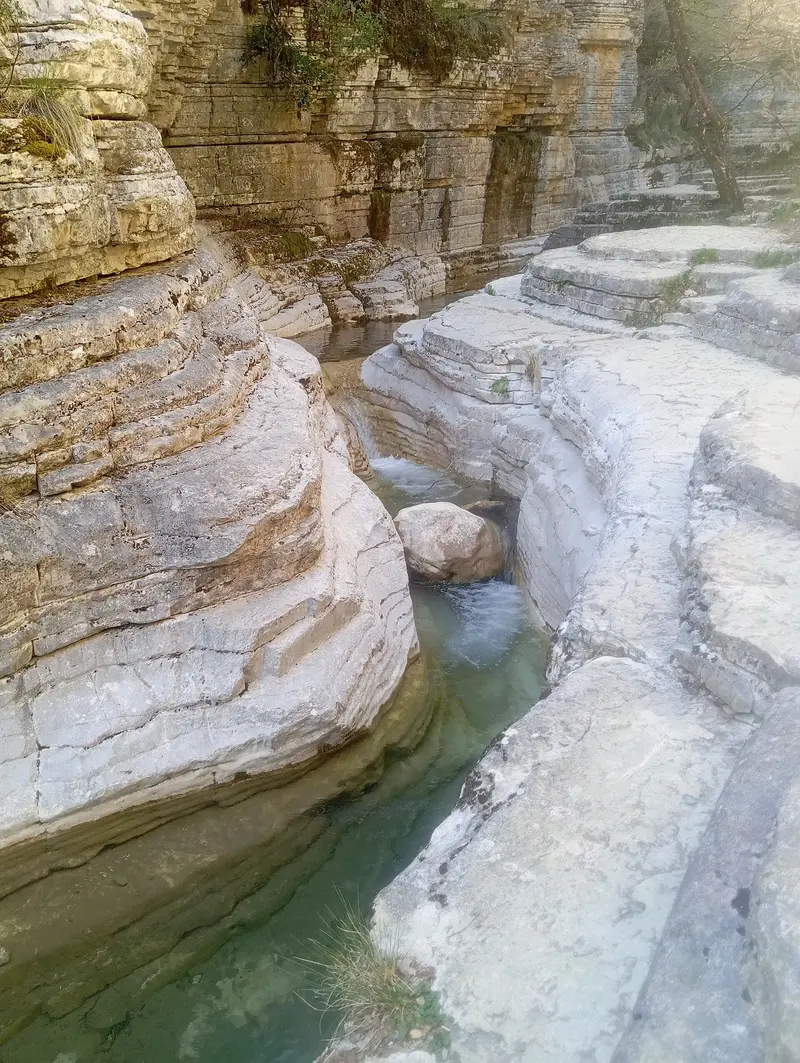
    The Ovires are natural rock pools between Megalo and Mikro Papingo. Over a long period, the Rogkovos stream has washed them into the limestone, where water collects in round, smoothly polished hollows. They lie along the road between the two villages and can be easily incorporated into a stroll from one village to the other.
    Open in Google Maps
    Astraka Cabin
    G.Rousos / Wikimedia Commons / CC BY 4.0

    Astraka Cabin

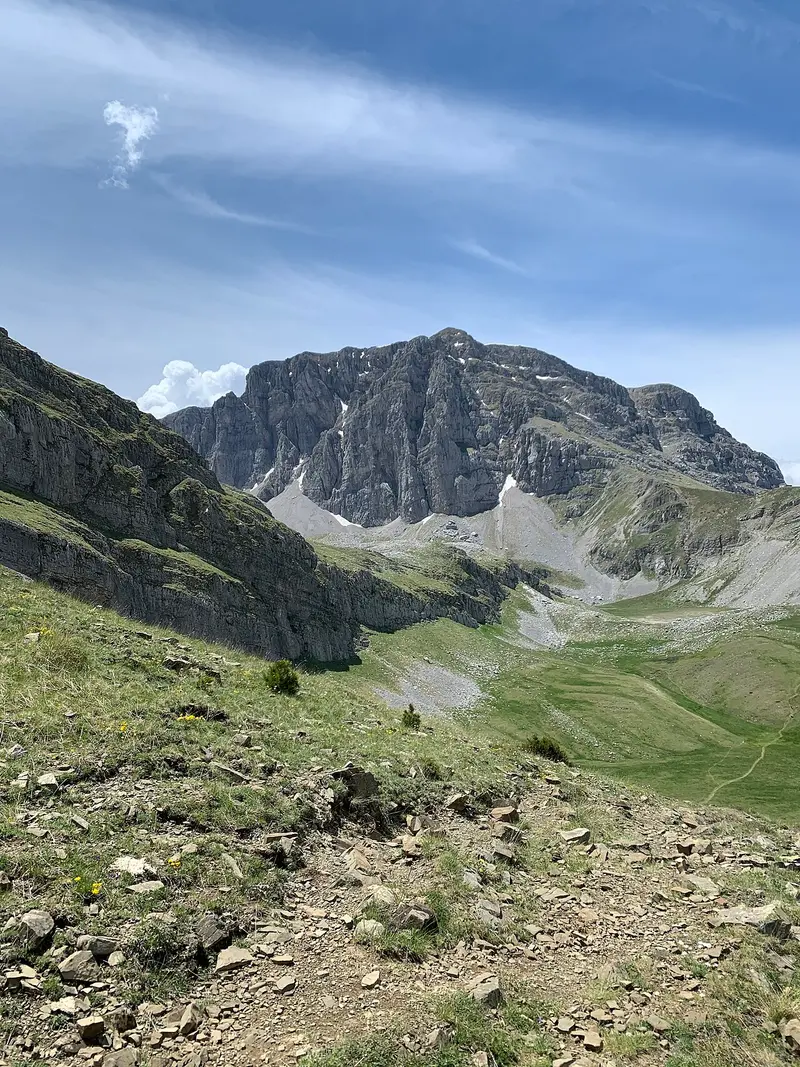
    The mountain hut lies at 1,950 meters below the Astraka summit. From Mikro Papingo, the hike takes about three hours, passing several springs. The hut provides 52 beds and is open daily during summer. It serves as the usual base for the trek to Drakolimni.
    Open in Google Maps
    Drakolimni of Tymfi
    John Lagonikas / Wikimedia Commons / CC BY-SA 3.0

    Drakolimni of Tymfi

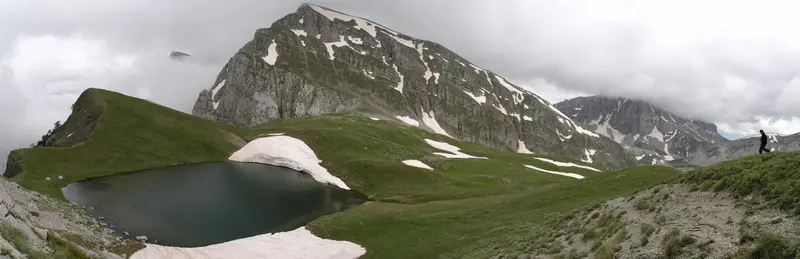
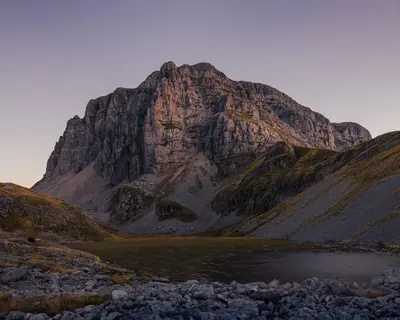
    This small mountain lake, at 2,050m in the Tymfi Massif, is about 90 minutes from Astraka Hut. It's barely five meters deep, with clear water, home to the rare alpine newt. Legend says a dragon dwelled here, feuding with another from Smolikas Lake.
    Open in Google Maps

    Sights in Papingo

    Discover the most important sights and attractions

    Ovires of Rogkovos
    TatiTobePreskocilo / Wikimedia Commons / CC BY-SA 4.0

    1Ovires of Rogkovos

    The Ovires are natural rock pools between Megalo and Mikro Papingo. Over a long period, the Rogkovos stream has washed them into the limestone, where water collects in round, smoothly polished hollows. They lie along the road between the two villages and can be easily incorporated into a stroll from one village to the other.
    Open in Google Maps
    Astraka Cabin
    G.Rousos / Wikimedia Commons / CC BY 4.0

    2Astraka Cabin

    The mountain hut lies at 1,950 meters below the Astraka summit. From Mikro Papingo, the hike takes about three hours, passing several springs. The hut provides 52 beds and is open daily during summer. It serves as the usual base for the trek to Drakolimni.
    Open in Google Maps
    Drakolimni of Tymfi
    John Lagonikas / Wikimedia Commons / CC BY-SA 3.0

    3Drakolimni of Tymfi

    This small mountain lake, at 2,050m in the Tymfi Massif, is about 90 minutes from Astraka Hut. It's barely five meters deep, with clear water, home to the rare alpine newt. Legend says a dragon dwelled here, feuding with another from Smolikas Lake.
    Open in Google Maps

    Restaurants in Papingo

    Astra
    1

    Astra

    The restaurant in Megalo Papingo grows vegetables in its own garden and operates its own trout farm. The menu features garden salad, grilled trout, goat with wild herbs in lemon sauce, and wild mushroom risotto.
    Show on Google Maps
    Veranda 1700
    2

    Veranda 1700

    The restaurant in Mikro Papingo serves regional dishes with seasonal local ingredients. Its wine list focuses on regional wines.
    Show on Google Maps
    Dias
    3

    Dias

    The taverna in Mikro Papingo belongs to a small guesthouse below the rock towers of Astraka. It serves Greek home cooking such as pork with oregano, bifteki, and gigantes.
    Show on Google Maps

    Food and Drink

    In Megalo and Mikro Papingo, hikers are the main diners. The tavernas serve the hearty cuisine of Zagori. Many ingredients come from their own gardens and local farms.

    Pites

    Savory pies with cheese, wild herbs or pumpkin feature on almost every table in Zagori.
    Stuffed Zucchini Flowers
    Saintfevrier / Wikimedia Commons / CC BY-SA 3.0

    Stuffed Zucchini Flowers

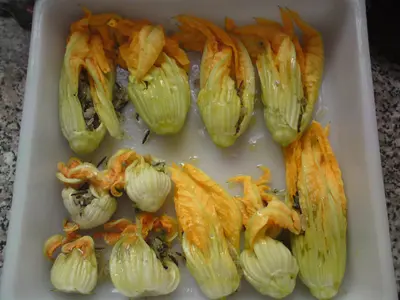
    In summer, rice-filled zucchini blossoms are on the menus of the taverns in Papingo.

    The Trout

    Trout from the mountain streams and breeding ponds of the area come to the table grilled.

    Forest fruit preserves and liqueurs

    The region produces jams and liqueurs from mountain herbs and forest fruits, sold in the villages.

    Culture and History

    Former Capital of ZagoriPapingo is mentioned in Byzantine sources in 1325. Following the Ottoman conquest from 1430, it became the main village of Zagori and flourished until the 17th century.Decline and RevivalIn the 20th century, many residents emigrated. Only tourism in recent decades has revived the two villages. Greeks and Arvanites live in Megalo Papingo, while Mikro Papingo is predominantly Greek.Zagori World HeritageSince 2023, Zagori's cultural landscape, with its stone villages, arched bridges, and cobbled paths, has been on the UNESCO World Heritage List.

    Getting Here & Around

    Getting TherePapingo is located in the northwest of Zagori and can be reached from Ioannina via a mountain road. Public transport links are sparse, making a rental car the practical solution.Between the VillagesMegalo and Mikro Papingo are located about one kilometre apart and are connected by a road, along which the Ovires are situated.Into the MountainsThe path to the Astraka Hut starts in Mikro Papingo. The hut, at 1,950 metres, has 52 beds and is open daily in summer, allowing the tour to Drakolimni to be spread over two days.

    Outings

    Drakolimni and Astraka Hut

    From Mikro Papingo, you ascend in about three hours to the Astraka Hut; from there, it's roughly an hour and a half to mountain lake Drakolimni. The tour can be done in a full day or with an overnight stay at the hut.

    Vikos-Canyon

    Papingo is one of the endpoints of the hike through the Vikos Gorge, which begins in Monodendri. Many tackle it in the reverse direction or just a section of it.

    Monodendri and Oxya Lookout Point

    The village in Central Zagori sits on the edge of Vikos Gorge; from Oxya Viewpoint above, you gaze far into the canyon.

    Accommodations in Papingo

    Find perfect stay in Papingo

    Booking.com
    Search Hotels
    Agoda
    Search Hotels
    Airbnb
    Vacation Rentals
    Hotels.com
    Hotels Worldwide
    Hostelworld
    Hostels

    Campgrounds in Papingo

    Find perfect campground in Papingo

    Search via Google Maps
    Campgrounds nearby (15km)
    Camping.info
    Find Campgrounds
    Park4Night
    RV Parks & Camping

    Nearby

    Monodendri
    No machine-readable author provided. Vincent C~commonswiki assumed (based on copyright claims). / Wikimedia Commons / CC BY-SA 3.0

    Monodendri

    Monodendri sits at 1,060 meters in Central Zagori, 41 kilometers north of Ioannina, directly on the edge of the Vikos Gorge. The stone village serves as a starting point for traversing the gorge and for its viewpoints above.
    Ioannina

    Ioannina

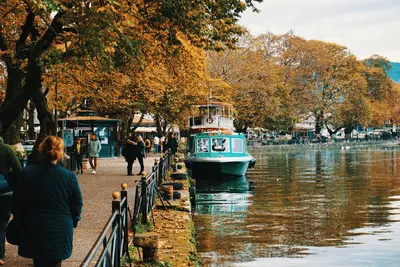
    Welcome to Ioannina, a fascinating city in northwestern Greece, where the serene beauty of Lake Pamvotida unites with a rich and often turbulent history. You'll soon discover how the traces of Byzantine emperors, Ottoman pashas, and Jewish communities have created a unique cultural mosaic that makes Ioannina a true insider tip for history buffs and nature lovers. Discover a city that honors its past while pulsating with a vibrant student life – a blend that will immediately captivate you.
    Epirus

    Epirus

    Epirus, in northwestern Greece, welcomes you with a rugged beauty that is unparalleled. Here, majestic mountain ranges, deep gorges, and the pristine coast of the Ionian Sea merge to form a multifaceted destination. Discover a region full of authentic villages, ancient history, and a vibrant culture that will immediately captivate you with its raw authenticity.
    Meteora

    Meteora

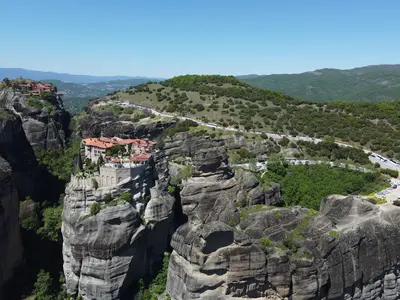
    Meteora, located in the Thessaly region, presents a unique landscape where Byzantine monasteries perch atop imposing sandstone cliffs. This UNESCO World Heritage site is home to six active monasteries, including Megalo Meteoro and Varlaam, which you reach via stairs carved into the rock. Their construction began in the 14th century and served as a retreat for monks seeking spiritual isolation. The architecture and interior frescoes offer deep insights into Greece's Orthodox art and history. For exploration, a visit in the early morning or late afternoon is recommended to avoid the largest crowds and experience the special light. Ensure appropriate clothing that covers shoulders and knees when entering the monasteries.
    Trikala

    Trikala

    Trikala, located in the region of Thessaly, captivates with its relaxed atmosphere and the picturesque Litheos River that flows through the city. Here, you'll find a successful blend of historical heritage and modern infrastructure, evident, for instance, in the introduction of autonomous buses. The historic Varousi Quarter, with its narrow streets and traditional houses, along with the impressive Kursum Mosque, a work by architect Sinan, bear witness to the rich Ottoman history. Towering above the city is the Byzantine Kastro, offering expansive views over Trikala and the surrounding plain. A stroll along the Litheos or across the central pedestrian bridge reveals the city's green heart. For an authentic experience, a visit in spring or autumn is recommended to fully enjoy the mild temperatures and local gastronomy in the tavernas.