Fernweh
    ExploreTravel GuidesMy Trips
    de|en
    About FernwehImprintFAQPrivacy Policy
    ExploreTravel GuidesMy Trips
    Meteora

    Meteora

    CityCulture
    1. Home
    2. Destinations
    3. Greece
    4. Thessaly
    5. Meteora
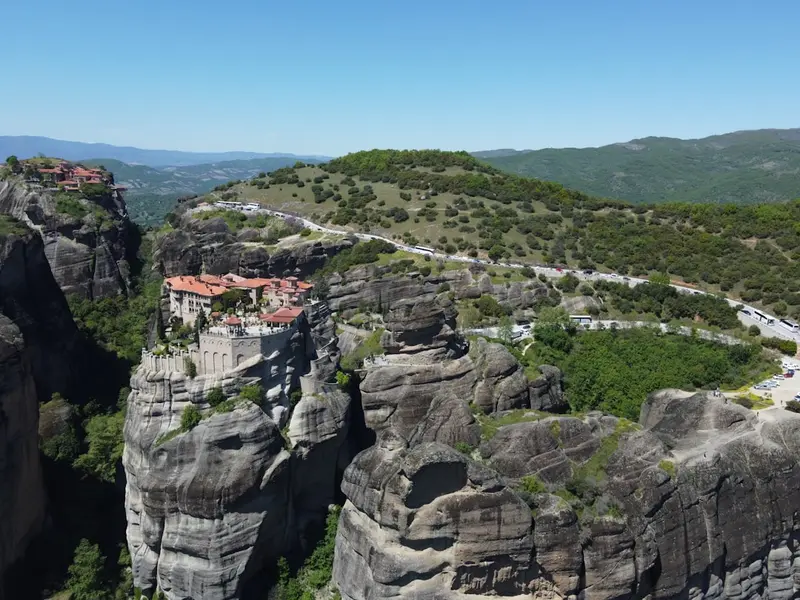
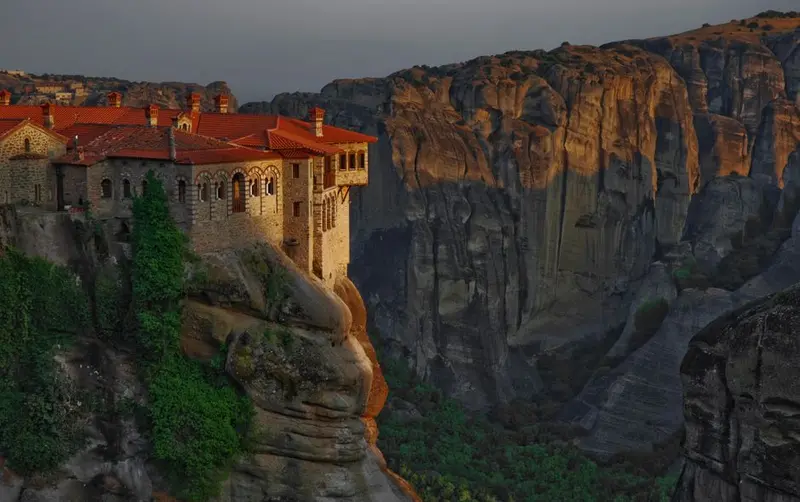
    Meteora, located in the Thessaly region, presents a unique landscape where Byzantine monasteries perch atop imposing sandstone cliffs. This UNESCO World Heritage site is home to six active monasteries, including Megalo Meteoro and Varlaam, which you reach via stairs carved into the rock. Their construction began in the 14th century and served as a retreat for monks seeking spiritual isolation. The architecture and interior frescoes offer deep insights into Greece's Orthodox art and history. For exploration, a visit in the early morning or late afternoon is recommended to avoid the largest crowds and experience the special light. Ensure appropriate clothing that covers shoulders and knees when entering the monasteries.
    • Neighborhoods & highlights
    • Eat & drink
    • Culture
    • Getting around
    • Accommodation
    • Plan trip
    • Nearby
    • Neighborhoods & highlights
    • Eat & drink
    • Culture
    • Getting around
    • Accommodation
    • Plan trip
    • Nearby

    Overview

    Meteora, located in Thessaly, Greece, is renowned for its unique monasteries built atop colossal sandstone pillars. This impressive UNESCO World Heritage site merges an extraordinary natural landscape with deeply rooted spirituality. Of the original 24 monasteries, six are still inhabited today and open to the public, including Moni Megalou Meteorou and Moni Varlaam, which you can explore. The first monks sought solitude and protection here starting in the 14th century, explaining the isolated construction style. It's best to visit Meteora in the early morning or late afternoon to avoid the crowds and capture the special light for photos. Sturdy shoes are advisable, as you will navigate many steps. Along the panoramic road, you'll find numerous viewpoints offering breathtaking vistas over the rock formations and the Thessalian plain.

    Places in Meteora

    Discover the most important sights and attractions

    Sights in Meteora

    Meteora

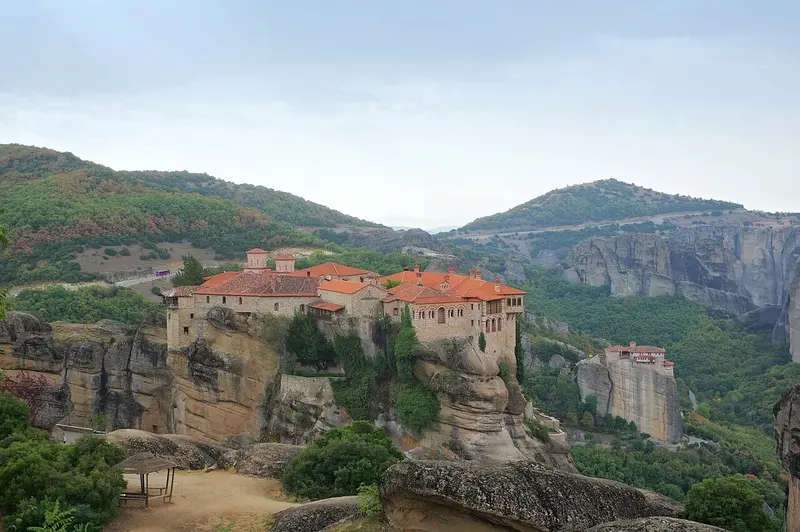
    Meteora, located in the region of Thessaly, is one of Greece's most impressive cultural landscapes. Here you'll find a unique collection of Orthodox monasteries perched on steep sandstone cliffs, giving the impression that they are floating. This extraordinary construction, from the 14th century, provided protection from political unrest and offered the monks a safe refuge. Originally there were 24 monasteries; today, six of them are still inhabited and accessible to visitors, including the Great Meteoron and Varlaam Monastery.The monasteries were built under extremely difficult conditions, with materials and people previously transported up the cliffs using rope hoists and rope ladders. Today, you can easily reach them via rock-carved stairs and bridges. Each visit offers not only deep insights into Byzantine art and architecture but also spectacular panoramic views of the surrounding landscape.Our tip: To avoid the crowds and fully experience the magical atmosphere, plan your visit early in the morning right after opening or in the late afternoon. For the best photos of the entire monastery complex, a viewpoint along the road between the monasteries is recommended, especially during sunset.
    Open in Google Maps

    Sonnenuntergang Aussichtspunkt Meteora

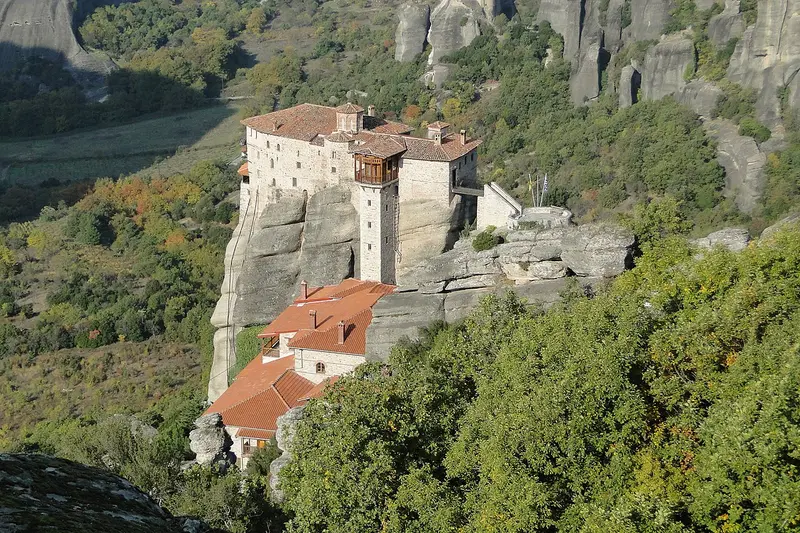
    The Meteora Sunset Viewpoint offers one of the most spectacular perspectives on Greece's unique monastic landscape. Here, you'll witness the warm evening light bathing the majestic sandstone cliffs and the Byzantine monasteries perched atop them in a fascinating play of colors. Built since the 14th century and designated a UNESCO World Heritage site, these monasteries are not just architectural masterpieces but also testaments to a profound spiritual history. You'll gaze upon the silhouettes of monasteries such as Roussanou and Agia Triada, dramatically silhouetted against the glowing sky. Our Tip: Arrive at least 45 minutes before official sunset to secure a good spot and observe the different phases of light. For stunning photos without distracting crowds, we recommend using the side areas of the viewpoint or finding a slightly elevated position.
    Open in Google Maps

    Meteora Rocks Travel

    The **Meteora Rocks** in Greece are a globally unique natural and cultural phenomenon. The name "Meteora" means "suspended in the air," aptly describing the location of the Byzantine monasteries perched on imposing sandstone cliffs. This UNESCO World Heritage site formed geologically millions of years ago, though its spiritual significance began in the 11th century. The main construction phase of the monasteries you can visit today took place from the 14th to 16th centuries, offering protection from political unrest and establishing a center of Orthodox spirituality.As a visitor, you'll be greeted by a breathtaking landscape where the monasteries appear to cling to the sky like eagle's nests. You can ascend several of these historical sites, including the *Great Meteoron* or the *Varlaam Monastery*, and not only admire their architectural mastery but also discover valuable frescoes and icons. The views from the monastery terraces over the surrounding plain are spectacular.Our Tip: Visit Meteora early in the morning or late in the afternoon to avoid the biggest crowds and capture the soft light for stunning photos. Also, remember to wear appropriate clothing – shoulders and knees must be covered in the monasteries.
    Open in Google Maps

    The Rock Holy Spirit

    The Rock of the Holy Spirit (Agio Pnevma) in Meteora is a striking testament to the early ascetic way of life that shaped this region. It is among the first inhabited rocks of the Meteora region and served as a retreat for hermits as early as the 11th century, long before the great monasteries were built. You won't see an accessible monastic complex in the traditional sense here, but rather the remnants of simple caves and smaller structures clinging to the steep rock faces. This structure clearly illustrates the extreme isolation sought by the first monks here. The rock is not accessible to visitors, but its imposing presence is clearly visible from many viewpoints along the road between the monasteries. Our Tip: For the best photos of the Rock of the Holy Spirit, we recommend early morning, when the rising sun bathes the rock faces in warm light and shadows emphasize the dramatic topography. An excellent view is offered from the viewpoint between Roussanou Monastery and Varlaam Monastery. Observing this rock provides a deep understanding of the origins of Meteora monasticism and the incredible determination of the people who led a spiritual life here.
    Open in Google Maps

    Kalampaka

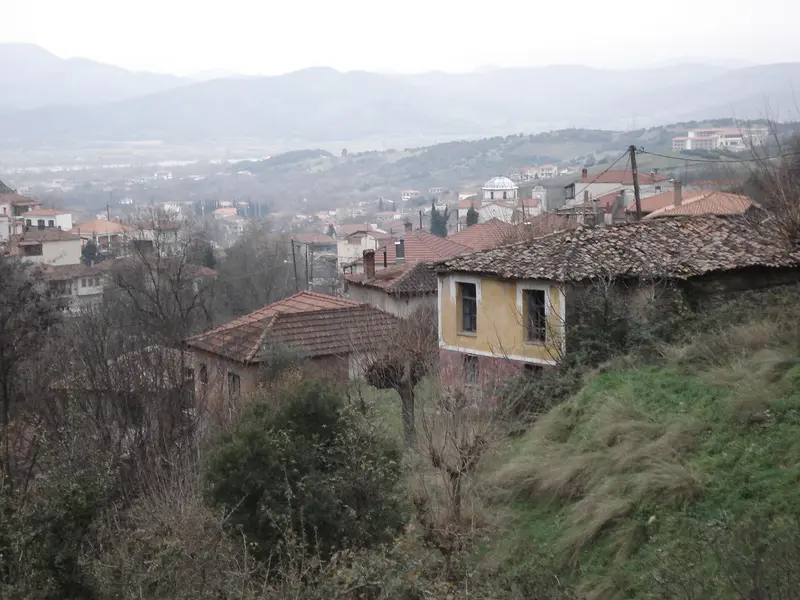
    Kalampaka serves as the vibrant gateway to the Meteora monasteries and is the largest town at the foot of these unique formations. Historically known as Stagoi, the town boasts a long history linked to the Byzantine era and the development of monasticism in the region. Here you'll find a modern infrastructure with accommodations, restaurants, and shops, making it the ideal starting point for your explorations. Even from Kalampaka's streets, you'll enjoy spectacular views of the rocks rising dramatically above the town. A visit to the Byzantine Church of the Assumption of Mary (Koimisis Theotokou) in the old part of town is worthwhile to admire its preserved frescoes and early Christian basilica. Our tip: Use the early morning hours to reach the monasteries before the main crowds gather. For breathtaking photos of the rocks in the golden light of sunset, we recommend a walk to the higher points on the town's outskirts.
    Open in Google Maps

    Food and Drink

    Meteora: A Heritage of Byzantine Spirituality

    The Meteora monasteries represent a unique cultural monument, with origins tracing back to the 9th century, when hermits utilized the difficult-to-access sandstone rocks as a spiritual retreat. The actual establishment of the first monasteries began in the 14th century, initiated by monks such as Saint Athanasios the Meteorite, who founded the Great Meteoron. This period marked the beginning of a golden era, during which a total of 24 monasteries were built on the peaks of these natural rock pillars by the 16th century.Architecturally, the Meteora monasteries are impressive examples of Byzantine architecture, harmoniously blending into the dramatic natural landscape. Their construction under extremely challenging conditions – materials and people were hoisted onto the rocks using winches and nets – testifies to immense determination. Inside, the monasteries house a wealth of art treasures, including well-preserved frescoes from the 14th to 16th centuries, icons, manuscripts, and religious artifacts, offering profound insights into Orthodox iconography and spirituality.Meteora is not only a UNESCO World Heritage site but also a vibrant center of Orthodox tradition and an important pilgrimage destination. The six monasteries still active today continue to uphold monastic life and preserve Greece's cultural and religious heritage. They symbolize the resilience of faith and the profound connection between humanity, nature, and the divine.

    On the Go Locally

    The impressive landscape of Meteora requires a thoughtful approach to getting around, as no subway or tram exists here. The region relies on local buses, taxis, and individual transport. Buses run regularly from Kalambaka to the monasteries, with tickets available directly on the bus or at small kiosks. For maximum flexibility, a rental car is recommended to explore the expansive routes and hidden viewpoints at your own pace.Alternatively, bicycles and e-scooters offer a way to experience the picturesque roads between the rock formations. Taxis are readily available in Kalambaka and ideal for quick trips; however, ride-sharing services are less common in this more rural area. While the towns of Kalambaka and Kastraki are easily explored on foot, the paths between the monasteries are often long and steep, which is why comfortable footwear is essential. Plan your routes carefully.

    Accommodations in Meteora

    Accommodations in Meteora

    Find perfect stay in Meteora

    Booking.com
    Search Hotels
    Agoda
    Search Hotels
    Airbnb
    Vacation Rentals
    Hotels.com
    Hotels Worldwide
    Hostelworld
    Hostels

    Campgrounds in Meteora

    Find perfect campground in Meteora

    Search via Google Maps
    Campgrounds nearby (15km)
    Camping.info
    Find Campgrounds
    Park4Night
    RV Parks & Camping

    Plan your trip to Meteora

    Save places, build a route and plan your city trip — all in one place.

    Save places

    Bookmark sights, restaurants and neighborhoods you're interested in.

    Build your route

    Turn your bookmarks into a route — define order, days and budget.

    Refine with AI

    Let Mein Fernweh suggest experiences and put together a tailored daily plan.

    Start trip planningOpen bookmarks

    Locations nearby

    These places are nearby — perfect for additional days or a day trip.

    Trikala

    Trikala

    Trikala, located in the region of Thessaly, captivates with its relaxed atmosphere and the picturesque Litheos River that flows through the city. Here, you'll find a successful blend of historical heritage and modern infrastructure, evident, for instance, in the introduction of autonomous buses. The historic Varousi Quarter, with its narrow streets and traditional houses, along with the impressive Kursum Mosque, a work by architect Sinan, bear witness to the rich Ottoman history. Towering above the city is the Byzantine Kastro, offering expansive views over Trikala and the surrounding plain. A stroll along the Litheos or across the central pedestrian bridge reveals the city's green heart. For an authentic experience, a visit in spring or autumn is recommended to fully enjoy the mild temperatures and local gastronomy in the tavernas.
    Ioannina

    Ioannina

    Welcome to Ioannina, a fascinating city in northwestern Greece, where the serene beauty of Lake Pamvotida unites with a rich and often turbulent history. You'll soon discover how the traces of Byzantine emperors, Ottoman pashas, and Jewish communities have created a unique cultural mosaic that makes Ioannina a true insider tip for history buffs and nature lovers. Discover a city that honors its past while pulsating with a vibrant student life – a blend that will immediately captivate you.
    Epirus

    Epirus

    Epirus, in northwestern Greece, welcomes you with a rugged beauty that is unparalleled. Here, majestic mountain ranges, deep gorges, and the pristine coast of the Ionian Sea merge to form a multifaceted destination. Discover a region full of authentic villages, ancient history, and a vibrant culture that will immediately captivate you with its raw authenticity.
    Larissa

    Larissa

    As the capital of Thessaly, Larissa offers a rich history, impressive archaeological sites such as the Ancient Theatre, and a vibrant modern atmosphere.
    Thessaly

    Thessaly

    Thessaly, situated right in the heart of Greece, draws you in with a fascinating blend of majestic nature and a deeply rooted culture. From the suspended monasteries of Meteora to the idyllic villages of Pelion, this region offers unforgettable experiences for every traveler. Discover ancient archaeological sites, vibrant cities, and an unparalleled hospitality.