Fernweh
    ExploreTravel GuidesMy Trips
    de|en
    About FernwehImprintFAQPrivacy Policy
    ExploreTravel GuidesMy Trips
    Thessaly

    Thessaly

    Region
    1. Home
    2. Destinations
    3. Greece
    4. Thessaly
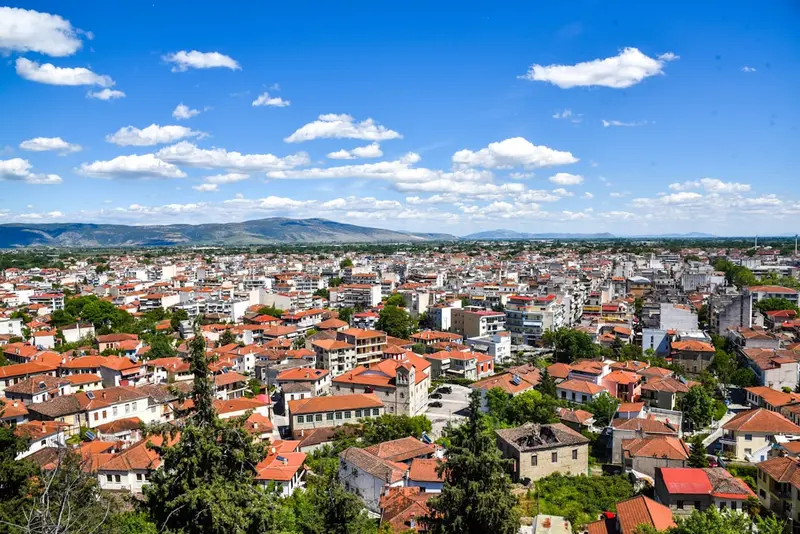
    Thessaly, situated right in the heart of Greece, draws you in with a fascinating blend of majestic nature and a deeply rooted culture. From the suspended monasteries of Meteora to the idyllic villages of Pelion, this region offers unforgettable experiences for every traveler. Discover ancient archaeological sites, vibrant cities, and an unparalleled hospitality.
    • Overview
    • Places in the region
    • Eat & drink
    • Culture
    • Nearby
    • Overview
    • Places in the region
    • Eat & drink
    • Culture
    • Nearby
    Thessalien, im Herzen Griechenlands gelegen, präsentiert sich als eine Region von vielfältiger Landschaft und reicher Kultur. Du findest hier die beeindruckenden Meteora-Klöster, eine UNESCO-Weltkulturerbestätte, die auf markanten Felsnadeln thronen und tiefe Einblicke in die orthodoxe Geschichte bieten. Die malerische Pilion-Halbinsel lockt mit traditionellen Bergdörfern, üppiger Vegetation und Zugängen zur Ägäis. Städte wie Larissa und die Hafenstadt Volos fungieren als lebendige Zentren, die das moderne griechische Leben widerspiegeln. Kulturell ist die Region stark von ihrer Landwirtschaft geprägt, was sich auch in der authentischen thessalischen Küche zeigt. Für einen ruhigen Besuch der Meteora-Klöster empfiehlt sich der frühe Morgen oder späte Nachmittag. Um die abgelegenen Dörfer des Pilion und seine Strände optimal zu erkunden, ist ein Mietwagen von Vorteil.

    Places in Thessaly

    Larissa

    Larissa

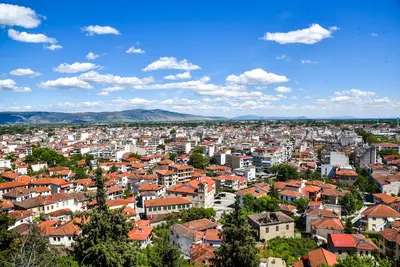
    As the capital of Thessaly, Larissa offers a rich history, impressive archaeological sites such as the Ancient Theatre, and a vibrant modern atmosphere.
    Meteora

    Meteora

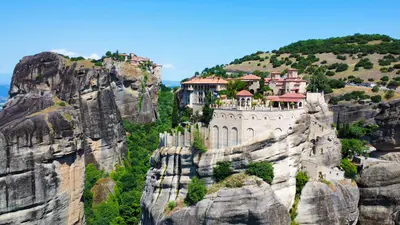
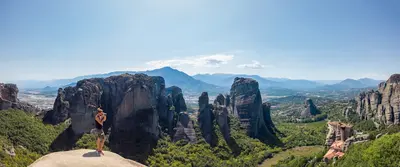
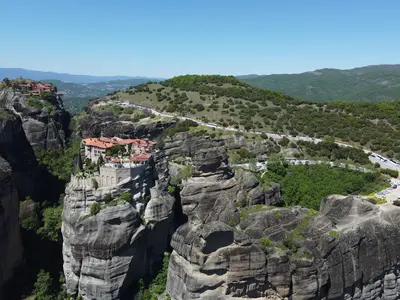
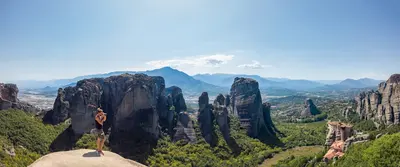
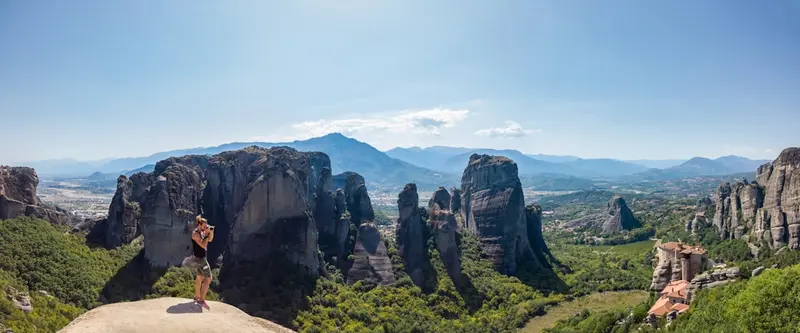
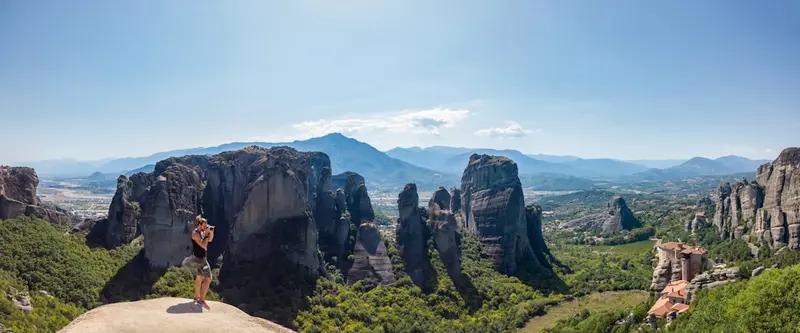
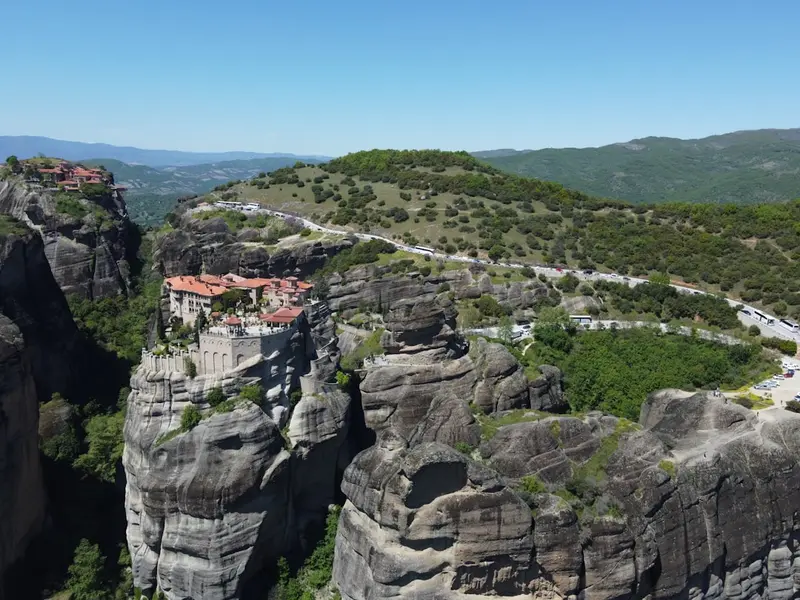
    Meteora, located in the Thessaly region, presents a unique landscape where Byzantine monasteries perch atop imposing sandstone cliffs. This UNESCO World Heritage site is home to six active monasteries, including Megalo Meteoro and Varlaam, which you reach via stairs carved into the rock. Their construction began in the 14th century and served as a retreat for monks seeking spiritual isolation. The architecture and interior frescoes offer deep insights into Greece's Orthodox art and history. For exploration, a visit in the early morning or late afternoon is recommended to avoid the largest crowds and experience the special light. Ensure appropriate clothing that covers shoulders and knees when entering the monasteries.
    Pilion (Pilio)

    Pilion (Pilio)

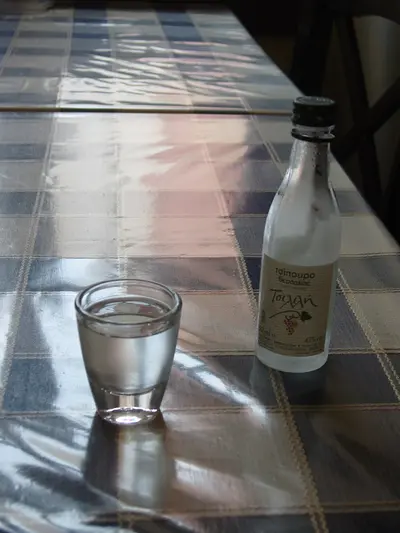
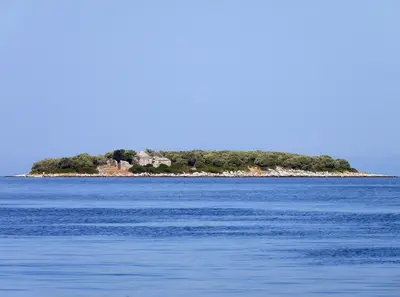
    The Pilion Peninsula in Thessaly offers a unique blend of green mountain scenery and Aegean beaches. You'll explore traditional stone villages like Makrinitsa and Tsagarada, known for their mansions and cobblestone alleys. As the mythological home of the Centaurs, the region is crisscrossed by ancient hiking trails, the Kalderimia. On the coast, beaches like Mylopotamos and Fakistra invite you to linger. Be sure to try local apple products and the regional Tsipouro. Spring or autumn are ideal for enjoying nature and avoiding the largest tourist crowds.
    Trikala

    Trikala

    Trikala, located in the region of Thessaly, captivates with its relaxed atmosphere and the picturesque Litheos River that flows through the city. Here, you'll find a successful blend of historical heritage and modern infrastructure, evident, for instance, in the introduction of autonomous buses. The historic Varousi Quarter, with its narrow streets and traditional houses, along with the impressive Kursum Mosque, a work by architect Sinan, bear witness to the rich Ottoman history. Towering above the city is the Byzantine Kastro, offering expansive views over Trikala and the surrounding plain. A stroll along the Litheos or across the central pedestrian bridge reveals the city's green heart. For an authentic experience, a visit in spring or autumn is recommended to fully enjoy the mild temperatures and local gastronomy in the tavernas.

    Sights in Thessaly

    Discover the most important sights and attractions

    mythessaly.gr

    If you wish to explore the region of Thessaly in Greece, mythessaly.gr is your indispensable digital resource. This official tourism platform offers a deep dive into the region's rich history and diverse culture. Here you will find comprehensive information on the iconic Meteora monasteries, ancient sites like Larisa and Farsala, as well as picturesque coastlines and mountain landscapes. The website also highlights local traditions, unique gastronomy, and the many outdoor activities Thessaly has to offer. Our Tip: Use the detailed categories to search specifically by interest, be it archaeology, nature, or adventure. For optimal trip planning, we recommend studying the suggested routes and using the integrated map functions to make your explorations efficient.
    Open in Google Maps

    Λιμανάκι Πηνειού

    The Limanaki Pineiou, the small harbor basin on the Pinios River in Thessaly, offers you a tranquil glimpse into the local river landscape and its significance for the region. The Pinios, one of Greece's longest rivers, has shaped the fertile plain of Thessaly for millennia and has always been a lifeline for agriculture and settlements. This particular stretch of bank today serves less for commercial purposes, but rather as a recreational area and meeting point for locals. Here you will often find walkers and anglers enjoying the peaceful atmosphere. The riverside promenade invites leisurely strolls, from which you can observe the gentle flow of the river. Our Tip: Visit the Limanaki in the early morning or late afternoon to capture the soft light and experience the calm before the evening bustle. For a beautiful perspective on the river and the surrounding vegetation, a walk along the bank towards the next bridge is recommended.
    Open in Google Maps

    Fountain 'River Glyptos'

    The 'River Glyptos' Fountain in Thessaly is a remarkable example of contemporary art that thematically relates to the rich mythology and geographical importance of the region's rivers. The name 'Glyptos' alludes to the elaborate stone carving you can admire here. The sculpture represents a stylized depiction of a river, whose flowing forms and polished surfaces uniquely capture the element of water. Here you will find an oasis of tranquility that invites you to linger and provides a contrast to the often bustling surroundings. The fine craftsmanship and symbolic depth make this fountain an interesting photo opportunity. Our Tip: Visit the fountain in the early morning or late afternoon to take advantage of the soft light that particularly highlights the sculpture's details. This way, you also avoid the largest crowds and can enjoy the atmosphere undisturbed.
    Open in Google Maps

    Diachronic Museum of Larissa

    The Diachronic Museum of Larissa offers you a comprehensive insight into the rich history of Thessaly, from the Stone Age to the modern era. Here you'll find an impressive collection of archaeological finds that document the region's development over millennia. The exhibition is chronologically structured, guiding you through prehistoric settlements, the golden age of the ancient city of Larissa, the Roman and Byzantine eras, and up to the Ottoman period. Particularly noteworthy are the Neolithic ceramics, Mycenaean grave goods, and Roman mosaics, which reflect the cultural diversity and richness of the past. The Byzantine icons and the evidence of the Ottoman heritage are also of great significance. Our tip: Take ample time for the detailed descriptions and carefully presented exhibits to fully grasp the entire scope of history. For a quieter visit, we recommend coming on a weekday morning. Keep an eye out for the rotating special exhibitions, which often delve deeper into specific aspects of Thessalian culture.
    Open in Google Maps

    Municipal Art Gallery of Larissa G.I. Katsigras Museum

    The Municipal Art Gallery of Larissa G.I. Katsigras Museum in Thessaly is home to one of Greece's most significant art collections. Here, you'll discover the extensive donation from physician and art collector G.I. Katsigras, offering a comprehensive overview of modern Greek painting from the 19th and 20th centuries. The collection features works by renowned artists, representing diverse styles and eras, from the Munich School to the Generation of the '30s. The modern museum building is specifically designed to showcase these valuable exhibits, providing a pleasant atmosphere for your visit. Alongside the permanent exhibition, regular temporary special exhibitions are presented, broadening the spectrum of Greek and international art. Our Tip: Plan your visit for the morning to fully appreciate the tranquility of the spaces and view the artworks without large crowds. Also, take note of the building's architecture itself, which creates an interesting contrast to the historical artworks.
    Open in Google Maps

    Food and Drink

    Cultural Heritage & History of Thessaly

    Thessaly, a region in the heart of Greece, boasts a deeply rooted history and a rich cultural heritage, with traces reaching back to prehistoric times. Archaeological findings bear witness to early Neolithic settlements and a significant role in the Mycenaean era.During antiquity, the region was the scene of important events and home to influential city-states that organized themselves in the Thessalian League. The Roman and later the Byzantine epochs also left behind distinctive architectural and cultural legacies, visible in numerous ruins and early Christian churches.An outstanding example of Byzantine art and architecture are the monasteries of Meteora, perched on imposing rock formations. Designated as a UNESCO World Heritage site, they offer unique insights into the spiritual and architectural mastery of that era. Their murals and unique construction style reflect the religious art of the epoch.Ottoman rule further shaped Thessaly's cultural fabric over centuries, reflected in urban structures and local customs. Today, the Thessalian identity is defined by a blend of ancient myths, such as those of the Centaurs and Argonauts, and vibrant traditions. Local festivals, often with agricultural roots, as well as traditional music, dances, and craftsmanship are an integral part of cultural life. The architecture ranges from the stone villages of Pelion to the neoclassical buildings in urban centers like Larissa and Volos.

    Locations nearby

    These places are nearby — perfect for additional days or a day trip.

    Larissa

    Larissa

    As the capital of Thessaly, Larissa offers a rich history, impressive archaeological sites such as the Ancient Theatre, and a vibrant modern atmosphere.
    Trikala

    Trikala

    Trikala, located in the region of Thessaly, captivates with its relaxed atmosphere and the picturesque Litheos River that flows through the city. Here, you'll find a successful blend of historical heritage and modern infrastructure, evident, for instance, in the introduction of autonomous buses. The historic Varousi Quarter, with its narrow streets and traditional houses, along with the impressive Kursum Mosque, a work by architect Sinan, bear witness to the rich Ottoman history. Towering above the city is the Byzantine Kastro, offering expansive views over Trikala and the surrounding plain. A stroll along the Litheos or across the central pedestrian bridge reveals the city's green heart. For an authentic experience, a visit in spring or autumn is recommended to fully enjoy the mild temperatures and local gastronomy in the tavernas.
    Pilion (Pilio)

    Pilion (Pilio)

    The Pilion Peninsula in Thessaly offers a unique blend of green mountain scenery and Aegean beaches. You'll explore traditional stone villages like Makrinitsa and Tsagarada, known for their mansions and cobblestone alleys. As the mythological home of the Centaurs, the region is crisscrossed by ancient hiking trails, the Kalderimia. On the coast, beaches like Mylopotamos and Fakistra invite you to linger. Be sure to try local apple products and the regional Tsipouro. Spring or autumn are ideal for enjoying nature and avoiding the largest tourist crowds.
    Meteora

    Meteora

    Meteora, located in the Thessaly region, presents a unique landscape where Byzantine monasteries perch atop imposing sandstone cliffs. This UNESCO World Heritage site is home to six active monasteries, including Megalo Meteoro and Varlaam, which you reach via stairs carved into the rock. Their construction began in the 14th century and served as a retreat for monks seeking spiritual isolation. The architecture and interior frescoes offer deep insights into Greece's Orthodox art and history. For exploration, a visit in the early morning or late afternoon is recommended to avoid the largest crowds and experience the special light. Ensure appropriate clothing that covers shoulders and knees when entering the monasteries.
    Pelion (Peninsula)

    Pelion (Peninsula)

    The Pelion Peninsula in Greece captivates with its unique blend of densely forested mountains and picturesque coasts. You'll find traditional villages here like Makrinitsa, often called the "Balcony of Pelion," with its impressive views and characteristic architecture. Other highlights include Tsagarada with its ancient plane trees and Milies, known for its frescoes and the historic Pelion railway station. The region, considered the home of the Centaurs in Greek mythology, also offers hidden coves like Mylopotamos and Fakistra. Explore the numerous hiking trails that lead between the villages and to secluded beaches. A rental car is essential to discover the peninsula's diversity, with spring and autumn being ideal travel times to enjoy the mild climate and blooming nature.