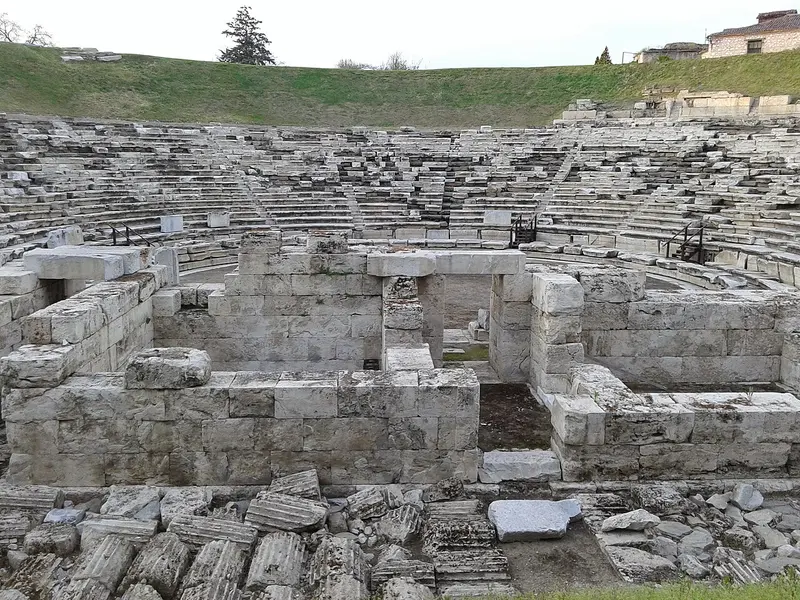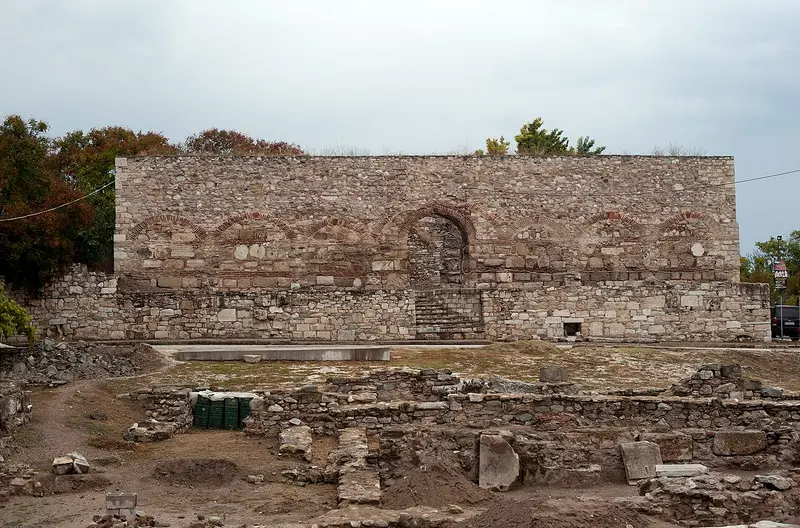
As the capital of Thessaly, Larissa offers a rich history, impressive archaeological sites such as the Ancient Theatre, and a vibrant modern atmosphere.
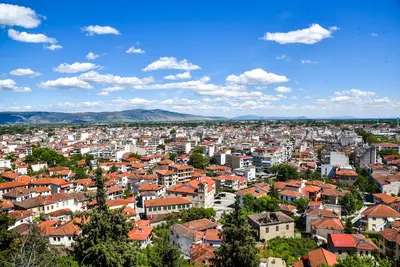
Larissa, the capital of Thessaly, is a hub of ancient history and modern life in Central Greece. You'll discover the Ancient Theater I in the city center, as well as the Archaeological Museum in the Bezesteni Mosque, which showcases regional finds. Lively shopping streets and Plateia Tachydromeion shape the city's urban heart. The Alcazar Park by the Pinios River offers relaxation; you can sample local specialties in market halls and tavernas. Spring or autumn are ideal for a visit, offering mild temperatures and fewer tourists.
Places in Larissa
Discover the most important sights and attractions
Sights in Larissa
1mythessaly.gr
mythessaly.gr is the official information portal for the Thessaly region, serving as a comprehensive digital resource for travelers. Here, you'll find detailed insights into the rich history, diverse culture, and stunning nature of this Greek region, including Larissa. The platform offers in-depth information on archaeological sites like Larissa's Ancient Theatre, traditional villages, and natural parks such as the Pelion Mountains or Meteora Monasteries. It also provides practical tips on local events, accommodation, and dining, simplifying your travel planning. Our Tip: Use interactive maps and thematic sections to explore your interests and plan routes off the beaten path. The site is an indispensable tool to learn about Thessaly's diversity beforehand and make the most of your visit.
The Limanáki Piniou in Larissa is not a traditional seaport, but a picturesquely designed section along the Pinios River, which flows through the heart of the city. This area serves as an important green lung and meeting point for residents. Historically, the Pinios has always been of central importance to Larissa, and the Limanáki reflects this close connection to the river by creating an accessible and aesthetically pleasing riverside area. Here you'll find a pleasant promenade, inviting you for a stroll, often lined with cafes and restaurants offering views of the calm water. It is an ideal place to observe urban life and enjoy the relaxed atmosphere. Our tip: Visit the Limanáki in the late afternoon or early evening to experience the milder temperatures and the special light reflecting on the water's surface. This is the best time for an atmospheric photo of the river landscape with the illuminated bridges.
The 'Fluss Glyptos' Fountain in Larissa is a remarkable tribute to the Peneus River, which has shaped life in the region since antiquity. You'll find this architectural element centrally located, serving as a meeting point and a visual highlight. The name 'Glyptos' refers to the intricate, sculptural representations that interpret water in various forms. Historically, the Peneus was not only a lifeline for agriculture and trade but also the setting for many local myths and legends. The fountain captures this significance, translating it into a modern design language that remains deeply rooted in local history.Visitors can expect a tranquil oasis here, surrounded by urban life, where the splashing water creates a relaxing atmosphere. The fountain is particularly impressive in the evening hours, when the targeted lighting highlights the sculptures and creates a fascinating play of light. Our tip: For undisturbed viewing and photos, an early morning visit is recommended. An excellent vantage point for shots that capture the entire complex is available from the small bridge west of the fountain.
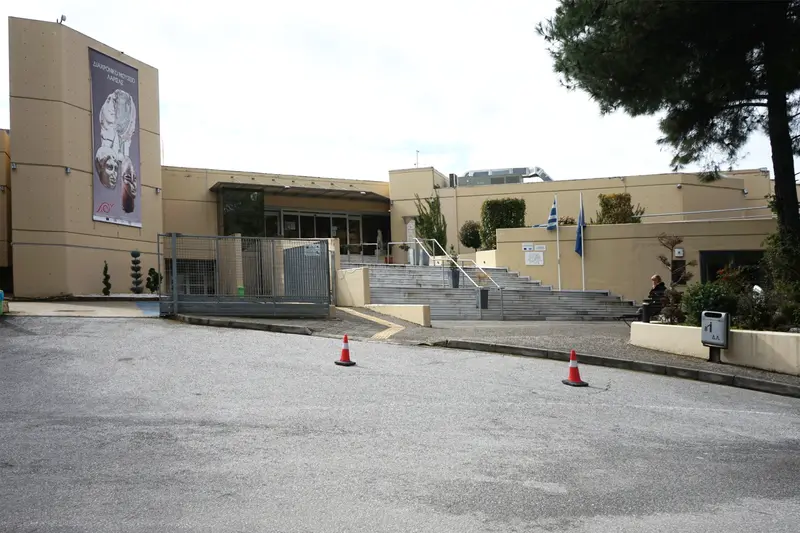
The Diachronic Museum of Larissa offers comprehensive insight into the rich history of the Thessaly region, from the Stone Age to the Ottoman era. You'll experience a fascinating journey here through thousands of years of human settlement and cultural development. Exhibits, including prehistoric tools, ancient pottery, Roman sculptures, and Byzantine artifacts, mainly from local excavations, attest to Larissa's significance as a center. Particularly impressive are the well-preserved mosaics and the collection of early Christian exhibits, which highlight life's continuity in this fertile plain.The museum is modernly designed with chronologically arranged exhibits, allowing for a clear overview. Detailed descriptions place the finds within their historical context. Our Tip: Dedicate ample time to the Roman and Byzantine halls, which often feature particularly rich and visually appealing pieces. For a leisurely viewing of the exhibits, a weekday morning visit is recommended. Photography without flash is generally permitted, offering the opportunity to capture impressive details.
5Municipal Art Gallery of Larissa G.I. Katsigras Museum
The Municipal Art Gallery of Larissa G.I. Katsigras Museum is a central cultural anchor point in Larissa and houses one of the most significant collections of modern Greek art. Here, you will find a comprehensive overview of the development of 20th-century Greek painting, sculpture, and graphic arts. The gallery's foundation is largely based on the generous donation of the collection by Georgios I. Katsigras, a renowned doctor and art collector, whose vision was to make art accessible to the public. During your visit, you can admire works by notable artists such as Konstantinos Parthenis, Yannis Tsarouchis, and Nikos Hadjikyriakos-Ghikas, which reflect the diversity and currents of modern Greek art. The exhibition rooms are modernly designed and offer a pleasant atmosphere to view the exhibits at your leisure. In addition to the permanent exhibition, regularly changing special exhibitions are presented, often focusing on current themes or specific artists. Practical Tip: Plan your visit in the morning to make the most of the tranquility in the gallery rooms and enjoy the artworks without larger crowds. For a more in-depth experience, it is advisable to consult the official website beforehand for information on current special exhibitions and guided tours.
Curated walking tours through the city's highlights — handpicked by experienced travel journalists.
Zeitreise durch Larissa: Antike, Osmanen und Moderne
Entdecken Sie auf diesem zweistündigen Spaziergang das pulsierende Herz von Larissa. Von den beeindruckenden antiken Theatern auf dem Frourio-Hügel bis zu den lebhaften Plätzen und dem Ufer des Pinios-Flusses – erleben Sie die reiche Geschichte und das moderne Flair der Stadt.
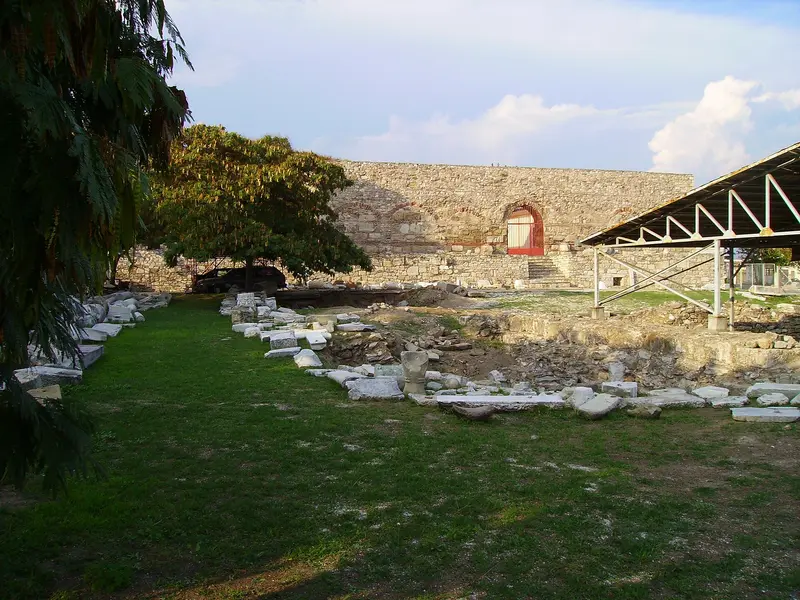
Larissa boasts a deeply rooted history, stretching from antiquity to modern times. Already settled in prehistoric times, the city developed into an important center of ancient Thessaly and later, under Roman rule, became the provincial capital. Archaeological findings, including the well-preserved ancient theater in the city center, bear witness to its former significance and the cultural life of those eras.The Byzantine era left its mark in the form of early Christian basilicas, while the long Ottoman period shaped the cityscape with mosques and baths, remnants of which can still be found today. Larissa's architecture is thus a layering of various cultures. Local traditions are strongly connected to the agricultural identity of the fertile Thessalian plain, which is reflected in local cuisine and customs. The city also hosts diverse museums that document the rich cultural heritage from the Paleolithic era to the present, thus keeping history alive.
Nightlife
The **nightlife in Larissa** ranges from relaxed café-bars in the early evening to lively spots for music and drinks. Especially in the city center, you'll find a concentration of venues like COYOTE DIVE BAR, where you can wind down the evening with local and international drinks.
Getting Around Here
Larissa presents itself as an extremely pedestrian-friendly city; its compact center invites visitors to comfortably explore most sights, shops, and restaurants on foot. This is often the most pleasant and best method to experience the vibrant city life and soak up the atmosphere.
Larissa does not have a metro or tram network; public transportation is mainly covered by a well-developed bus system. Buses connect the city center with all districts; tickets are available directly from the driver or at local kiosks. For regular trips, multi-journey tickets, offered at specific sales points, might be worthwhile.
For greater flexibility, bicycles and e-scooters are available for rent, often through local providers or rental apps. Taxis are readily available in Larissa, relatively inexpensive, and a good choice for longer distances or evening journeys; common ride-sharing services, however, are less widespread. When taking a taxi, always ensure the meter is used or agree on a fixed price beforehand.
These places are nearby — perfect for additional days or a day trip.
Thessaly
Thessaly, situated right in the heart of Greece, draws you in with a fascinating blend of majestic nature and a deeply rooted culture. From the suspended monasteries of Meteora to the idyllic villages of Pelion, this region offers unforgettable experiences for every traveler. Discover ancient archaeological sites, vibrant cities, and an unparalleled hospitality.
Trikala
Trikala, located in the region of Thessaly, captivates with its relaxed atmosphere and the picturesque Litheos River that flows through the city. Here, you'll find a successful blend of historical heritage and modern infrastructure, evident, for instance, in the introduction of autonomous buses. The historic Varousi Quarter, with its narrow streets and traditional houses, along with the impressive Kursum Mosque, a work by architect Sinan, bear witness to the rich Ottoman history. Towering above the city is the Byzantine Kastro, offering expansive views over Trikala and the surrounding plain. A stroll along the Litheos or across the central pedestrian bridge reveals the city's green heart. For an authentic experience, a visit in spring or autumn is recommended to fully enjoy the mild temperatures and local gastronomy in the tavernas.
Pilion (Pilio)
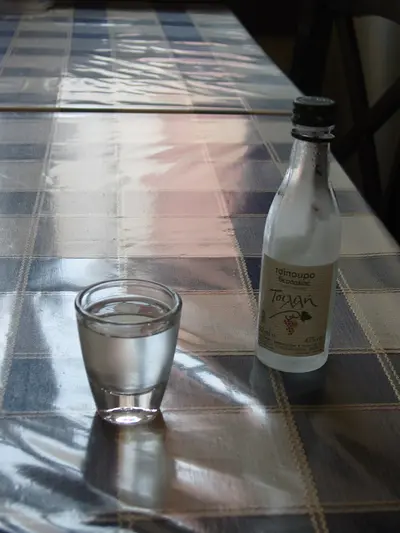
The Pilion Peninsula in Thessaly offers a unique blend of green mountain scenery and Aegean beaches. You'll explore traditional stone villages like Makrinitsa and Tsagarada, known for their mansions and cobblestone alleys. As the mythological home of the Centaurs, the region is crisscrossed by ancient hiking trails, the Kalderimia. On the coast, beaches like Mylopotamos and Fakistra invite you to linger. Be sure to try local apple products and the regional Tsipouro. Spring or autumn are ideal for enjoying nature and avoiding the largest tourist crowds.
Meteora
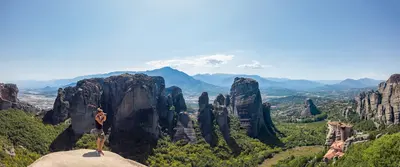
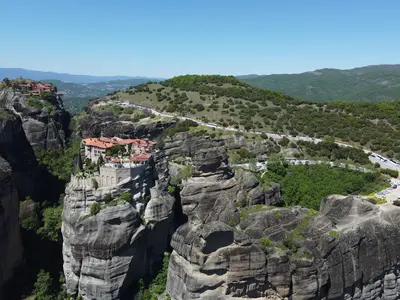
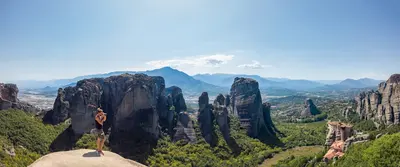
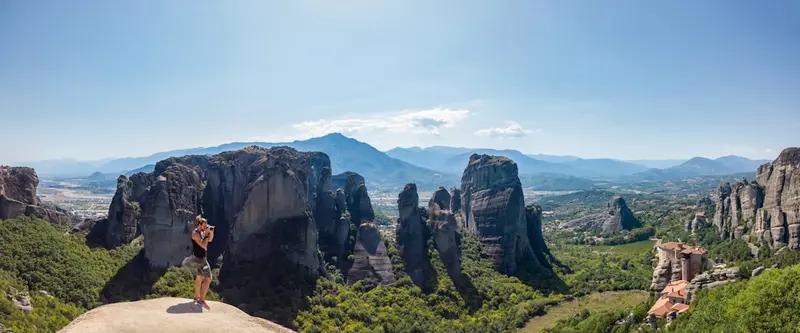
Meteora, located in the Thessaly region, presents a unique landscape where Byzantine monasteries perch atop imposing sandstone cliffs. This UNESCO World Heritage site is home to six active monasteries, including Megalo Meteoro and Varlaam, which you reach via stairs carved into the rock. Their construction began in the 14th century and served as a retreat for monks seeking spiritual isolation. The architecture and interior frescoes offer deep insights into Greece's Orthodox art and history. For exploration, a visit in the early morning or late afternoon is recommended to avoid the largest crowds and experience the special light. Ensure appropriate clothing that covers shoulders and knees when entering the monasteries.
Pelion (Peninsula)
The Pelion Peninsula in Greece captivates with its unique blend of densely forested mountains and picturesque coasts. You'll find traditional villages here like Makrinitsa, often called the "Balcony of Pelion," with its impressive views and characteristic architecture. Other highlights include Tsagarada with its ancient plane trees and Milies, known for its frescoes and the historic Pelion railway station. The region, considered the home of the Centaurs in Greek mythology, also offers hidden coves like Mylopotamos and Fakistra. Explore the numerous hiking trails that lead between the villages and to secluded beaches. A rental car is essential to discover the peninsula's diversity, with spring and autumn being ideal travel times to enjoy the mild climate and blooming nature.