Fernweh: Home
ExploreGuideDestinationsMy tripsMy trip
de|en
All Places & RegionsRound tripsNight trains in EuropeAll highlightsAbout FernwehFAQPrivacy PolicyImprint
Download on the App StoreGet it on Google Play
ExploreGuideDestinationsMy tripsMy trip
    • Places in the region
    • Round trips
    • Nearby
    Southwest: Sichuan and Yunnan

    Jan Kranendonk (https://www.jankranendonk.nl) / Wikimedia Commons / CC0

    China

    Southwest: Sichuan and Yunnan

    Region

    The Southwest stretches from the fertile Sichuan Basin to the edge of the Tibetan Plateau. Chengdu, Sichuan's capital and a UNESCO City of Gastronomy since 2011, is famous for pandas, tea houses, and spicy cuisine.

    by Felix Gillen

    1. Home
    2. Destinations
    3. China
    4. Southwest: Sichuan and Yunnan
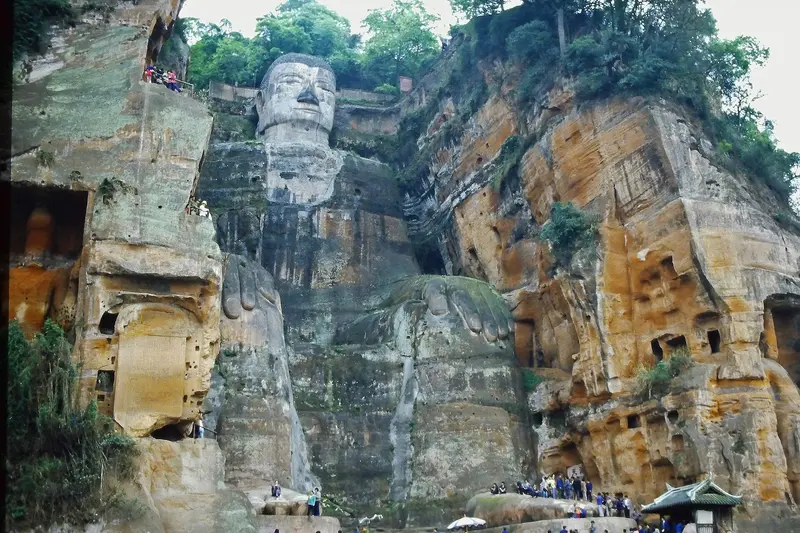
    The Southwest stretches from the fertile Sichuan Basin to the edge of the Tibetan Plateau. Chengdu, Sichuan's capital and a UNESCO City of Gastronomy since 2011, is famous for pandas, tea houses, and spicy cuisine. A short train ride south, in Leshan, the 71-meter-tall Great Buddha overlooks the confluence of three rivers.In Yunnan, the ancient towns of Dali and Lijiang follow, connected by rail to Shangri-La since 2023. Here, minorities like the Bai, Naxi, and Tibetans live, with the Jade Dragon Snow Mountain rising in the background.
    China travel guideSee the round tripPlan a trip with Southwest: Sichuan and Yunnan

    Contents

    • Places in the region
    • Round trips
    • Nearby
    Shangri-La

    Chensiyuan / Wikimedia Commons / CC BY-SA 4.0, mod.

    Place 1 of 4

    Shangri-La

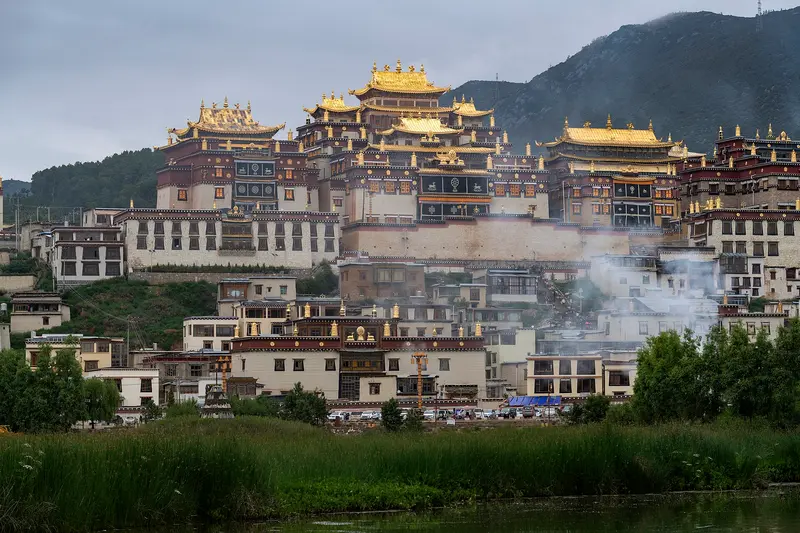
    The town at around 3,200 metres in north-western Yunnan was called Zhongdian until 2001, when it was renamed Shangri-La after James Hilton's novel Lost Horizon; the Tibetan name Gyalthang means royal plain.

    Discover
    Chengdu

    Photo by Tito Zzzz on Pexels

    Place 2 of 4

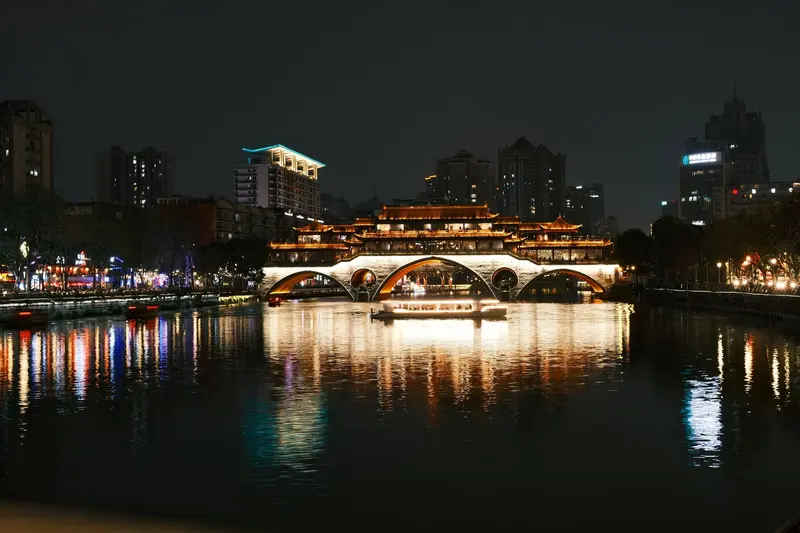
    Chengdu

    Chengdu is the capital of Sichuan Province and has been a UNESCO City of Gastronomy since 2011.

    Discover
    Dali

    Ngguls / Wikimedia Commons / CC BY-SA 4.0, mod.

    Place 3 of 4

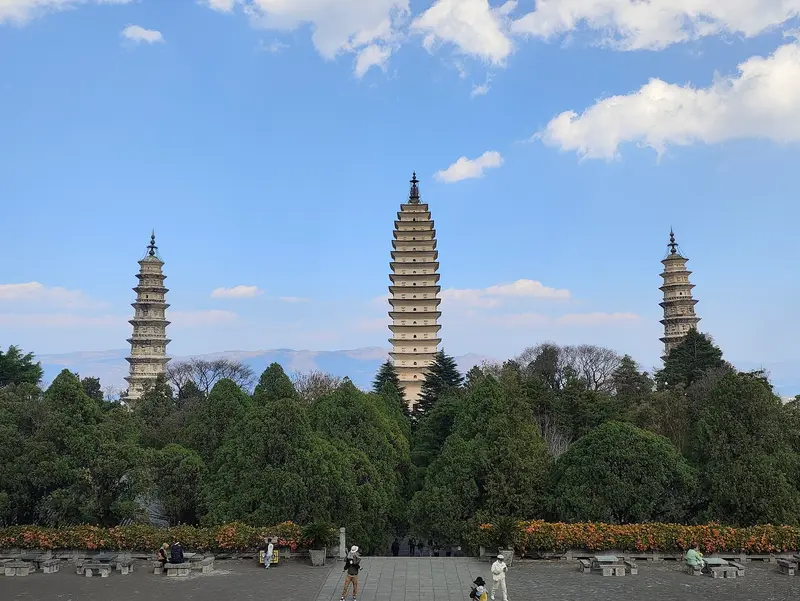
    Dali

    Dali Old Town lies at about 2,000 meters between the Cangshan Mountains and the 250-square-kilometer Erhai Lake.

    Discover
    Tiger Leaping Gorge (Hutiao Xia)

    Photo by xiaoxian on Pexels

    Place 4 of 4

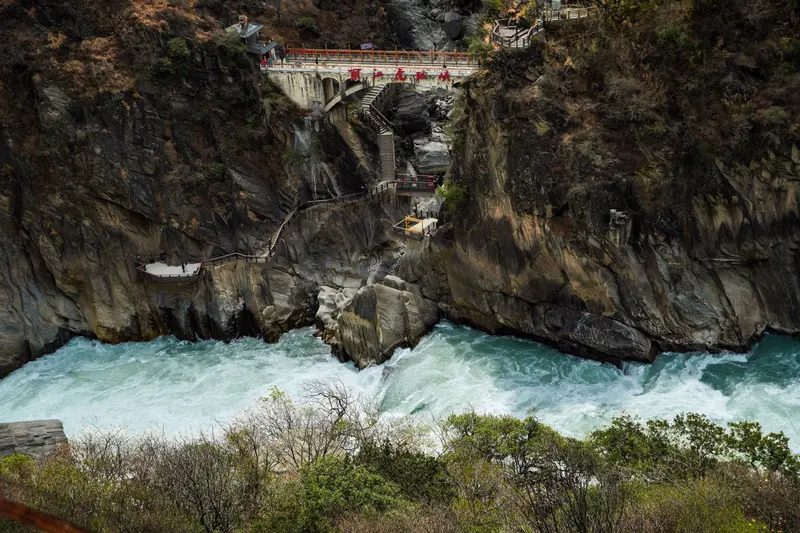
    Tiger Leaping Gorge (Hutiao Xia)

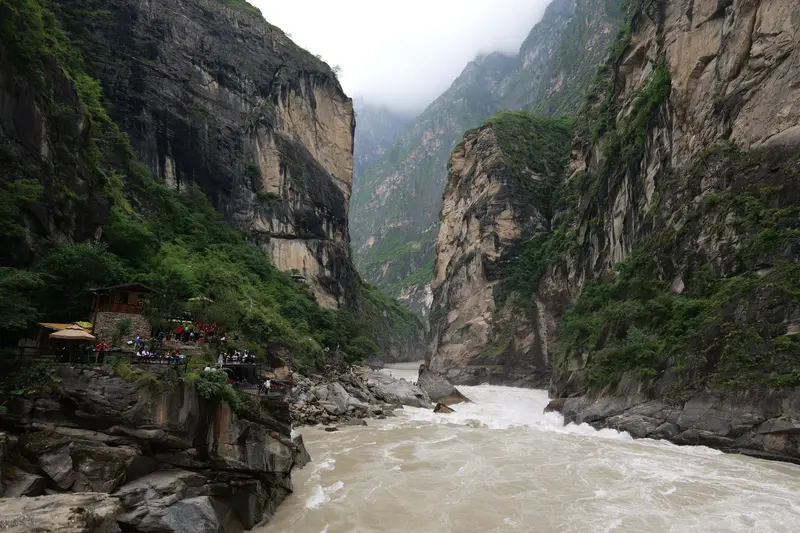
    Between Jade Dragon Snow Mountain and Haba Snow Mountain, the Jinsha, the upper course of the Yangtze River, forces its way through a gorge up to approximately 3,790 meters deep.

    Discover

    More places in Southwest: Sichuan and Yunnan

    Leshan

    Jan Kranendonk·CC0

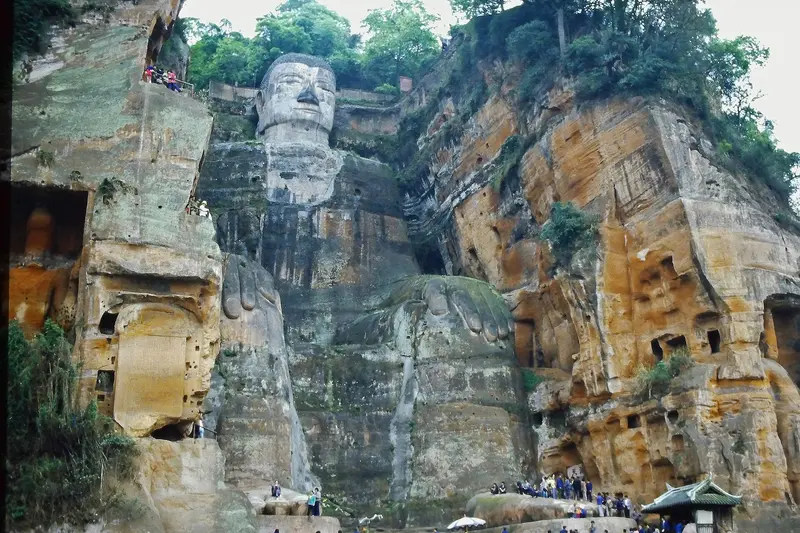
    Leshan

    Leshan is located at the confluence of the Min, Dadu, and Qingyi rivers, about an hour by train south of Chengdu. Above the rivers sits the 71-meter-tall Grand Buddha, carved from the rock in the 8th century at the initiative of monk Haitong. Since 1996, it has been a UNESCO World Heritage site, along with the sacred Mount Emei Shan west of the city.According to UNESCO, China's first Buddhist temple was built on Emei Shan in the 1st century; its Golden Summit lies at 3,077 meters. Leshan can be visited as a day trip from Chengdu, but for Emei Shan with its approximately 50-kilometer-long main path, you'll need more time.
    Lijiang

    chensiyuan·CC BY-SA 4.0

    Lijiang

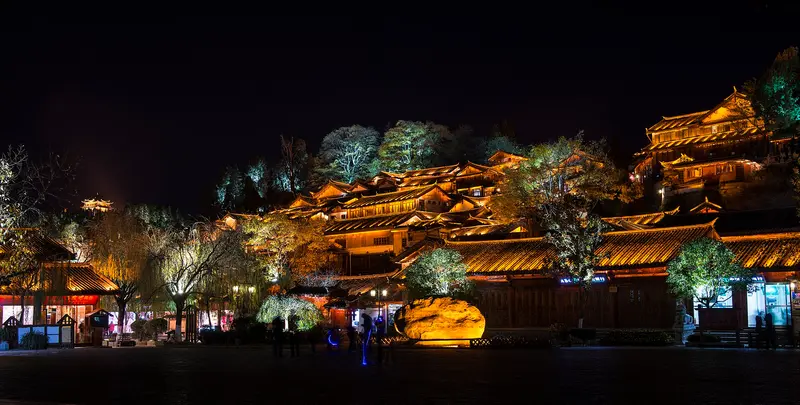
    Lijiang, at around 2,400 meters in northern Yunnan, was a 12th-century trade hub on the Tea Horse Road. Its Old Town of Dayan, with Baisha and Shuhe villages, is a UNESCO World Heritage site since 1997, its canals fed by springs from the Black Dragon Pool. From 1253, the Mu Clan ruled as hereditary princes.About one-fifth of the population is Naxi, whose Dongba pictographic script is a living pictography. North of the city rises the 5,596-meter Jade Dragon Snow Mountain; Tiger Leaping Gorge is 86 kilometers away. Since November 2023, the train continues to Shangri-La in approx. 80 minutes.

    Sights in Southwest: Sichuan and Yunnan

    Discover the most important sights and attractions

    Attraction

    Dujiangyan Irrigation System

    About 60 kilometers northwest of Chengdu, Governor Li Bing had an irrigation system built in the 3rd century BC that operates without a dam. Together with Qingcheng Shan, it has been a UNESCO World Heritage site since 2000. Admission 80 CNY, allow about four hours. Access by train from Xipu Station to Lidui Park.
    Open in Google Maps

    Qingcheng Shan

    The forested mountain is considered the birthplace of Daoism: Zhang Daoling founded the doctrine here in 142 AD, and eleven Daoist temples stand on the mountain. Together with Dujiangyan, it has been a UNESCO World Heritage site since 2000. The front mountain costs 80 CNY, the rear 20 CNY; plan four to five hours for your visit. Arrive by train from Xipu to Qingchengshan.
    Open in Google Maps
    Emei Shan

    Photo by Jan Dvorak on Pexels

    Emei Shan

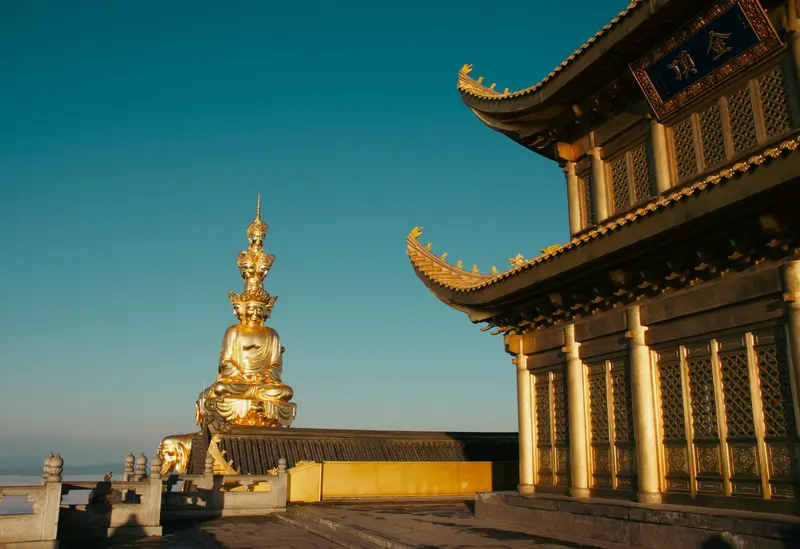
    The sacred mountain of Bodhisattva Puxian lies west of Leshan and, together with the Grand Buddha, has been a World Heritage site since 1996. According to UNESCO, China's first Buddhist temple was established here in the 1st century; today the mountain is home to 76 monasteries. The Golden Summit stands at 3,077 meters, with cable cars making the ascent easier; the main path is approximately 50 kilometers long. At the summit, it rains over 250 days a year, and the macaques along the way enjoy stealing food.
    Open in Google Maps
    Tiger Leaping Gorge (Hutiao Xia)

    Photo by xing Wang on Pexels

    Tiger Leaping Gorge (Hutiao Xia)

    Approx. 86 kilometers north of Lijiang, the Jinsha, the upper reaches of the Yangtse, forces its way through a gorge up to 3,790 meters deep. The High Trail is a two-day hike, its highest point located at approximately 2,670 meters. From Lijiang, you drive 1.5 to 2 hours. The best time is September and October. From June to August is rainy season with a risk of landslides, then hiking is not recommended.
    Open in Google Maps

    Round trips through this region

    China Classic: Beijing, Xi'an, Chengdu, Guilin and Shanghai

    China Classic: Beijing, Xi'an, Chengdu, Guilin and Shanghai

    The classic first China trip links Imperial Beijing, the Great Wall, Xi'an's Terracotta Army, Chengdu's pandas, the Li River's karst landscape, and Yangtze Delta cities. Most legs are by high-speed train; only between Guilin and Shanghai is a domestic flight sensible. Book trains via 12306 using your passport; sales start 15 days before departure.

    19 Days
    7 stops
    Open jaw

    Huangdan2060·CC0

    Nearby

    Middle South and Yangtze

    Middle South and Yangtze

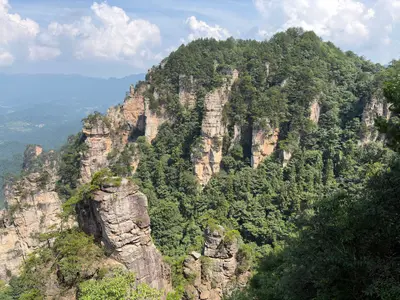
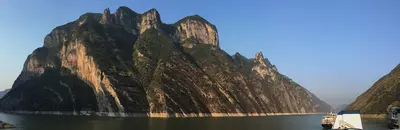
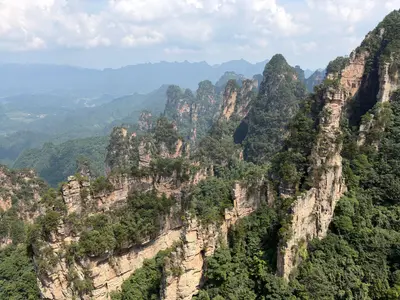
    Between the Sichuan Basin and Central China lie two of the country's most impressive landscapes. In the northwest of Hunan Province, over 3,000 sandstone pillars rise from the forests in the Wulingyuan area near Zhangjiajie, a UNESCO World Heritage site since 1992.The Yangtze River cuts through the Three Gorges of Qutang, Wu, and Xiling for approximately 193 kilometers between Fengjie and Yichang. Downstream, a cruise from Chongqing usually lasts four days and three nights, ending near the Three Gorges Dam at Yichang.

    Guillaume Kremer·Pexels

    Yangtze and Three Gorges

    Yangtze and Three Gorges

    Between Baidicheng near Fengjie and the Nanjin Pass near Yichang, the Yangtze River cuts through the Three Gorges Qutang, Wu and Xiling for approximately 193 kilometers. According to Travel China Guide, the rock walls rise 700 to 800 meters high, and at its narrowest point, the river is less than 100 meters wide.Most travelers experience the gorges on a river cruise: A downstream journey from Chongqing usually lasts four days and three nights and ends in Yichang near the Three Gorges Dam. Along the way, the ships stop at sites like the ghost city of Fengdu and the Shibaozhai Pagoda. Cruises operate from March to November, with April to May and September to October being the most beautiful.

    Fredlyfish4·CC BY-SA 4.0

    Xi'an

    Xi'an

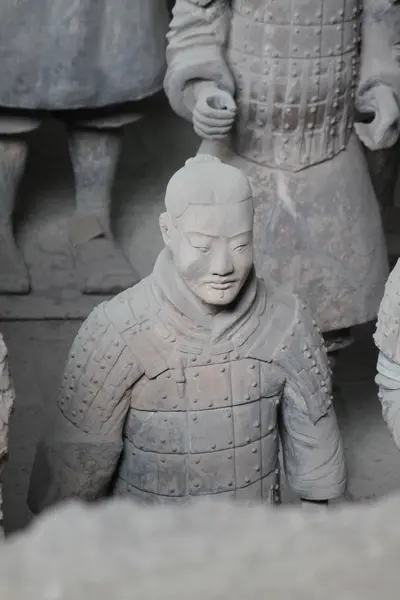
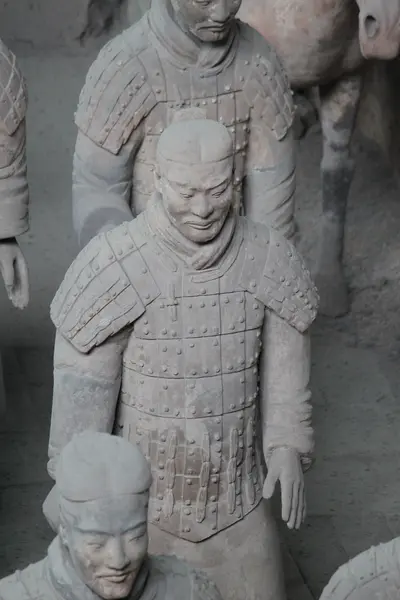
    Xi'an, the capital of Shaanxi Province, is one of China's great ancient capitals: Among others, Western Zhou, Qin, Western Han, Sui, and Tang ruled from here; under the Tang, the city was called Chang'an. Most famous is the Terracotta Army in the mausoleum of the First Emperor, discovered in 1974 and a UNESCO World Heritage site since 1987.The old city is encircled by a fully preserved city wall from the Ming Dynasty, built from 1370 onwards and 13.7 kilometers long. Within the walls are the Bell and Drum Tower, the Muslim Quarter with the Great Mosque and Hui street food, and to the south, the Giant Wild Goose Pagoda from the year 652. Plan at least two full days, one of them for the Terracotta Army.
    Gary Lee Todd, Ph.D.·CC0

    Shaanxi and Silk Road

    Shaanxi and Silk Road

    Shaanxi Province in central China served for centuries as the seat of emperors: Under the Zhou, Qin, Han, Sui, and Tang dynasties, the capital was located in the area of modern-day Xi'an. This is where the Silk Road begins, and several sites in the city are UNESCO World Heritage Silk Road sites.The main highlight is the mausoleum of the First Emperor with the Terracotta Army, along with the fully preserved city wall and the Muslim Quarter. From Beijing, you can reach Xi'an by high-speed train in just over four hours.

    Gary Lee Todd, Ph.D.·CC0

    Zhangjiajie and Wulingyuan

    Zhangjiajie and Wulingyuan

    In the Wulingyuan area, northwest Hunan Province, over 3,000 narrow quartz-sandstone pillars and peaks, many exceeding 200 meters, rise according to UNESCO. A World Heritage site since 1992, the area encompasses Zhangjiajie National Forest Park, Suoxi Valley, Tianzi Shan, and Yangjiajie, along with two large natural bridges and some 40 caves.A pillar near Yuanjiajie was renamed Avatar-Hallelujah Mountain in 2010 because the landscape recalls the film's setting. Outside the park are Tianmen Shan with its cable car and the glass bridge over the Grand Canyon. Plan at least two days for the national park; the combination ticket is valid for four days.

    Guillaume Kremer·Pexels

    Your next steps

    Southwest: Sichuan and Yunnan is in China. Ways to carry on from here.

    • More in China

      Highlights, areas, routes and the best time to travel for all of China.

      China travel guide
    • Round trips with Southwest: Sichuan and Yunnan

      One route passes through Southwest: Sichuan and Yunnan, with stops, nights and a map.

      See the round trip
    • Plan a trip with Southwest: Sichuan and Yunnan

      The Guide asks about season, length and who is coming, and suggests a trip with Southwest: Sichuan and Yunnan.

      Plan the trip

    Sources & method

    • Photos: Wikimedia Commons, Pexels. Each photo carries its credit.
    • Place data such as addresses and ratings comes from Google Maps.
    • The content is based on web research from public, traceable sources. How the content is made · The role of AI