Fernweh: Home
    ExploreTravel GuidesPlan a tripMy tripLast visited
    de|en
    All Places & RegionsAll highlightsAbout FernwehFAQPrivacy PolicyImprint
    ExploreTravel GuidesPlan a tripMy tripLast visited
    Península Valdés
    LBM1948 / Wikimedia Commons / CC BY-SA 4.0

    Argentina

    Península Valdés

    Point of Interest

    Península Valdés extends into the Atlantic east of Puerto Madryn and has been a UNESCO World Heritage site since 1999.

    by Felix Gillen

    1. Home
    2. Destinations
    3. Argentina
    4. Península Valdés and Atlantic Coast
    5. Península Valdés
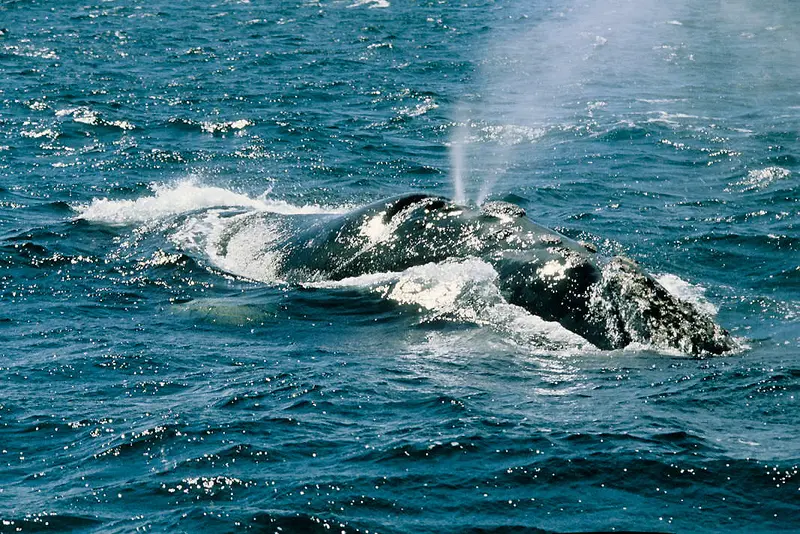
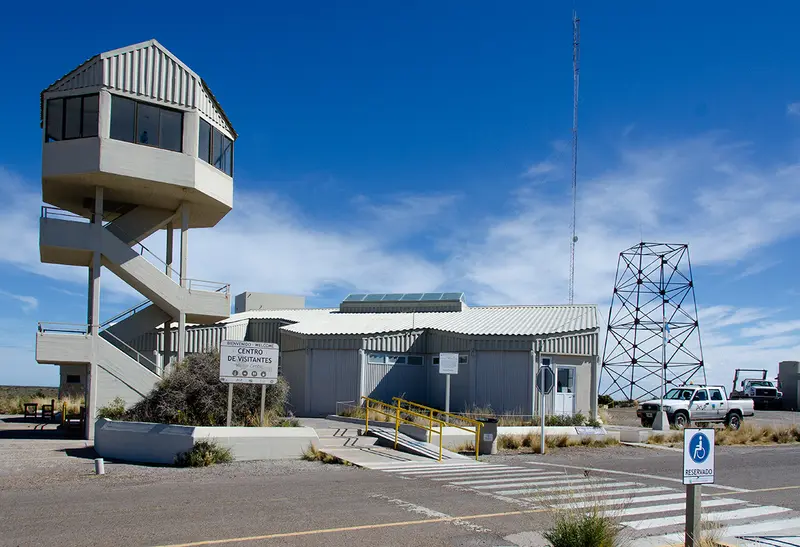
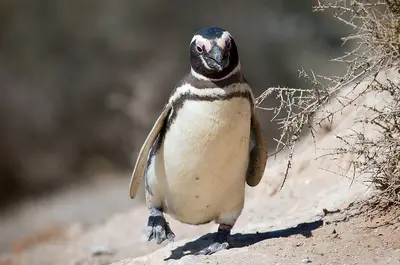
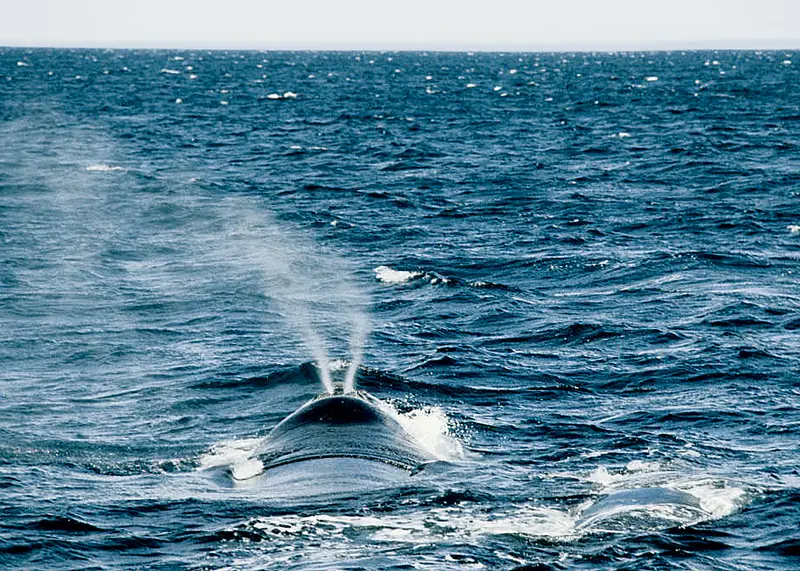
    Península Valdés extends into the Atlantic east of Puerto Madryn and has been a UNESCO World Heritage site since 1999. Between June and December, Southern Right Whales arrive in the sheltered bays of Golfo Nuevo and Golfo San José to give birth and nurse their young; the best way to see them is from boats departing from Puerto Pirámides, the peninsula's only town. No whale watching boats operate between April and mid-June.A round trip on the peninsula's gravel roads leads to Punta Delgada, Caleta Valdés, and Punta Norte, home to colonies of elephant seals and sea lions. Magellanic penguins are present from September to April. Punta Norte is famous for orcas that intentionally strand themselves on the beach while hunting young sea lions; this rare behavior can, with luck, be observed especially in late summer and autumn. At the entrance, the Carlos Ameghino Visitor Center provides information on nature and history; an entrance fee is charged for the protected area.

    Sights in Península Valdés

    Discover the most important sights and attractions

    Whale Watching in Puerto Pirámides

    1Whale Watching in Puerto Pirámides

    From the beach of the peninsula's only settlement, boats depart between mid-June and early December for observing Southern Right Whales, which nurse their young in Golfo Nuevo. Often, mother and calf approach very close to the boats. From late December to March, tours visit sea lions and seabirds; between April and mid-June, no boats operate.
    Open in Google Maps
    Carlos Ameghino Visitor Center

    2Carlos Ameghino Visitor Center

    The visitor center at the peninsula's entrance provides an overview of Península Valdés' nature and the wildlife you'll see on your journey. Many tours stop here on their way to or from Puerto Madryn.
    Open in Google Maps

    Restaurants in Península Valdés

    Accommodations in Península Valdés

    Find perfect stay in Península Valdés

    Booking.com* (Affiliate link)
    Search Hotels
    Agoda* (Affiliate link)
    Search Hotels
    Airbnb
    Vacation Rentals

    * Affiliate link: if you book through it, we earn a small commission. The price stays the same for you.

    Nearby

    Península Valdés and Atlantic Coast

    Península Valdés and Atlantic Coast

    On the Atlantic coast of Chubut Province, Patagonia reveals its richest wildlife. Península Valdés is one of the most important breeding grounds for Southern Right Whales; also present are Elephant Seals, Sea Lions, Magellanic Penguins, and on land, Guanacos and Rheas. The starting point is Puerto Madryn, a city founded in 1865 by Welsh settlers.
    Puerto Madryn

    Puerto Madryn

    Puerto Madryn is sheltered by Golfo Nuevo and serves as the main gateway to Península Valdés. On July 28, 1865, approximately 150 Welsh immigrants landed here aboard the sailing ship Mimosa; their legacy endures in street names and the Welsh tea houses of nearby Gaiman. Today, Madryn is a coastal city with a long waterfront promenade.On the headland above the city, the Ecocentro features exhibitions about the Patagonian sea. About two hours' drive south lies Punta Tombo, home to one of the largest colonies of Magellan penguins. Puerto Pirámides, on the peninsula, is about an hour and a half away by bus. Most travelers fly into Trelew, approximately 50 kilometers south.
    San Carlos de Bariloche

    San Carlos de Bariloche

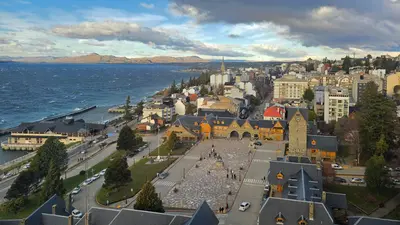
    Bariloche is located on the southern shore of Lago Nahuel Huapi, a glacial lake at approximately 700 meters above sea level, and is completely surrounded by Parque Nacional Nahuel Huapi. The park, founded in 1922 and re-established in 1934, is Argentina's oldest. With its alpine-style timber and stone buildings, chocolate shops, and surrounding mountains, the city is considered the gateway to Patagonia and the country's chocolate capital.Its focal point is the Centro Cívico, built of stone and wood and inaugurated in 1940, offering views of the lake. The classic excursion is the Circuito Chico, a roughly 60-kilometer scenic drive around the Llao Llao peninsula, featuring viewpoints over the lakes. Along the way, a chairlift ascends Cerro Campanario, whose panorama is considered one of the most beautiful in the region. In winter, Cerro Catedral is one of South America's largest ski resorts; to the north, the Ruta de los Siete Lagos covers approximately 120 kilometers from Villa La Angostura to San Martín de los Andes.
    Lake District and Bariloche

    Lake District and Bariloche

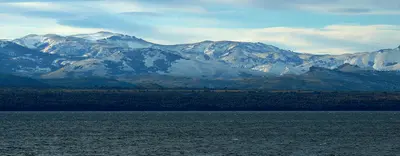
    In northern Patagonia, glacial lakes, forests, and snow-capped peaks line up at the foot of the Andes. The heart of the region is Parque Nacional Nahuel Huapi, Argentina's oldest national park, with the city of San Carlos de Bariloche on its namesake lake. In summer, hiking trails, boat trips, and scenic routes like the Ruta de los Siete Lagos beckon; in winter, the ski resorts.
    National Park Vicente Pérez Rosales

    National Park Vicente Pérez Rosales

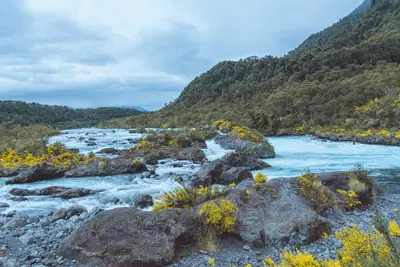
    Vicente Pérez Rosales National Park is Chile's oldest, stretching from Osorno Volcano to the Argentine border. Most visitors come for the Saltos del Petrohué and the turquoise-green Lago Todos los Santos, plus hiking trails through rainforest and lava fields.

    Sources & method

    • Photos: Wikimedia Commons. Each photo carries its credit.
    • The content is based on web research from public, traceable sources. How the content is made · The role of AI