Fernweh: Home
    ExploreTravel GuidesPlan a tripMy tripLast visited
    de|en
    All Places & RegionsAll highlightsAbout FernwehFAQPrivacy PolicyImprint
    ExploreTravel GuidesPlan a tripMy tripLast visited
    • Why go
    • Highlights
    • Explore regions
    • Round trips
    • Local food
    • Good to know
    • Best time to visit
    • Travel advice
    Argentinien

    Travel Guide Argentinien

    Argentina stretches from the subtropical Iguazú Falls in the north to Tierra del Fuego. In between are Buenos Aires with tango and cafés, the Mendoza vineyards, the colorful gorges of the Northwest, and Patagonia's glaciers.

    by Felix Gillen

    Contents

    • Why go
    • Highlights
    • Explore regions
    • Round trips
    • Local food
    • Good to know
    • Best time to visit
    • Travel advice

    Why Go To Argentinien?

    Argentina stretches over approximately 3,700 kilometers from north to south, uniting in one journey subtropical waterfalls, high deserts in the Andes, wine regions at the foot of America's highest mountains, and the glaciers and granite peaks of Patagonia. Adding to this is Buenos Aires, a capital city with wide boulevards, traditional cafés, tango, and a cuisine revolving around grilled beef and wine from Mendoza. Those with enough time can combine city, wine country, and wilderness in a single journey.
    Buenos Aires
    Highlight 1 of 8

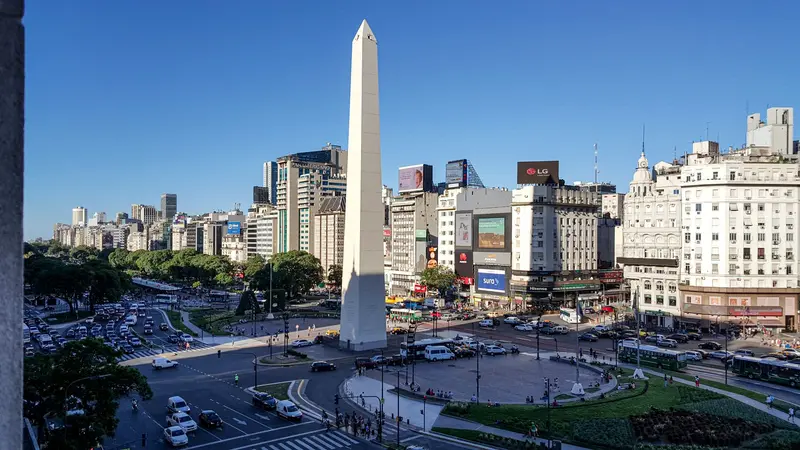
    Buenos Aires

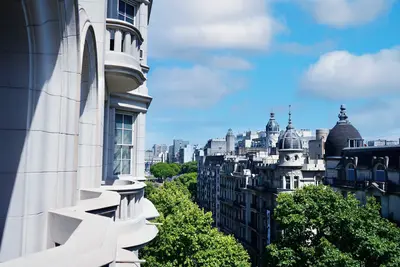
    Buenos Aires is Argentina's capital and, with over three million inhabitants in the city proper and many more in the greater metropolitan area, it is the country's political and cultural center.

    Discover
    Highlight 2 of 8

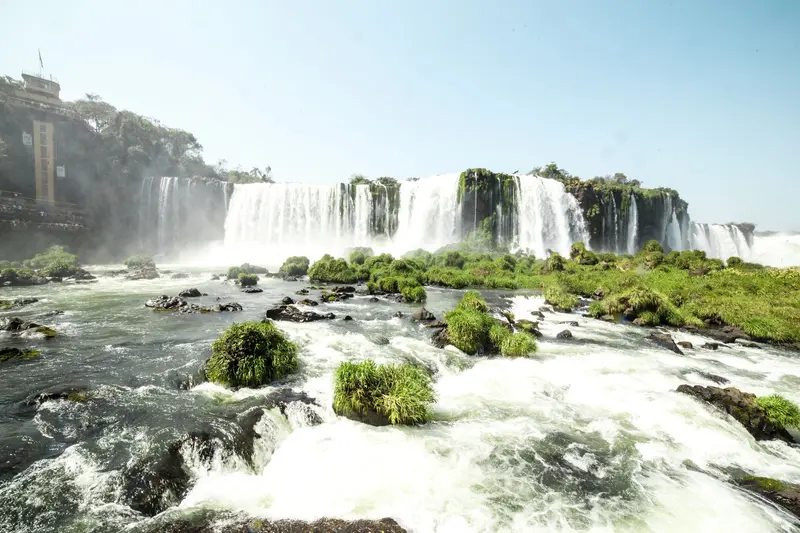
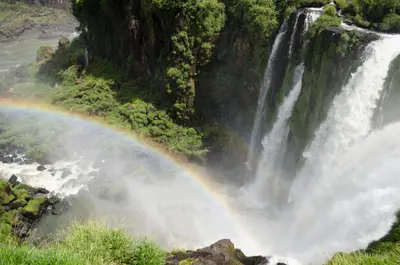
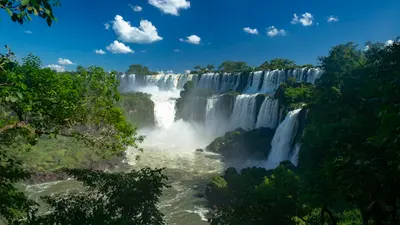
    The Iguazú Falls, on the border with Brazil, are among the largest waterfall systems on Earth: Spanning approximately 2.7 kilometers in width, the Río Iguazú plunges up to 82 meters deep in 150 to 300 individual cascades, depending on water levels.

    Discover
    Perito Moreno Glacier
    Highlight 3 of 8

    Perito Moreno Glacier

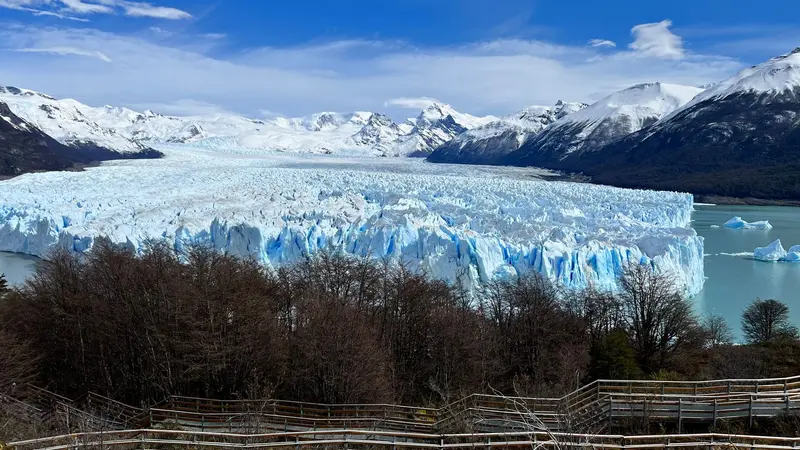
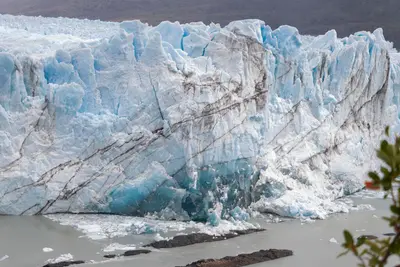
    The Perito Moreno Glacier in Los Glaciares National Park is one of the world's most accessible glaciers. Its ice front rises about 70 meters above Lago Argentino; ice blocks frequently calve into the water with a thunderous roar.

    Discover
    El Chaltén
    Highlight 4 of 8

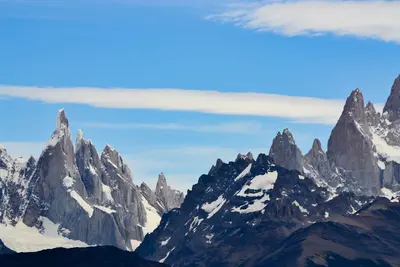
    El Chaltén

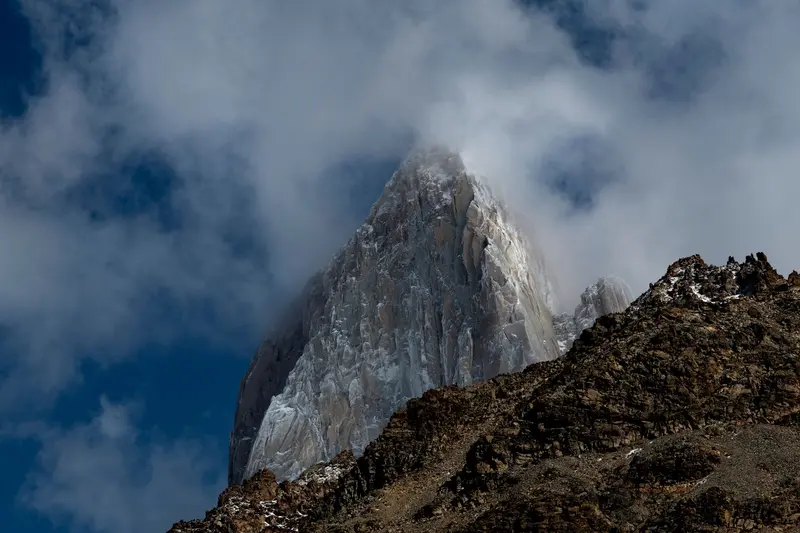
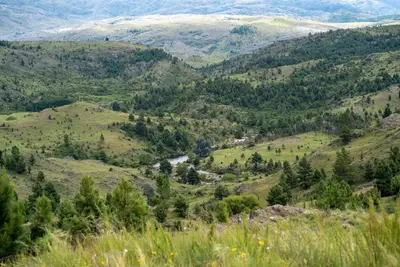
    El Chaltén was only founded in 1985, partly to secure territorial claims in the border region then disputed with Chile, and is today, by law, the "National Trekking Capital".

    Discover
    Highlight 5 of 8

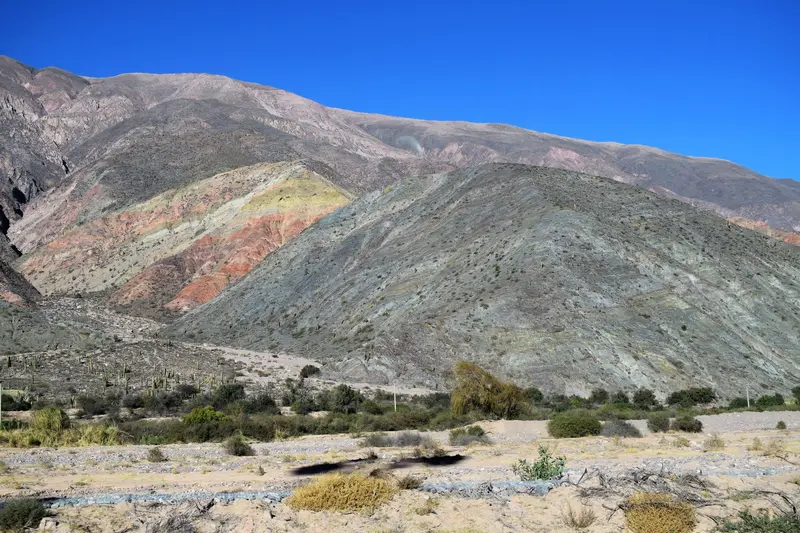
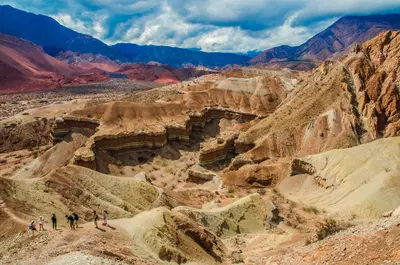
    The Quebrada de Humahuaca is a roughly 155 km high valley in Jujuy Province, traversed by the Río Grande flowing north to south. Its rock walls glow red, ochre, yellow, and violet, due to exposed strata from many geological eras.

    Discover
    Península Valdés
    LBM1948 / Wikimedia Commons / CC BY-SA 4.0
    Highlight 6 of 8

    Península Valdés

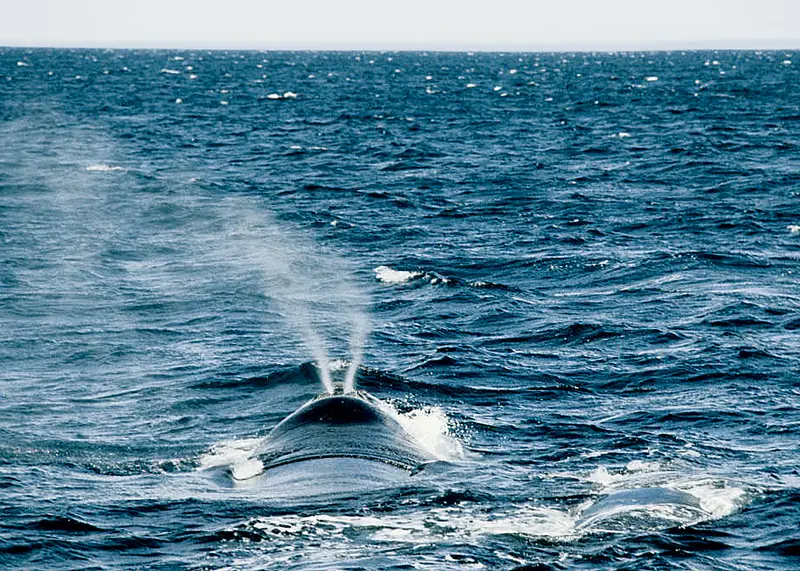
    Península Valdés extends into the Atlantic east of Puerto Madryn and has been a UNESCO World Heritage site since 1999.

    Discover
    Ushuaia
    Parikshit Sharma Photography / Wikimedia Commons / CC BY-SA 4.0
    Highlight 7 of 8

    Ushuaia

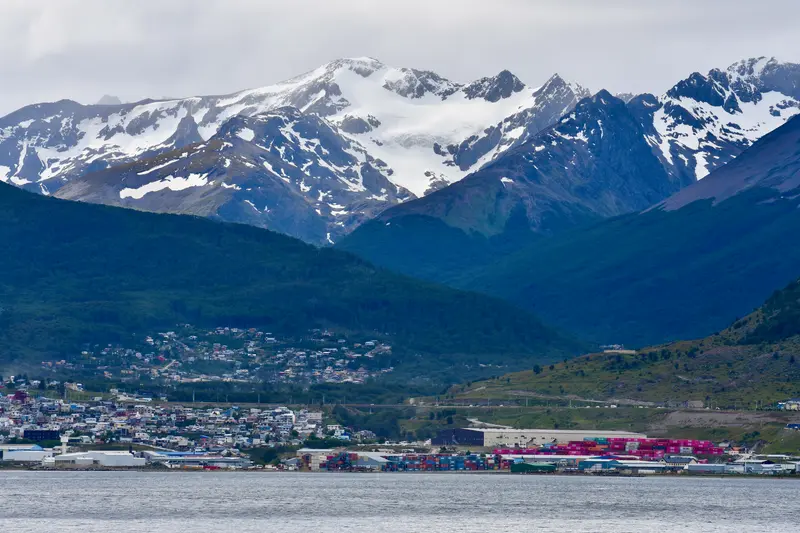
    Ushuaia stretches as a narrow strip along the northern shore of the Beagle Channel, squeezed between the water and the mountains of the Sierra Martial.

    Discover
    Ciudad de Mendoza / Wikimedia Commons / CC BY-SA 4.0
    Highlight 8 of 8

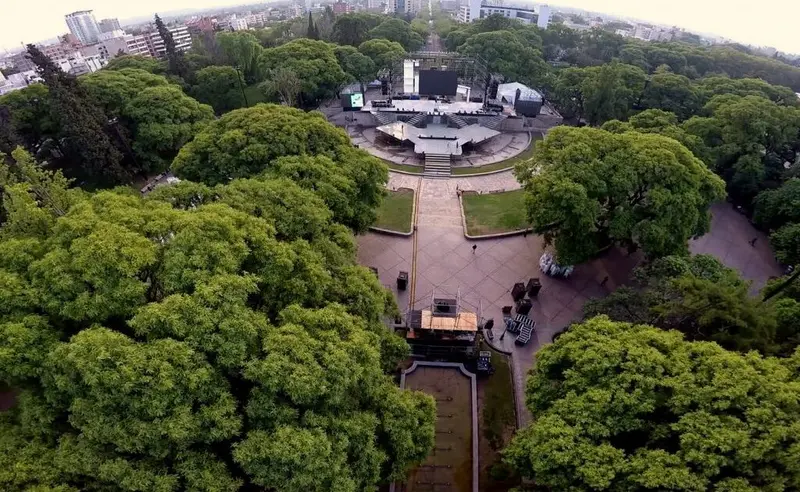
    Mendoza is the capital of the eponymous wine province and lies like an oasis in a dry valley at the foot of the Andes.

    Discover

    More highlights in Argentinien

    Unique experiences that make Argentinien unforgettable.
    San Carlos de Bariloche

    San Carlos de Bariloche

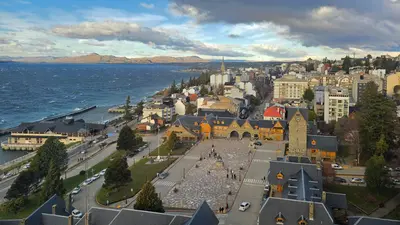
    Bariloche is located on the southern shore of Lago Nahuel Huapi, a glacial lake at approximately 700 meters above sea level, and is completely surrounded by Parque Nacional Nahuel Huapi. The park, founded in 1922 and re-established in 1934, is Argentina's oldest. With its alpine-style timber and stone buildings, chocolate shops, and surrounding mountains, the city is considered the gateway to Patagonia and the country's chocolate capital. Its focal point is the Centro Cívico, built of stone and wood and inaugurated in 1940, offering views of the lake. The classic excursion is the Circuito Chico, a roughly 60-kilometer scenic drive…
    Salinas Grandes

    Salinas Grandes

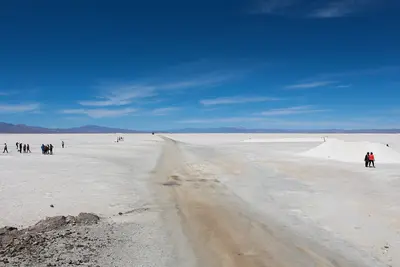
    The Salinas Grandes are an approximately 212-square-kilometer salt flat located at an average elevation of 3,450 meters on the border of the Jujuy and Salta provinces. This dazzling white expanse beneath a deep blue sky formed five to ten million years ago when saltwater evaporated in a basin. Salt is still extracted here today; you can see the rectangular pools where it is mined. From Purmamarca, it's 66 kilometers via Ruta Nacional 52, which winds its way up the Cuesta de Lipán in switchbacks to an elevation of 4,170 meters. Bring warm clothing, sunglasses, and headwear, drink plenty of water, and avoid alcohol beforehand to…

    How to plan your trip to Argentinien

    From the guide to the road: here is what comes next.

    1. 1
      Sunrise over alpine peaks and a sea of clouds
      1234

      Round trip

      12 days · 4 stops

      Saved

      Pick a route

      Pick a ready-made one or save places and plan your own.

      Browse routes
    2. 2

      Trip to Argentinien

      Live
      • 1Buenos Aires3 days
      • 2Perito Moreno Glacier4 days
      • 3El Chaltén5 days
      Budget

      Plan your trip

      The planner sorts stops, days and budget. Plan together in real time.

      Go to My Trips
    3. 3
      9:41 No signal
      Argentinien
      Available offline

      Use it on the road

      Download the guide to your phone and use it on site, even offline.

    Regions to Discover

    Explore the diverse regions of Argentinien.
    Mendoza and the Andes

    Mendoza and the Andes

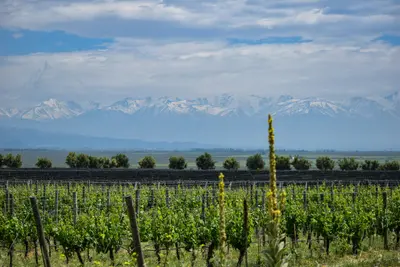
    Mendoza Province at the foot of the Andes is Argentina's most significant wine region: This is where most of the country's grapes grow, primarily Malbec. In a dry valley where only a small part of the soil is cultivable, irrigation channels make the landscape green. West of the capital, the road to Chile ascends to Aconcagua, the highest mountain in the Americas.The region is most pleasant in autumn, when the grape harvest runs from late February to April, and in spring from September to November.
    Península Valdés and Atlantic Coast

    Península Valdés and Atlantic Coast

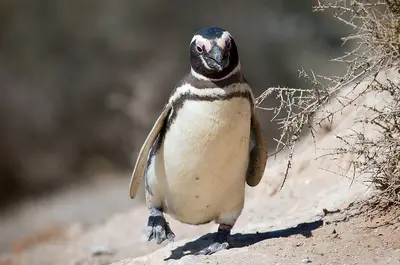
    On the Atlantic coast of Chubut Province, Patagonia reveals its richest wildlife. Península Valdés is one of the most important breeding grounds for Southern Right Whales; also present are Elephant Seals, Sea Lions, Magellanic Penguins, and on land, Guanacos and Rheas. The starting point is Puerto Madryn, a city founded in 1865 by Welsh settlers.
    Lake District and Bariloche

    Lake District and Bariloche

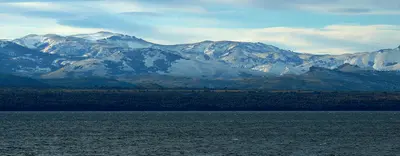
    In northern Patagonia, glacial lakes, forests, and snow-capped peaks line up at the foot of the Andes. The heart of the region is Parque Nacional Nahuel Huapi, Argentina's oldest national park, with the city of San Carlos de Bariloche on its namesake lake. In summer, hiking trails, boat trips, and scenic routes like the Ruta de los Siete Lagos beckon; in winter, the ski resorts.
    Fireland

    Fireland

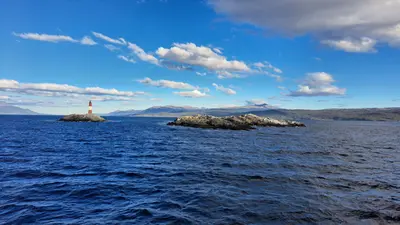
    Argentina and Chile share Tierra del Fuego on the continent's southern tip. On the Argentine side, Ushuaia lies on the Beagle Channel between mountains and sea; Ruta Nacional 3, originating in Buenos Aires, ends in Parque Nacional Tierra del Fuego nearby. Ushuaia is also the main port for Antarctic expeditions.

    The Northwest of Argentina is a land of high valleys and colorful mountains. An Inca trade route once ran here, and Andean culture still shapes markets, music, and cuisine today. The starting point is the colonial city of Salta; from there, roads lead to the Quebrada de Humahuaca with its vibrant rock faces, up to the Salinas Grandes at around 3,450 meters, and south to the wine region around Cafayate.The most pleasant time to travel here is between May and September, when it is dry and sunny. Many destinations are well over 2,500 meters; plan time for acclimatization.
    Northeast: Misiones and Iberá

    Northeast: Misiones and Iberá

    Argentina's subtropical northeast, between Paraguay and Brazil, is shaped by forests, red earth, and large rivers. The main destination is Iguazú Falls on the border with Brazil, visited from Puerto Iguazú. Further south in Misiones lie Jesuit reduction ruins, led by San Ignacio Miní, and in nearby Corrientes the Iberá Wetlands with caimans, capybaras, swamp deer.
    South Patagonia and Los Glaciares

    South Patagonia and Los Glaciares

    In the south of Santa Cruz province, the Patagonian Steppe borders the Southern Patagonian Ice Field. Parque Nacional Los Glaciares, a UNESCO World Heritage site since 1981, protects glaciers like Perito Moreno and the granite peaks of Fitz Roy and Cerro Torre. Starting points are El Calafate on Lago Argentino and the hiking village of El Chaltén, about three bus hours further north.The best time to visit is from November to March; in winter, many accommodations are closed, and the weather remains changeable and windy throughout the year.
    Córdoba and the Sierras

    Córdoba and the Sierras

    The province of Córdoba in the center of the country connects Argentina's second-largest city with the Sierras de Córdoba, a low mountain range popular with Argentinians as a holiday destination. The Jesuit legacy is defining: The Manzana Jesuítica in the city and five estancias in the surrounding area have been UNESCO World Heritage Sites since 2000.
    Buenos Aires and Region

    Buenos Aires and Region

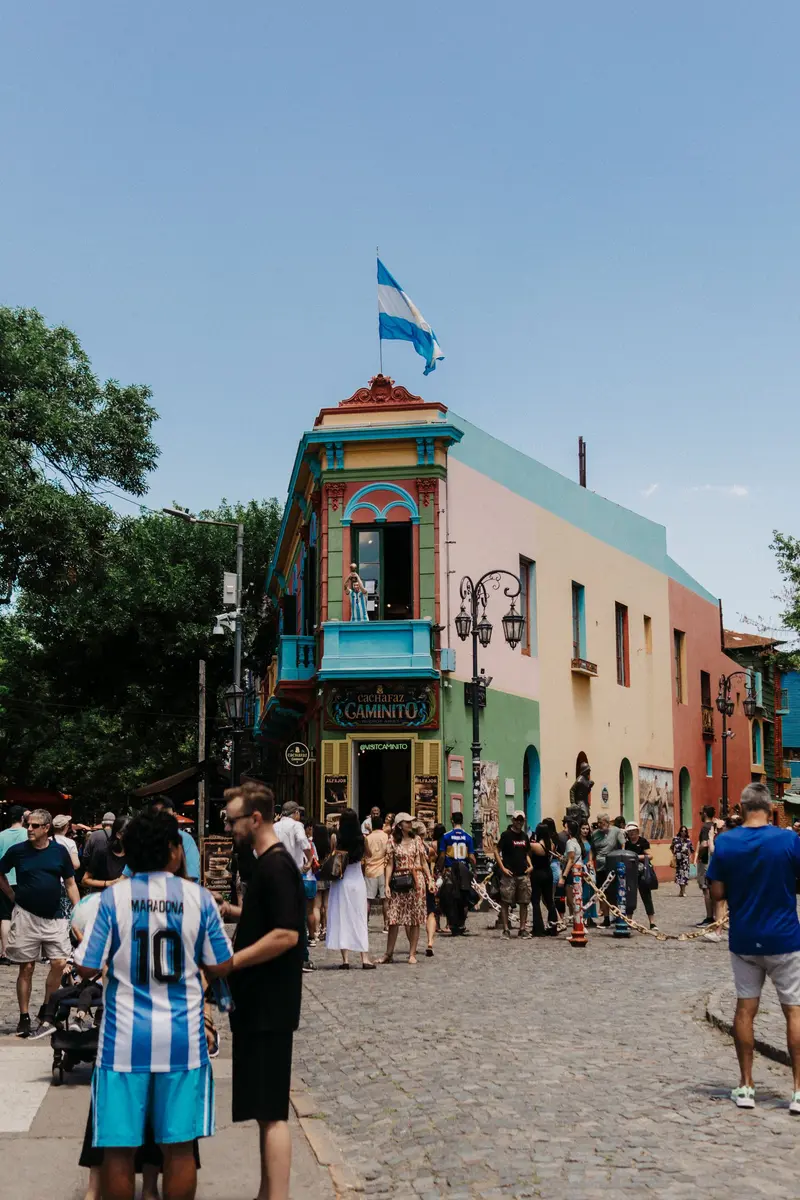
    The capital city on the Río de la Plata is the starting point for most travelers to Argentina: Intercontinental flights land here, and domestic flights to all parts of the country depart from the city airport Aeroparque. Buenos Aires itself, with its barrios, cafés, museums, and tango venues, easily fills several days.

    Recommended Itineraries

    Discover the best routes through Argentinien.
    Argentina Classics: Tango, Waterfalls, Andes and Glaciers

    Argentina Classics: Tango, Waterfalls, Andes and Glaciers

    The route connects Argentina's four great faces in around two and a half weeks: Buenos Aires, Iguazú Falls, the colorful high valleys of the Northwest, and Southern Patagonia's glaciers and granite peaks. Long journeys are via domestic flights, the Northwest by rental car.

    19 Days
    Stops at a glance
    1. 1.Buenos Aires
    2. 2.Iguazú-Wasserfälle
    3. 3.Salta
    4. 4.Purmamarca
    5. 5.Cafayate
    6. 6.El Calafate
    7. 7.El Chaltén
    8. 8.Buenos Aires
    View Route Details →
    Patagonia from the Lakes to the End of the World

    Patagonia from the Lakes to the End of the World

    This journey explores Argentine Patagonia: from Bariloche's Lake District to the Atlantic coast with its whales and penguins, then to the glaciers of Los Glaciares and El Chaltén's hiking trails, ending in Ushuaia on the Beagle Channel. You cover the vast distances with domestic flights.

    16 Days
    5 stops

    What you eat in Argentinien

    Asado

    Asado

    Barbecue party with beef

    The Asado is more a ritual than a meal: Beef, chorizo, morcilla, and offal cook slowly over charcoal. In a restaurant, you order it from the parrilla, often with chimichurri and a glass of Malbec.
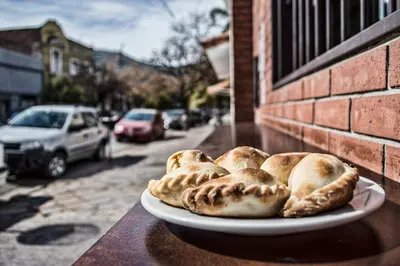
    Empanadas

    Empanadas

    Stuffed dough pockets

    Baked or fried pastries, usually filled with beef, cheese, or chicken. Each province has its own variant; particularly well-known are the empanadas from Salta and Tucumán.
    Locro

    Locro

    Maize stew

    A hearty stew made from corn, beans, potatoes, pork, and chorizo. Traditionally served on national holidays, especially on May 25th, the anniversary of the May Revolution.
    Milanesa

    Milanesa

    Breaded Schnitzel

    The breaded beef or chicken schnitzel shows how deeply Italian immigration has influenced everyday cuisine. It appears on almost every menu, from a humble eatery to a café.
    Alfajores

    Alfajores

    Cookies with Dulce de Leche

    Two soft shortbread cookies with a filling of Dulce de Leche, the caramelized milk cream. Often they are covered in chocolate or rolled in shredded coconut and are a popular souvenir.
    Mate

    Mate

    Herbal tea from the pumpkin cup

    The crushed Yerba Mate leaves are steeped with hot water and drunk through a metal straw, the Bombilla. The cup is passed around from hand to hand; refusing an offer is considered rude.

    Good to Know

    Essential info for your trip planning.

    Land & People

    A Land of ExtremesWith approximately 2.78 million square kilometers, Argentina is the eighth-largest country on Earth…

    History & Society

    Colonial Period and IndependenceBefore the arrival of the Spanish, the northwest was part of the Inca sphere of…

    Food & Drink

    Asado and ParrillaBeef is at the heart of Argentinian cuisine.

    Practical Info

    For current and authoritative travel, safety and health advice, see the UK FCDO Travel Advice (gov.

    Getting Around

    Domestic FlightsThe distances are enormous: From Buenos Aires to Ushuaia, it’s over 2,300 kilometers as the crow flies.

    RV Travel

    Campervan and Motorhome TravelArgentina is prime road trip country: Ruta 40 covers over 5,000 km along the Andes, with…

    Traveling with Kids

    Child-Friendly CountryChildren are welcome almost everywhere in Argentina, even in restaurants in the evening.

    Best Time to Visit

    When is the best time for your trip?

    March
    April
    October
    November
    18–22°C·96–121 mm(heavy rain)
    Spring (October, November) and Autumn (March, April) are the most balanced for a multi-region tour: In Buenos Aires and Mendoza, it's pleasantly warm; Patagonia is accessible and less crowded than in mid-summer. The seasons are reversed compared to Europe.
    The climate data refers to Buenos Aires (average values 1991–2020). Argentina stretches from the subtropics almost to the Antarctic, which is why the best travel time varies greatly by region.Patagonia and Tierra del Fuego: best from November to March. Many accommodations in the south close in winter; the weather is changeable and windy all year round.Northwest (Salta, Jujuy): dry and sunny from May to September; January sees the most rain there.Iguazú and Northeast: possible all year round, but very hot and humid in summer.Mendoza: Autumn (March to May) with the grape harvest and spring (September to November) are the most pleasant.Skiing: The season in the Andes, around Bariloche, runs approximately from July to September.

    Seasons

    Jan
    Feb
    Mar
    Apr
    May
    Jun
    Jul
    Aug
    Sep
    Oct
    Nov
    Dec
    Summer: Peak season in Patagonia, holiday time
    Spring and Autumn: ideal for round trips
    Winter: best time for the Northwest, ski season in the Andes
    Best Time to Visit
    ▶Show detailed monthly data
    MonthTemp (°C)Rain (mm)
    January24.9107
    February23.8102
    March22.0121
    April18.296
    May14.876
    June12.062
    July11.062
    August13.067
    September14.969
    October17.9111
    November20.9101
    December23.692

    Travel advice

    Safety, entry requirements and health: the official, up-to-date advice for Argentinien is published by the UK government on GOV.UK.

    Go to GOV.UK

    Sources & method

    • Photos: Wikimedia Commons, Pexels. Each photo carries its credit.
    • The content is based on web research from public, traceable sources. How the content is made · The role of AI
    Felix at Kuirau Park in Rotorua, New Zealand

    Who's behind Fernweh?

    Hi, I'm Felix.

    I love to travel, and I love planning even more. Fernweh.guide is my attempt at building a really good online travel guide.

    About Fernweh

    All places in Argentinien

    • Aconcagua Provincial Park
    • Alta Gracia
    • Buenos Aires
    • Buenos Aires and Region
    • Cafayate
    • Córdoba
    • Córdoba and the Sierras
    • El Calafate
    • El Chaltén
    • Esteros del Iberá
    • Fireland
    • La Boca
    • Lake District and Bariloche
    • Mendoza and the Andes
    • Northeast: Misiones and Iberá
    • Palermo
    • Península Valdés
    • Península Valdés and Atlantic Coast
    • Perito Moreno Glacier
    • Puerto Iguazú
    • Puerto Madero
    • Puerto Madryn
    • Recoleta
    • Salinas Grandes
    • Salta
    • San Carlos de Bariloche
    • San Ignacio Miní
    • San Telmo
    • South Patagonia and Los Glaciares
    • Tierra del Fuego National Park
    • Ushuaia

    More about Argentinien

    • Best Time to Visit Argentinien
    • Argentinien with Kids