La Boca, situated by the old port at the mouth of the Riachuelo, is the city's most photographed neighborhood. In the 19th century, mainly Italian immigrants settled here in conventillos, simple corrugated iron tenement houses painted brightly with ship's paint. The painter Benito Quinquela Martín shaped the neighborhood's image and advocated for Caminito to be declared a street museum in 1959.Besides Caminito, the La Bombonera stadium of Boca Juniors and the Fundación Proa art center attract visitors. Two to three hours are sufficient for a tour. Stick to the tourist area between Caminito, Proa, and the stadium, and visit the neighborhood during the day; the city's tourism authority advises against walking through La Boca in the evening.
Sights in La Boca
Discover the most important sights and attractions
Attraction
1Caminito
This short pedestrian alley with its colorfully painted corrugated iron houses is the postcard motif of Buenos Aires. A railway line once ran here; on the initiative of painter Benito Quinquela Martín, the alley was declared an open-air museum in 1959. It takes its name from a tango by Juan de Dios Filiberto from 1926. Admission is free.
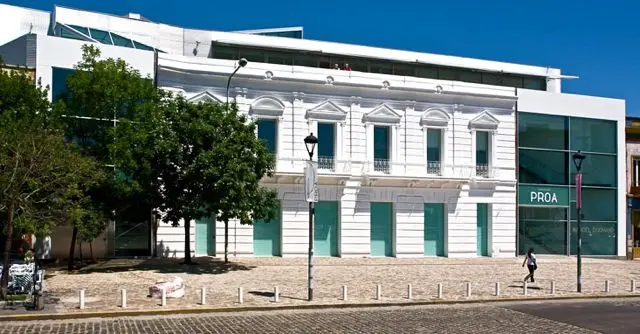
The private art center at the end of Caminito showcases rotating international contemporary art exhibitions and is one of the city's most respected institutions. From the rooftop café, you overlook the old port on the Riachuelo. A good contrast to the surrounding folkloric hustle and bustle.
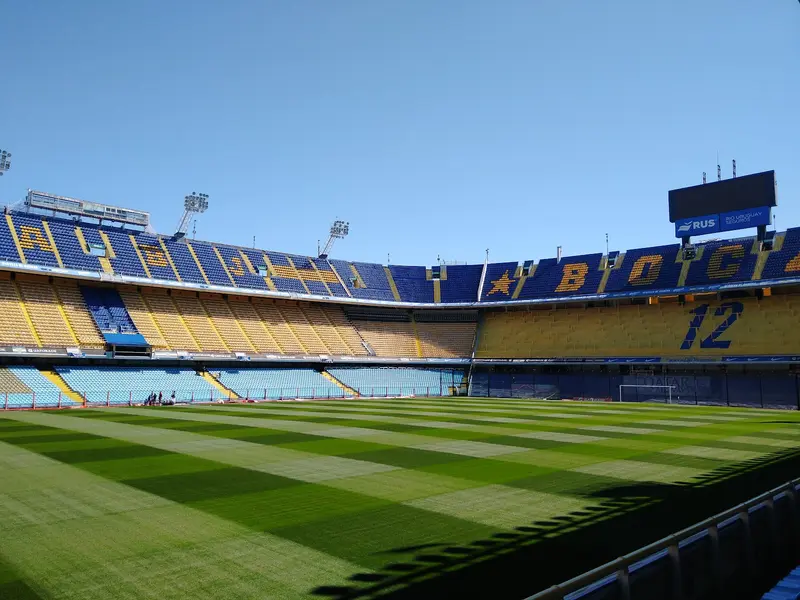
The Boca Juniors stadium, nicknamed 'The Chocolate Box' due to its shape, is about a ten-minute walk from Caminito. This is where Diego Maradona became famous. The adjoining museum tells the story of the club and its close connection to the neighborhood through jerseys, trophies, and photos; on non-match days, stadium tours are available. Admission is charged.