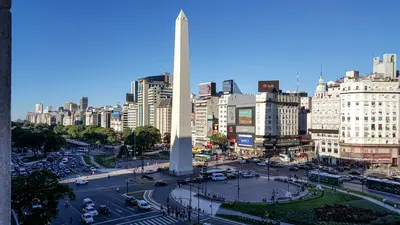
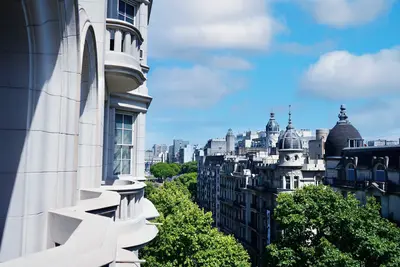
Recoleta is the elegant district of Buenos Aires. After the epidemics of the 1870s, wealthy families settled here and built city palaces in Parisian style, many of which now house embassies.
Recoleta is the elegant district of Buenos Aires. After the epidemics of the 1870s, wealthy families settled here and built city palaces in Parisian style, many of which now house embassies. The district gets its name from a Recollects monastery, whose church Nuestra Señora del Pilar from 1732 still stands.The main attraction is the cemetery with its magnificent mausoleums, including the tomb of Eva Perón. Nearby are the Centro Cultural Recoleta, the Museo Nacional de Bellas Artes, and the steel flower Floralis Genérica. On weekends, a large arts and crafts market takes place on Plaza Francia.
Sights in Recoleta
Discover the most important sights and attractions
Museum
1National Museum of Fine Arts
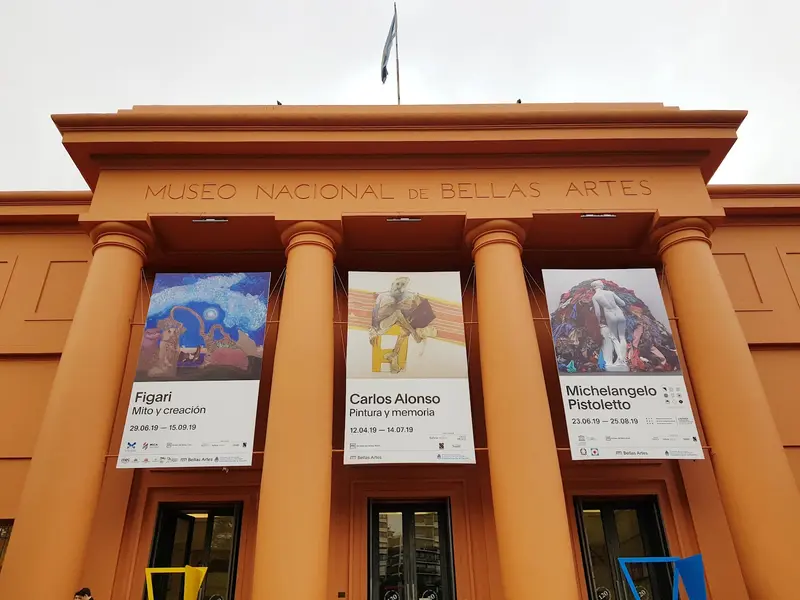
Argentina's most important art museum showcases works by Argentine artists such as Benito Quinquela Martín, Xul Solar, and Antonio Berni, alongside European masters like Goya, Rembrandt, Manet, and Gauguin. Admission is free; check current opening hours before visiting.
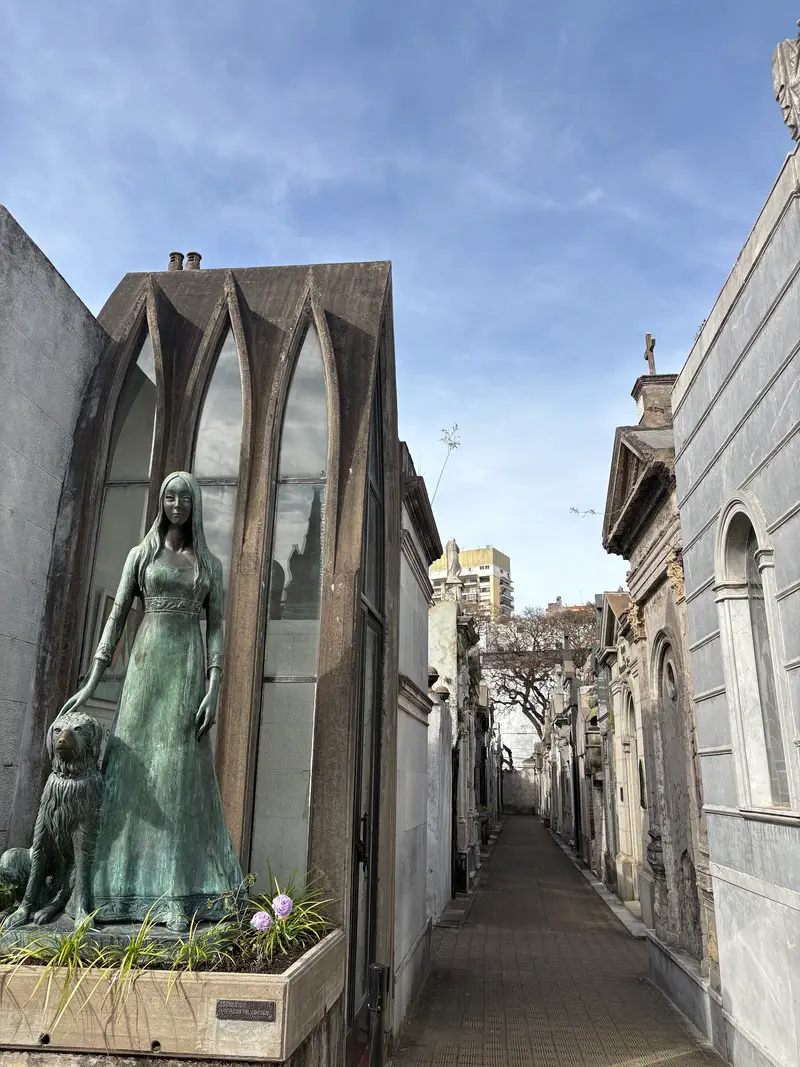
The Cementerio de la Recoleta, established in 1822 as the city's first public cemetery, is a city of the dead with countless mausoleums and burial chapels, over 90 of which are heritage-listed. Here rest presidents like Sarmiento and Alfonsín, writers, and Nobel laureates; the most visited tomb is the Duarte family crypt, where Eva Perón is interred. Foreign visitors pay an entrance fee, usually by card only at the entrance.
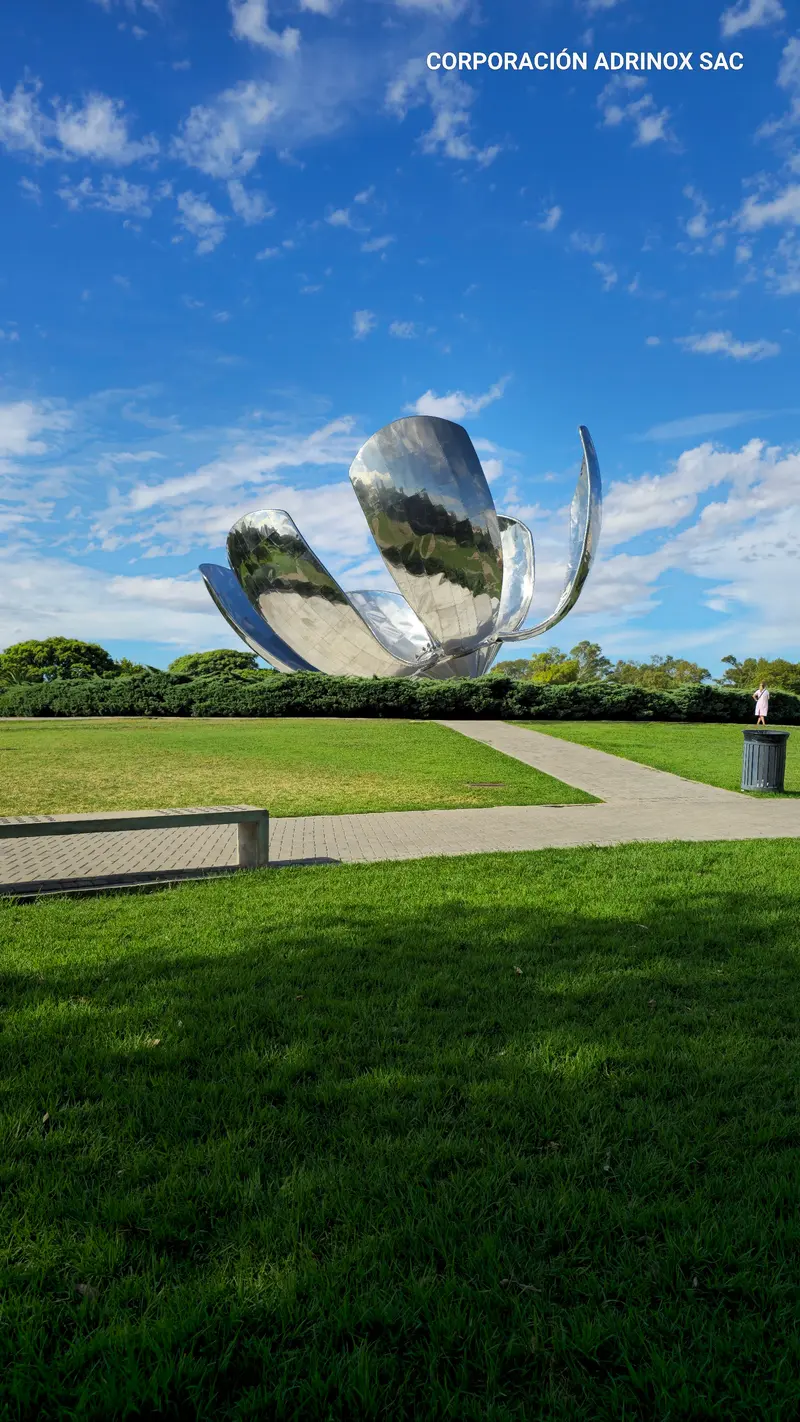
The approximately 23-meter-high flower, made of stainless steel and aluminum, on the Plaza de las Naciones Unidas is a gift from Argentine architect Eduardo Catalano, who designed and self-financed it. It was inaugurated in 2002; its petals open in the morning and close at dusk. Visiting is free and can be easily combined with the nearby Museo Nacional de Bellas Artes.
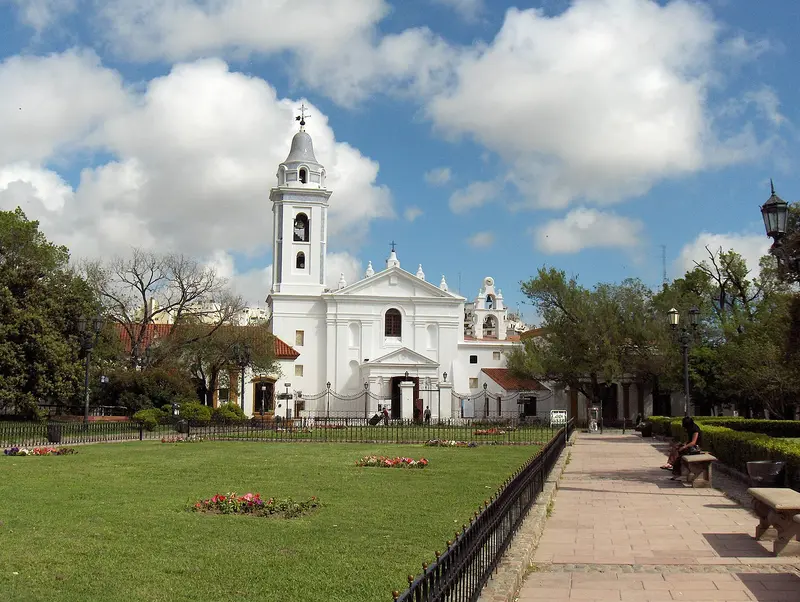
The white colonial church next to the cemetery, completed in 1732 by Franciscan monks, is the district's heart. Its interior highlight is an altar from Peru, adorned with silver from Argentina's Northwest. In the small monastery museum, you'll find vestments and paintings, plus a lovely view of the cemetery.