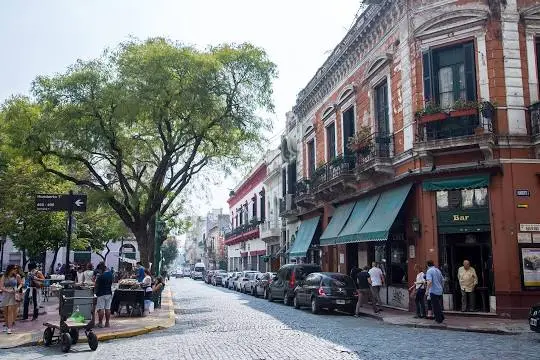
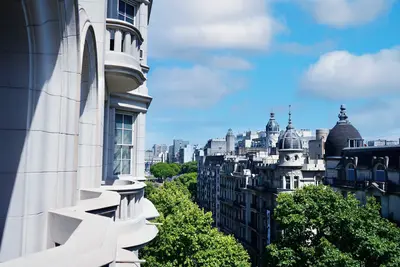
San Telmo, south of Plaza de Mayo, is one of Buenos Aires' oldest neighborhoods: cobblestone streets, faded facades, antique shops, and a vibrant tango and art scene characterize the area.
San Telmo, south of Plaza de Mayo, is one of Buenos Aires' oldest neighborhoods: cobblestone streets, faded facades, antique shops, and a vibrant tango and art scene characterize the area. After the cholera and yellow fever epidemics of the 1870s, wealthy families moved north, and immigrants moved into their houses.Plaza Dorrego is the heart of the district. Every Sunday, Calle Defensa transforms into a long street market with antiques, handicrafts, musicians, and tango dancers. In the evenings, the bars and Parrillas fill up, and on weekends, San Telmo becomes one of the city's liveliest nightlife districts.
Sights in San Telmo
Discover the most important sights and attractions
Park
1Plaza Dorrego and Feria de San Telmo
The small square on Calle Defensa is the heart of San Telmo. Here, in 1816 in Buenos Aires, independence was first publicly declared. Every Sunday, the Feria de San Pedro Telmo fills the square and surrounding streets with antique and artisan stalls, while musicians play and tango couples dance.
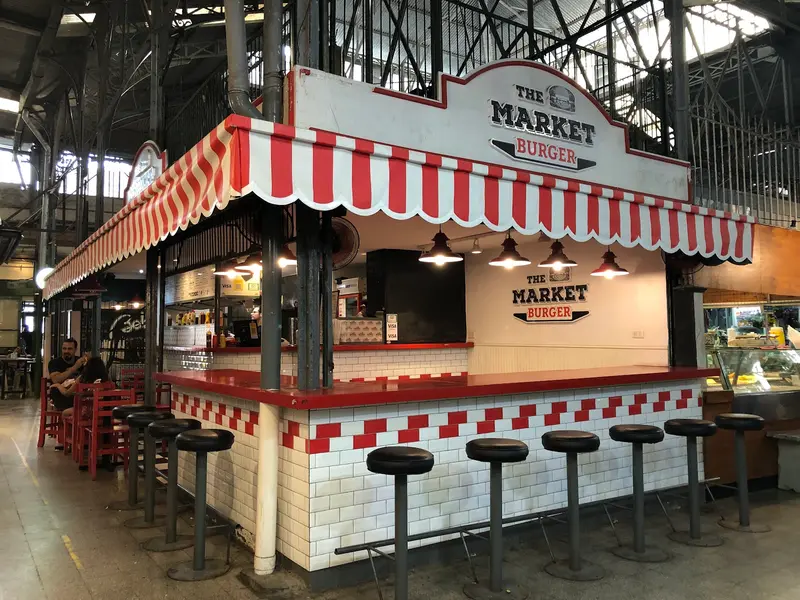
The covered market hall, a few steps from Plaza Dorrego, brings together food stalls, antique dealers, handicrafts, and eateries under one roof. It's a good place for a break while strolling through the neighborhood, even during the week when the Sunday market is closed.
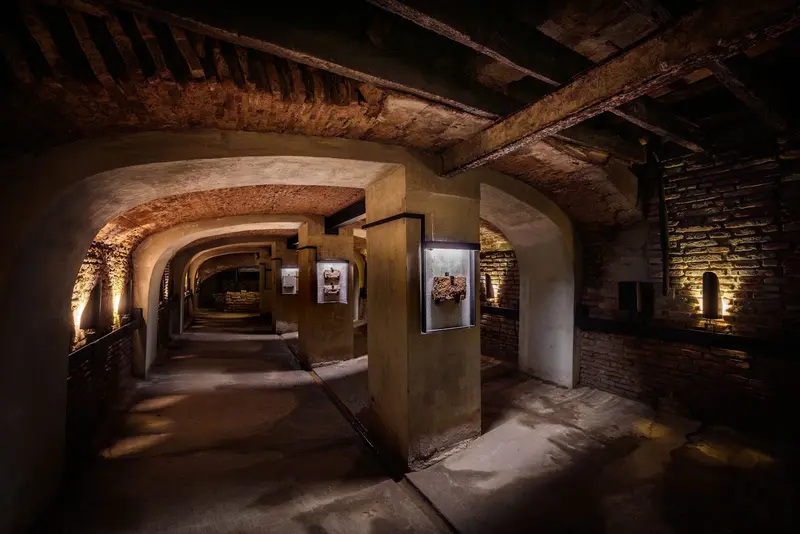
Beneath an old residential building north of Plaza Dorrego, remnants of the early city were unearthed; the site once marked Buenos Aires' southern edge, where a stream flowed into the Río de la Plata. On guided tours, you'll walk through restored underground passages and rooms, learning much about the city's origins.