Fernweh: Home
    ExploreTravel GuidesPlan a tripMy tripLast visited
    de|en
    All Places & RegionsAll highlightsAbout FernwehFAQPrivacy PolicyImprint
    ExploreTravel GuidesPlan a tripMy tripLast visited
    • Places in the region
    • Round trips
    • Nearby
    Buenos Aires and Region

    Argentina

    Buenos Aires and Region

    Region

    The capital city on the Río de la Plata is the starting point for most travelers to Argentina: Intercontinental flights land here, and domestic flights to all parts of the country depart from the city airport Aeroparque.

    by Felix Gillen

    1. Home
    2. Destinations
    3. Argentina
    4. Buenos Aires and Region
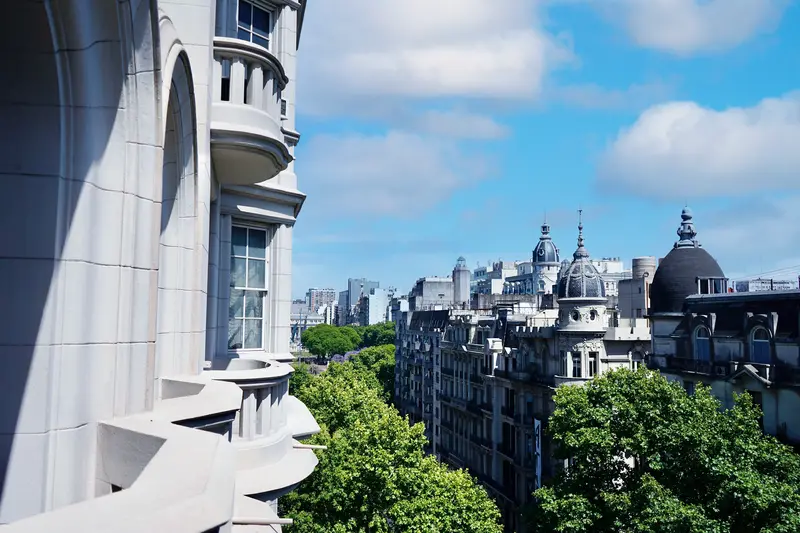
    The capital city on the Río de la Plata is the starting point for most travelers to Argentina: Intercontinental flights land here, and domestic flights to all parts of the country depart from the city airport Aeroparque. Buenos Aires itself, with its barrios, cafés, museums, and tango venues, easily fills several days.

    More places in Buenos Aires and Region
    Buenos Aires

    Buenos Aires

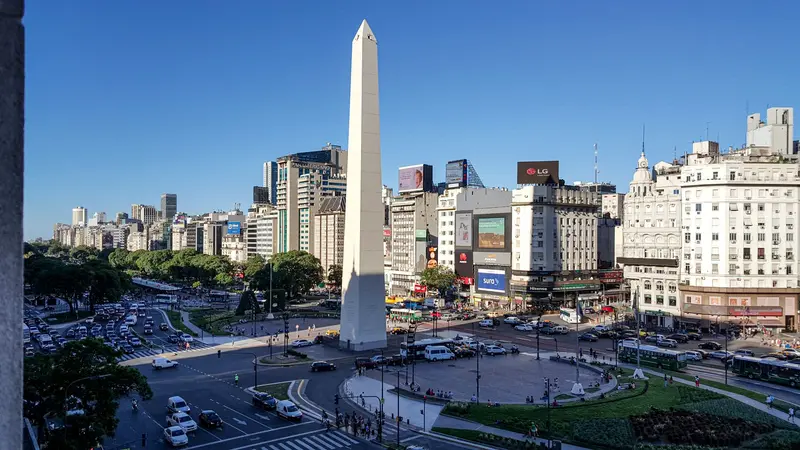
    Buenos Aires is Argentina's capital and, with over three million inhabitants in the city proper and many more in the greater metropolitan area, it is the country's political and cultural center. The city is located on the west bank of the Río de la Plata and is divided into 48 barrios, each with its own distinct character. Wide boulevards, Belle Époque architecture, traditional cafés, and a vibrant tango scene define its image.The historic center, with Plaza de Mayo, Casa Rosada, and the Cabildo, is located close to the river. South of it lies San Telmo, one of the oldest neighborhoods, with cobblestone streets, antique shops, and its Sunday market. Even further south, by the old port, is La Boca, with its brightly painted houses along Caminito and the La Bombonera stadium. To the north, you'll find elegant Recoleta with its famous cemetery and beyond that, Palermo, the largest barrio, with parks, boutiques, and the nightlife districts of Palermo Soho and Palermo Hollywood. Finally, by the water, lies Puerto Madero, the newest neighborhood in the converted docklands.
    Round trips through this region

    Argentina Classics: Tango, Waterfalls, Andes and Glaciers

    Argentina Classics: Tango, Waterfalls, Andes and Glaciers

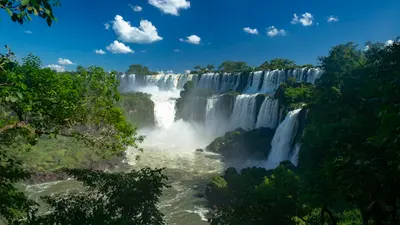
    The route connects Argentina's four great faces in around two and a half weeks: Buenos Aires, Iguazú Falls, the colorful high valleys of the Northwest, and Southern Patagonia's glaciers and granite peaks. Long journeys are via domestic flights, the Northwest by rental car.

    19 Days
    8 stops

    Nearby

    Buenos Aires

    Buenos Aires

    Buenos Aires is Argentina's capital and, with over three million inhabitants in the city proper and many more in the greater metropolitan area, it is the country's political and cultural center. The city is located on the west bank of the Río de la Plata and is divided into 48 barrios, each with its own distinct character. Wide boulevards, Belle Époque architecture, traditional cafés, and a vibrant tango scene define its image.The historic center, with Plaza de Mayo, Casa Rosada, and the Cabildo, is located close to the river. South of it lies San Telmo, one of the oldest neighborhoods, with cobblestone streets, antique shops, and its Sunday market. Even further south, by the old port, is La Boca, with its brightly painted houses along Caminito and the La Bombonera stadium. To the north, you'll find elegant Recoleta with its famous cemetery and beyond that, Palermo, the largest barrio, with parks, boutiques, and the nightlife districts of Palermo Soho and Palermo Hollywood. Finally, by the water, lies Puerto Madero, the newest neighborhood in the converted docklands.

    Puerto Madero

    Puerto Madero is Buenos Aires' newest barrio, located in the former port docks on the Río de la Plata, just a few minutes' walk from Plaza de Mayo. Restored brick warehouses, now housing restaurants and offices, line the basins, behind which rise glass residential and office towers. Many streets in the district are named after important women.Its landmark is Santiago Calatrava's Puente de la Mujer. Two historic ships serve as museums at the quay, and east of the docks lies the Reserva Ecológica Costanera Sur, a large riverside nature reserve that is ideal for exploring on foot or by bike.

    San Telmo

    San Telmo, south of Plaza de Mayo, is one of Buenos Aires' oldest neighborhoods: cobblestone streets, faded facades, antique shops, and a vibrant tango and art scene characterize the area. After the cholera and yellow fever epidemics of the 1870s, wealthy families moved north, and immigrants moved into their houses.Plaza Dorrego is the heart of the district. Every Sunday, Calle Defensa transforms into a long street market with antiques, handicrafts, musicians, and tango dancers. In the evenings, the bars and Parrillas fill up, and on weekends, San Telmo becomes one of the city's liveliest nightlife districts.

    Recoleta

    Recoleta is the elegant district of Buenos Aires. After the epidemics of the 1870s, wealthy families settled here and built city palaces in Parisian style, many of which now house embassies. The district gets its name from a Recollects monastery, whose church Nuestra Señora del Pilar from 1732 still stands.The main attraction is the cemetery with its magnificent mausoleums, including the tomb of Eva Perón. Nearby are the Centro Cultural Recoleta, the Museo Nacional de Bellas Artes, and the steel flower Floralis Genérica. On weekends, a large arts and crafts market takes place on Plaza Francia.

    La Boca

    La Boca, situated by the old port at the mouth of the Riachuelo, is the city's most photographed neighborhood. In the 19th century, mainly Italian immigrants settled here in conventillos, simple corrugated iron tenement houses painted brightly with ship's paint. The painter Benito Quinquela Martín shaped the neighborhood's image and advocated for Caminito to be declared a street museum in 1959.Besides Caminito, the La Bombonera stadium of Boca Juniors and the Fundación Proa art center attract visitors. Two to three hours are sufficient for a tour. Stick to the tourist area between Caminito, Proa, and the stadium, and visit the neighborhood during the day; the city's tourism authority advises against walking through La Boca in the evening.

    Sources & method

    • Photos: Pexels. Each photo carries its credit.
    • The content is based on web research from public, traceable sources. How the content is made · The role of AI