Fernweh: Home
    ExploreTravel GuidesPlan a tripMy tripLast visited
    de|en
    All Places & RegionsAll highlightsAbout FernwehFAQPrivacy PolicyImprint
    ExploreTravel GuidesPlan a tripMy tripLast visited
    • Neighborhoods & highlights
    • Eat & drink
    • Accommodation
    • Plan trip
    • Nearby
    Alta Gracia
    Paco Martinez / Wikimedia Commons / CC BY-SA 3.0

    Argentina

    Alta Gracia

    City

    This small town southwest of Córdoba grew around a Jesuit Estancia, part of the UNESCO World Heritage Jesuit Block of Córdoba.

    by Felix Gillen

    1. Home
    2. Destinations
    3. Argentina
    4. Córdoba and the Sierras
    5. Alta Gracia
    This small town southwest of Córdoba grew around a Jesuit Estancia, part of the UNESCO World Heritage Jesuit Block of Córdoba. In front of the Estancia is the Tajamar, a reservoir created in 1643, considered the province's oldest dam, which once powered the mills.Alta Gracia is also known as the childhood home of Ernesto Guevara: his family moved here in 1932 due to his asthma and stayed until 1943. The house, Villa Nydia, is now a museum.

    Sights in Alta Gracia

    Discover the most important sights and attractions
    House Museum of Ernesto Che Guevara

    1House Museum of Ernesto Che Guevara

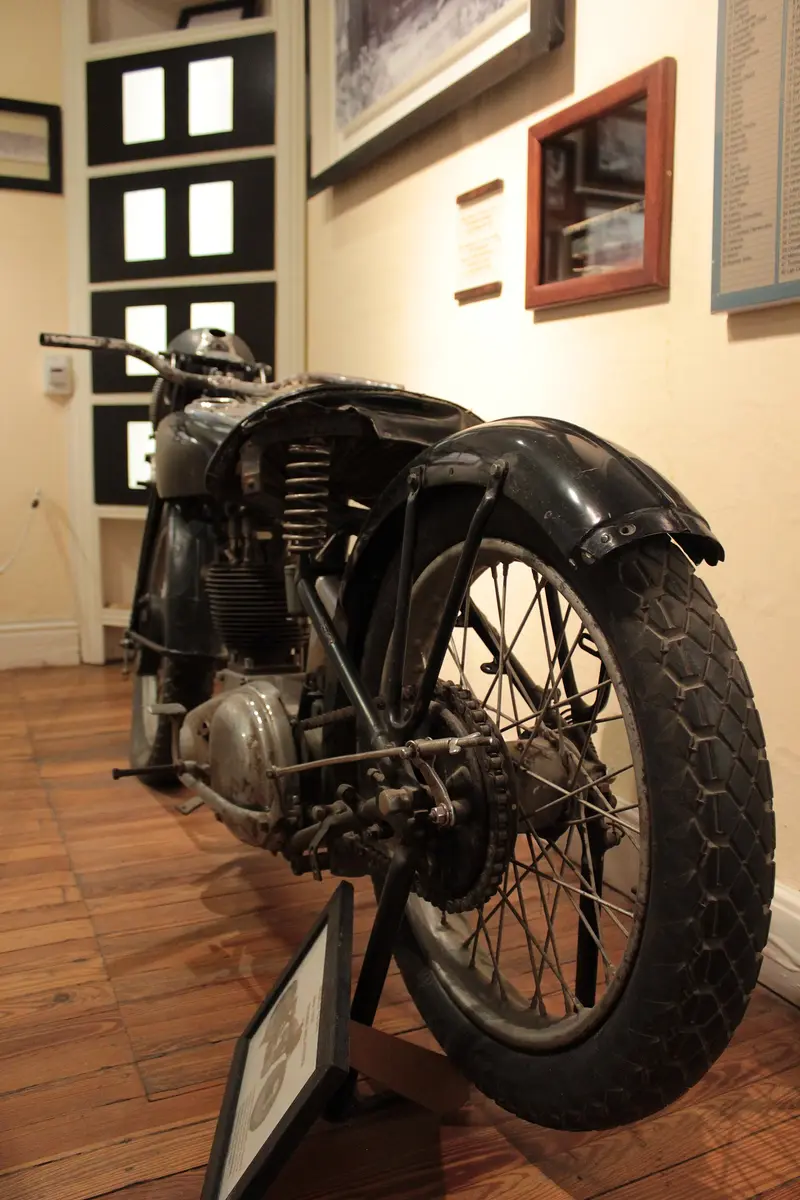
    The Guevara family lived in Villa Nydia during the 1930s and early 1940s. Since 2001, the house has been a museum about Ernesto's childhood and travels, including a replica of the motorcycle La Poderosa.
    Open in Google Maps
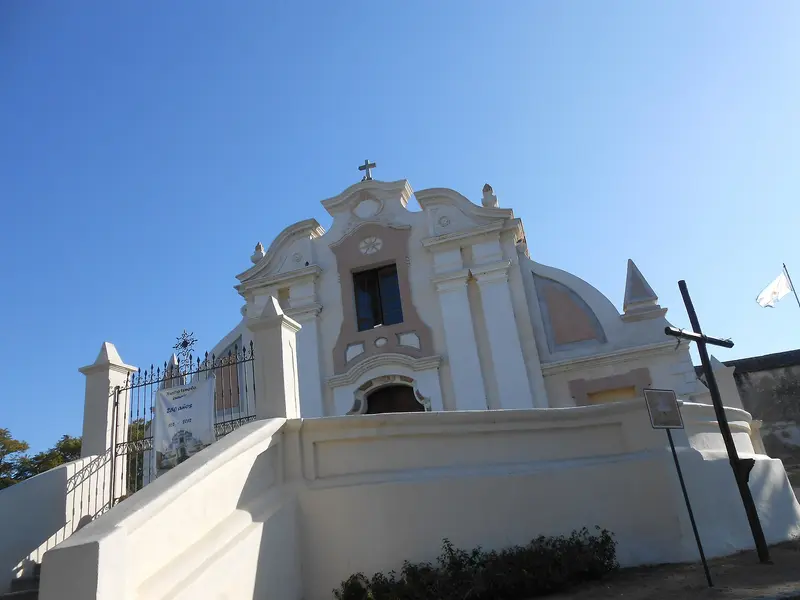
    Jesuit Estancia and Tajamar

    2Jesuit Estancia and Tajamar

    The Jesuit Estancia is a UNESCO World Heritage site. In 1810, Viceroy Santiago de Liniers briefly lived here, so the house is also called Casa del Virrey. In front of it is the Tajamar from 1643, a reservoir that powered the mills.
    Open in Google Maps

    Restaurants in Alta Gracia

    Accommodations in Alta Gracia

    Find perfect stay in Alta Gracia

    Booking.com* (Affiliate link)
    Search Hotels
    Agoda* (Affiliate link)
    Search Hotels
    Airbnb
    Vacation Rentals

    * Affiliate link: if you book through it, we earn a small commission. The price stays the same for you.

    Plan your trip to Alta Gracia

    Save places, build a route and plan your city trip, all in one place.

    1. 1
      Sunrise over alpine peaks and a sea of clouds
      1234

      Round trip

      12 days · 4 stops

      Saved

      Pick a route

      Pick a ready-made one or save places and plan your own.

      Open bookmarks
    2. 2

      Trip to Alta Gracia

      Live
      • 1House Museum of Ernesto Che Guevara3 days
      • 2Jesuit Estancia and Tajamar4 days
      Budget

      Plan your trip

      The planner sorts stops, days and budget. Plan together in real time.

      Start trip planning
    3. 3
      9:41 No signal
      Alta Gracia
      Available offline

      Use it on the road

      Download the guide to your phone and use it on site, even offline.

    Nearby

    Córdoba and the Sierras

    Córdoba and the Sierras

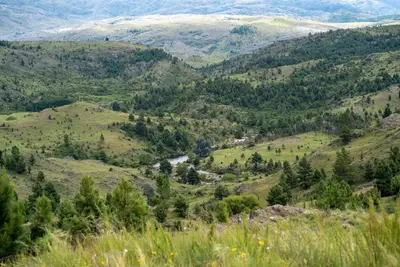
    The province of Córdoba in the center of the country connects Argentina's second-largest city with the Sierras de Córdoba, a low mountain range popular with Argentinians as a holiday destination. The Jesuit legacy is defining: The Manzana Jesuítica in the city and five estancias in the surrounding area have been UNESCO World Heritage Sites since 2000.
    Córdoba

    Córdoba

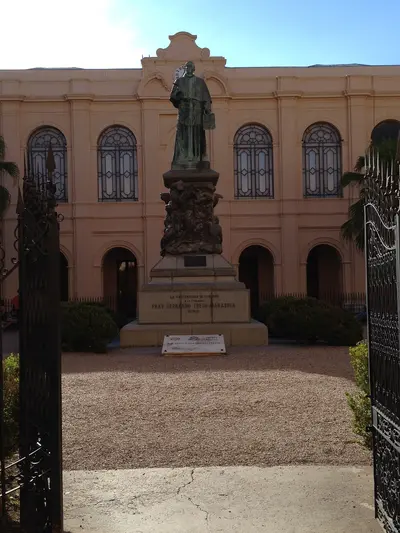
    Córdoba is, after Buenos Aires, Argentina's second-largest city and a lively university town. Its historic heart is the Manzana Jesuítica, the Jesuit Block, featuring parts of the university founded in 1613, the Colegio Monserrat, a church, and the residential buildings of the order. Together with five Jesuit Estancias in the surrounding area, including Alta Gracia, Jesús María, and Santa Catalina, it has been a UNESCO World Heritage site since 2000.Alta Gracia is closest to the city; a settlement has developed around the Estancia. Córdoba is suitable as a stop between Buenos Aires and the Northwest and as a starting point for the Sierras de Córdoba.

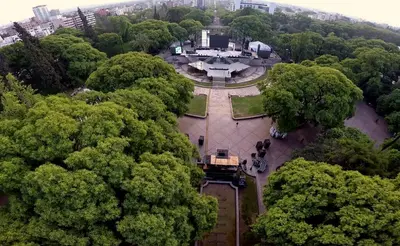
    Mendoza is the capital of the eponymous wine province and lies like an oasis in a dry valley at the foot of the Andes. After the devastating earthquake of March 20, 1861, it was rebuilt a short distance from the old colonial city: with wide streets, low-rise houses, shady avenues, and open irrigation channels, the Acequias, along the sidewalks. The heart of the city is the Plaza Independencia, surrounded by four smaller squares, including the tile-decorated Plaza España.To the west lies the extensive Parque General San Martín with a lake and rose garden; on the Cerro de la Gloria, a bronze monument commemorates the Army of the Andes, with which General San Martín marched from here to Chile in 1817. Surrounding the city are the wine regions: Maipú, which is easily explored by bike, Luján de Cuyo with many well-known Malbec wineries, and, about an hour and a half's drive south, the high-altitude Valle de Uco. Every year in early March, the city celebrates the Fiesta Nacional de la Vendimia, the grand Grape Harvest Festival.
    Mendoza and the Andes

    Mendoza and the Andes

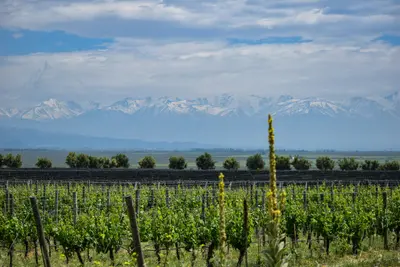
    Mendoza Province at the foot of the Andes is Argentina's most significant wine region: This is where most of the country's grapes grow, primarily Malbec. In a dry valley where only a small part of the soil is cultivable, irrigation channels make the landscape green. West of the capital, the road to Chile ascends to Aconcagua, the highest mountain in the Americas.The region is most pleasant in autumn, when the grape harvest runs from late February to April, and in spring from September to November.
    Aconcagua Provincial Park

    Aconcagua Provincial Park

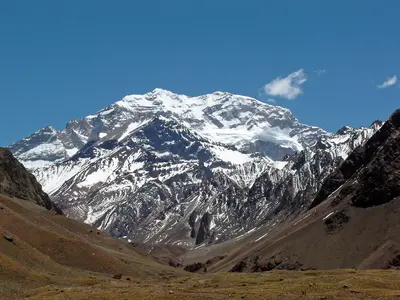
    Aconcagua, at 6,961 meters, is the highest mountain in the Americas. The provincial park protecting it is located about 180 kilometers west of Mendoza on Ruta Nacional 7 towards Chile, just past Puente del Inca and approximately 15 kilometers before the border. The drive there passes the Potrerillos reservoir and through the Andean village of Uspallata.Even without summit ambitions, a visit is worthwhile: A short circular trail leads to Laguna de Horcones with views of the massive south face; those with more time can hike in a day to the first base camp, Confluencia. For all trails, you need a permit, which you acquire in advance. The main season for trekking and ascents runs from mid-November to mid-March. Just before the park, a stop at Puente del Inca, a natural rock bridge over the river, is recommended.

    Sources & method

    • Photos: Wikimedia Commons. Each photo carries its credit.
    • The content is based on web research from public, traceable sources. How the content is made · The role of AI