Fernweh: Home
ExploreGuideDestinationsMy tripsMy trip
de|en
All Places & RegionsRound tripsNight trains in EuropeAll highlightsAbout FernwehFAQPrivacy PolicyImprint
Download on the App StoreGet it on Google Play
ExploreGuideDestinationsMy tripsMy trip
    • Neighborhoods & highlights
    • Eat & drink
    • Culture
    • Getting around
    • Accommodation
    • Plan trip
    • Nearby
    Shibuya and Harajuku

    Photo by Denys Nevozhai on Unsplash

    Japan

    Shibuya and Harajuku

    City

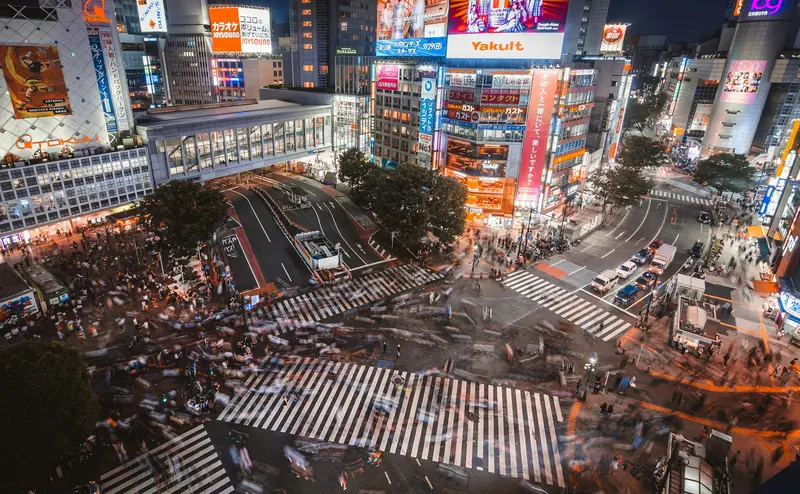
    Shibuya and northern Harajuku embody young, vibrant Tokyo. In front of Shibuya Station is the famous diagonal crossing, where, on green, cars halt as thousands cross from all directions, next to loyal dog Hachikō's statue.

    by Felix Gillen

    1. Home
    2. Destinations
    3. Japan
    4. Tokyo
    5. Shibuya and Harajuku
    Shibuya and northern Harajuku embody young, vibrant Tokyo. In front of Shibuya Station is the famous diagonal crossing, where, on green, cars halt as thousands cross from all directions, next to loyal dog Hachikō's statue. One station further, Harajuku offers the narrow shopping street Takeshita-dōri for pop culture fashion and theme cafés; parallel, the grand avenue Omotesandō, with modern designer boutiques, leads to Meiji Shrine. Adjacent is Yoyogi Park, the 1964 Olympic Village. The JR Yamanote Line connects Shibuya, Harajuku, and Shinjuku in minutes.
    Japan travel guideRound trips in JapanPlan a trip with Shibuya and Harajuku

    Contents

    • Neighborhoods & highlights
    • Eat & drink
    • Culture
    • Getting around
    • Accommodation
    • Nearby

    Sights in Shibuya and Harajuku

    Discover the most important sights and attractions

    Attraction

    1Takeshita-dori

    The narrow shopping street by Harajuku Station is the district's hub for youth and pop culture: small fashion boutiques, accessory stores, and theme cafés are tightly packed together. From the end of the street, you can reach Omotesandō in just a few minutes.
    Open in Google Maps
    Attraction

    2Omotesandō

    The wide, tree-lined avenue leads as a grand street to the Meiji Shrine and is one of Tokyo's most elegant shopping streets, lined with international fashion boutiques. It runs parallel to Takeshita-dori, forming a refined counterpoint to its pop-culture shops.
    Open in Google Maps
    Yoyogi Park

    Syced / Wikimedia Commons / CC0

    Park

    3Yoyogi Park

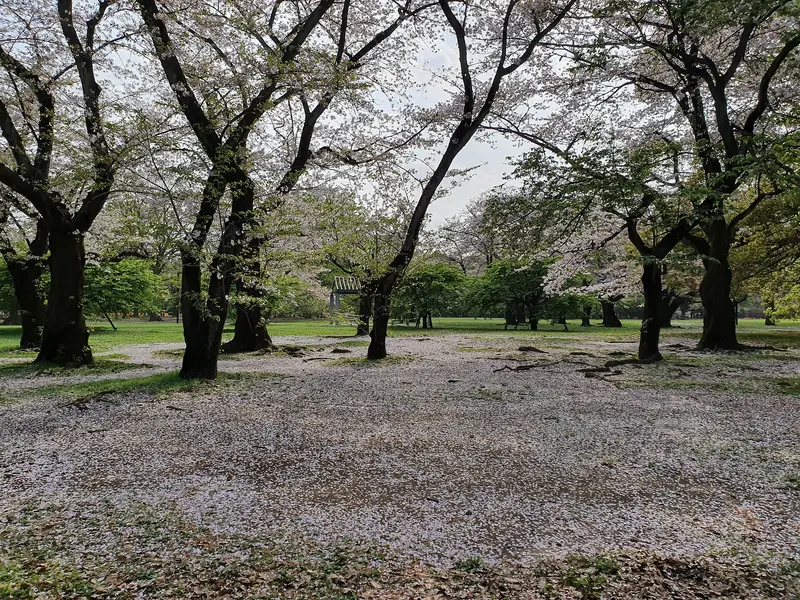
    The sprawling park borders the Meiji Shrine forest and Harajuku. The site was home to the 1964 Tokyo Olympic Village. With its lawns and trees, it now offers a green respite between Shibuya and Shinjuku and can be easily combined with a visit to the Meiji Shrine.
    Open in Google Maps

    Restaurants in Shibuya and Harajuku

    1

    AFURI Harajuku

    A ramen spot a few minutes' walk from Takeshita-dori and Harajuku Station. It's known for its Yuzu-Shio Ramen, a light salt broth with yuzu, available either clear (tanrei) or with added chicken fat (maro).
    Show on Google Maps

    Spirit

    ShibuyaAt Shibuya Crossing, 1,000 to 2,000 people cross the street with each green light phase; the statue of Hachikō the dog stands right beside it.HarajukuThe Meiji Shrine was consecrated in 1920; the current building dates from 1958, having been rebuilt after its destruction in World War II. The pedestrian street Takeshita-dōri, with small fashion and accessory shops, is just a few steps from the station, while the Omotesandō boulevard, with luxury brands, is about a ten-minute walk away.

    Getting Here & Around

    Shibuya Station is served by the JR Yamanote Line, Narita Express, Keiō and Tōkyū lines, and the Ginza, Hanzōmon, and Fukutoshin lines of Tokyo Metro; approximately 3 million people use it daily.Harajuku Station (JR Yamanote) lies between Shibuya and Shinjuku, a 4-minute ride from Shinjuku. Alternatively, take the Chiyoda or Fukutoshin Line to Meiji-jingumae.

    Accommodations in Shibuya and Harajuku

    Find perfect stay in Shibuya and Harajuku

    Booking.com* (Affiliate link)
    Search Hotels
    Agoda* (Affiliate link)
    Search Hotels
    Airbnb
    Vacation Rentals

    * Affiliate link: if you book through it, we earn a small commission. The price stays the same for you.

    Plan your trip to Shibuya and Harajuku

    Save places, build a route and plan your city trip, all in one place.

    1. 1
      Sunrise over alpine peaks and a sea of clouds
      1234

      Round trip

      12 days · 4 stops

      Saved

      Pick a route

      Pick a ready-made one or save places and plan your own.

      Open bookmarks
    2. 2

      Trip to Shibuya and Harajuku

      Live
      • 1Takeshita-dori3 days
      • 2Omotesandō4 days
      • 3Yoyogi Park5 days
      Budget

      Plan your trip

      The planner sorts stops, days and budget. Plan together in real time.

      Start trip planning
    3. 3
      9:41 No signal
      Shibuya and Harajuku
      Available offline

      Photo by Denys Nevozhai on Unsplash

      Use it on the road

      Download the guide to your phone and use it on site, even offline.

    Nearby

    Roppongi

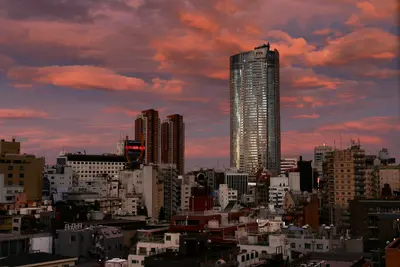
    Roppongi

    Roppongi in Minato Ward combines international offices, embassies, and clubs with some of Tokyo's most important art museums. After World War II, the district was primarily an entertainment quarter; today, major complexes like Roppongi Hills and Tokyo Midtown shape its image.The National Art Center, the Mori Art Museum, and the Suntory Museum of Art together form the so-called Art Triangle Roppongi; all three are a few minutes' walk apart. From the 52nd floor of the Mori Tower, you can see Mount Fuji on a clear day.

    Cem Ersozlu·Unsplash

    Tokyo

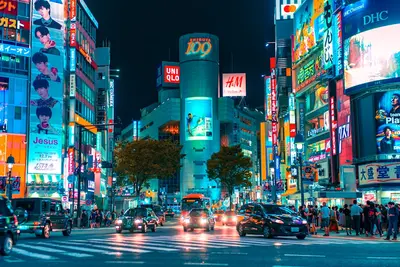
    Tokyo

    Tokyo is Japan's capital, with over 14 million people living in the prefecture, and significantly more in the greater metropolitan area. You come for the contrasts: skyscraper districts like Shinjuku and Shibuya, the Meiji Shrine, a forest in the heart of the city, Sensō-ji in Asakusa, and narrow Izakaya alleys where old Edo is still palpable. Additionally, there are museums in Ueno, electronics and manga shops in Akihabara, and a restaurant scene ranging from ramen counters to sushi menus.Plan your visit by district; you'll cover the distances between them by train and subway. The prefecture also includes the forested mountains of the Tama region to the west, as well as the Izu and Ogasawara Islands far out in the Pacific.Good to knowWhen to visit: Spring for cherry blossoms and autumn for changing leaves are the most popular and accordingly crowded. Summer is hot and humid.Payment: Use an IC card like Suica or PASMO for contactless payment on trains, buses, and small purchases.

    Unsplash

    Shinjuku

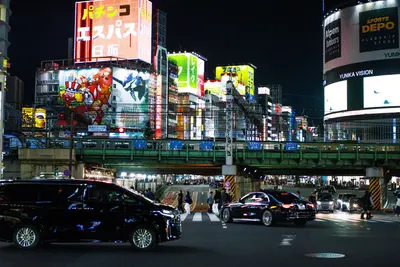
    Shinjuku

    Shinjuku is Tokyo's largest hotel district, built around one of the world's busiest train stations, served by JR, Keiō, Odakyū, Tokyo Metro, and Toei lines; it's about a 15-minute ride from Tokyo Station on the Chuo Line. West of the tracks in Nishi-Shinjuku stand the skyscrapers, including the Prefectural Government Building with its free observation decks, while to the east are department stores, restaurants, and the neon-lit entertainment district of Kabukichō, packed with small, bustling bars. Right outside the West Exit, tiny grill and izakaya eateries line Omoide Yokochō alley, and in the southeast, the Shinjuku Gyoen garden offers tranquility amid the high-rises.
    Faruk Tokluoğlu·Pexels

    Marunouchi and Ginza

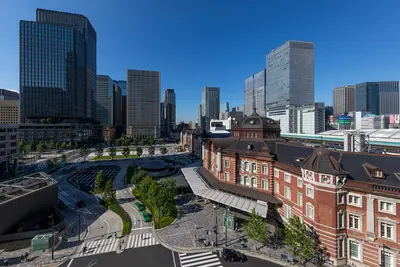
    Marunouchi and Ginza

    Between Tokyo Station and the Imperial Palace lies Marunouchi, the city's business district. The red-brick Tokyo Station building, dating from 1914, is the hub for all Shinkansen lines. From here, you can reach the Imperial Palace East Garden in about ten minutes on foot. South of this lies Ginza, Tokyo's premier luxury shopping district, boasting department stores, designer boutiques, and jewelers. Further towards the bay, you'll find Tsukiji's Outer Market, home to fishmongers and sushi restaurants. Given its proximity to the station, the area is an excellent base for Shinkansen day trips.

    Basile Morin·CC BY-SA 4.0

    Akihabara

    Akihabara

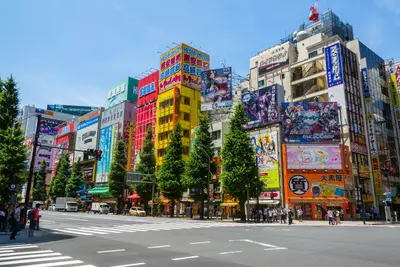
    Akihabara in Chiyoda Ward is known worldwide as Akiba, as an electronics district and a hub for pop culture. Across approximately one square kilometer around Akihabara Station, shops for computers, anime, manga, games, and figures line the streets, and in the side alleys, you'll find specialty stores for retro games and computer parts.Just a few minutes' walk away lie older layers of the city: Kanda Myojin Shrine, Yushima Seido Confucian Temple, and beneath the railway viaducts, the shops of mAAch ecute and 2k540. On Sundays, the main street Chuo-dori is closed to cars in the afternoon.

    Sebastian Kurpiel·Unsplash

    Your next steps

    Shibuya and Harajuku is in Japan. Ways to carry on from here.

    • More in Japan

      Highlights, areas, routes and the best time to travel for all of Japan.

      Japan travel guide
    • Round trips in Japan

      Ready-made routes through Japan, with stops, nights and a map.

      See the routes

    Sources & method

    • Photos: Wikimedia Commons, Unsplash. Each photo carries its credit.
    • Place data such as addresses and ratings comes from Google Maps.
    • The content is based on web research from public, traceable sources. How the content is made · The role of AI