ExploreTravel GuidesPlan a trip
    de|en
    All Places & RegionsAbout FernwehFAQPrivacy PolicyImprint
    ExploreTravel GuidesPlan a trip
    • Overview
    • Places in the region
    • Food culture
    • Culture
    • Getting around
    • Nearby
    Comunitat Valenciana
    Region

    Spain

    Comunitat Valenciana

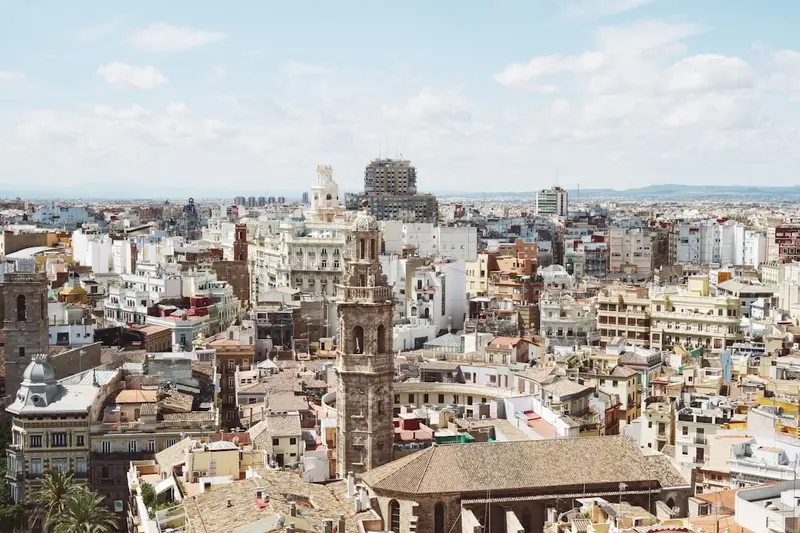
    The Valencia region on Spain's east coast extends from the orange groves of the Huerta to the old towns along the Mediterranean. Its capital, Valencia, combines its Gothic Old Town, the City of Arts and Sciences, and the home of paella.

    1. Home
    2. Destinations
    3. Spain
    4. Comunitat Valenciana
    The Valencia region on Spain's east coast extends from the orange groves of the Huerta to the old towns along the Mediterranean. Its capital, Valencia, combines its Gothic Old Town, the City of Arts and Sciences, and the home of paella. To its north, on the Costa del Azahar, lies the castle town of Peñíscola, and to the south, the Costa Blanca adjoins.
    The Comunitat Valenciana stretches approximately 500 kilometers along the Mediterranean coast, from the Ebro Delta to just before Murcia. It comprises the provinces of Castelló, València, and Alacant; Spanish and Valencian are spoken. Behind the coast lie rice fields, orange groves, and a mountainous, sparsely visited hinterland. The city of Valencia is the center, and the castle town of Peñíscola is located on the northern Costa del Azahar. You can find the south, with Alicante, Altea, and Dénia, under Costa Blanca on Fernweh.
    Peñíscola

    Place 1 of 2

    Peñíscola

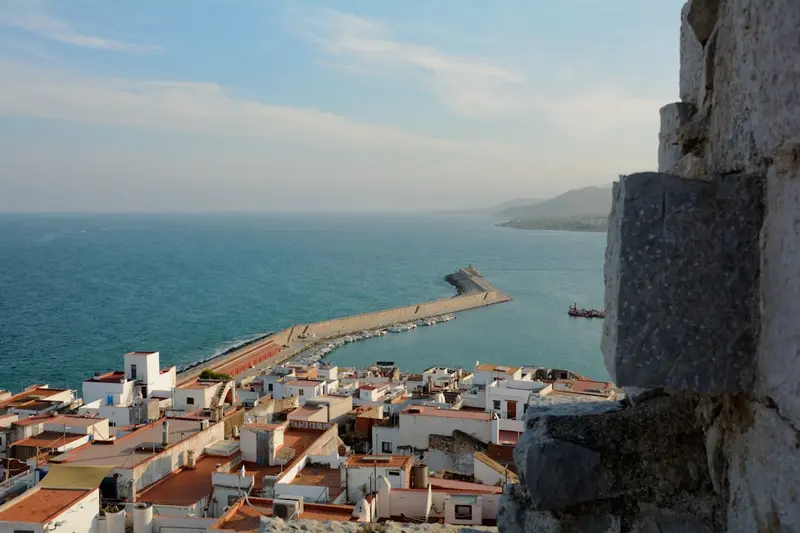
    Peñíscola is located on the Costa del Azahar in the north of the Valencia region. The walled old town with its Templar castle sits on a rock, connected to the mainland only by a narrow isthmus.

    Peñíscola has about 8,000 residents, a number swelling with summer beach visitors. The car-free old town, perched on a rock, can be explored on foot in an hour: white houses, steep alleys, and 16th-century city walls lead up to the castle.

    Discover
    Valencia

    Place 2 of 2

    Valencia

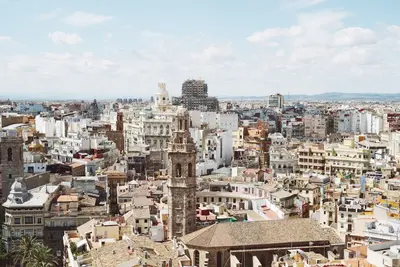
    Valencia is the third-largest city in Spain and is located on the Mediterranean coast between rice fields and orange groves.

    Valencia is home to over 800,000 inhabitants. Its core is the Ciutat Vella, featuring the Cathedral, Silk Exchange, and Central Market, encircled by the Jardí del Túria: After the 1957 flood, the river was diverted and its old bed transformed into a park roughly nine kilometers long.

    Discover

    Food & Drinks

    Arroz

    Besides paella, many rice dishes like Arroz a banda, Arroz negro with squid ink, or oven-baked Arroz al horno.

    Horchata

    Cold tiger nut milk, primarily produced around Valencia.

    Oranges

    From November to May, citrus fruits are harvested in the region, which are sold throughout Europe.

    Culture

    Huerta, Rice, and FireAround Valencia, the Moors built irrigation canals that still supply the Huerta today. In the Albufera Natural Park, rice has been cultivated for centuries, forming the basis of paella. The region is famous for its fire festivals: the Fallas in Valencia in March, the Fogueres de Sant Joan in Alicante in June, and the Magdalena Festivals in Castelló.

    Exploring on-site

    Valencia and Alicante airports and the coastal railway connect major towns; Valencia is connected to Madrid and Barcelona by high-speed train. Along the coast run the motorways AP-7 and A-7. For the hinterland and smaller towns, a rental car is recommended.

    Nearby

    Valencia

    Valencia

    Valencia is the third-largest city in Spain and is located on the Mediterranean coast between rice fields and orange groves. The Gothic Old Town with its Silk Exchange and Cathedral, the City of Arts and Sciences, and the park in the old Turia riverbed define the city, plus city beaches and paella, which originated here.
    Dénia

    Dénia

    Die charmante Hafenstadt Dénia bietet eine reizvolle Burg, eine lebendige Altstadt und ist ein UNESCO-Ort der Gastronomie sowie Tor zu den Balearen.
    Jávea (Xàbia)

    Jávea (Xàbia)

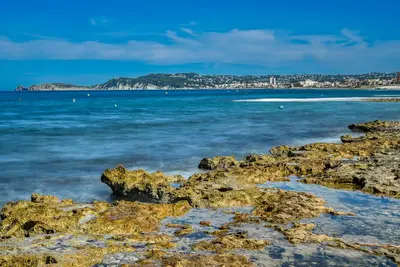
    Jávea (Xàbia) on the Costa Blanca is divided into the historic Old Town, the port district of Duanes de la Mar, and Playa del Arenal beach. The Old Town offers Gothic architecture with the fortified church of Sant Bertomeu and a market. In the port of Duanes de la Mar, you'll see fishing boats and the modern church of Nuestra Señora de Loreto. The Playa del Arenal entices with its sandy beach and promenade. The Montgó Massif is a nature park for hikes with panoramic coastal views. Tip: Visit the Old Town market in the morning; spring or autumn are ideal for fresh fish in the port and explorations.
    Altea

    Altea

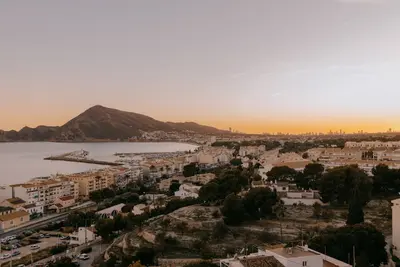
    Altea captivates with its charming old town, rising picturesquely on a hill with its whitewashed houses. The Church of Nuestra Señora del Consuelo, with its distinctive blue domes, forms the heart of the historic quarter. As you stroll through the narrow, cobblestone streets, you'll discover numerous art galleries, craft shops, and small cafés. This artistic atmosphere has attracted creatives for decades, shaping Altea's unique character. From the various viewpoints, you can enjoy a wide panoramic view over the coast and the azure Mediterranean Sea. To fully appreciate Altea's tranquility and beauty, it is advisable to visit the town during the low season. Also explore the beach promenade, which provides a beautiful contrast to the historic core.
    Benidorm

    Benidorm

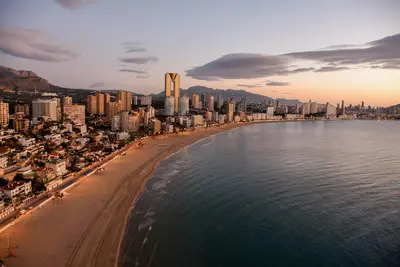
    Benidorm on the Costa Blanca is renowned for its impressive skyline, which has earned it the nickname "Manhattan of Spain." Originally a fishing village, the city developed into a tourist hub with vertical architecture from the 1960s onwards. Here you'll find expansive sandy beaches like the Playa de Levante and the Playa de Poniente for sunbathing and swimming. The historic Casco Antiguo, with its narrow streets and the Church of San Jaime y Santa Ana, offers a contrast to the high-rises. From the Balcón del Mediterráneo, you can enjoy panoramic views over the coast. A practical tip: visit the traditional tapas bars in the Old Town to experience the local gastronomy. For a quieter atmosphere away from the summer months, a visit during the off-season is recommended.