Fernweh
    ExploreTravel GuidesMy Trips
    de|en
    About FernwehImprintFAQPrivacy Policy
    ExploreTravel GuidesMy Trips
    Cradle Mountain-Lake St Clair National Park

    Cradle Mountain-Lake St Clair National Park

    City
    1. Home
    2. Destinations
    3. Australia
    4. Tasmanian Wilderness
    5. Cradle Mountain-Lake St Clair National Park
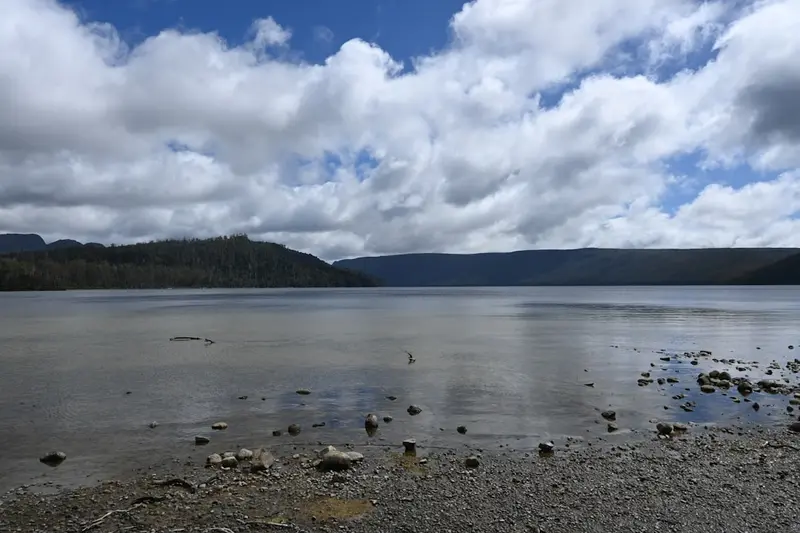
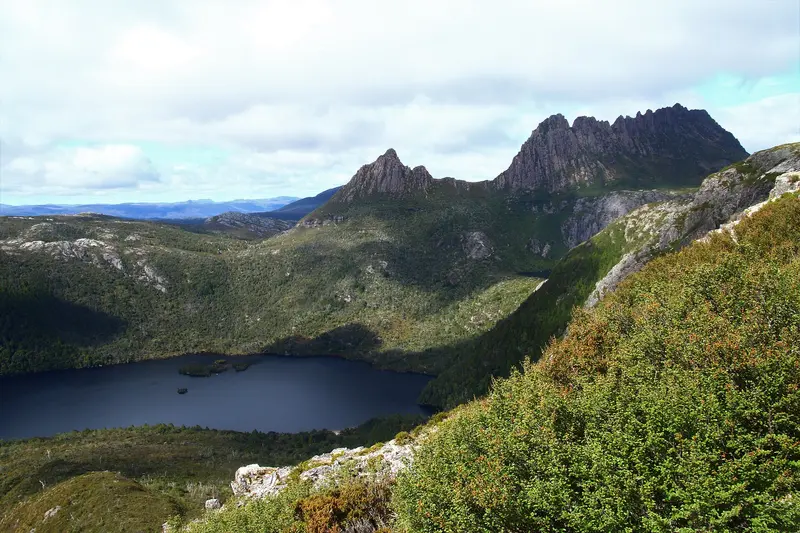
    The Cradle Mountain-Lake St Clair National Park, a UNESCO World Heritage site in Tasmania, represents the island's unspoiled wilderness. Here you'll encounter an alpine landscape of rugged peaks, clear glacial lakes, and ancient rainforests. Iconic are Cradle Mountain and the picturesque Dove Lake, whose shores you can hike along on the popular Dove Lake Circuit. The park also serves as the starting or ending point for the challenging Overland Track, a multi-day hike through pristine nature. Look out for endemic wildlife like Wombats, Platypuses, and Tasmanian Devils, which are native here. For extended hikes and the best weather conditions, the Tasmanian summer from December to February is recommended. Plan enough time, as mountain weather conditions can change rapidly.
    • Neighborhoods & highlights
    • Eat & drink
    • Culture
    • Getting around
    • Accommodation
    • Plan trip
    • Nearby
    • Neighborhoods & highlights
    • Eat & drink
    • Culture
    • Getting around
    • Accommodation
    • Plan trip
    • Nearby

    Overview

    Cradle Mountain-Lake St Clair National Park, a UNESCO World Heritage site in Tasmania, protects a breathtaking alpine wilderness. Here you'll encounter a dramatic landscape of rugged peaks, clear glacial lakes, and ancient rainforests. Iconic are Cradle Mountain and the picturesque Dove Lake, whose shores you can traverse on the popular Dove Lake Circuit. The park serves as the starting point for the famous Overland Track and is home to Australia's deepest lake, Lake St Clair, in its southern reaches. Observe endemic wildlife here such as Wombats, Platypuses, and Tasmanian Devils in their natural habitat. For hiking, the Tasmanian summer (December to February) is recommended; always book accommodations and permits in advance.

    Places in Cradle Mountain-Lake St Clair National Park

    Discover the most important sights and attractions

    Sights in Cradle Mountain-Lake St Clair National Park

    Marions Lookout

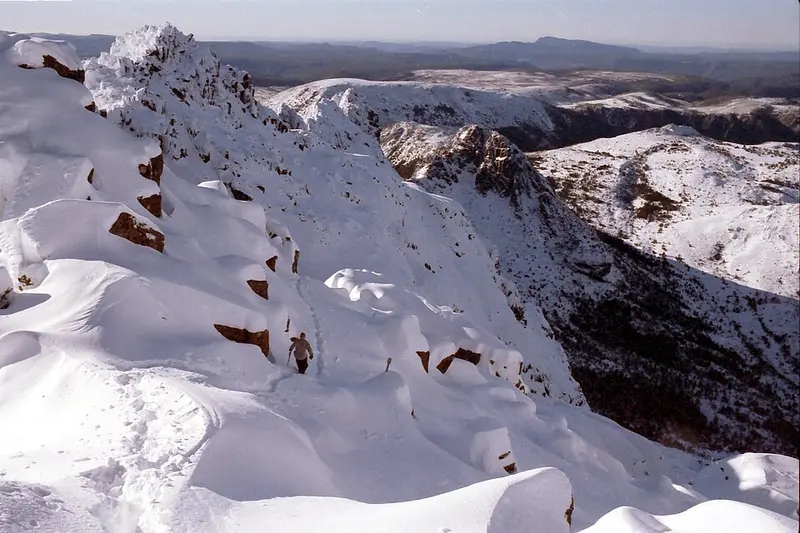
    Marions Lookout is a prominent viewpoint in Cradle Mountain-Lake St Clair National Park. Accessed by a challenging trail, part of the famous Overland Track. Enjoy spectacular 360-degree views of majestic Cradle Mountain, deep blue Dove Lake, and the surrounding subalpine landscape. Glacial processes formed this unique topography. The steep ascent requires sure-footedness, especially on final sections with supporting chains. Our Tip: Visit early morning for clear conditions and to avoid major crowds. Sturdy footwear and weather-resistant clothing are essential for rapidly changing weather.
    Open in Google Maps

    Cradle Mountain Summit

    The Cradle Mountain Summit in Cradle Mountain-Lake St Clair National Park is an iconic destination in Tasmania, offering one of Australia's most spectacular alpine hikes. This distinctive dolerite peak is the result of volcanic activity and glacial erosion that shaped the unique landscape. From the summit, you'll enjoy unparalleled 360-degree views over the rugged wilderness, including Dove Lake and the surrounding mountain ranges. The ascent is challenging, requiring sure-footedness and good fitness, but rewards you with a profound insight into Tasmania's untouched nature.Historically, the region was an important habitat for the Aborigines and later an attraction for conservationists like Gustav Weindorfer, who advocated for the national park. The route leads through alpine heathlands and over rocky sections, some secured with chains. Our tip: Start your hike early in the morning to avoid the crowds and experience the tranquility. The best time for the ascent is between November and April, when the weather is more stable. Be aware of sudden weather changes. For an impressive photo of the summit itself, the Dove Lake circuit track is ideal, especially at sunrise.
    Open in Google Maps

    Hansons Peak

    Hansons Peak, a prominent peak in Cradle Mountain-Lake St Clair National Park, offers you a unique perspective on Tasmania's dramatic landscape. This peak is part of the ancient dolerite formations, shaped by glacial activity, which define the rugged beauty of the region. From here, you'll enjoy unparalleled views over the picturesque Dove Lake and of the majestic Cradle Mountain itself. The ascent to Hansons Peak is challenging and requires sure-footedness, as you'll need to scramble over rocks in places, but it rewards you with breathtaking panoramas. Our Tip: Plan your visit for a clear day to make the most of the distant views. Start the hike early in the morning to avoid the crowds and experience the tranquility of nature. Sturdy footwear and weather-resistant clothing are essential, as mountain weather can change rapidly. For stunning photos of Dove Lake with Cradle Mountain in the background, Hansons Peak summit itself is the ideal spot.
    Open in Google Maps

    Dove Lake Boatshed

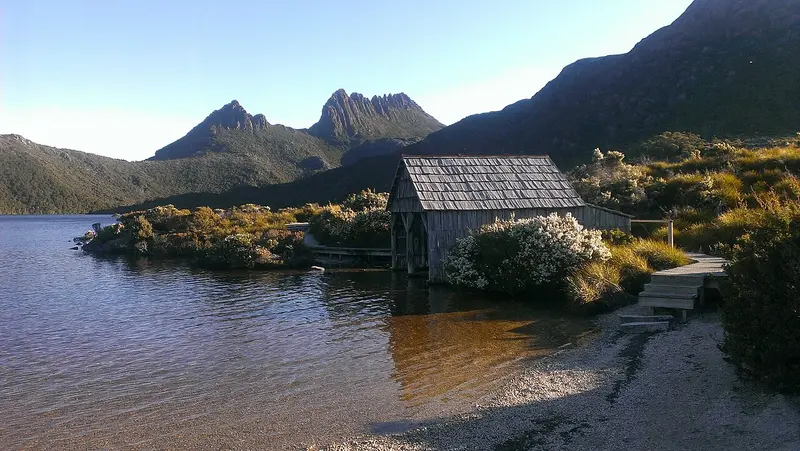
    The Dove Lake Boatshed in Cradle Mountain-Lake St Clair National Park is an iconic and often-photographed subject that embodies the rugged beauty of Tasmania. Built by a park ranger in the 1940s, it originally served as a simple shelter for boats. The rustic wooden structure blends harmoniously into the dramatic landscape, with majestic Cradle Mountain forming a stunning backdrop. Here you can enjoy the tranquility of nature and admire the architecture, which often reflects perfectly in the lake's mirror-smooth water. Our Tip: For the best photo opportunities and to avoid crowds, visit early morning or late afternoon, when the light is softer and calm conditions are more likely. The Boatshed is easily reached via the scenic Dove Lake Circuit, an approximately two-hour loop walk that offers further spectacular views. Plan enough time to explore the surroundings.
    Open in Google Maps

    Glacier Rock

    Glacier Rock in Cradle Mountain-Lake St Clair National Park is an impressive testament to Tasmania's glacial past. Here you'll find unmistakable traces of the last major glaciation that shaped this region approximately 20,000 years ago. The surface of the massive rock is marked by distinct glacial striations and roche moutonnée, formed by the slow but relentless movement of powerful ice masses. These geological features offer a direct insight into the enormous erosive power of the glaciers that shaped today's landscape.During your visit, you can study the smoothed surfaces and deep grooves up close, which tell a fascinating story of Earth's history. Glacier Rock often lies along the park's well-maintained hiking trails, serving as a prominent landmark and an excellent spot for a short break. Our tip: For the best photos of the glacial striations and to highlight the fine details of the rock, visit the rock in the morning when the sunlight falls obliquely. To fully enjoy the tranquility of this special place undisturbed and avoid crowds, it is advisable to start your hike early in the day.
    Open in Google Maps

    Crater Falls

    The Crater Falls are located in the heart of the Cradle Mountain-Lake St Clair National Park, a UNESCO World Heritage Site in Tasmania. These impressive waterfalls are fed by the picturesque Crater Lake, a glacially-formed cirque lake that shapes the surrounding landscape. You reach the cascades via a well-marked hiking trail that leads you through dense, moss-covered rainforest. The falls themselves present as a series of tiers, where the water plunges over rocks and old tree roots, surrounded by lush, pristine vegetation. Our Tip: Visit Crater Falls ideally after rainfall to experience the full water volume; however, be prepared for muddy paths. For the best photos and to avoid the largest crowds, a visit in the early morning hours is recommended. Sturdy footwear is essential on this section of the trail.
    Open in Google Maps

    Essen & Trinken

    Cultural Heritage and History in Cradle Mountain

    The cultural and historical significance of Cradle Mountain-Lake St Clair National Park is deeply rooted in its landscape. For over 35,000 years, this area has been home to the Palawa, the indigenous people of Tasmania. Their rich history and close connection to the land are manifest in traditional pathways and spiritual sites that remain highly significant today, bearing witness to a profound cultural past.With European settlement in the 19th century, a new era began. A central figure for the region was Gustav Weindorfer, an Austrian immigrant who built the iconic Waldheim Chalet in the early 20th century. This rustic wooden building, an example of early pioneer architecture, not only represents wilderness hospitality but also Weindorfer's visionary fight to protect this unique natural area, which led to the establishment of the National Park in 1922. The preservation of the wilderness and bushwalking have since become firm traditions, reflecting the appreciation for unspoiled nature.

    Getting Around Here

    In Cradle Mountain-Lake St Clair National Park, the focus is on the nature experience, which is why urban means of transport such as metros, subways, or trams do not exist here. The most important mode of transport within the park is the Cradle Mountain Shuttle Bus, which carries visitors from the Visitor Centre to central points such as Dove Lake and various hiking trailheads. Its use is mandatory for private vehicles on Dove Lake Road during the shuttle's main operating hours and is included in the Park Pass, available at the Visitor Centre. Cycling is permitted on paved roads and some designated paths, while e-scooters are uncommon and largely impractical in this alpine terrain. Taxi or ride-sharing services are primarily relevant for travel to the park entrance from surrounding towns, but not for getting around within the extensive park itself. The National Park is also a paradise for walkers, with a comprehensive network of hiking trails that makes exploring the breathtaking landscape on foot the most popular option. Visitors should always wear sturdy footwear, be prepared for changeable weather, and plan their routes carefully to make the most of their nature experience.

    Accommodations in Cradle Mountain-Lake St Clair National Park

    Accommodations in Cradle Mountain-Lake St Clair National Park

    Find perfect stay in Cradle Mountain-Lake St Clair National Park

    Booking.com
    Search Hotels
    Agoda
    Search Hotels
    Airbnb
    Vacation Rentals
    Hotels.com
    Hotels Worldwide
    Hostelworld
    Hostels

    Plan your trip to Cradle Mountain-Lake St Clair National Park

    Save places, build a route and plan your city trip — all in one place.

    Save places

    Bookmark sights, restaurants and neighborhoods you're interested in.

    Build your route

    Turn your bookmarks into a route — define order, days and budget.

    Refine with AI

    Let Mein Fernweh suggest experiences and put together a tailored daily plan.

    Start trip planningOpen bookmarks

    Locations nearby

    These places are nearby — perfect for additional days or a day trip.

    Tasmanian Wilderness

    Tasmanian Wilderness

    Immerse yourself in the unspoiled beauty of the Tasmanian Wilderness, a UNESCO World Heritage site that will enchant you with its ancient rainforests, alpine landscapes, and wild rivers.Here, where time seems to stand still, you'll find a unique blend of adventure and profound tranquility, that lets you forget everyday life and promises unforgettable nature experiences.
    Walls of Jerusalem National Park

    Walls of Jerusalem National Park

    The Walls of Jerusalem National Park in Tasmania offers a unique alpine wilderness, characterized by impressive dolerite walls and glacially sculpted valleys. Here you'll find a landscape reminiscent of biblical walls, surrounded by numerous clear lakes and ancient pencil pines. Highlights include the Pool of Bethesda and Lake Ball, nestled amidst sparse but captivating alpine vegetation. The area also holds deep spiritual significance for the Tasmanian Aborigines. The park is exclusively accessible on foot via multi-day hikes, which underscores its remoteness. The best time to visit is during the Tasmanian summer, when weather conditions are milder; however, you should still be prepared for sudden weather changes. Always plan ample time and good equipment for this remote region.
    Franklin-Gordon Wild Rivers National Park

    Franklin-Gordon Wild Rivers National Park

    The Franklin-Gordon Wild Rivers National Park in Tasmania, Australia, represents one of Earth's last unspoiled wildernesses and is a UNESCO World Heritage site. Here you'll discover dense rainforests, deep gorges, and the mighty Franklin and Gordon Rivers, winding through a primeval landscape. The park is renowned for its ancient Huon pines and was the scene of historic environmental protests in the 1980s that secured its preservation. For an intense experience, multi-day whitewater rafting tours on the Franklin River are available, while river cruises on the Gordon River lead deep into the inaccessible wilderness. The region also holds archaeological sites of the indigenous Palawa, testifying to their long presence. Shorter hiking trails allow you to explore this unique flora and fauna. Ideally, plan your visit during the Tasmanian summer from December to February for optimal conditions.
    Southwest National Park

    Southwest National Park

    The Southwest National Park in Tasmania, Australia, represents one of the country's last great wilderness areas. Here you'll find pristine landscapes of alpine plateaus, dense rainforests, and rugged coastlines, all part of the Tasmanian Wilderness World Heritage Area. The region is renowned for its extreme weather conditions and remoteness, making it a destination for experienced hikers. Historically, this area was home to the Aborigines and later a refuge for escaped convicts. The South Coast Track is one of the most famous multi-day hiking routes, leading you through spectacular, unspoiled nature. Plan your visit between November and April to experience the best weather conditions, and be prepared for sudden weather changes. Comprehensive equipment and experience in bushwalking are essential for exploration.
    Otway Coast & Hinterland

    Otway Coast & Hinterland

    This section combines the rugged beauty of the coast with the lush, cool rainforests of Otway National Park, ideal for nature exploration.