Fernweh
    ExploreTravel GuidesMy Trips
    de|en
    About FernwehImprintFAQPrivacy Policy
    ExploreTravel GuidesMy Trips
    Franklin-Gordon Wild Rivers National Park

    Franklin-Gordon Wild Rivers National Park

    City
    1. Home
    2. Destinations
    3. Australia
    4. Tasmanian Wilderness
    5. Franklin-Gordon Wild Rivers National Park
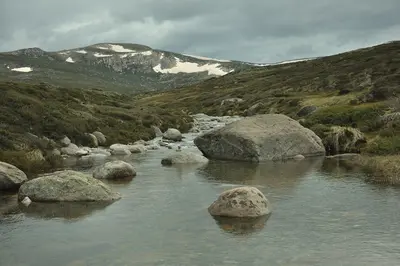
    The Franklin-Gordon Wild Rivers National Park in Tasmania, Australia, represents one of Earth's last unspoiled wildernesses and is a UNESCO World Heritage site. Here you'll discover dense rainforests, deep gorges, and the mighty Franklin and Gordon Rivers, winding through a primeval landscape. The park is renowned for its ancient Huon pines and was the scene of historic environmental protests in the 1980s that secured its preservation. For an intense experience, multi-day whitewater rafting tours on the Franklin River are available, while river cruises on the Gordon River lead deep into the inaccessible wilderness. The region also holds archaeological sites of the indigenous Palawa, testifying to their long presence. Shorter hiking trails allow you to explore this unique flora and fauna. Ideally, plan your visit during the Tasmanian summer from December to February for optimal conditions.
    • Neighborhoods & highlights
    • Eat & drink
    • Culture
    • Getting around
    • Accommodation
    • Plan trip
    • Nearby
    • Neighborhoods & highlights
    • Eat & drink
    • Culture
    • Getting around
    • Accommodation
    • Plan trip
    • Nearby

    Overview

    Franklin-Gordon Wild Rivers National Park in Tasmania is a UNESCO World Heritage site, protecting one of Earth's last unspoiled wildernesses. Here, you'll experience a dramatic landscape of dense rainforests, deep gorges, and the mighty Franklin and Gordon Rivers. The park is renowned for its Huon pines, over a thousand years old, and was the setting for historic environmental protests in the 1980s that led to its preservation. For an immersive experience, multi-day whitewater rafting tours on the Franklin River are ideal, while river cruises on the Gordon River offer insights into inaccessible nature. Additionally, archaeological sites of the indigenous Palawa attest to a long human history in this region. Ideally, plan your visit during the Tasmanian summer, from December to February, to enjoy optimal conditions for hiking and boat tours.

    Places in Franklin-Gordon Wild Rivers National Park

    Discover the most important sights and attractions

    Sights in Franklin-Gordon Wild Rivers National Park

    Nelson Falls

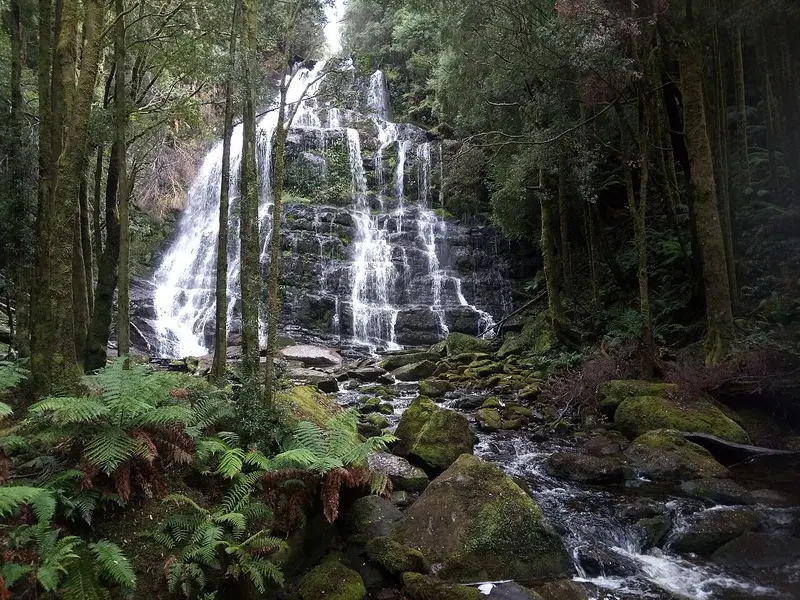
    The Nelson Falls are an easily accessible waterfall in the **Franklin-Gordon Wild Rivers National Park** in Tasmania, Australia. Located directly off the Lyell Highway, they offer straightforward access to this UNESCO World Heritage Site. A short, well-maintained walking track leads you through an *ancient temperate rainforest*, whose dense vegetation and biodiversity reflect Tasmania's long geological history.After about a 20-minute walk, you reach a viewing platform from which you can admire the waterfall as it plunges over a rock edge into a clear basin. The National Park region gained worldwide attention in the 1980s through a successful environmental protection campaign, underscoring its immense ecological significance.Our Tip: Ideally, visit Nelson Falls after heavy rainfall to experience the waterfall at its maximum flow. For undisturbed photos and to fully enjoy the tranquility of the location, an early morning visit is recommended. The track is short and easily walkable for most visitors.
    Open in Google Maps

    The Confluence

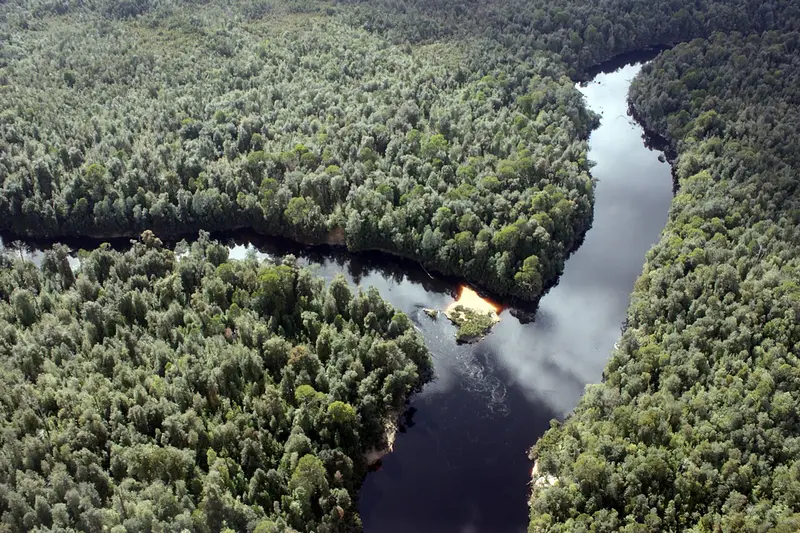
    The Confluence, where the Franklin River and Gordon River meet, is an iconic spot in the heart of the Franklin-Gordon Wild Rivers National Park in Tasmania. Here, two of Australia's most pristine rivers converge, forming a breathtaking wilderness landscape. This point gained worldwide fame in the 1980s through the successful campaign to save the Franklin River from damming, a pivotal moment for the Australian environmental movement. Here, you'll experience raw, untouched nature, surrounded by dense rainforest and steep gorges. The silence and seclusion are profoundly impressive. Our tip: The best way to reach the Confluence is often as part of a multi-day rafting tour on the Franklin River, which guarantees an intense nature experience. Pay attention to the changing light conditions in the morning for particularly atmospheric photos and allow enough time to let the tranquility of this special place wash over you.
    Open in Google Maps

    Bird River Track - Historic East Pillenger Township. (Also known as Kelly Basin walk)

    The Bird River Track, also known as the Kelly Basin Walk, leads you deep into Tasmania's history within the Franklin-Gordon Wild Rivers National Park. You'll hike along the former railway line that once connected the remote mining settlement of East Pillinger with Kelly Basin harbour. This settlement was an important hub for the Mount Lyell Mining and Railway Company in the early 20th century, before it was abandoned and reclaimed by the rainforest.Along the way, you'll discover fascinating remnants of the past: rusted tracks, old machinery, and the foundations of former buildings, now overgrown with lush vegetation. It's a poignant blend of human history and pristine wilderness. Our tip: Plan your visit during the drier months (summer and autumn) to make the hike more pleasant and have better views of the relics. Sturdy footwear is essential. For impressive photos, the moss-covered ruins and dense rainforest backdrop are ideal.
    Open in Google Maps

    Restaurants in Franklin-Gordon Wild Rivers National Park

    Culture and History of the Franklin-Gordon Wild Rivers

    The Franklin-Gordon Wild Rivers National Park holds a deep and multifaceted history, spanning tens of thousands of years of human habitation. For over 40,000 years, this area has been the ancestral home of the Palawa, the Tasmanian Aborigines, whose cultural heritage is reflected in archaeological finds such as the famous Kutikina Cave. This cave, also known as Fraser Cave, provides important insights into the lifestyle and hunting strategies of the Indigenous population during the last Ice Age. Following European exploration in the 19th century, the region remained largely untouched by major settlements or industrial development due to its inaccessibility. One of the most defining eras in the park's modern history was the Franklin River Campaign in the early 1980s. This widespread environmental protest against the planned dam construction on the Franklin River mobilized the Australian population and ultimately led to the river's preservation and the area's inclusion on the UNESCO World Heritage List, marking a turning point for nature conservation in Australia. Local traditions today focus on preserving this unique wilderness and acknowledging its Indigenous heritage. Cultural specificities include the deep spiritual connection of the Palawa to the land and the modern Australian identity shaped by a commitment to protecting pristine nature. Architecture in the traditional sense is absent in this wilderness; instead, natural formations and traces of the Ice Age define the landscape.

    Ways to Get Around

    Der Franklin-Gordon Wild Rivers National Park, ein UNESCO-Weltnaturerbe, ist ein weitläufiges Wildnisgebiet, dessen Erkundung primär auf eigene Faust oder durch spezialisierte Touren erfolgt. Städtische Verkehrsmittel wie Metro, Bus oder Tram sind hier nicht existent, da es sich um eine unberührte Naturlandschaft handelt.Für die Anreise zu den wenigen Zugangspunkten und die Fortbewegung auf den teils unbefestigten Straßen im Umland empfiehlt sich ein eigenes Fahrzeug, oft ein Geländewagen, da die Straßenverhältnisse, besonders nach Regen, herausfordernd sein können. Innerhalb des Parks ist das Wandern auf ausgewiesenen Wegen die primäre Fortbewegungsart, wobei die Fußgängerfreundlichkeit der Wildnis im Vordergrund steht – urbane Konzepte sind hier fehl am Platz. Fahrradfahren ist auf einigen genehmigten Routen möglich, E-Scooter sind jedoch ungeeignet und nicht gestattet.Taxidienste oder Ride-Sharing-Anbieter sind nur in den umliegenden Ortschaften verfügbar und bieten keine direkte Transportlösung im Park selbst. Für ein umfassendes Erlebnis sind geführte Touren und Bootstouren auf dem Franklin oder Gordon River eine ausgezeichnete Option, die logistischen Herausforderungen abnehmen und einzigartige Perspektiven bieten. Planen Sie Ihre Routen sorgfältig, informieren Sie sich über die aktuellen Bedingungen und packen Sie ausreichend Vorräte ein.

    Accommodations in Franklin-Gordon Wild Rivers National Park

    Accommodations in Franklin-Gordon Wild Rivers National Park

    Find perfect stay in Franklin-Gordon Wild Rivers National Park

    Booking.com
    Search Hotels
    Agoda
    Search Hotels
    Airbnb
    Vacation Rentals
    Hotels.com
    Hotels Worldwide
    Hostelworld
    Hostels

    Plan your trip to Franklin-Gordon Wild Rivers National Park

    Save places, build a route and plan your city trip — all in one place.

    Save places

    Bookmark sights, restaurants and neighborhoods you're interested in.

    Build your route

    Turn your bookmarks into a route — define order, days and budget.

    Refine with AI

    Let Mein Fernweh suggest experiences and put together a tailored daily plan.

    Start trip planningOpen bookmarks

    Locations nearby

    These places are nearby — perfect for additional days or a day trip.

    Walls of Jerusalem National Park

    Walls of Jerusalem National Park

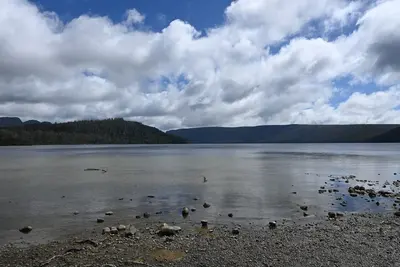
    The Walls of Jerusalem National Park in Tasmania offers a unique alpine wilderness, characterized by impressive dolerite walls and glacially sculpted valleys. Here you'll find a landscape reminiscent of biblical walls, surrounded by numerous clear lakes and ancient pencil pines. Highlights include the Pool of Bethesda and Lake Ball, nestled amidst sparse but captivating alpine vegetation. The area also holds deep spiritual significance for the Tasmanian Aborigines. The park is exclusively accessible on foot via multi-day hikes, which underscores its remoteness. The best time to visit is during the Tasmanian summer, when weather conditions are milder; however, you should still be prepared for sudden weather changes. Always plan ample time and good equipment for this remote region.
    Cradle Mountain-Lake St Clair National Park

    Cradle Mountain-Lake St Clair National Park

    The Cradle Mountain-Lake St Clair National Park, a UNESCO World Heritage site in Tasmania, represents the island's unspoiled wilderness. Here you'll encounter an alpine landscape of rugged peaks, clear glacial lakes, and ancient rainforests. Iconic are Cradle Mountain and the picturesque Dove Lake, whose shores you can hike along on the popular Dove Lake Circuit. The park also serves as the starting or ending point for the challenging Overland Track, a multi-day hike through pristine nature. Look out for endemic wildlife like Wombats, Platypuses, and Tasmanian Devils, which are native here. For extended hikes and the best weather conditions, the Tasmanian summer from December to February is recommended. Plan enough time, as mountain weather conditions can change rapidly.
    Tasmanian Wilderness

    Tasmanian Wilderness

    Immerse yourself in the unspoiled beauty of the Tasmanian Wilderness, a UNESCO World Heritage site that will enchant you with its ancient rainforests, alpine landscapes, and wild rivers.Here, where time seems to stand still, you'll find a unique blend of adventure and profound tranquility, that lets you forget everyday life and promises unforgettable nature experiences.
    Southwest National Park

    Southwest National Park

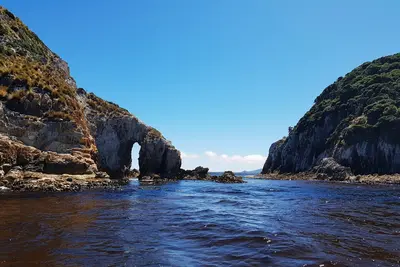
    The Southwest National Park in Tasmania, Australia, represents one of the country's last great wilderness areas. Here you'll find pristine landscapes of alpine plateaus, dense rainforests, and rugged coastlines, all part of the Tasmanian Wilderness World Heritage Area. The region is renowned for its extreme weather conditions and remoteness, making it a destination for experienced hikers. Historically, this area was home to the Aborigines and later a refuge for escaped convicts. The South Coast Track is one of the most famous multi-day hiking routes, leading you through spectacular, unspoiled nature. Plan your visit between November and April to experience the best weather conditions, and be prepared for sudden weather changes. Comprehensive equipment and experience in bushwalking are essential for exploration.
    Otway Coast & Hinterland

    Otway Coast & Hinterland

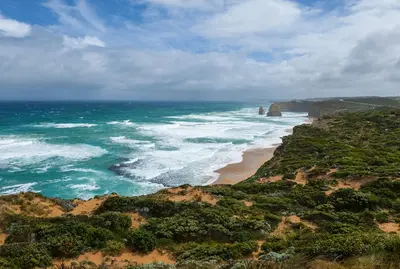
    This section combines the rugged beauty of the coast with the lush, cool rainforests of Otway National Park, ideal for nature exploration.