Fernweh
    ExploreTravel GuidesMy Trips
    de|en
    About FernwehImprintFAQPrivacy Policy
    ExploreTravel GuidesMy Trips
    Tasmanian Wilderness

    Tasmanian Wilderness

    Region
    1. Home
    2. Destinations
    3. Australia
    4. Tasmanian Wilderness
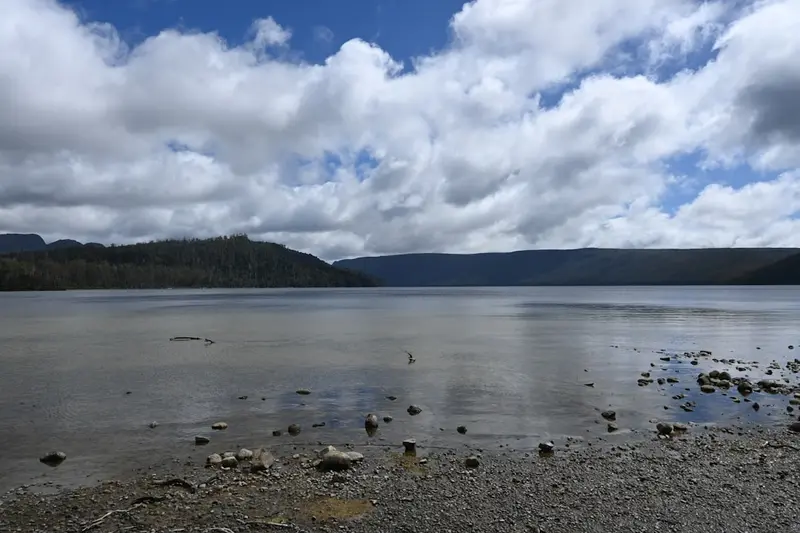
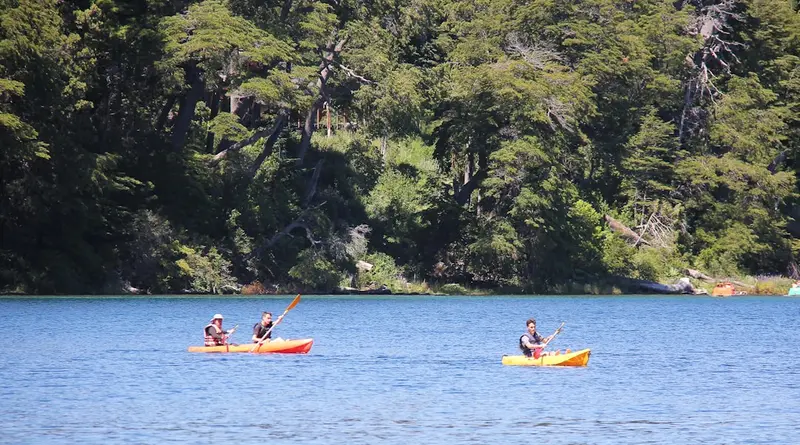
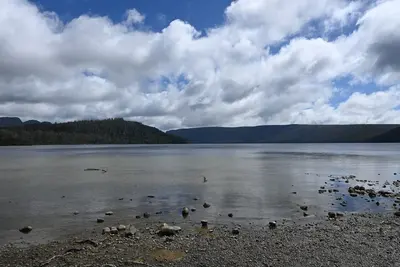
    Immerse yourself in the unspoiled beauty of the Tasmanian Wilderness, a UNESCO World Heritage site that will enchant you with its ancient rainforests, alpine landscapes, and wild rivers.Here, where time seems to stand still, you'll find a unique blend of adventure and profound tranquility, that lets you forget everyday life and promises unforgettable nature experiences.
    • Overview
    • Places in the region
    • Eat & drink
    • Nearby
    • Overview
    • Places in the region
    • Eat & drink
    • Nearby
    The Tasmanian Wilderness, an expansive UNESCO World Heritage Site, encompasses pristine rainforests, alpine plateaus, and wild rivers in Western Tasmania.Here you'll find iconic destinations such as the Cradle Mountain-Lake St Clair National Park and the Franklin-Gordon Wild Rivers National Park.This region holds a rich Aboriginal history and is a hub for significant conservation movements.It is ideal for extended hikes, such as on the Overland Track, and boat trips on the Gordon River.The best time to visit is from November to April, when the weather is more stable and trail accessibility is ensured.

    Places in Tasmanian Wilderness

    Cradle Mountain-Lake St Clair National Park

    Cradle Mountain-Lake St Clair National Park

    The Cradle Mountain-Lake St Clair National Park, a UNESCO World Heritage site in Tasmania, represents the island's unspoiled wilderness. Here you'll encounter an alpine landscape of rugged peaks, clear glacial lakes, and ancient rainforests. Iconic are Cradle Mountain and the picturesque Dove Lake, whose shores you can hike along on the popular Dove Lake Circuit. The park also serves as the starting or ending point for the challenging Overland Track, a multi-day hike through pristine nature. Look out for endemic wildlife like Wombats, Platypuses, and Tasmanian Devils, which are native here. For extended hikes and the best weather conditions, the Tasmanian summer from December to February is recommended. Plan enough time, as mountain weather conditions can change rapidly.
    Franklin-Gordon Wild Rivers National Park

    Franklin-Gordon Wild Rivers National Park

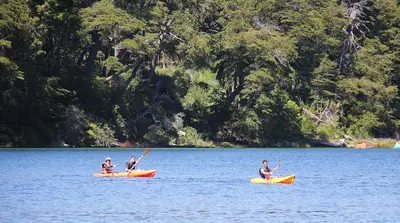
    The Franklin-Gordon Wild Rivers National Park in Tasmania, Australia, represents one of Earth's last unspoiled wildernesses and is a UNESCO World Heritage site. Here you'll discover dense rainforests, deep gorges, and the mighty Franklin and Gordon Rivers, winding through a primeval landscape. The park is renowned for its ancient Huon pines and was the scene of historic environmental protests in the 1980s that secured its preservation. For an intense experience, multi-day whitewater rafting tours on the Franklin River are available, while river cruises on the Gordon River lead deep into the inaccessible wilderness. The region also holds archaeological sites of the indigenous Palawa, testifying to their long presence. Shorter hiking trails allow you to explore this unique flora and fauna. Ideally, plan your visit during the Tasmanian summer from December to February for optimal conditions.
    Southwest National Park

    Southwest National Park

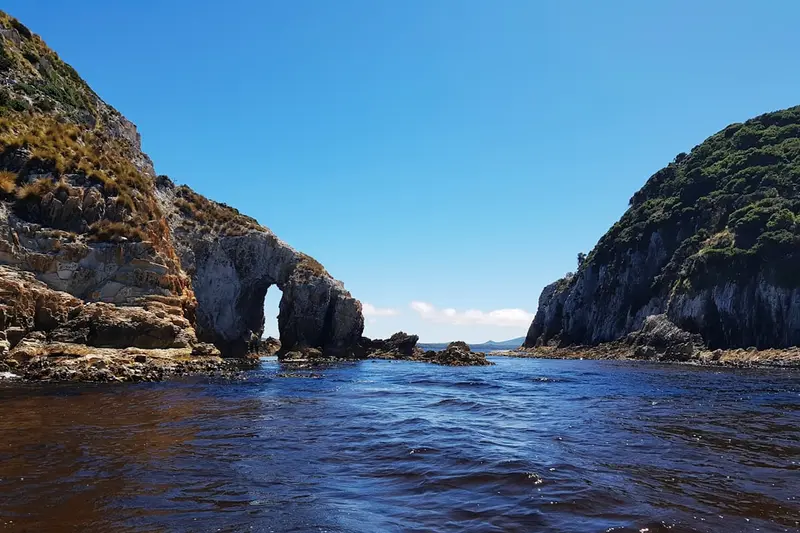
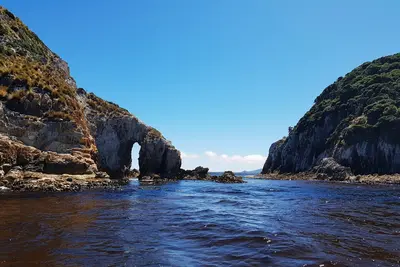
    The Southwest National Park in Tasmania, Australia, represents one of the country's last great wilderness areas. Here you'll find pristine landscapes of alpine plateaus, dense rainforests, and rugged coastlines, all part of the Tasmanian Wilderness World Heritage Area. The region is renowned for its extreme weather conditions and remoteness, making it a destination for experienced hikers. Historically, this area was home to the Aborigines and later a refuge for escaped convicts. The South Coast Track is one of the most famous multi-day hiking routes, leading you through spectacular, unspoiled nature. Plan your visit between November and April to experience the best weather conditions, and be prepared for sudden weather changes. Comprehensive equipment and experience in bushwalking are essential for exploration.
    Walls of Jerusalem National Park

    Walls of Jerusalem National Park

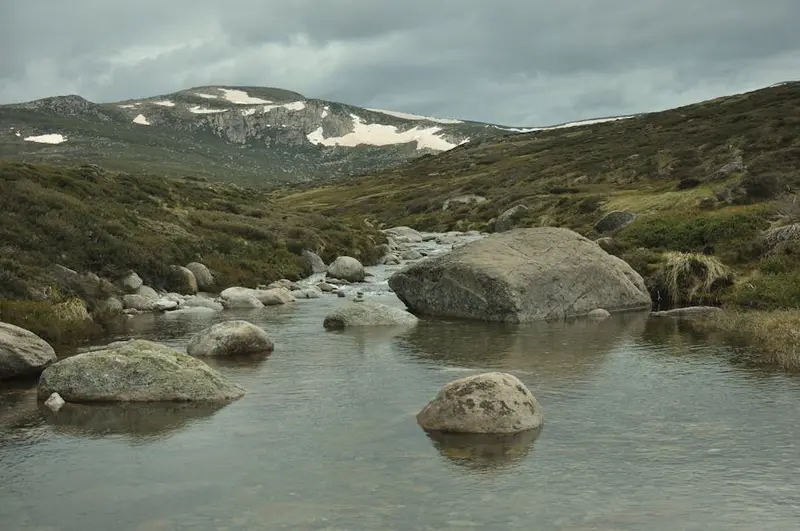
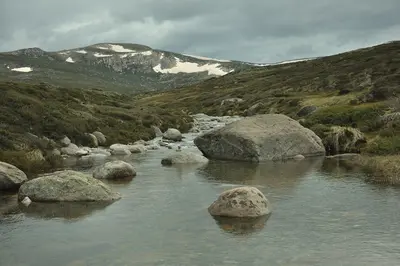
    The Walls of Jerusalem National Park in Tasmania offers a unique alpine wilderness, characterized by impressive dolerite walls and glacially sculpted valleys. Here you'll find a landscape reminiscent of biblical walls, surrounded by numerous clear lakes and ancient pencil pines. Highlights include the Pool of Bethesda and Lake Ball, nestled amidst sparse but captivating alpine vegetation. The area also holds deep spiritual significance for the Tasmanian Aborigines. The park is exclusively accessible on foot via multi-day hikes, which underscores its remoteness. The best time to visit is during the Tasmanian summer, when weather conditions are milder; however, you should still be prepared for sudden weather changes. Always plan ample time and good equipment for this remote region.

    Sights in Tasmanian Wilderness

    Discover the most important sights and attractions
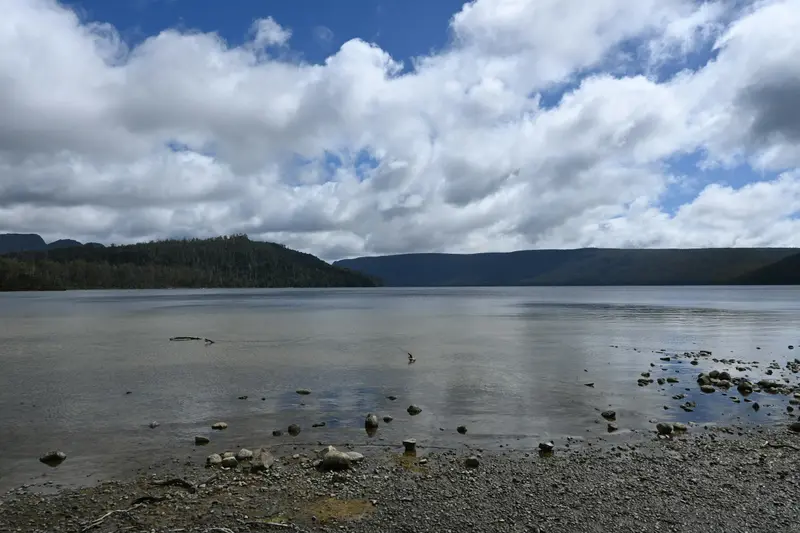
    Marions Lookout

    Attraction in Cradle Mountain Rd.
    Open in Google Maps

    Cradle Mountain Summit

    Attraction in Cradle Mountain Summit Track.
    Open in Google Maps

    Hansons Peak

    Attraction in Dove Lake Rd.
    Open in Google Maps

    Dove Lake Boatshed

    Attraction in Cradle Mountain TAS 7306.
    Open in Google Maps

    Glacier Rock

    Attraction in Truganini Track.
    Open in Google Maps

    Crater Falls

    Attraction in Overland Track.
    Open in Google Maps

    Essen & Trinken

    Locations nearby

    These places are nearby — perfect for additional days or a day trip.

    Cradle Mountain-Lake St Clair National Park

    Cradle Mountain-Lake St Clair National Park

    The Cradle Mountain-Lake St Clair National Park, a UNESCO World Heritage site in Tasmania, represents the island's unspoiled wilderness. Here you'll encounter an alpine landscape of rugged peaks, clear glacial lakes, and ancient rainforests. Iconic are Cradle Mountain and the picturesque Dove Lake, whose shores you can hike along on the popular Dove Lake Circuit. The park also serves as the starting or ending point for the challenging Overland Track, a multi-day hike through pristine nature. Look out for endemic wildlife like Wombats, Platypuses, and Tasmanian Devils, which are native here. For extended hikes and the best weather conditions, the Tasmanian summer from December to February is recommended. Plan enough time, as mountain weather conditions can change rapidly.
    Walls of Jerusalem National Park

    Walls of Jerusalem National Park

    The Walls of Jerusalem National Park in Tasmania offers a unique alpine wilderness, characterized by impressive dolerite walls and glacially sculpted valleys. Here you'll find a landscape reminiscent of biblical walls, surrounded by numerous clear lakes and ancient pencil pines. Highlights include the Pool of Bethesda and Lake Ball, nestled amidst sparse but captivating alpine vegetation. The area also holds deep spiritual significance for the Tasmanian Aborigines. The park is exclusively accessible on foot via multi-day hikes, which underscores its remoteness. The best time to visit is during the Tasmanian summer, when weather conditions are milder; however, you should still be prepared for sudden weather changes. Always plan ample time and good equipment for this remote region.
    Franklin-Gordon Wild Rivers National Park

    Franklin-Gordon Wild Rivers National Park

    The Franklin-Gordon Wild Rivers National Park in Tasmania, Australia, represents one of Earth's last unspoiled wildernesses and is a UNESCO World Heritage site. Here you'll discover dense rainforests, deep gorges, and the mighty Franklin and Gordon Rivers, winding through a primeval landscape. The park is renowned for its ancient Huon pines and was the scene of historic environmental protests in the 1980s that secured its preservation. For an intense experience, multi-day whitewater rafting tours on the Franklin River are available, while river cruises on the Gordon River lead deep into the inaccessible wilderness. The region also holds archaeological sites of the indigenous Palawa, testifying to their long presence. Shorter hiking trails allow you to explore this unique flora and fauna. Ideally, plan your visit during the Tasmanian summer from December to February for optimal conditions.
    Southwest National Park

    Southwest National Park

    The Southwest National Park in Tasmania, Australia, represents one of the country's last great wilderness areas. Here you'll find pristine landscapes of alpine plateaus, dense rainforests, and rugged coastlines, all part of the Tasmanian Wilderness World Heritage Area. The region is renowned for its extreme weather conditions and remoteness, making it a destination for experienced hikers. Historically, this area was home to the Aborigines and later a refuge for escaped convicts. The South Coast Track is one of the most famous multi-day hiking routes, leading you through spectacular, unspoiled nature. Plan your visit between November and April to experience the best weather conditions, and be prepared for sudden weather changes. Comprehensive equipment and experience in bushwalking are essential for exploration.
    Otway Coast & Hinterland

    Otway Coast & Hinterland

    This section combines the rugged beauty of the coast with the lush, cool rainforests of Otway National Park, ideal for nature exploration.