Fernweh
    ExploreTravel GuidesMy Trips
    de|en
    About FernwehImprintFAQPrivacy Policy
    ExploreTravel GuidesMy Trips
    Colchagua-Tal

    Colchagua-Tal

    CityCulture
    1. Home
    2. Destinations
    3. Chile
    4. Wine Regions of Central Chile
    5. Colchagua-Tal
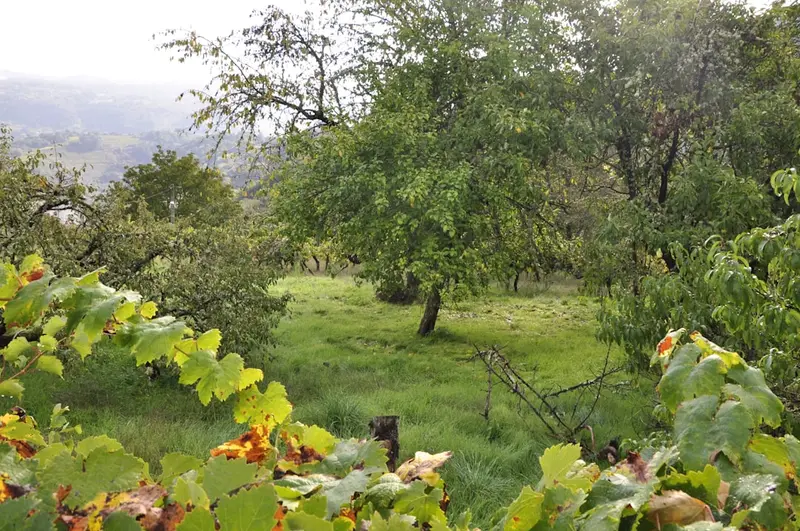
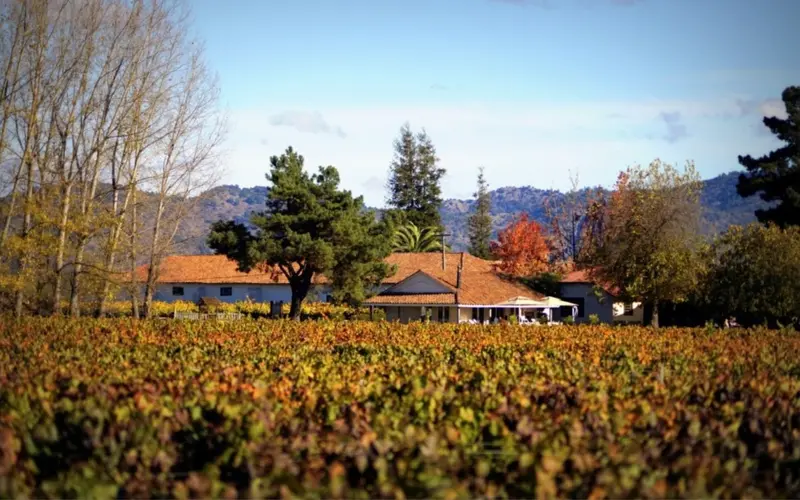
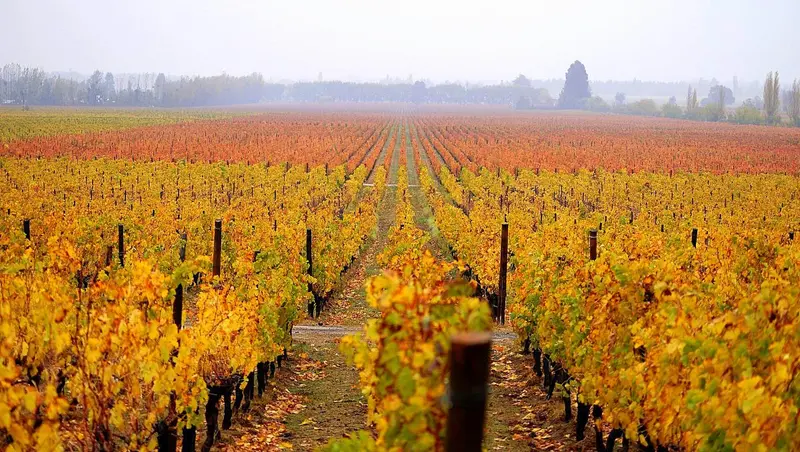
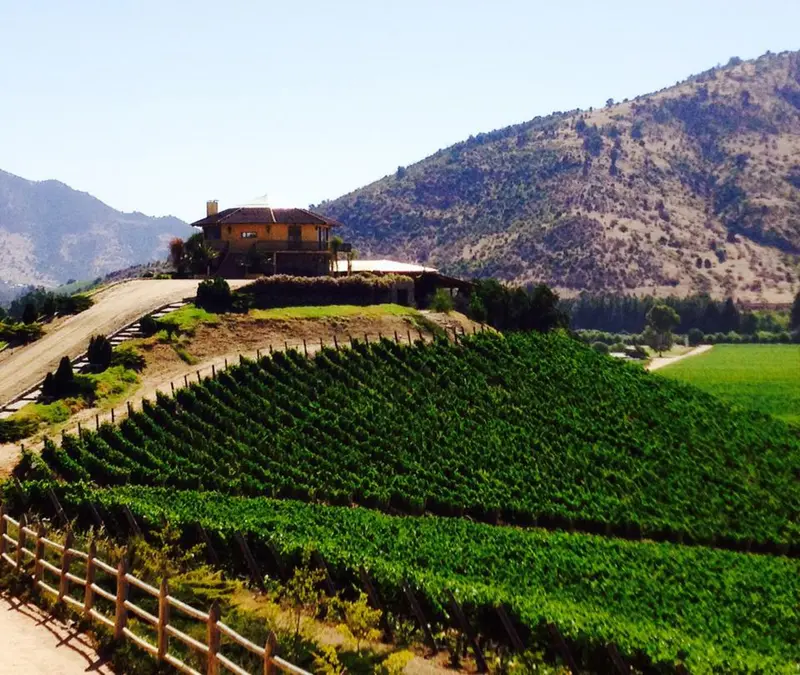
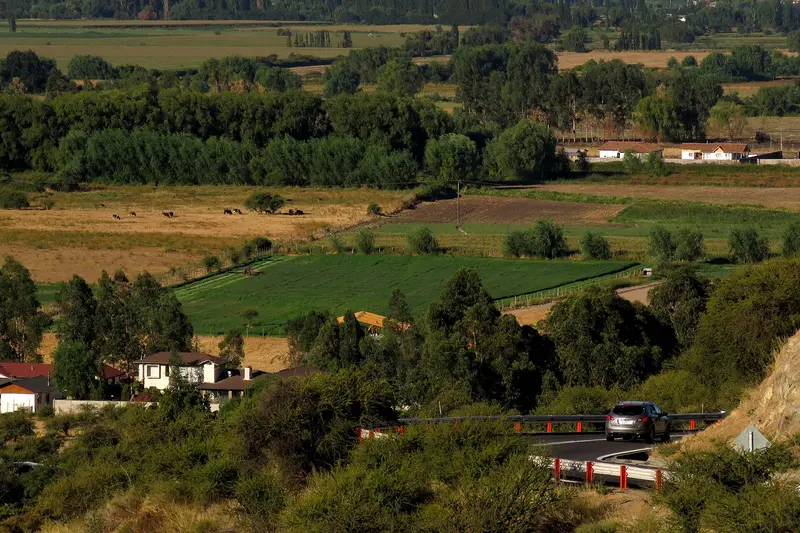
    Das Colchagua-Tal gilt als Chiles Antwort auf Napa Valley und begeistert mit preisgekrönten Weinen, insbesondere Carmenère und Syrah, sowie einer malerischen Hügellandschaft.
    • Neighborhoods & highlights
    • Eat & drink
    • Culture
    • Getting around
    • Accommodation
    • Plan trip
    • Nearby
    • Neighborhoods & highlights
    • Eat & drink
    • Culture
    • Getting around
    • Accommodation
    • Plan trip
    • Nearby

    Overview

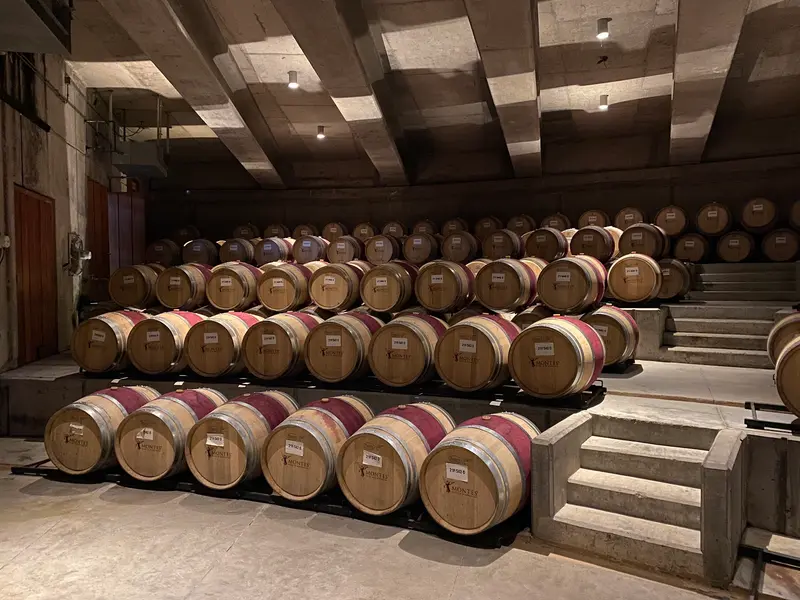
    The Colchagua Valley in Chile is considered one of South America's leading wine regions, particularly renowned for its outstanding red wines. Here you'll find a high concentration of wineries specializing in grape varieties such as Carmenère, Cabernet Sauvignon, and Syrah, which have received international acclaim. The central hub is the city of Santa Cruz, home to the renowned Colchagua Museum, which showcases Chilean history and pre-Columbian artifacts. Numerous wineries like Montes, Viu Manent, or Lapostolle offer detailed tours and tastings, often providing insights into their cellars and wine production. The best time to visit is during spring, from October to December, when the vines are budding, or the vibrant harvest season from March to April. It is advisable to book tours and tastings in advance to secure your desired experiences.

    Places in Colchagua-Tal

    Discover the most important sights and attractions

    Sights in Colchagua-Tal

    Colchagua Museum

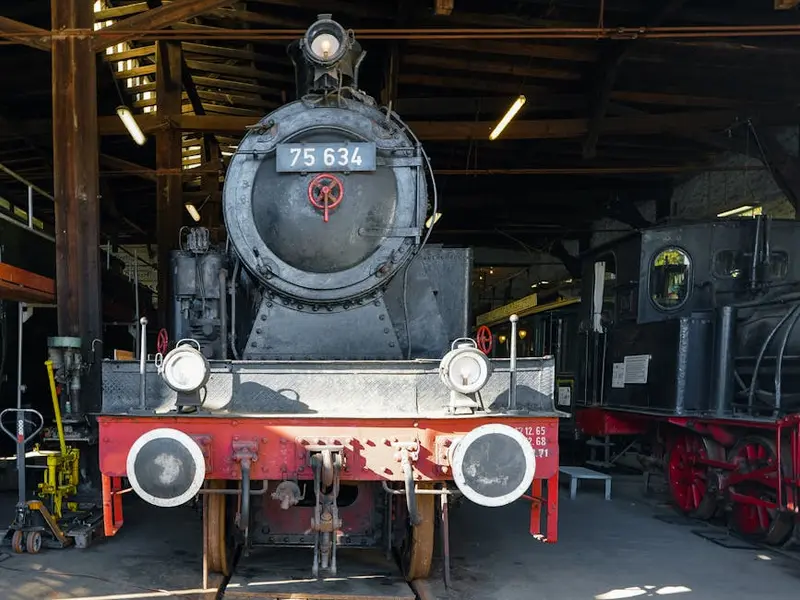
    The Colchagua Museum in Santa Cruz is one of Chile's most significant private collections, offering you a comprehensive insight into the country's history and nature. Here you'll find an impressive array of exhibits, ranging from prehistoric fossils and dinosaur skeletons to pre-Columbian artifacts, the Spanish conquest, and Chilean independence. Particularly noteworthy are the detailed depictions of rural life in the Colchagua Valley, as well as an extensive collection of historic vehicles and agricultural machinery. The museum also highlights the development of the wine industry, which is of central importance to the region. Allow yourself ample time to explore the various themed areas, including a fascinating meteorite collection. Our Tip: It's best to plan your visit on a weekday and early in the morning to avoid the biggest crowds and to be able to view the exhibits at your leisure. For a comprehensive experience, you should set aside at least three to four hours.
    Open in Google Maps

    Grifo demente

    The Grifo demente, meaning 'The crazy Tap' in English, is a remarkable modern art installation in the heart of Chile's Colchagua Valley. You'll discover this unique work on the grounds of Viña del Arte, a winery renowned for its fusion of viticulture and contemporary art. The sculpture features an oversized tap that seemingly floats freely in the air, continuously feeding water into a circular basin below. This surreal depiction symbolizes the essential water cycle, which is of paramount importance for successful viticulture in this often dry region. Created by a local artist, the Grifo demente reflects the innovative and sometimes unconventional mindset that characterizes the Colchagua Valley. Our Tip: Visit the installation in the late afternoon to capture the soft light for atmospheric photos. For a quieter viewing without larger crowds, we recommend a visit in the early morning hours.
    Open in Google Maps

    Viña La Posada

    Viña La Posada, nestled in the heart of the renowned Colchagua Valley, represents the long tradition of Chilean winemaking. This winery, often family-owned, is dedicated to producing quality wines, especially Carmenère and Cabernet Sauvignon, which are typical for the region. During a visit, you'll gain insights into the entire production process, from the carefully tended vineyards to the cellars where the wines mature in oak barrels. You'll learn more about the specific terroir conditions that lend the wines their unique character. The bodega's architecture often reflects a blend of colonial heritage and modern elements. Practical Tip: Plan your visit for the morning hours to enjoy the most pleasant temperatures for a stroll through the vineyards and avoid the biggest crowds. For an authentic experience, you should definitely book a guided tasting to get to know the nuances of the local grape varieties.
    Open in Google Maps

    Boulevard de la Viña

    The Boulevard de la Viña forms the heart of the famous Colchagua Valley, embodying its rich winemaking tradition. Along this picturesque route, you'll discover some of Chile's most renowned wineries, pivotal in the region's international recognition. Historically, the valley evolved into a hub for Chilean wine in the 19th century, influenced by European grape varieties and cultivation methods, a heritage still palpable here today.As a visitor, a unique blend of wine tastings, gourmet experiences, and insights into modern winemaking awaits you here. Many wineries offer guided tours, spanning from vineyards to cellars, detailing their history and production processes. You can sample exquisite wines, savor local specialties in their associated restaurants, and discover artisanal products.Our Tip: Ideally, plan your visit during the harvest season in March and April to experience the vibrant atmosphere and vineyard activities firsthand. For a more relaxed exploration and to avoid the crowds, a visit during the off-season is recommended. Seize the opportunity to explore the landscape by bike, capturing the best photo opportunities of the sprawling vineyards.
    Open in Google Maps

    la mina

    The historical site of La Mina in the Colchagua Valley offers a deep insight into Chile's industrial past. This former copper mine, active in the late 19th and early 20th centuries, played a crucial role in the regional economy long before viticulture shaped the landscape. Here, you'll discover the impressive remnants of the mining facilities of that era and can see the entrances to some of the disused tunnels, testaments to the arduous work of the miners. Detailed information boards explain the mining methods, technical challenges, and often deprived lives of the mine workers. This site provides a fascinating contrast to the valley's current agricultural character and reveals a lesser-known facet of local history.Our tip: Plan your visit for the morning to enjoy the most pleasant temperatures and leverage the best lighting conditions for photos of the rusty machinery and the stark surroundings. Sturdy, closed footwear is essential due to the uneven terrain.
    Open in Google Maps

    Essen & Trinken

    The cultural heritage of the Colchagua Valley

    The Colchagua Valley is not only renowned for its award-winning wines but also holds a rich cultural and historical heritage. The region, whose history is deeply rooted in Chile's agricultural culture, offers insights into past eras and vibrant traditions.The valley's settlement dates back to pre-Columbian times, with the presence of indigenous peoples. Significant development, however, began with the Spanish colonization and later, in the 19th century, through the arrival of European grapevines and the establishment of grand Haciendas. These opulent country estates continue to shape the architecture of many wineries today with their imposing manor houses, often in a colonial style featuring thick walls, expansive courtyards, and tiled roofs.Local traditions are closely linked to agriculture and winemaking. The culture of the Huaso, the Chilean cowboy, remains vibrant in regional festivals and equestrian demonstrations. These festivals offer opportunities to experience traditional music and dances like the Cueca. The valley also maintains a distinct gastronomic identity, based on regional products and inherited recipes, often perfectly paired with local wines.

    Getting around here

    The Colchagua Valley, a renowned wine region in Chile, is primarily geared towards individual transport, with urban public transport like metro or tram playing no role here. The extensive vineyards and charming villages like Santa Cruz are often connected by rural roads, necessitating some planning.For getting around between wineries and larger towns, private transportation is recommended; local buses are available, but often offer limited schedules and connections. Taxis and private shuttles are available in Santa Cruz and can be arranged for trips to the wineries, though ride-sharing services are less common in this rural region.Within Santa Cruz, exploring on foot is convenient, while for vineyard exploration, cycling is a popular and eco-friendly option – many wineries also offer their own rental services. For carefree wine tasting, guided tours are an excellent choice, optimally combining transport and tastings and allowing you to fully savor the Chilean wines.

    Accommodations in Colchagua-Tal

    Accommodations in Colchagua-Tal

    Find perfect stay in Colchagua-Tal

    Booking.com
    Search Hotels
    Agoda
    Search Hotels
    Airbnb
    Vacation Rentals
    Hotels.com
    Hotels Worldwide
    Hostelworld
    Hostels

    Plan your trip to Colchagua-Tal

    Save places, build a route and plan your city trip — all in one place.

    Save places

    Bookmark sights, restaurants and neighborhoods you're interested in.

    Build your route

    Turn your bookmarks into a route — define order, days and budget.

    Refine with AI

    Let Mein Fernweh suggest experiences and put together a tailored daily plan.

    Start trip planningOpen bookmarks

    Locations nearby

    These places are nearby — perfect for additional days or a day trip.

    Wine Regions of Central Chile

    Wine Regions of Central Chile

    Central Chile's wine regions invite you to immerse yourself in a world of delight and breathtaking landscapes. Here, where the Andes meet the Pacific, you'll find award-winning wineries, deeply rooted traditions, and hospitality that will make your visit unforgettable. Discover the variety of first-class Cabernet Sauvignon, elegant Carmenère, and refreshing Sauvignon Blancs as you journey through picturesque valleys.
    Maipo Vale

    Maipo Vale

    The Maipo Valley, located southeast of Santiago, is considered Chile's oldest and most renowned wine region. Here you'll find a high concentration of wineries, particularly known for their excellent Cabernet Sauvignon wines. Numerous bodegas, including Concha y Toro and Santa Rita, offer informative tours and tastings, providing insights into traditional winemaking. The region is characterized by rolling hills and vast vineyards, with the Andes serving as a picturesque backdrop. Culturally, the Maipo Valley is deeply rooted in Chilean winemaking history, dating back to the 19th century. For a visit, spring (October to December) or autumn (March to May) is recommended to experience the mild climate and harvest season. It's best to explore the wineries as part of an organized tour from Santiago.
    Casablanca-Tal

    Casablanca-Tal

    Das Casablanca-Tal, nahe der Küste gelegen, ist bekannt für seine kühlen Meeresbrisen, die perfekte Bedingungen für frische Sauvignon Blancs und elegante Chardonnays schaffen.
    Santiago de Chile

    Santiago de Chile

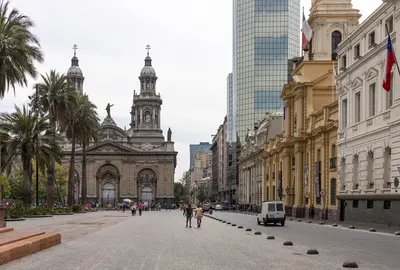
    Santiago de Chile, nestled amidst the majestic backdrop of the Andes, is a vibrant metropolis that will enchant you with its unique blend of colonial charm and modern flair.Discover the diverse facets of this South American capital, from historic squares to lively artist districts and an exquisite culinary scene that makes every visit unforgettable.
    Historic Center

    Historic Center

    Santiago's vibrant heart houses iconic landmarks, government buildings, and significant historical sites that tell the city's rich history.