Fernweh: Home
    ExploreTravel GuidesPlan a tripMy tripLast visited
    de|en
    All Places & RegionsAll highlightsAbout FernwehFAQPrivacy PolicyImprint
    ExploreTravel GuidesPlan a tripMy tripLast visited
    Casablanca-Tal

    Chile

    Casablanca-Tal

    Valley

    The Casablanca Valley, lying on Ruta 68 between Santiago and Valparaíso, is one of Chile's key cool-climate wine regions.

    by Felix Gillen

    1. Home
    2. Destinations
    3. Chile
    4. Wine Regions of Central Chile
    5. Casablanca-Tal
    The Casablanca Valley, lying on Ruta 68 between Santiago and Valparaíso, is one of Chile's key cool-climate wine regions. Pacific morning fog shapes Chardonnay, Sauvignon Blanc and Pinot Noir; many estates near the highway welcome visitors for tastings.

    Sehenswürdigkeiten

    Discover the most important sights and attractions

    Bodegas RE

    1Bodegas RE

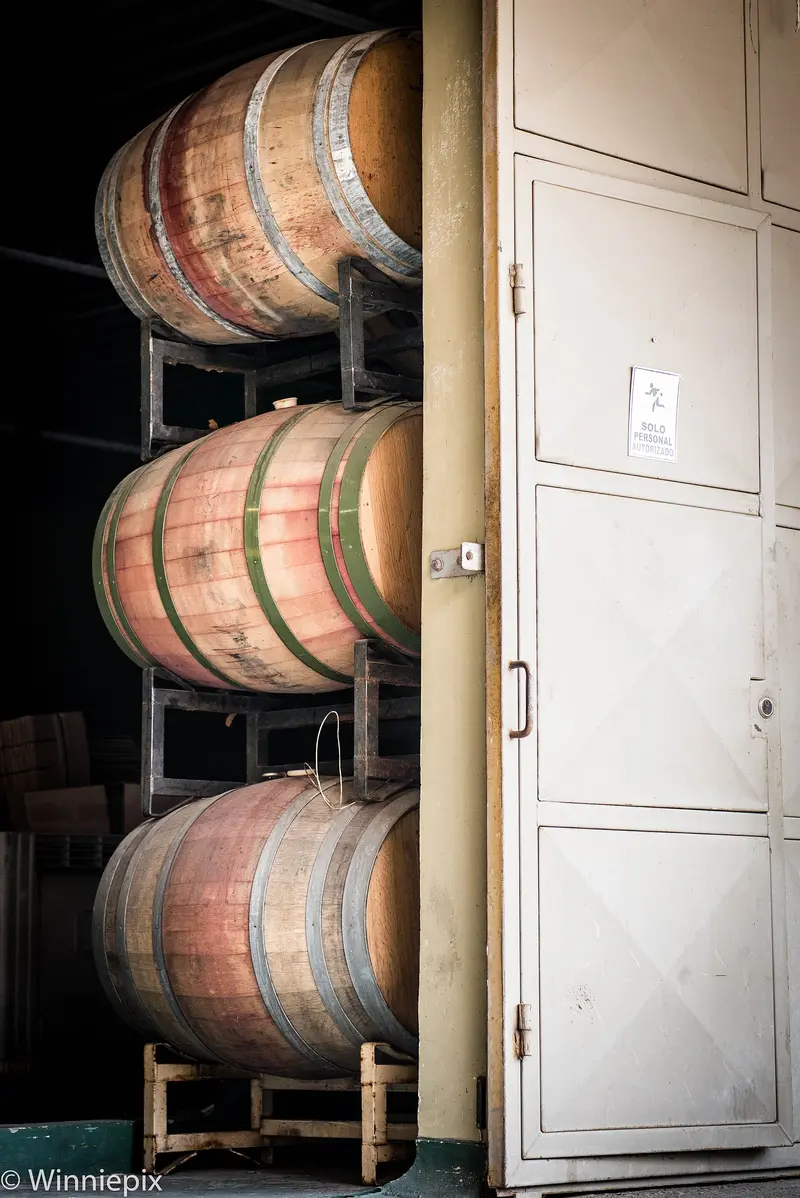
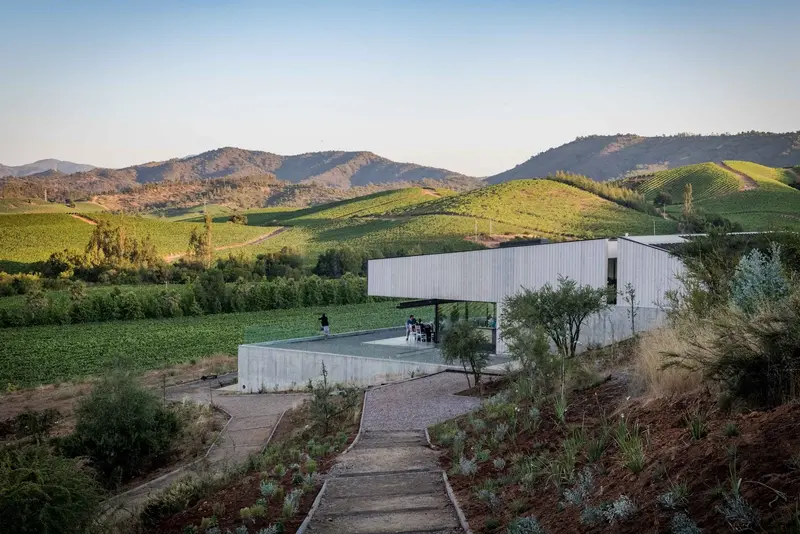
    Small winery of the Morandé family on the outskirts of Casablanca, run by Pablo Morandé junior. His father planted the first vines in the valley in the early 1980s. The bodega, among other things, ages wines in amphorae and makes unusual cuvées. The estate is open daily and serves brunch and lunch.
    Open in Google Maps
    Kingston Family Vineyards

    2Kingston Family Vineyards

    Family winery in the hills west of Casablanca. Besides white wines, it also focuses on Pinot Noir and Syrah. You can taste the wines during a tasting on the terrace or book a picnic among the vines. Visits are by reservation.
    Open in Google Maps
    Winery Casas del Bosque

    3Winery Casas del Bosque

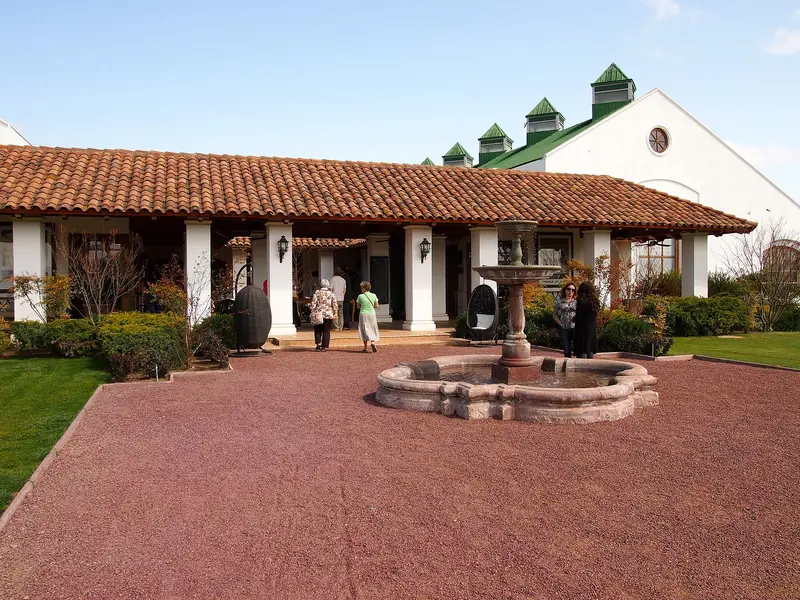
    Winery west of Casablanca. Book guided tours and tastings. Restaurant Tanino on site serves lunch overlooking the vines.
    Open in Google Maps
    Viña Emiliana
    Attraction

    4Viña Emiliana

    Winery on the north side of Ruta 68 at kilometer 60.7, operating organically and biodynamically. On the tours, you'll learn about the soils, grape varieties, vegetable garden, estate animals, and the production of biodynamic preparations, followed by a tasting of four wines. Tours are available Tuesday to Saturday.
    Open in Google Maps
    Viña Veramonte
    Attraction

    5Viña Veramonte

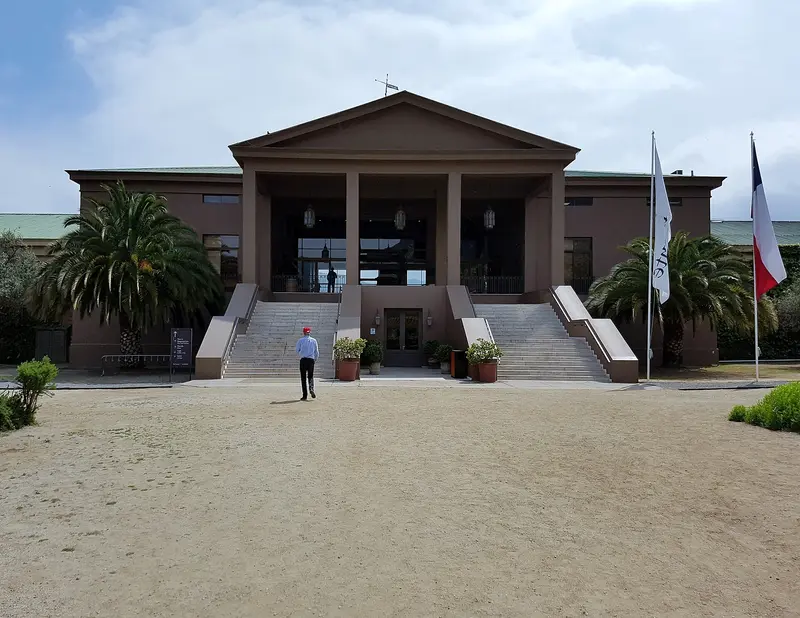
    Winery on Ruta 68 at kilometer 66 with around 350 hectares of organically farmed vines in the Casablanca Valley. It's conveniently located on the way from Santiago to the coast. You can book tours with tastings; the on-site bistro offers breakfast and lunch.
    Open in Google Maps

    Essen & Trinken

    1

    Venesushi

    Sushi restaurant on Calle Maipú in the town center of Casablanca, also for takeout. An uncomplicated spot for a meal after visiting the wineries.
    Show on Google Maps
    2

    Restobar CasaBier

    Restobar in the city center of Casablanca, where you can have a beer and a bite to eat.
    Show on Google Maps
    3

    Mas Ají

    Restaurant in the city center of Casablanca, just a few steps from the Plaza. A simple option for lunch between two winery visits.
    Show on Google Maps
    4

    Restaurant Peruano Gustu Nazca

    Peruvian restaurant on Avenida Portales in the town center of Casablanca with dishes of Peruvian cuisine.
    Show on Google Maps
    5

    Restaurant Tanino

    Restaurant at Casas del Bosque winery west of Casablanca, overlooking the vines. Reservations recommended.
    Show on Google Maps

    Food & Drink in the Casablanca Valley

    Casablanca is Chile's white wine capital. The proximity to the Pacific cools the vines, and the restaurants on the estates cook accordingly lighter than inland.

    Chardonnay and Sauvignon Blanc

    The white wines from cool coastal sites are the focus of most tastings in the valley.

    Pinot Noir and Syrah

    Besides white wine, cool-climate Pinot Noir and Syrah also grow here, like in Kingston or Casas del Bosque. It's worth comparing them in the same tasting.

    Cuisine on the Estates

    Some properties feature restaurants overlooking the vines, like Tanino at Casas del Bosque or Veramonte restaurant. Reservations are recommended.

    Town's local spots

    In Casablanca's city center, around Calle Maipú, you'll find casual eateries, including Sushi and Peruvian cuisine.

    History of the Casablanca Valley

    Until the 1980s, the Casablanca Valley was an agricultural and livestock farming region, characterized by large colonial-era estates. Due to its cool location and proximity to the sea, it was long considered unsuitable for wine.This changed in the early 1980s when oenologist Pablo Morandé planted vines here. The Pacific provides moisture and dense morning fog, which favors fresh white wines with a distinct acidity. Over the following decades, numerous wineries emerged, many with modern architecture, restaurants, and visitor programs. Today, viticulture is the valley's most important economic sector, shaping both its landscape and local character.

    Touring the Casablanca Valley

    Getting ThereThe valley is located on the well-maintained Ruta 68, the toll highway between Santiago and Valparaíso. Long-distance buses on this route stop in Casablanca, and from Valparaíso, you'll be there in under an hour. However, you cannot reach the wineries themselves directly by bus.Between the WineriesRental Car: most flexible, as the wineries are scattered along the highway and side roads. If you're tasting, someone else should drive, as Chile has zero tolerance for drinking and driving.Guided Tours: Agencies in Santiago and Valparaíso offer day tours to two to three wineries, including transport.Taxi: Taxis and Colectivos are available in Casablanca. For trips to a winery, you should arrange the return journey or waiting time in advance.Advance Booking: Most wineries operate with fixed times for tours and tastings; spontaneous visits are rarely possible.

    Accommodations in Casablanca-Tal

    Find perfect stay in Casablanca-Tal

    Booking.com* (Affiliate link)
    Search Hotels
    Agoda* (Affiliate link)
    Search Hotels
    Airbnb
    Vacation Rentals

    * Affiliate link: if you book through it, we earn a small commission. The price stays the same for you.

    Nearby

    Valparaíso

    Valparaíso

    Valparaíso is Chile's historic port city on the Pacific coast west of Santiago, stretching steeply up the hills from a narrow strip along the harbor. Colorfully painted houses, stair-filled alleys, murals, and historic funiculars characterize the city, whose historic port quarter has been a UNESCO World Heritage site since 2003.
    Santiago de Chile

    Santiago de Chile

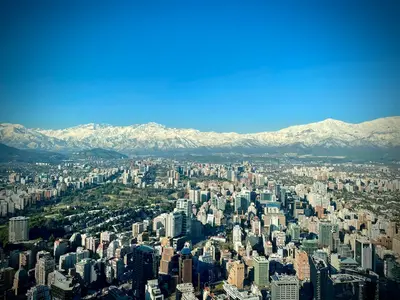
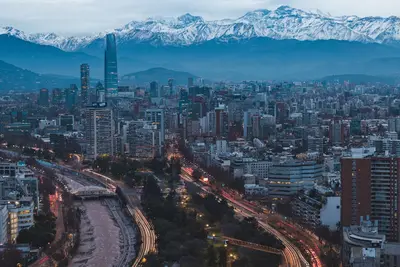
    Santiago is the capital of Chile and lies in a wide basin at the foot of the Andes, whose snow-capped peaks tower over the city in winter. You come for the museums on the country's history, the historic districts of Lastarria and Bellavista with Pablo Neruda's house La Chascona, and the views from Cerro San Cristóbal. The city also serves as a gateway to the wineries of the Maipo Valley, the coast around Valparaíso, and the ski resorts of the Andes.
    Historic Center

    Historic Center

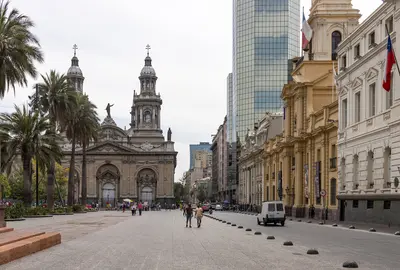
    The historic center is Santiago's oldest part, founded in 1541 around the Plaza de Armas. Here, the Cathedral, Presidential Palace, main museums, and Mercado Central are tightly clustered, connected by pedestrian streets like Paseo Ahumada.
    Barrio Lastarria

    Barrio Lastarria

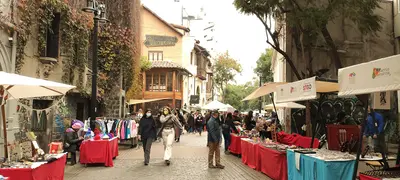
    This small historic district between Cerro Santa Lucía and Parque Forestal is one of Santiago's most popular going-out neighborhoods. The streets around the cobblestone Calle José Victorino Lastarria are lined with cafés, wine bars, bookstores, and cultural institutions such as GAM and MAVI.
    Bellavista

    Bellavista

    The district at the foot of Cerro San Cristóbal, north of the Río Mapocho, is known for colorful house facades, murals, and a bustling bar and restaurant scene. Here are Pablo Neruda's house La Chascona and the lower station of the funicular up the city hill.

    Sources & method

    • Photos: Wikimedia Commons, Pexels, Google Maps. Each photo carries its credit.
    • Place data such as addresses and ratings comes from Google Maps.
    • The content is based on web research from public, traceable sources. How the content is made · The role of AI