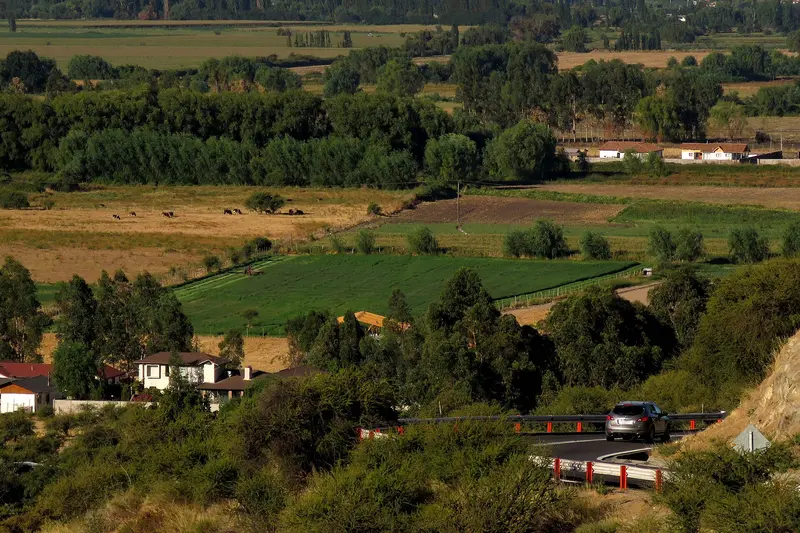
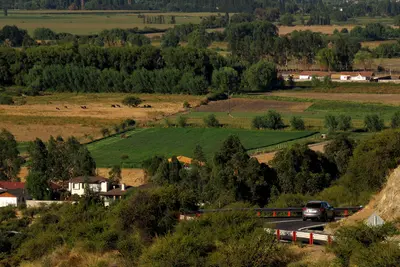
Between the Andes and the Coastal Range, south and west of Santiago, are Chile's main wine valleys: Maipo, Casablanca, Cachapoal, Colchagua and Curicó.
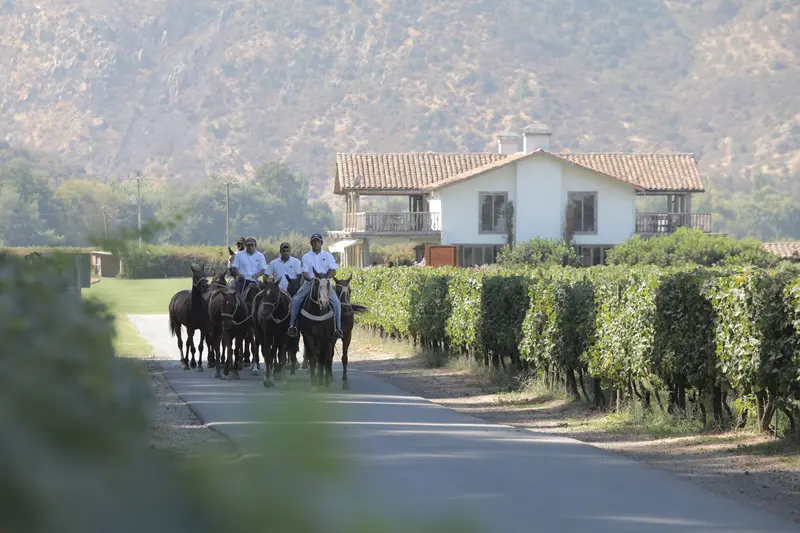
Between the Andes and the Coastal Range, south and west of Santiago, are Chile's main wine valleys: Maipo, Casablanca, Cachapoal, Colchagua and Curicó. Many estates host tours and tastings, plus museums, village churches, and the rural Huaso culture.
The wine regions of Central Chile stretch from the Andes foothills almost to the Pacific. The Maipo Valley starts just outside Santiago, known for Cabernet Sauvignon; the cool Casablanca Valley, en route to Valparaíso, for white wines and Pinot Noir. Further south are Cachapoal, the Colchagua Valley around Santa Cruz, and Curicó, where warmer areas yield powerful reds, notably Carménère. Most estates offer guided tours with tastings, almost always by reservation; some have their own restaurants or guest rooms. During the March and April grape harvest, many towns host harvest festivals.
Place 1 of 3
Casablanca-Tal
The Casablanca Valley, lying on Ruta 68 between Santiago and Valparaíso, is one of Chile's key cool-climate wine regions. Pacific morning fog shapes Chardonnay, Sauvignon Blanc and Pinot Noir; many estates near the highway welcome visitors for tastings.
The Colchagua Valley southwest of Santiago is one of Chile's most renowned red wine regions, with estates that welcome almost all visitors for tours and tastings.
Discover the most important sights and attractions
Viña Casa Silva
Family winery near San Fernando in the Colchagua Valley. On the tour, you'll see the cellar and the family's collection of restored vintage cars; the restaurant overlooks the estate's own polo field. The property also includes a hotel.
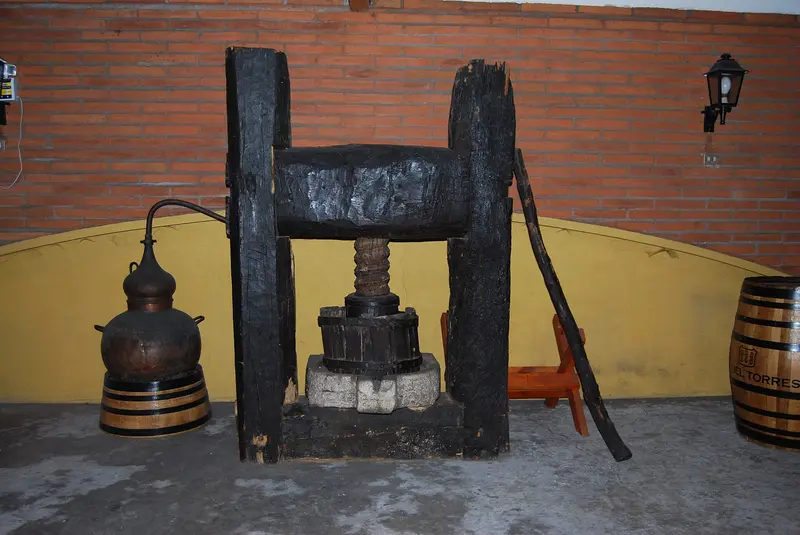
The Bodegas Torres winery from Catalonia is located on the Panamericana Sur (Ruta 5) near Curicó; the estate has been active in Chile since 1979. Classic tours with cellar and tasting run 60 to 90 minutes; reserve by email or phone, especially for harvest in March and April.
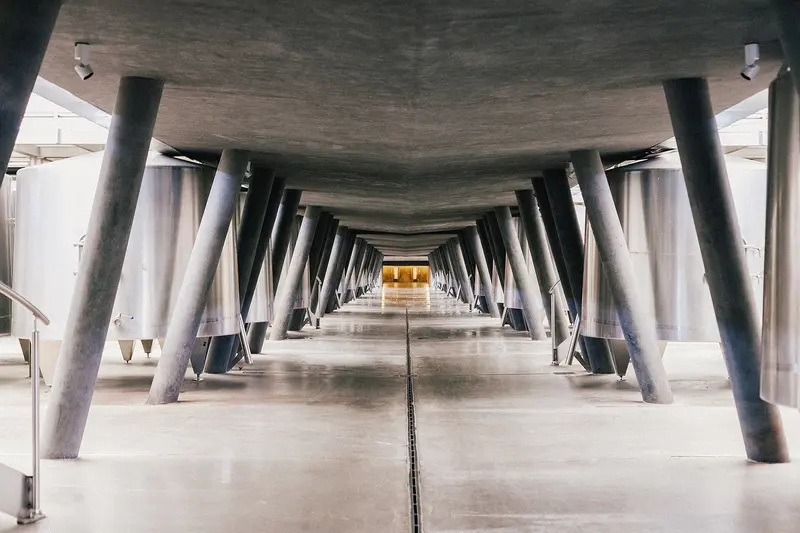
Winery in the Millahue Valley west of San Vicente de Tagua Tagua. Book tours and tastings online in advance, from a short visit to a full day with a hike or meal. The estate includes restaurants and Hotel Vik.
The valleys are Chile's pantry: wine, fruit, local beef, and a cuisine that is much more upscale at the wineries than in the adjacent village.
Carménère
The varietal, long mistaken for Merlot and only identified as Carménère in 1994, is now considered a Chilean specialty. Many wineries in Colchagua and Cachapoal pour it for tasting.
White wines from Casablanca
The cool Casablanca Valley near the coast is known for Chardonnay and Sauvignon Blanc, plus Pinot Noir. A visit combines well with a day in Valparaíso.
Dining at the Winery
Many estates have their own restaurants, often featuring grilled meat and wine-paired menus. A reservation is the rule.
Farm-style cuisine
Rural cuisine features stew, corn, and pumpkin, such as Cazuela or Pastel de Choclo. In simple eateries, you often get this for lunch as an affordable set menu.
Best Time to Visit
When is the best time for your trip?
March
April
May
October
November
12–18°C·10–85 mm(little rain)
Between March and May is the grape harvest, and the valleys are at their best: warm days, colorful foliage, Vendimia festivals, and activity in the cellars. September to November is the second good time; then it blooms and the Andes are still snow-capped. In high summer, temperatures in the valley floors regularly exceed 32 degrees Celsius; winter is mild but humid and the quietest time for many estates.
Central Chile has a Mediterranean climate: hot, dry summers and mild, wet winters. Almost all of the annual rainfall, around 500 to 700 millimeters, occurs between May and August, while it remains dry for weeks in summer.Crucial for viticulture is the significant day-night temperature swing: Cool air flows down from the Andes in the evenings, with additional fog from the Pacific in the Casablanca Valley. Even in high summer, it cools down significantly after sunset, so a jacket is advisable in the evenings.
Seasons
Jan
Feb
Mar
Apr
May
Jun
Jul
Aug
Sep
Oct
Nov
Dec
Summertime, hot and dry
Vintage and Spring
Winter, humid and mild
Best Time to Visit
▶Show detailed monthly data
Month
Temp (°C)
Rain (mm)
Sun (h)
January
21.0
2
11.0
February
20.5
3
10.0
March
18.0
10
9.0
April
14.5
25
7.0
May
11.5
85
5.0
June
9.0
110
4.0
July
8.5
105
4.0
August
10.0
75
5.0
September
12.0
40
6.0
October
15.0
20
8.0
November
17.5
10
10.0
December
20.0
5
11.0
Wine Region Culture
Chile's winemaking began in the 16th century with the Spanish; its current form developed from the mid-19th century onwards: wealthy families brought French grape varieties to the country and established estates following European models. Chile has remained untouched by phylloxera, which devastated European vineyards in the 19th century, to this day.This led to the region's most famous story: what Chilean winemakers long believed to be Merlot was identified in 1994 by French ampelographer Jean-Michel Boursiquot during a visit to the Maipo Valley as Carménère, a Bordeaux variety almost extinct in France. It has since been considered Chile's flagship grape.In the countryside, Huaso culture shapes daily life: riders with wide-brimmed hats and striped ponchos, rodeo in crescent-shaped arenas, and Cueca during the Fiestas Patrias in September. Many places celebrate harvest festivals during the Vendimia in March and April.
Exploring Locally
Without a car, exploring the wine valleys becomes challenging: Wineries are scattered between villages, and public buses only serve the main towns. Ruta 5 connects Santiago with Rancagua, San Fernando, and Curicó, from where country roads branch off into the valleys. The highway towards Valparaíso leads to Casablanca.If you plan to taste, separate driving and drinking: Either stay overnight in the valley, book a guided tour from Santiago or Santa Cruz, or take turns at the wheel. The blood alcohol limit in Chile is strict, and checks are common.Visits almost always require advance booking; many wineries offer fixed times for tours and tastings. Approximately once a month, the Tren del Vino tourist train, operated by state railway EFE, departs from Estación Central in Santiago to San Fernando at the entrance of the Colchagua Valley, continuing by bus to the wineries.