Fernweh
    ExploreTravel GuidesMy Trips
    de|en
    About FernwehImprintFAQPrivacy Policy
    ExploreTravel GuidesMy Trips
    Agrigento

    Agrigento

    CityCultureFor Families
    1. Home
    2. Destinations
    3. Italy
    4. Sicily
    5. Agrigento
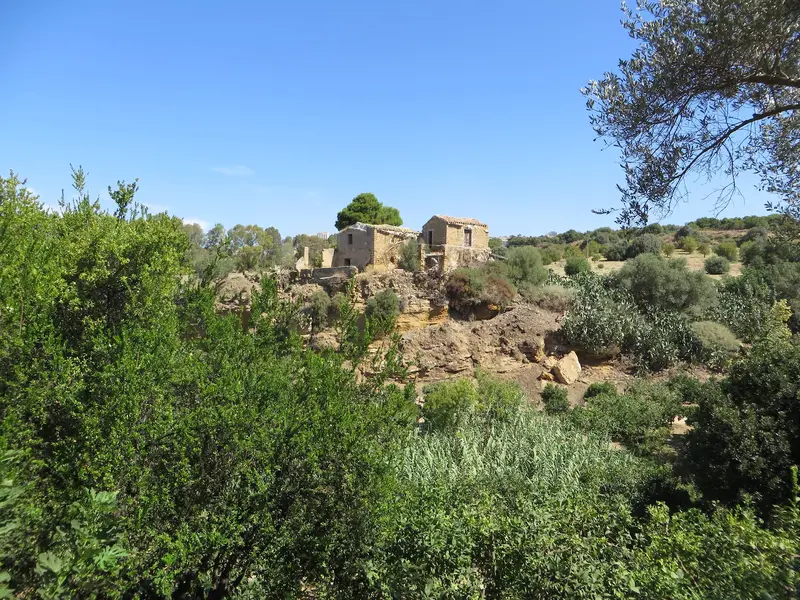
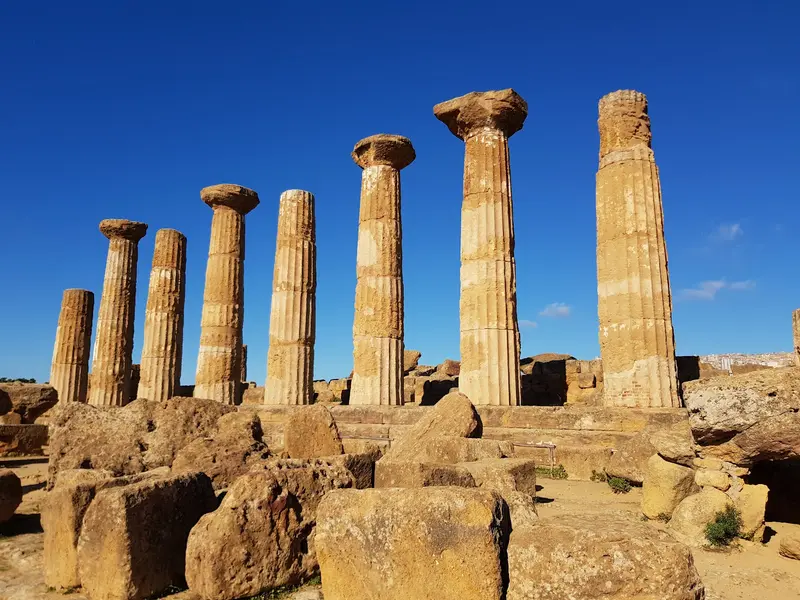
    Agrigento on Sicily's south coast is famous for the Valley of the Temples, a UNESCO World Heritage site. Here you can marvel at some of the best-preserved ancient Greek temples outside of Greece, including the Temples of Concordia and Hera, which bear witness to the former grandeur of ancient Akragas. The Museo Archeologico Regionale complements this historical journey with further artifacts. Agrigento's historic city center, with its winding alleys and San Gerlando Cathedral, invites exploration. For an optimal experience, it's best to visit the Valley of the Temples in the early morning or late afternoon to avoid the midday heat and enjoy the special light. Comfortable footwear is essential for the extensive paths.
    • Neighborhoods & highlights
    • Eat & drink
    • Culture
    • Getting around
    • Accommodation
    • Plan trip
    • Nearby
    • Neighborhoods & highlights
    • Eat & drink
    • Culture
    • Getting around
    • Accommodation
    • Plan trip
    • Nearby

    Overview

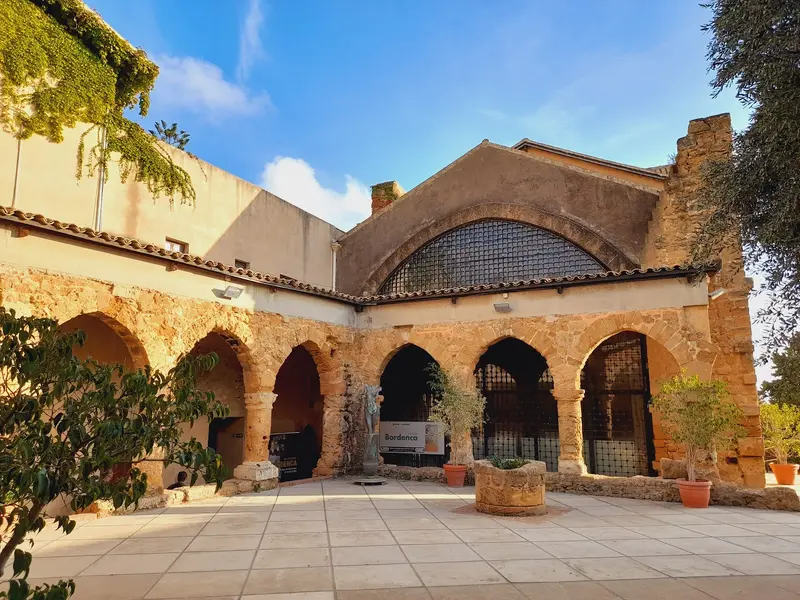
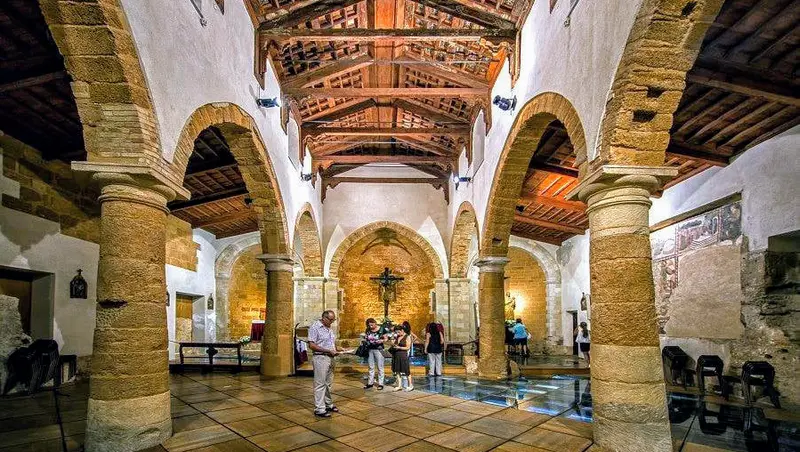
    On Sicily's south coast, Agrigento awaits you, a city primarily known for the Valley of the Temples, a UNESCO World Heritage site. Here, you'll marvel at some of the best-preserved Doric temples outside of Greece, including the impressive Temple of Concordia and the Temple of Hera, which bear witness to the former grandeur of ancient Akragas. The Museo Archeologico Regionale complements your visit with an extensive collection of artifacts from the Greek and Roman eras. Agrigento's historic city center invites exploration with its winding alleys, the imposing Cathedral of San Gerlando, and the Santo Spirito Monastery, offering an authentic Sicilian atmosphere. For an optimal experience, it's best to visit the Valley of the Temples in the early morning or late afternoon to avoid the midday heat and enjoy the special light. Comfortable footwear is essential for the extensive paths on the site.

    Places in Agrigento

    Discover the most important sights and attractions

    Sights in Agrigento

    Panchine di Agrigento

    The Panchine di Agrigento are not ancient structures, but a series of artfully designed benches strategically placed at various viewpoints in and around the city. They offer you unique perspectives on the famous Valle dei Templi and the surrounding landscape stretching to the Mediterranean Sea. These modern installations serve not only as seating, but also as small artworks in public spaces, often incorporating local materials or motifs. Their significance lies in creating places of tranquility and contemplation, allowing you to experience Agrigento's historic backdrop from a contemporary perspective. You'll find them along walking paths and at panoramic points, which are often less crowded than the direct access points to the temples. Our tip: Plan your visit in the late afternoon to capture the golden light of sunset over the temples – a magical moment for photographers. For a particularly peaceful experience, seek out one of the benches off the main routes, often found in the higher parts of the city and offering a wide view over the plain.
    Open in Google Maps

    Panchine di Agrigento

    The Panchine di Agrigento offer you a unique place of peace and contemplation above the city. From these strategically placed benches, you enjoy an expansive panoramic view that often connects the ancient ruins of the Valley of the Temples with the modern city and the azure Mediterranean Sea. Although the benches themselves hold no historical significance, their location is of great cultural relevance, as they offer a perspective on Agrigento's millennia-old history. Here you can absorb the impressive landscape and grasp the vastness of the surroundings. Our Tip: Visit the Panchine in the late afternoon to witness the golden hours before sunset, when the light bathes the temples and the coast in warm colors. This is also an excellent time for atmospheric photos. To fully savor the tranquility, avoid midday when the sun is at its highest.
    Open in Google Maps

    Neve plaza

    The Neve Plaza, an often overlooked yet charming square in Agrigento, offers you an authentic glimpse into local life. While it may not possess the ancient grandeur of the Valley of the Temples, it serves as an important meeting point for the city's residents. Here you can experience the relaxed atmosphere of a Sicilian piazza, surrounded by traditional buildings often showcasing elements of local Baroque architecture. Observe the bustling activity in the morning or savor the tranquility in the afternoon, as the sun bathes the facades in warm light. Our tip: Visit the square in the early evening, when locals gather for a stroll and the cafés become livelier. For an unobstructed photo of the surrounding architecture, the morning is recommended, before the shops fully open. You'll often find small benches here, inviting you to linger and allowing you to observe Agrigento's daily life away from the main tourist crowds.
    Open in Google Maps

    Statue of Rosario Livantino

    The Statue of Rosario Livantino in Agrigento commemorates one of Sicily's bravest judges. Rosario Livantino was murdered by the Mafia in 1990 and is considered a martyr for justice. He was beatified by Pope Francis in 2021, underscoring his immense cultural and moral significance. The simple yet expressive sculpture serves as a monument against organized crime and a symbol of unwavering commitment to law and order. Here you will find a place for quiet reflection on his legacy and the ongoing fight against the Mafia in Italy. A visit is worthwhile if you wish to delve deeper into Sicily's recent history. Take a moment of silence to grasp the full significance of his story. The statue is freely accessible during the day and an important point of reference for understanding local identity.
    Open in Google Maps

    Oratory of Falaride - Temples Valley

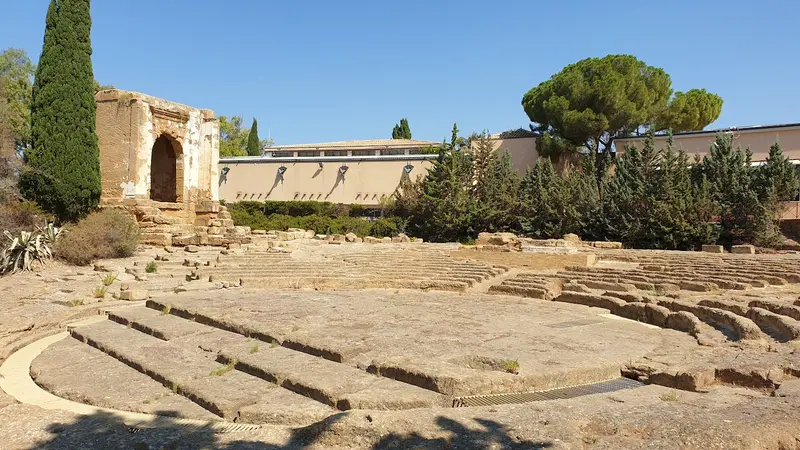
    The Oratory of Phalaris in the Valley of the Temples in Agrigento represents a fascinating example of the region's complex history. Originally misinterpreted as the tomb of the infamous tyrant Phalaris, it is actually a small Hellenistic temple or a heroon from the 3rd century BCE. Its true significance reveals itself in its later transformation into a Christian oratory during the Byzantine era. Here you can explore the remains of a rectangular building that reflects Agrigento's architectural and cultural transformations over centuries – from Greek antiquity to the Byzantine period.These historical layers make the Oratory a unique testament to the continuous use and adaptation of ancient sites. Unlike the imposing main temples, it offers a more intimate and often quieter experience, allowing you a deeper insight into the region's development. Our Tip: Plan your visit for early morning or late afternoon to fully absorb the special atmosphere of this place in peace. It's an excellent spot to study the details often overlooked in the shadow of the larger monuments, and offers a welcome change from the busier areas of the Valley.
    Open in Google Maps

    Food & Drink

    Agrigento's Historical Heritage and Art

    Agrigento ist ein Zeugnis jahrtausendalter Zivilisationen und birgt ein unvergleichliches kulturelles Erbe. Von seinen griechischen Ursprüngen bis zur heutigen Zeit hat die Stadt eine reiche Geschichte erlebt, die sich in ihrer Architektur und ihren Traditionen widerspiegelt. Diese Schichten der Vergangenheit machen Agrigento zu einem faszinierenden Ziel für jeden, der tief in die mediterrane Geschichte eintauchen möchte.Die Stadt, ursprünglich als Akragas von griechischen Kolonisten im 6. Jahrhundert v. Chr. gegründet, war eine der bedeutendsten Poleis der Magna Graecia. Ihre Blütezeit erlebte sie unter Tyrann Theron, als monumentale Tempel errichtet wurden. Das Tal der Tempel, ein UNESCO-Weltkulturerbe, beherbergt einige der besterhaltenen dorischen Tempel außerhalb Griechenlands, darunter der Tempel der Concordia, Juno und des Herakles.Nach der griechischen Ära folgten die römische Herrschaft, dann die byzantinische, arabische und normannische Eroberung, die alle ihre Spuren hinterließen. Dies zeigt sich in der Struktur der Altstadt, wo mittelalterliche Gassen auf barocke Fassaden treffen. Kulturelle Besonderheiten umfassen die tiefe Verwurzelung lokaler Feste, wie das San Calogero-Fest, das jährlich im Juli mit Prozessionen und traditioneller Musik gefeiert wird.Agrigento ist auch die Heimatstadt des Nobelpreisträgers Luigi Pirandello, dessen Werke das sizilianische Leben und die menschliche Natur tiefgründig erforschen. Sein Geburtshaus, heute ein Museum, bietet Einblicke in sein Leben und Schaffen. Die lokale Kunsthandwerkstradition, insbesondere die Herstellung von Keramik und Marzipanfrüchten, zeugt ebenfalls von einer lebendigen kulturellen Identität, die über Jahrhunderte gepflegt wurde.

    Getting about here

    Agrigento has no metro or tram, but the local bus service, operated by companies such as Autolinee Urbane, is the central means of transport. It reliably connects the historic center with the impressive Valle dei Templi and the popular coastal resort of San Leone. Bus tickets can be conveniently purchased in tobacco shops (Tabaccherie) or directly from the driver; for longer stays, multi-journey tickets are worthwhile for cost savings.Agrigento's charming historic center is primarily pedestrian-friendly and invites exploration on foot, even though some steep alleys can certainly pose a challenge. Taxis are available for journeys off bus routes or for greater flexibility, though ride-sharing services are rather uncommon in this region. While the hilly topography can be demanding for bicycles or e-scooters, they are suitable for exploration along the coast or in flatter areas.

    Accommodations in Agrigento

    Accommodations in Agrigento

    Find perfect stay in Agrigento

    Booking.com
    Search Hotels
    Agoda
    Search Hotels
    Airbnb
    Vacation Rentals
    Hotels.com
    Hotels Worldwide
    Hostelworld
    Hostels

    Campgrounds in Agrigento

    Find perfect campground in Agrigento

    Search via Google Maps
    Campgrounds nearby (15km)
    Camping.info
    Find Campgrounds
    Park4Night
    RV Parks & Camping

    Plan your trip to Agrigento

    Save places, build a route and plan your city trip — all in one place.

    Save places

    Bookmark sights, restaurants and neighborhoods you're interested in.

    Build your route

    Turn your bookmarks into a route — define order, days and budget.

    Refine with AI

    Let Mein Fernweh suggest experiences and put together a tailored daily plan.

    Start trip planningOpen bookmarks

    Locations nearby

    These places are nearby — perfect for additional days or a day trip.

    Sicily

    Sicily

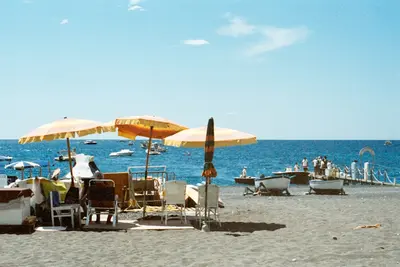
    Sicily, the largest island in the Mediterranean, captivates with its rich history, reflected in ancient temples, baroque cities, and Norman cathedrals. Discover the dramatic volcanic landscape of Mount Etna, enjoy picturesque coastal towns, and indulge in the unique Sicilian cuisine.
    Cefalù

    Cefalù

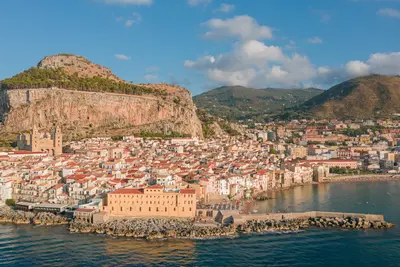
    Cefalù on Sicily's north coast fascinates with its unique blend of medieval townscape and Mediterranean coastal location. The Norman Cathedral, a UNESCO World Heritage site, dominates the town center with its impressive Byzantine mosaics. The winding alleys of the old town lead through a vibrant tapestry of historic stone houses and authentic shops. Above the town rises La Rocca, a distinctive rock that, after an ascent, reveals breathtaking panoramic views and the ruins of the Temple of Diana. At the Museo Mandralisca, you will also find Antonello da Messina's famous "Portrait of an Unknown Man". Ideally, visit Cefalù in the early morning hours to explore the old town and the Cathedral in peace. At the old fishing harbor, numerous restaurants offer fresh local fish dishes that perfectly complement the maritime atmosphere.
    Palermo

    Palermo

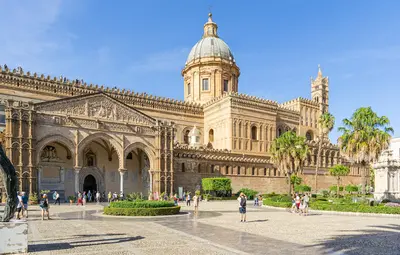
    Palermo is a city full of contrasts, where Arab, Norman, and Baroque influences intertwine to shape a unique urban landscape. Here you'll discover a fascinating mix of opulent palaces and vibrant, bustling markets. The Palermo Cathedral, the Norman Palace with its impressive Capella Palatina, and the Baroque Quattro Canti are architectural testaments to the island's eventful history. Immerse yourself in the authentic hustle and bustle of historic markets like Ballarò or Vucciria, where you can sample local street food such as Arancini. These markets offer deep insight into Palermo's daily life and culinary culture. For a relaxed exploration of the sights, a visit in spring or autumn is recommended, when temperatures are milder and tourist crowds are more manageable. A stroll through the historic Kalsa district also reveals hidden alleys and charming squares off the main routes.
    Ragusa Ibla

    Ragusa Ibla

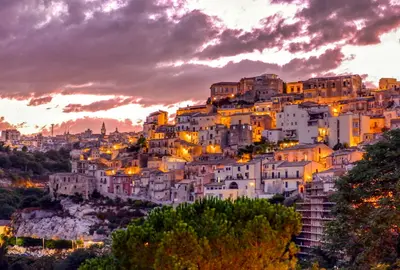
    Ragusa Ibla, a UNESCO World Heritage site, is the charming Baroque core of Ragusa, famous for its winding streets and splendid churches.
    Trapani

    Trapani

    Trapani, located on Sicily's west coast, is a port city with a rich history and maritime charm. Its historic center captivates with baroque palazzi, narrow streets, and a lively atmosphere, especially around Via Garibaldi and the fish market. The city is famous for its salt production; the Saline di Trapani e Paceco offer a stunning panorama, especially at sunset, with their ancient windmills. Visit the Museo del Sale to learn more about traditional salt extraction. Another highlight is the Torre di Ligny, a historic watchtower at the peninsula's furthest point. From Trapani, you can easily reach the medieval hilltop village of Erice by cable car, which offers spectacular views. Explore the old town best on foot and sample the local cuisine, strongly influenced by the sea.