Fernweh: Home
    ExploreTravel GuidesPlan a tripMy tripLast visited
    de|en
    All Places & RegionsAll highlightsAbout FernwehFAQPrivacy PolicyImprint
    ExploreTravel GuidesPlan a tripMy tripLast visited
    Icefields Parkway

    Canada

    Icefields Parkway

    Point of Interest

    The Icefields Parkway (Highway 93 North) stretches 232 kilometers, connecting Lake Louise in Banff National Park with the town of Jasper.

    by Felix Gillen

    1. Home
    2. Destinations
    3. Canada
    4. The Canadian Rockies
    5. Icefields Parkway
    The Icefields Parkway (Highway 93 North) stretches 232 kilometers, connecting Lake Louise in Banff National Park with the town of Jasper. The road passes over 100 glaciers, turquoise lakes like Bow Lake and Peyto Lake, and the Columbia Icefield, making it one of North America's most renowned scenic routes.

    Points of Interest

    Discover the most important sights and attractions

    Stutfield Glacier Viewpoint

    1Stutfield Glacier Viewpoint

    The Stutfield Glacier Viewpoint on the Icefields Parkway offers you a breathtaking view of the majestic Stutfield Glacier. This glacier is an integral part of the vast Columbia Icefield, one of North America's largest non-polar ice masses. From here, you can see how the ice winds through the valleys and dominates the surrounding peaks, such as Mount Stutfield. The visible moraines bear witness to the immense power the ice has exerted on the landscape over millennia. At the same time, the current glacier melt becomes evident here, a visible sign of climate change. For the best photos and to avoid the largest crowds, we recommend an early morning visit, when the light particularly enhances the ice masses. Pay attention to the various blue tones in the ice, which vary depending on the light.
    Open in Google Maps
    Tangle Creek Falls, AB

    2Tangle Creek Falls, AB

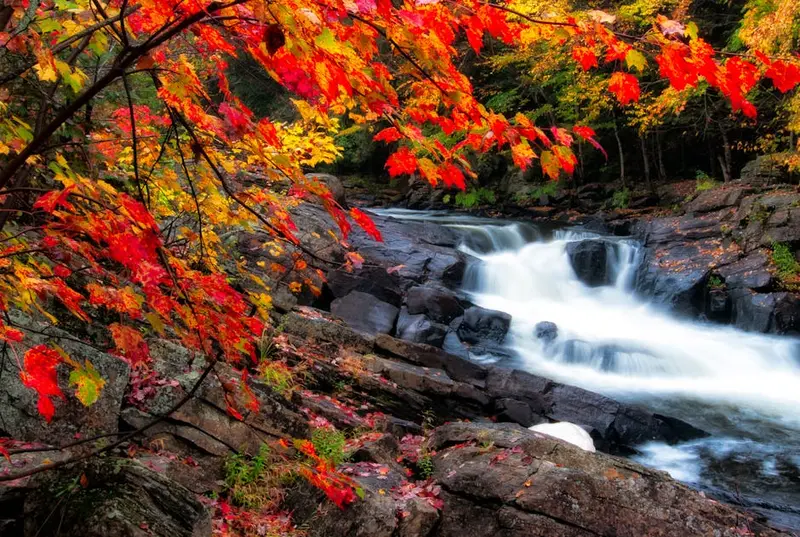
    The Tangle Creek Falls are a prominent waterfall along the Icefields Parkway in Alberta, Canada. You'll find them directly by the road, about seven kilometers south of the Columbia Icefield Discovery Centre. This waterfall is characterized by its unique, multi-tiered cascade form, where the water flows over several rock ledges and spreads out in a wide, fan-shaped pattern. Geologically speaking, the falls are a good example of the erosive power of water in the Rocky Mountains. They are easily accessible and offer an impressive backdrop for a short break. Our Tip: Visit the falls in the morning to get the best light for photos and avoid the largest crowds, which often arrive in the afternoon. A short walk along the bank allows you various perspectives on the individual tiers. Look for parking directly by the road.
    Open in Google Maps
    Toe of the Athabasca Glacier Trailhead

    3Toe of the Athabasca Glacier Trailhead

    The Toe of the Athabasca Glacier Trailhead offers you direct access to the Athabasca Glacier, one of the most accessible glaciers within the Columbia Icefield in the Canadian Rocky Mountains. Here, you'll experience the glacier's impressive scale up close and observe the clear markings documenting its retreat over decades. This glacier serves as a living example of geological processes and the impacts of climate change. Since the late 19th century, it has retreated by over 1.5 kilometers, underscoring the urgency of environmental conservation. A short, well-maintained path leads to a viewing platform, offering a safe vantage point of the glacier tongue. Pay close attention to the signage, which indicates the glacier's former positions – they powerfully illustrate the extent of its retreat. Our Tip: Visit the trail in the early morning or late afternoon to avoid peak crowds and better soak in the landscape's tranquility. Warm clothing is advisable even in summer, as the glacier air can be consistently cool.
    Open in Google Maps
    Jasper National Park Icefield Information Centre and Glacier Gallery

    4Jasper National Park Icefield Information Centre and Glacier Gallery

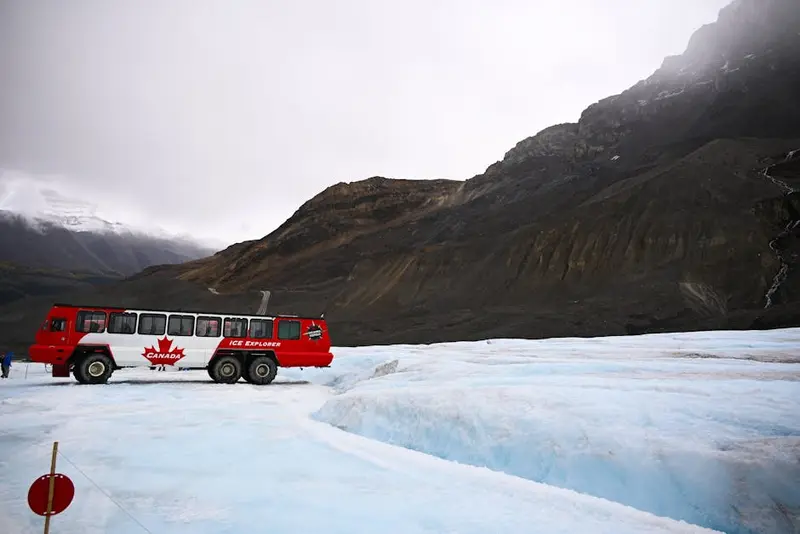
    The Jasper National Park Icefield Information Centre and Glacier Gallery serves as the central hub for visitors to the Columbia Icefield on the Icefields Parkway. Here you'll receive comprehensive information about the geology, glaciology, and ecology of this unique alpine landscape. The exhibitions in the Glacier Gallery highlight the formation and significance of glaciers, especially the Athabasca Glacier, and address the impacts of climate change on these fragile ecosystems. You'll learn more about the region's history and the pioneers who explored the Icefield. The Centre also provides an important educational platform to raise awareness for the protection of these natural wonders. Tours to the Athabasca Glacier with the special Ice Explorer vehicles also depart from here. Our Tip: Visit the Centre early in the morning or late in the afternoon to avoid the largest crowds. Book glacier tours well in advance, especially during peak season, to avoid wait times and secure your spot.
    Open in Google Maps

    Food & Drink

    1

    Gastronomy at the Columbia Icefield Glacier Discovery Centre

    The dining facilities at the Columbia Icefield Glacier Discovery Centre are the only major refreshment stop on the central section of the Icefields Parkway. The visitor centre is located directly opposite the Athabasca Glacier, approximately 100 kilometres south of Jasper. Here you can get simple hot meals, snacks, and coffee; the terrace offers views of the glacier. The centre is only open during the summer season, and it gets busy at lunchtime when the tour buses arrive. If you want to remain flexible, bring additional provisions – there are only a few stops with food options between Lake Louise and Jasper.
    Show on Google Maps

    History of the Road

    For a long time, indigenous peoples and later fur traders used the valleys as a thoroughfare, and mountain guides like Bill Peyto led expeditions towards the Columbia Icefield from the late 19th century onwards. Road construction began in the 1930s as an employment program during the Great Depression; in 1940, the gravel track was opened. The Parkway received its current paved alignment in 1961.

    Traveling on the Parkway

    Fill up in Lake Louise or Jasper; on the way, gas is only available at Saskatchewan River Crossing, and only seasonally.A Parks Canada Pass is required.From November 1st to April 1st, winter tires or snow chains are mandatory; in case of avalanche danger, the road is closed.Only stop at designated pull-outs, even if wildlife is on the roadside.Public transport is scarce; without your own vehicle, you'll best experience the Parkway with a guided tour from Banff or Jasper.

    Accommodations in Icefields Parkway

    Find perfect stay in Icefields Parkway

    Booking.com* (Affiliate link)
    Search Hotels
    Agoda* (Affiliate link)
    Search Hotels
    Airbnb
    Vacation Rentals

    * Affiliate link: if you book through it, we earn a small commission. The price stays the same for you.

    Campgrounds in Icefields Parkway

    Find perfect campground in Icefields Parkway

    Search via Google Maps
    Campgrounds nearby (15km)
    Camping.info
    Find Campgrounds
    Park4Night
    RV Parks & Camping

    Nearby

    Jasper National Park

    Jasper National Park

    Jasper National Park, covering approximately 11,000 km², is the largest national park in the Canadian Rockies and a UNESCO World Heritage site. It stretches from the Columbia Icefield in the south to the Miette Hot Springs in the northeast; the town of Jasper lies at its centre. The park is designated as a Dark Sky Preserve.
    Jasper

    Jasper

    Jasper is the only town in the national park of the same name, the largest in the Canadian Rockies and part of the UNESCO World Heritage site. The small town originated as a railway station and is quieter than Banff. In July 2024, a wildfire destroyed about a third of the buildings in the town; reconstruction is underway, and some trails and facilities in the surrounding area were temporarily closed – check Parks Canada's current advisories before your visit.
    Yoho National Park

    Yoho National Park

    An impressive national park, located directly west of Banff, known for its majestic waterfalls like Takakkaw Falls, the emerald-green Emerald Lake, and unique natural bridges.
    Banff National Park

    Banff National Park

    Founded in 1885, Banff National Park is Canada's oldest national park and part of the UNESCO World Heritage Rocky Mountain Parks. Covering approximately 6,600 km², it encompasses the town of Banff, Lake Louise, Moraine Lake, and the southern section of the Icefields Parkway.
    The Canadian Rockies

    The Canadian Rockies

    The Canadian Rockies are a majestic mountain range known for their breathtaking alpine scenery, turquoise lakes, and abundant wildlife. As a UNESCO World Heritage site, they offer unforgettable experiences for outdoor enthusiasts and nature lovers, from spectacular hikes to picturesque scenic drives.

    Sources & method

    • Photos: Unsplash, Pexels. Each photo carries its credit.
    • The content is based on web research from public, traceable sources. How the content is made · The role of AI