Fernweh: Home
    ExploreTravel GuidesPlan a tripMy tripLast visited
    de|en
    All Places & RegionsAll highlightsAbout FernwehFAQPrivacy PolicyImprint
    ExploreTravel GuidesPlan a tripMy tripLast visited
    • Overview
    • Places in the region
    • Eat & drink
    • Food culture
    • Best travel time
    • Culture
    • Getting around
    • Round trips
    • Nearby
    The Canadian Rockies

    Canada

    The Canadian Rockies

    Region

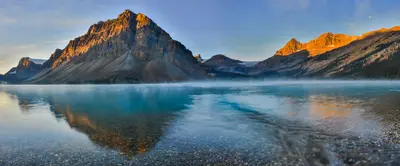
    The Canadian Rockies are a majestic mountain range known for their breathtaking alpine scenery, turquoise lakes, and abundant wildlife.

    by Felix Gillen

    1. Home
    2. Destinations
    3. Canada
    4. The Canadian Rockies
    The Canadian Rockies are a majestic mountain range known for their breathtaking alpine scenery, turquoise lakes, and abundant wildlife. As a UNESCO World Heritage site, they offer unforgettable experiences for outdoor enthusiasts and nature lovers, from spectacular hikes to picturesque scenic drives.
    Die Kanadischen Rockies sind eine majestätische Gebirgskette, die du im westlichen Kanada entdeckst, bekannt für ihre schroffen Gipfel und weiten Gletschertäler. Als UNESCO-Welterbestätte umfassen sie ikonische Nationalparks wie Banff und Jasper, die unberührte Natur und eine vielfältige Tierwelt beherbergen. Du wirst die charakteristischen türkisfarbenen Seen wie den Lake Louise und Moraine Lake bewundern, deren einzigartige Farbe durch Gletschermehl entsteht. Historisch wurde die Region maßgeblich durch den Bau der Canadian Pacific Railway im späten 19. Jahrhundert für den Tourismus erschlossen. Für Outdoor-Erlebnisse bieten sich zahlreiche Wanderwege und die spektakuläre Panoramastraße Icefields Parkway an, die durch atemberaubende Landschaften führt. Die ideale Zeit für Wanderungen ist von Juni bis September; plane deine Unterkünfte in den Nationalparks jedoch frühzeitig, um Verfügbarkeit sicherzustellen.
    Revelstoke

    Place 1 of 4

    Revelstoke

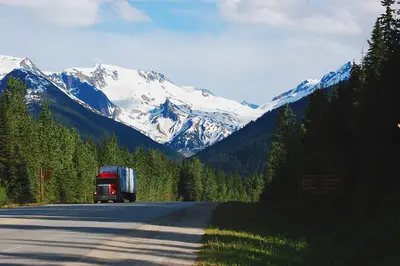
    Welcome to Revelstoke, a true paradise for outdoor enthusiasts and a charming mountain town nestled in the heart of the Canadian Rockies.

    Discover
    Calgary

    Place 2 of 4

    Calgary

    Calgary is the largest city in Alberta and is located where the prairie transitions into the foothills of the Rocky Mountains.

    Discover
    Banff

    Place 3 of 4

    Banff

    A vibrant mountain town in the heart of Banff National Park, serving as a central hub for outdoor adventures, shopping, and relaxation.

    Discover
    Banff National Park

    Place 4 of 4

    Banff National Park

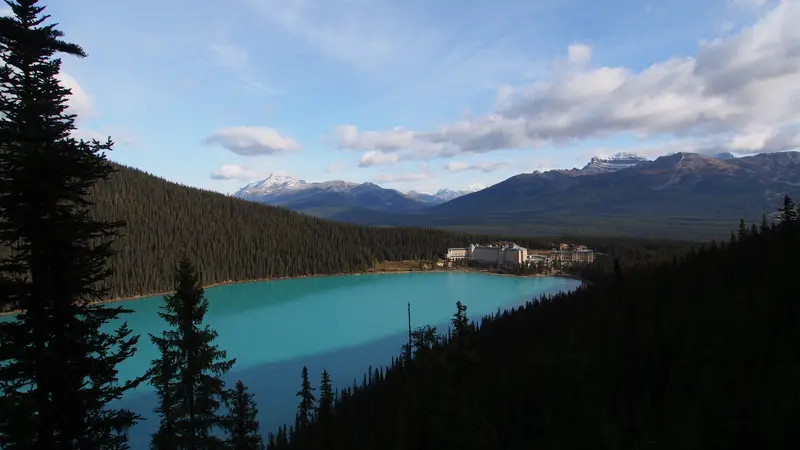
    Founded in 1885, Banff National Park is Canada's oldest national park and part of the UNESCO World Heritage Rocky Mountain Parks.

    Discover

    More places in The Canadian Rockies

    Icefields Parkway

    Icefields Parkway

    The Icefields Parkway (Highway 93 North) stretches 232 kilometers, connecting Lake Louise in Banff National Park with the town of Jasper. The road passes over 100 glaciers, turquoise lakes like Bow Lake and Peyto Lake, and the Columbia Icefield, making it one of North America's most renowned scenic routes.
    Jasper

    Jasper

    Jasper is the only town in the national park of the same name, the largest in the Canadian Rockies and part of the UNESCO World Heritage site. The small town originated as a railway station and is quieter than Banff. In July 2024, a wildfire destroyed about a third of the buildings in the town; reconstruction is underway, and some trails and facilities in the surrounding area were temporarily closed – check Parks Canada's current advisories before your visit.
    Jasper National Park

    Jasper National Park

    Jasper National Park, covering approximately 11,000 km², is the largest national park in the Canadian Rockies and a UNESCO World Heritage site. It stretches from the Columbia Icefield in the south to the Miette Hot Springs in the northeast; the town of Jasper lies at its centre. The park is designated as a Dark Sky Preserve.
    Kootenay National Park

    Kootenay National Park

    This diverse national park, east of the main chain of the Rockies, features dramatic canyons, colorful mineral springs and alpine meadows and is a UNESCO World Heritage site.
    Yoho National Park

    Yoho National Park

    An impressive national park, located directly west of Banff, known for its majestic waterfalls like Takakkaw Falls, the emerald-green Emerald Lake, and unique natural bridges.

    Sights in The Canadian Rockies

    Discover the most important sights and attractions

    Fairview Lookout

    Fairview Lookout

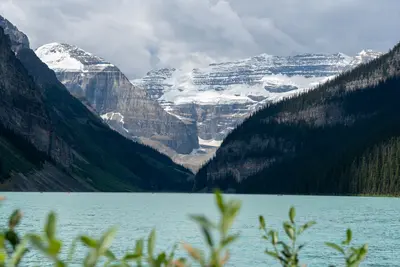
    The Fairview Lookout offers an accessible way to experience the iconic landscape of Lake Louise from an elevated perspective. This relatively short but rewarding hike leads you through dense coniferous forest up to a viewpoint that reveals spectacular vistas of the turquoise lake, the majestic Fairmont Chateau Lake Louise, and surrounding peaks like Mount Victoria with its glacier. The Lake Louise region has been a cornerstone of Canadian tourism since the establishment of Banff National Park in the late 19th century, bearing witness to the early appreciation of this pristine nature. From here, you can truly grasp the immense scale of this alpine setting. Our Tip: Start your hike early in the morning to avoid the largest crowds and capture the tranquil light of the rising sun over the lake. For stunning photos, the view from the lookout itself is ideal, especially when the sun illuminates the glaciers.
    Open in Google Maps

    Dining & Drinks

    1

    Bill Peyto's Cafe

    Café in 203 Village Rd.
    Show on Google Maps
    2

    Legends Restaurant

    Restaurant in 210 Village Rd.
    Show on Google Maps
    3

    Timberwolf Pizza & Pasta Cafe

    Italienische Standardküche wie Pasta, Pizza und Calzone in einem ungezwungenen Restaurant im Lake Louise Inn.
    Show on Google Maps
    4

    Laggan's

    Bakery in 101 Village Rd Building B.
    Show on Google Maps

    Food & Drink in the Rockies

    The cuisine of the Rockies is hearty and heavily influenced by Alberta's cattle farming. Banff, Canmore, and Jasper also boast a vibrant Craft-Beer scene.

    Alberta beef

    Alberta is Canada's most important cattle province. Steaks and burgers made with local beef are on almost every menu.

    Bison

    Bison meat is leaner than beef and is served as burgers, steak, or stew – a regional specialty you'll find in many park restaurants.

    Caesar

    The cocktail with vodka, Clamato juice, Worcestershire sauce and spices was invented in Calgary in 1969 and is now considered Canada's unofficial national drink.

    Craft Beer of the Mountains

    Breweries like the Banff Ave Brewing Co. or the Jasper Brewing Co. serve their beers on-site; usually with uncomplicated pub fare.

    Best Time to Visit

    When is the best time for your trip?

    June
    July
    August
    September
    9–15°C
    From mid-June to mid-September, high elevations are snow-free, lakes thawed, and all hiking trails and the Icefields Parkway are fully accessible. September is quieter and brings the golden larch colours; December to March is the season for skiing and winter hiking.
    Monthly average temperatures for Banff (approx. 1,400 m). At higher elevations, it is significantly cooler, and snow is also possible in June and September. The lakes are usually only ice-free from mid-June.

    Seasons

    Jan
    Feb
    Mar
    Apr
    May
    Jun
    Jul
    Aug
    Sep
    Oct
    Nov
    Dec
    Peak season
    Off-season
    Interseason
    Winter season
    Best Time to Visit
    ▶Show detailed monthly data
    MonthTemp (°C)
    January-9.0
    February-6.0
    March-2.0
    April3.0
    May8.0
    June12.0
    July15.0
    August14.0
    September9.0
    October4.0
    November-4.0
    December-9.0

    Culture, Art & History of the Canadian Rockies

    The culture of the Canadian Rockies is inextricably linked to the millennia-old presence of Indigenous peoples such as the Stoney Nakoda, Ktunaxa, and Secwepemc, whose spiritual and traditional connections to the landscape are deeply rooted. Their stories and art forms shaped the region long before the arrival of European explorers and fur traders.The decisive historical turning point came in the late 19th century with the construction of the Canadian Pacific Railway, which not only opened up trade but also boosted tourism and led to the establishment of Canada's first national parks, including Banff. Architecture from this era was heavily influenced by the grand railway hotels in the 'Châteauesque' style, such as the iconic Fairmont Banff Springs Hotel, which blends European castle architecture with alpine elements. Alongside these grandiose structures, one also finds rustic log cabins reflecting the pioneering era.Local traditions today include the preservation of Indigenous cultures through art exhibitions, dance, and storytelling in community centres and museums. The culture of the Rockies is also strongly shaped by its alpine environment, with outdoor activities, mountaineering, and nature conservation representing core values. Museums in Banff and Jasper document this diverse history and the development of a unique alpine identity.

    Arrival & on the road in the Rockies

    Getting ThereThe gateway to the southern Rockies is Calgary Airport (YYC). From there, it's about 130 km via the Trans-Canada Highway (Hwy 1) to Banff, roughly a one-and-a-half-hour drive. If you're heading to Jasper first, it's better to fly into Edmonton and drive a good four hours west on the Yellowhead Highway (Hwy 16). Shuttle buses connect Calgary Airport with Canmore, Banff, and Lake Louise several times daily.By CarA rental car or RV is the most flexible solution. For all national parks, you'll need a Parks Canada Pass (day pass or annual Discovery Pass). On the 232 km Icefields Parkway between Lake Louise and Jasper, there's no cell reception for long stretches, and only one seasonally open gas station at Saskatchewan River Crossing – so depart with a full tank. Winter tires or snow chains are mandatory on the Parkway in winter.Without a CarRoam Transit connects Banff, Canmore, and Lake Louise with regular bus services.Since 2023, private cars are no longer permitted at Moraine Lake; use the Parks Canada Shuttle (book in advance) or a commercial operator.The Rocky Mountaineer operates as a panoramic train from Vancouver to Banff or Jasper, while VIA Rail serves Jasper on its Vancouver–Toronto route.

    Round trips through this region

    Western Canada Classic Road Trip

    Western Canada Classic Road Trip

    From Vancouver, the ferry transports you to Vancouver Island, allowing six nights for its rainforests and Pacific coast. Back on the mainland, the Sea-to-Sky Highway takes you from Horseshoe Bay to Whistler. Afterwards, the journey continues via Kamloops inland to Jasper – around eight and a half hours, which you might want to split with an overnight stop. Via the Icefields Parkway, you'll reach Banff, and from there it's about an hour and a half to Calgary Airport.

    19 Days
    5 stops
    Rocky Mountains Intensive

    Rocky Mountains Intensive

    From Calgary, it's ~90 minutes to Banff, with four nights for hiking Lake Louise and Moraine Lake. Then the Icefields Parkway passes the Columbia Icefield to Jasper. On the 230+ km Parkway, only Saskatchewan River Crossing has a gas station.

    12 Days
    4 stops
    Family-friendly West Canada

    Family-friendly West Canada

    The route begins in Vancouver and takes a ferry to Vancouver Island, where six nights allow for beaches and wildlife viewing. Back on the mainland, the journey continues via the Sea-to-Sky Highway to Whistler, then inland to Revelstoke and via Rogers Pass to Banff. The drive from Whistler to Revelstoke takes around seven hours and can be split with a stopover in Kamloops.

    17 Days
    5 stops

    Nearby

    Banff National Park

    Banff National Park

    Founded in 1885, Banff National Park is Canada's oldest national park and part of the UNESCO World Heritage Rocky Mountain Parks. Covering approximately 6,600 km², it encompasses the town of Banff, Lake Louise, Moraine Lake, and the southern section of the Icefields Parkway.
    Yoho National Park

    Yoho National Park

    An impressive national park, located directly west of Banff, known for its majestic waterfalls like Takakkaw Falls, the emerald-green Emerald Lake, and unique natural bridges.
    Banff

    Banff

    A vibrant mountain town in the heart of Banff National Park, serving as a central hub for outdoor adventures, shopping, and relaxation.
    Kootenay National Park

    Kootenay National Park

    This diverse national park, east of the main chain of the Rockies, features dramatic canyons, colorful mineral springs and alpine meadows and is a UNESCO World Heritage site.
    Icefields Parkway

    Icefields Parkway

    The Icefields Parkway (Highway 93 North) stretches 232 kilometers, connecting Lake Louise in Banff National Park with the town of Jasper. The road passes over 100 glaciers, turquoise lakes like Bow Lake and Peyto Lake, and the Columbia Icefield, making it one of North America's most renowned scenic routes.

    Sources & method

    • Photos: Wikimedia Commons, Unsplash. Each photo carries its credit.
    • The content is based on web research from public, traceable sources. How the content is made · The role of AI