Fernweh: Home
    ExploreTravel GuidesPlan a tripMy tripLast visited
    de|en
    All Places & RegionsAll highlightsAbout FernwehFAQPrivacy PolicyImprint
    ExploreTravel GuidesPlan a tripMy tripLast visited
    • Neighborhoods & highlights
    • Walking tours
    • Eat & drink
    • Culture
    • Getting around
    • Accommodation
    • Plan trip
    • Nearby
    Chinatown

    Malaysia

    Chinatown

    CityCulture

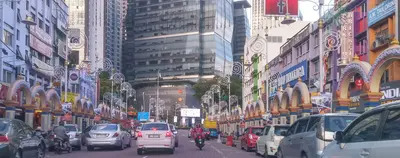
    Chinatown is Kuala Lumpur's oldest district. Around the covered Petaling Street, market stalls, street food vendors, and shophouses from the city's early days jostle for space.

    by Felix Gillen

    1. Home
    2. Destinations
    3. Malaysia
    4. Kuala Lumpur
    5. Chinatown
    Chinatown is Kuala Lumpur's oldest district. Around the covered Petaling Street, market stalls, street food vendors, and shophouses from the city's early days jostle for space. Between the stalls, a Taoist and a Hindu temple lie almost side-by-side; a few steps further, the Central Market sells handicrafts from all over Malaysia.By day, explore temples and alleys like Kwai Chai Hong; in the evening, noodle stalls and bars in the restored shophouses come alive. Bargaining is common when shopping at the market.

    Sights in Chinatown

    Discover the most important sights and attractions

    Sin-Sze-Si-Ya Temple

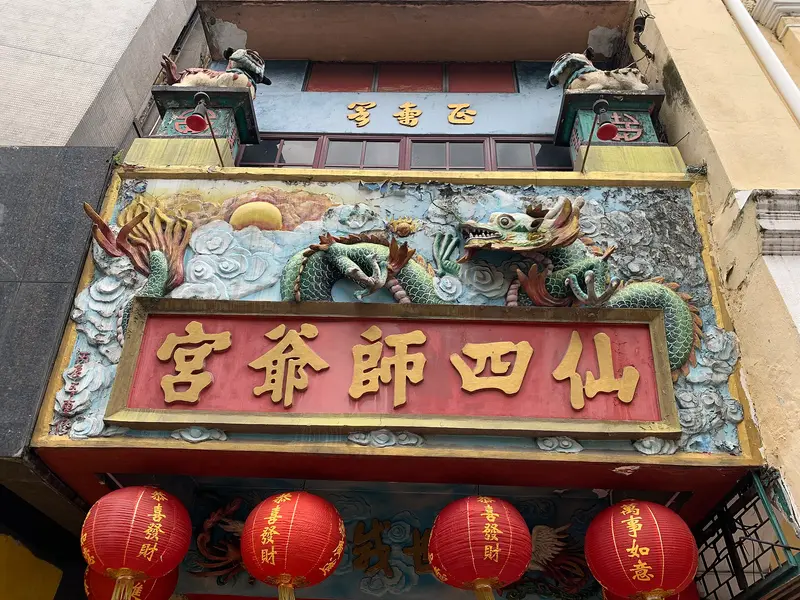
    1Sin-Sze-Si-Ya Temple

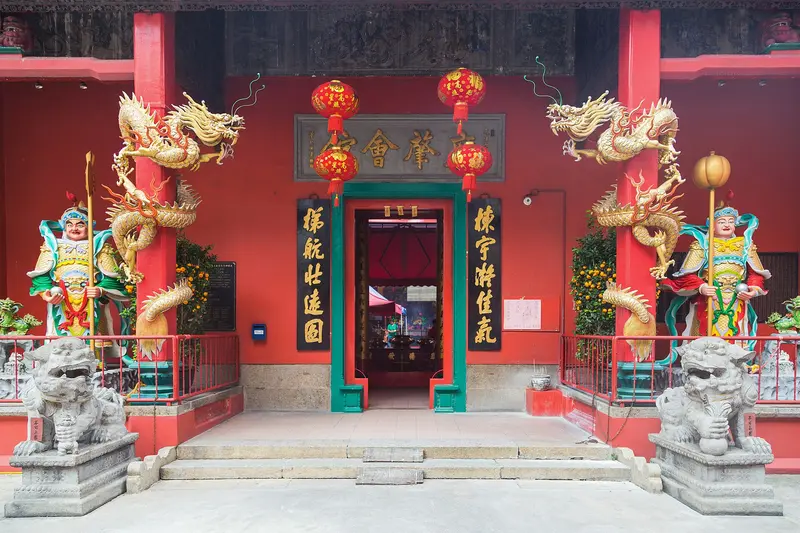
    The city's oldest Taoist temple dates back to 1864, when Yap Ah Loy, the Chinese Kapitan of early Kuala Lumpur, established a shrine here. After fires and floods, the temple was rebuilt from 1881 to 1883. The building is hidden between shophouses near the Central Market; look for the narrow entrance. Inside, it smells of incense; visitors are welcome.
    Open in Google Maps
    Petaling Street

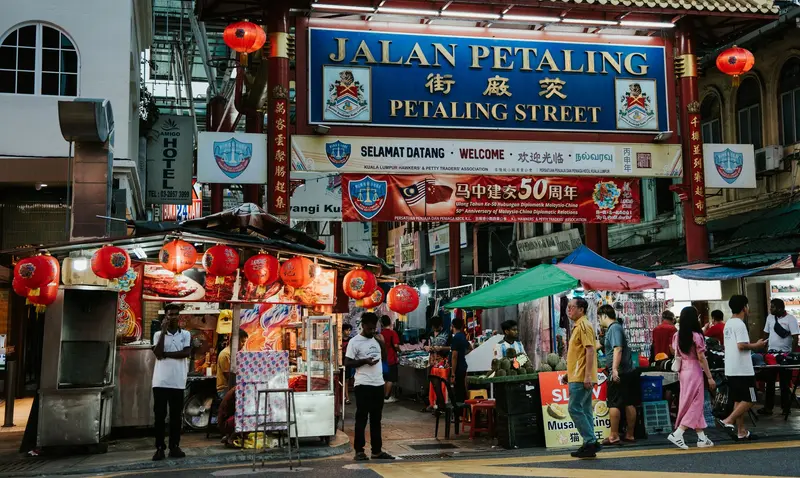
    2Petaling Street

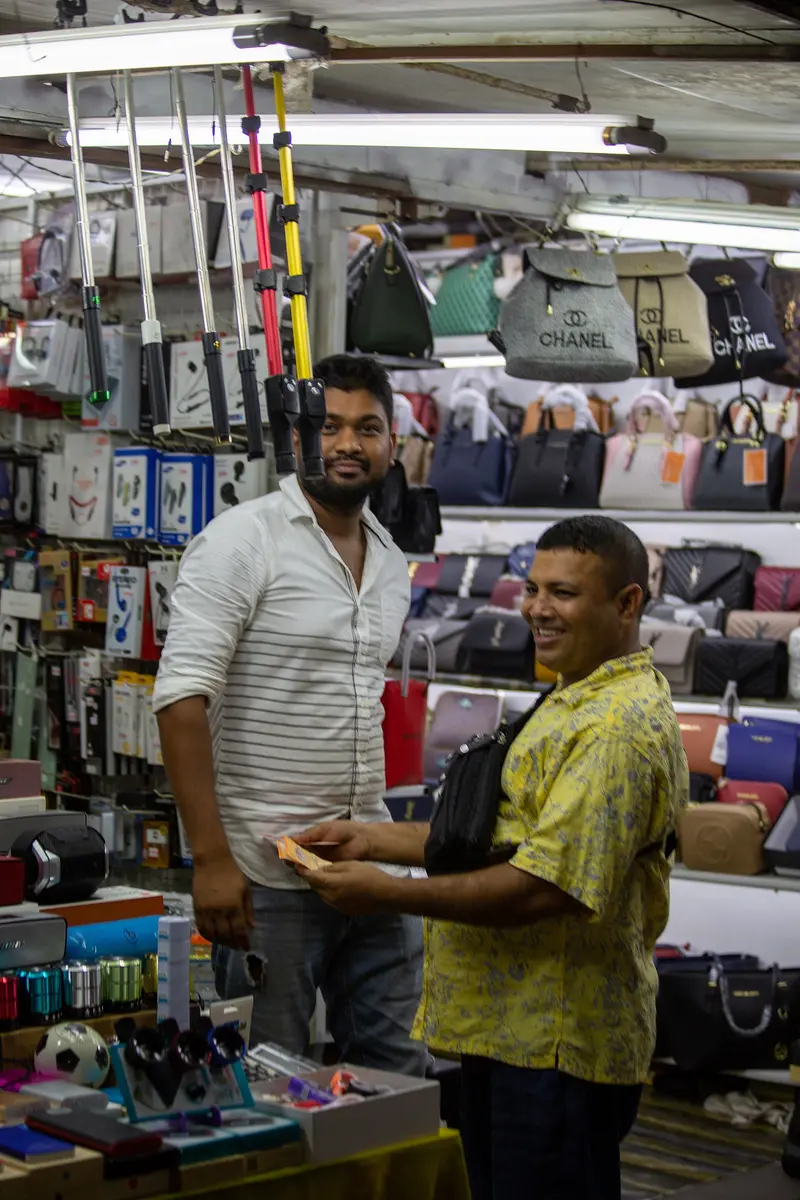
    The covered market street is the heart of Chinatown. From day to late evening, stalls abound with bags, watches, souvenirs, and snacks like roasted chestnuts or Lo Hon Kor. Haggling is part of it; brand-name goods are almost always copies.
    Open in Google Maps
    Guan-Di Temple
    Place of Worship

    3Guan-Di Temple

    The small Taoist temple on Jalan Tun H.S. Lee is dedicated to Guan Di (Guan Yu), who represents loyalty and righteousness. Its most famous feature is a heavy bronze halberd, which worshippers touch or lift, as it's believed to bring courage and good fortune. The Sin Sze Si Ya Temple is just a few steps away.
    Open in Google Maps
    Central Market (Pasar Seni)
    Attraction

    4Central Market (Pasar Seni)

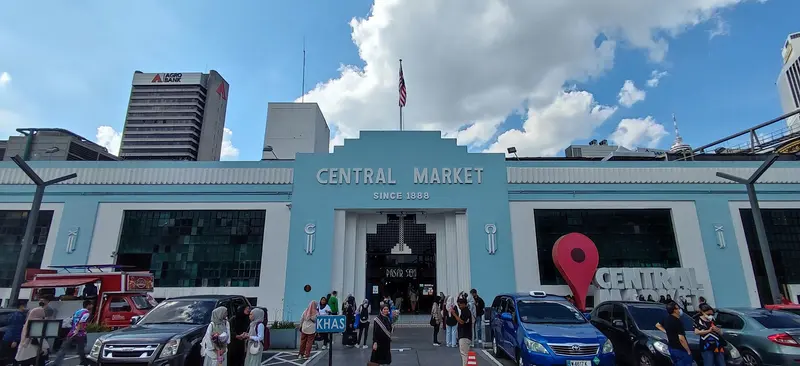
    The market was founded in 1888 as the city's wet market, and the current Art Deco building dates from 1937. Today you'll find handicrafts, batik, and souvenirs here, with galleries by local artists in the annex and a food court on the upper floor. It pairs well with a stroll through Petaling Street.
    Open in Google Maps
    Kwai Chai Hong
    Attraction

    5Kwai Chai Hong

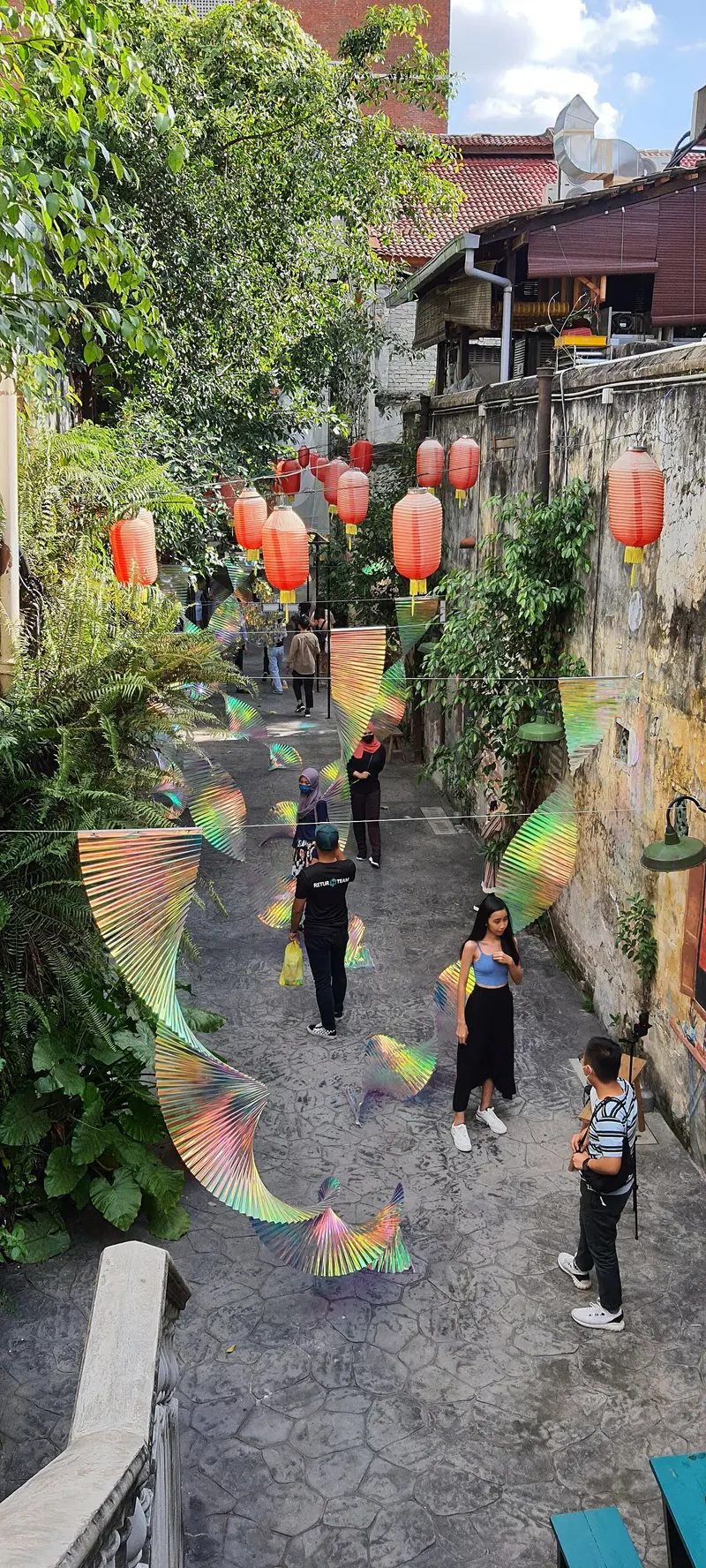
    The restored alleyway, whose Cantonese name means roughly 'little ghost alley,' features murals depicting daily life in 1960s Chinatown: children playing, neighbors at windows, traditional crafts. New establishments have opened in the surrounding houses. Early morning and late afternoon are ideal for photography; midday it is hot and crowded.
    Open in Google Maps
    Sri Mahamariamman Temple
    Temple

    6Sri Mahamariamman Temple

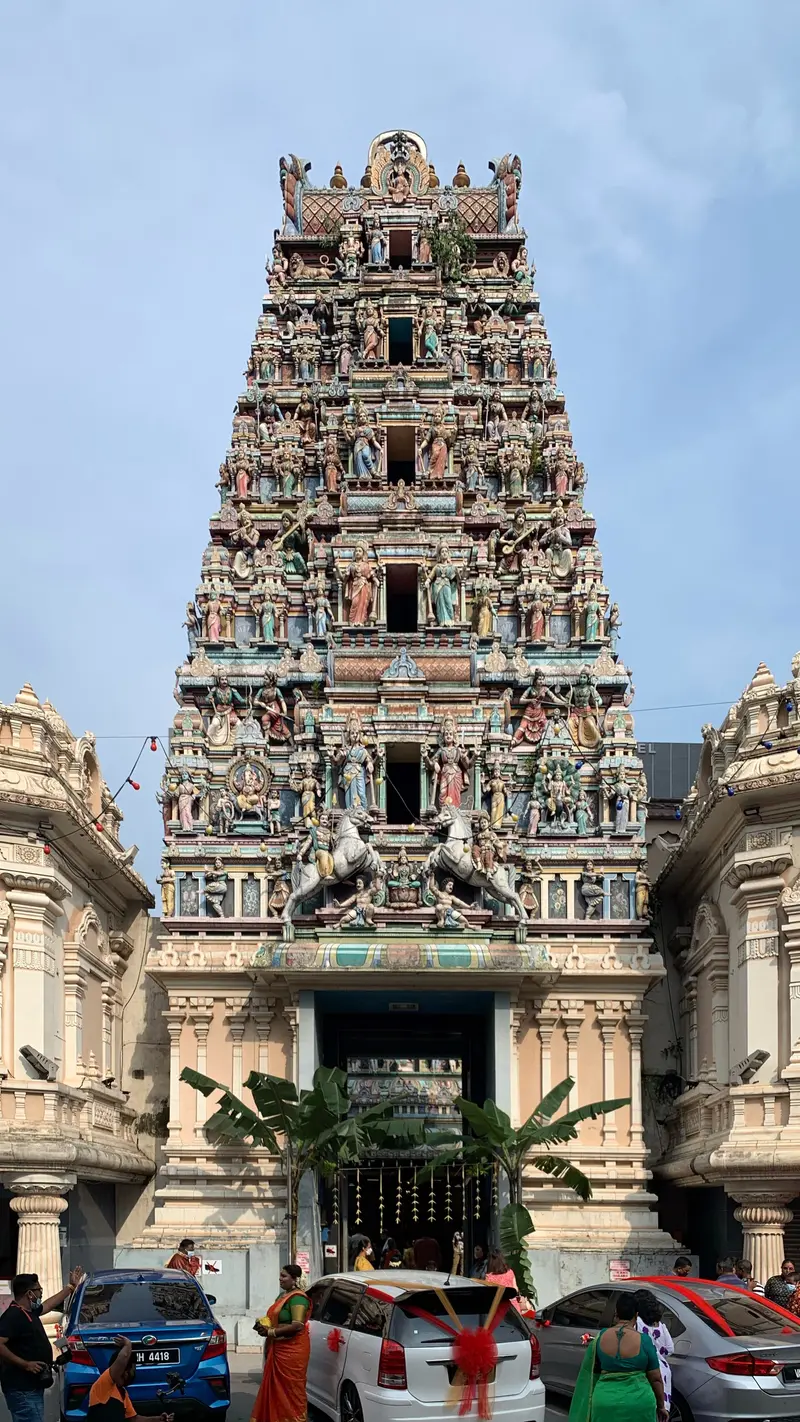
    Founded in 1873 by K. Thamboosamy Pillai, the temple began as a private family shrine and is considered one of Kuala Lumpur's oldest Hindu temples. The current temple building was completed in 1968; above it rises the Gopuram, completed in 1972, nearly 23 meters high and adorned with 228 deity figures. Remove your shoes before entering; shoulders and knees should be covered. For the Thaipusam festival, the procession to the Batu Caves commences here in the early morning hours.
    Open in Google Maps

    City walks in Chinatown

    Curated walking tours through the city's highlights, handpicked by experienced travel journalists.

    Chinatown's Heartbeat: A Discovery Tour in Kuala Lumpur

    Immerse yourself in the pulsating heart of Kuala Lumpur's Chinatown. This tour takes you through busy markets, to colourful temples and hidden lanes full of art. Experience the unique mix of history, culture and culinary delights that makes this district so special.

    ~2 Std.
    Open in Google Maps
    Stops (6)

    Essen & Trinken

    1

    Sze Ngan Chye

    This family-run business on Jalan Petaling has been known for decades for its salted, charcoal-roasted duck. It's takeaway only, and the duck often sells out by early afternoon. So, it's best to come in the morning.
    Show on Google Maps
    2

    Madras Lane Yong Tau Foo

    The stall in narrow Madras Lane behind the market building has been an institution for decades. You choose stuffed tofu, bitter gourd, and fish balls, served in clear broth or with Curry Laksa. Open only until early afternoon, often with a queue.
    Show on Google Maps
    3

    Kim Lian Kee

    This eatery on Jalan Hang Lekir, corner of Petaling Street, is linked to the creation of KL-Hokkien-Mee: thick noodles, stir-fried in a wok with dark soy sauce, pork, and prawns. Open evenings until late, you sit on plastic stools right in the market's buzz.
    Show on Google Maps

    History and Culture

    Chinese tin miners and traders have shaped the district since the city's founding. Their leader, Yap Ah Loy, the Chinese Kapitan, rebuilt Kuala Lumpur after the Selangor Civil War and founded the Sin-Sze-Si-Ya Temple in 1864.Typical are the two-story shophouses: business downstairs, residence upstairs, fronted by a covered walkway, the Five Foot Way. The presence of one of the city's oldest Hindu temples here demonstrates how closely the communities lived together from early on.For Chinese New Year, red lanterns hang above the streets; for Thaipusam, the procession to the Batu Caves begins at the Sri Mahamariamman Temple.

    Exploring Locally

    The Pasar Seni station is right on the edge of Chinatown, connecting the LRT Kelana Jaya Line and the MRT Kajang Line. It's one LRT stop from KL Sentral, plus a walkway leads to the old Kuala Lumpur railway station for KTM trains.Within the district, walking is the best way to get around. The electric GoKL buses stop nearby and head towards Bukit Bintang; foreign passengers pay 1 Ringgit per ride. For longer distances, order a car via the Grab app; it's affordable and avoids haggling with taxi drivers.

    Accommodations in Chinatown

    Find perfect stay in Chinatown

    Booking.com* (Affiliate link)
    Search Hotels
    Agoda* (Affiliate link)
    Search Hotels
    Airbnb
    Vacation Rentals

    * Affiliate link: if you book through it, we earn a small commission. The price stays the same for you.

    Plan your trip to Chinatown

    Save places, build a route and plan your city trip, all in one place.

    1. 1
      Sunrise over alpine peaks and a sea of clouds
      1234

      Round trip

      12 days · 4 stops

      Saved

      Pick a route

      Pick a ready-made one or save places and plan your own.

      Open bookmarks
    2. 2

      Trip to Chinatown

      Live
      • 1Sin-Sze-Si-Ya Temple3 days
      • 2Petaling Street4 days
      • 3Guan-Di Temple5 days
      Budget

      Plan your trip

      The planner sorts stops, days and budget. Plan together in real time.

      Start trip planning
    3. 3
      9:41 No signal
      Chinatown
      Available offline

      Use it on the road

      Download the guide to your phone and use it on site, even offline.

    Nearby

    Kuala Lumpur

    Kuala Lumpur

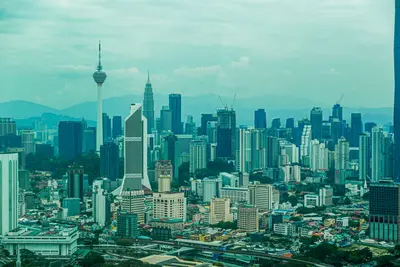
    Malaysia's capital combines the Petronas Towers and modern shopping districts with colonial buildings around Merdeka Square, a vibrant Chinatown, and the hawker stalls of Jalan Alor and Kampung Baru. Malays, Chinese, and Indians equally shape the city's appearance, which is particularly evident in its cuisine.
    Bukit Bintang

    Bukit Bintang

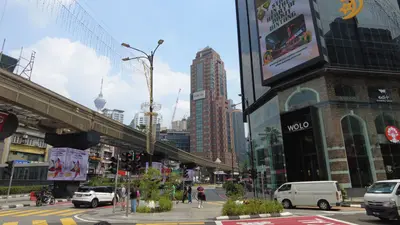
    Bukit Bintang is Kuala Lumpur's shopping and entertainment district. Along the eponymous street are large malls like Pavilion and Lot 10, and behind them lie the food street Jalan Alor and the bar strip Changkat Bukit Bintang. Many of the city's hotels are located here.
    Perdana Botanical Garden

    Perdana Botanical Garden

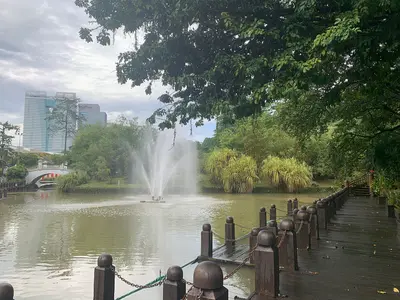
    The Perdana Botanical Garden, still known to locals as Lake Gardens, is the green lung in the west of the city centre. Around a lake, you'll find lawns, ancient giant trees, themed gardens, and shady paths where people jog and practice Tai Chi in the mornings.Within and around the park, you'll discover the Orchid Garden and the Hibiscus Garden, the KL Bird Park, the National Monument Tugu Negara, and the National Museum. Come in the early morning or late afternoon, as it gets very hot on the open spaces at midday.
    KLCC and Petronas Towers

    KLCC and Petronas Towers

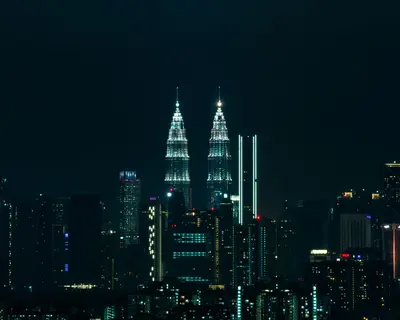
    The Kuala Lumpur City Centre district around the Petronas Towers is the city's modern showpiece. At the foot of the twin towers are the Suria KLCC shopping mall, a large park, and Aquaria. Covered walkways connect KLCC with Bukit Bintang.
    Brickfields (Little India)

    Brickfields (Little India)

    Brickfields is Kuala Lumpur's Indian quarter, right next to the transport hub KL Sentral. Along Jalan Tun Sambanthan the air smells of jasmine and spices, and Tamil film music drifts out of the shops. Here you can buy saris and gold jewelry, eat banana-leaf rice or dosa, and visit temples of three religions within a few hundred meters.The area is well suited to half a day, for example before or after a trip from the airport.

    Sources & method

    • Photos: Wikimedia Commons, Pexels, Google Maps. Each photo carries its credit.
    • Place data such as addresses and ratings comes from Google Maps.
    • The content is based on web research from public, traceable sources. How the content is made · The role of AI