Fernweh
    ExploreTravel GuidesMy Trips
    de|en
    About FernwehImprintFAQPrivacy Policy
    ExploreTravel GuidesMy Trips
    Algarve

    Algarve

    Region
    1. Home
    2. Destinations
    3. Portugal
    4. Algarve
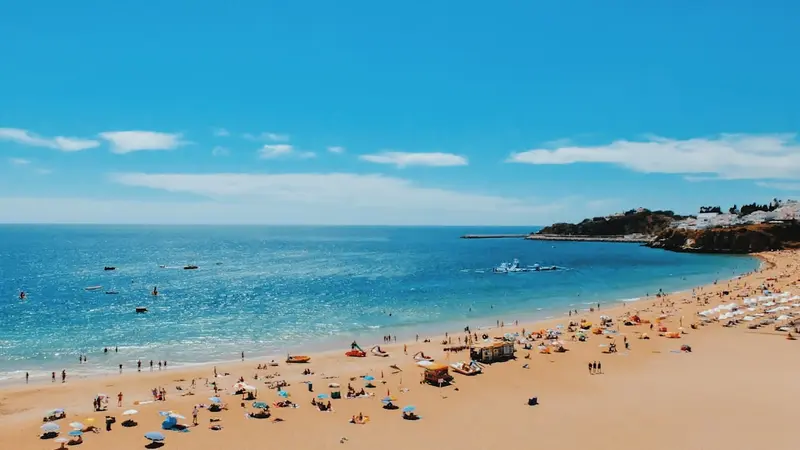
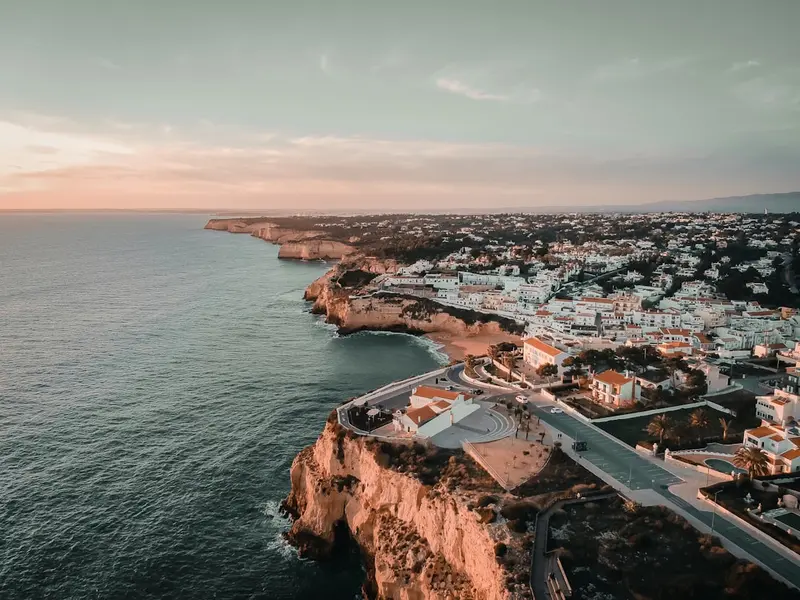
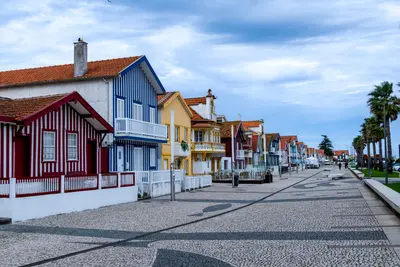
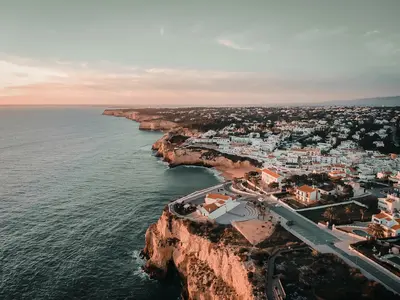
    The Algarve in southern Portugal is one of Europe's most popular holiday regions, known for its spectacular coastline with golden sandy beaches, dramatic cliffs, and hidden grottos.It offers a perfect blend of lively resorts, charming fishing villages, and rich culture, all set against a backdrop of a sun-drenched climate.
    • Overview
    • Places in the region
    • Eat & drink
    • Culture
    • Nearby
    • Overview
    • Places in the region
    • Eat & drink
    • Culture
    • Nearby
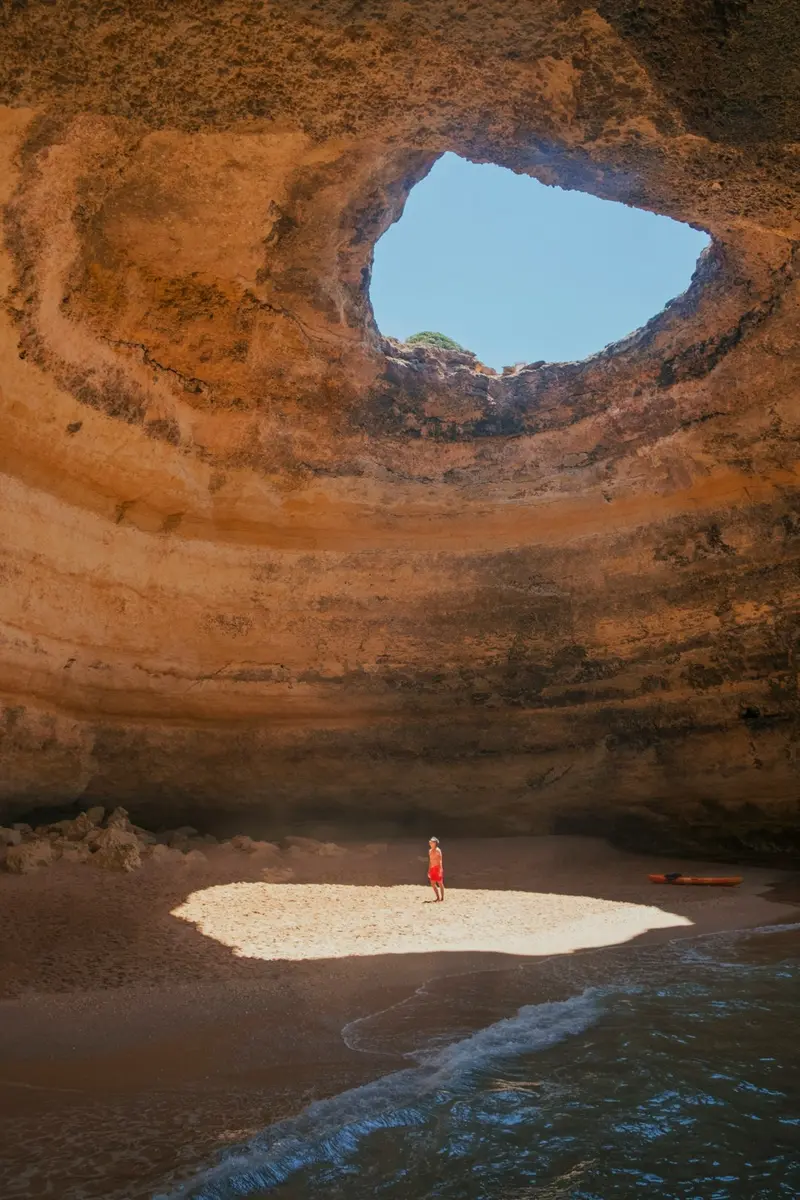
    The Algarve in southern Portugal impresses with its diverse coastal landscape, ranging from expansive sandy beaches to dramatic limestone cliffs. Particularly striking are the rock formations at Ponta da Piedade near Lagos and the famous Benagil Cave, which are best explored by boat. Historic cities like Lagos with its old town and Tavira in the east offer insights into the Moorish past and traditional Portuguese life. The capital Faro serves as a gateway to the Ria Formosa Natural Park, a unique lagoon system, excellent for birdwatching. Culinarily, fresh fish and seafood dominate the regional cuisine. For a more relaxed experience, it's best to avoid the high season in July and August; instead, spring and autumn offer pleasant temperatures and fewer visitors.

    Places in Algarve

    Albufeira

    Albufeira

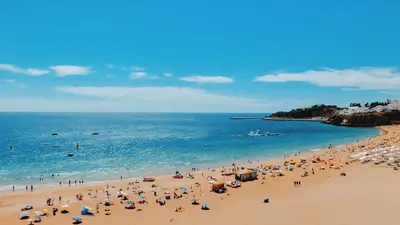
    Albufeira is the Algarve's best-known and most vibrant resort, popular for its wide sandy beaches, its vibrant nightlife, and family-friendly amenities.
    Faro

    Faro

    The southern Portuguese city of Faro, capital of the Algarve, presents itself as an authentic travel destination away from the tourist hotspots, with a rich history and unique nature. At the heart of the city lies the Cidade Velha, surrounded by an old city wall, preserving a significant historical heritage with its Sé Cathedral. A visit to the macabre Capela dos Ossos in the Igreja do Carmo offers an unusual cultural experience. Faro is also the gateway to the Ria Formosa Nature Park, a protected lagoon system perfect for boat trips and birdwatching. From here, you can also reach unspoiled islands like Ilha Deserta. For an authentic experience, a visit in spring or autumn is recommended to peacefully enjoy the local markets and excellent seafood cuisine.
    Lagos

    Lagos

    Lagos, a historic port city of the Algarve, blends maritime history with a vibrant present. You should definitely explore the iconic rock formation Ponta da Piedade by boat trip. The historic Old Town entices with narrow streets, the opulent Church of Santo António, and the Mercado de Escravos, a reminder of the Age of Discovery. Relax on picturesque beaches like Praia Dona Ana or in the modern marina. For a quieter experience, a visit in spring or autumn, away from peak season, is recommended.
    Portimão

    Portimão

    Portimão in the Algarve blends a rich fishing tradition with modern tourism infrastructure. The cityscape is shaped by the mouth of the Arade River and the expansive Praia da Rocha beach, one of the region's most famous. Visit the Museu de Portimão in a former fish cannery to discover the history of the local sardine industry. Along the Ribeirinha, the waterfront promenade, you'll find numerous restaurants serving freshly grilled sardines – a local specialty. The historic old town, with its narrow streets and the Igreja Matriz, invites you for strolls. For a relaxed stay, the off-season in spring or autumn is recommended to enjoy the mild temperatures and fewer visitors. Also explore the modern Marina de Portimão with its yachts and dining options.
    Sagres & Cabo de São Vicente

    Sagres & Cabo de São Vicente

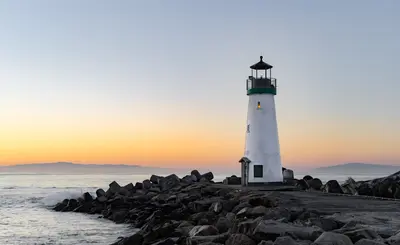
    Perched at Europe's southwesternmost tip, Sagres offers dramatic cliffs, a historic lighthouse, and a rich history of seafaring and discoveries.
    Silves

    Silves

    Nestled in the heart of the Algarve, Silves reveals its rich Moorish past, having once served as a significant capital of the region. The imposing Castelo de Silves, a striking red sandstone fortress, towers over the town, bearing witness to this era. Directly below, you'll find the Sé Catedral de Silves, whose foundations were built upon a former mosque, blending Gothic and Manueline elements. Stroll through the narrow cobblestone streets, discover traditional shops, and enjoy the tranquil atmosphere away from the coastal resorts. A visit to the Museu Municipal de Arqueologia deepens your understanding of local history. For a relaxed exploration of the historical sites, spring or autumn are recommended to enjoy the mild temperatures and avoid the summer crowds.
    Tavira

    Tavira

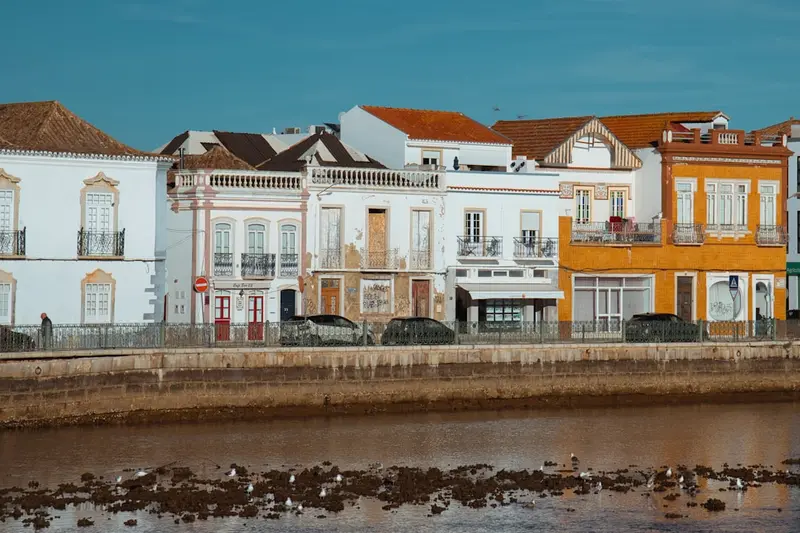
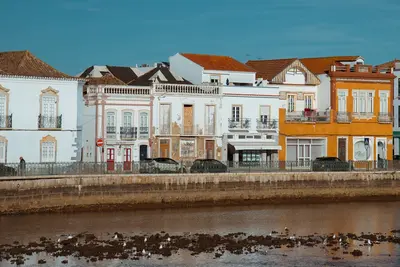
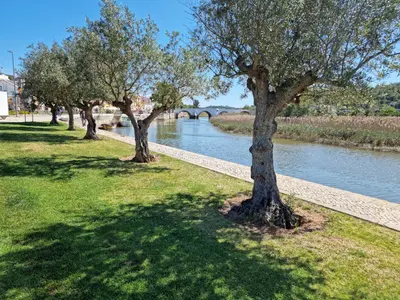
    Tavira, located in the eastern part of the Algarve, captivates with its tranquil character and rich history reflected in its architecture. The Gilão River divides the city and is spanned by the historic Ponte Romana, a central landmark. Here you'll find over 20 churches, including the Igreja de Santa Maria do Castelo, as well as the ruins of the Castelo de Tavira, which offers expansive views over the red rooftops. The Moorish-influenced architecture shapes the cityscape with its typical roofs and charming alleys. A short ferry ride takes you to Ilha de Tavira, which, with its expansive sandy beaches, invites you for a relaxing day trip. For authentic impressions and fresh fish, a morning visit to the Mercado Municipal is highly recommended. The best time to visit is spring or autumn, allowing you to explore the city at a leisurely pace.

    Sights in Algarve

    Discover the most important sights and attractions

    Formosamar - Pure Nature Experiences

    Formosamar offers you authentic nature experiences in the heart of the Ria Formosa Natural Park, one of Portugal's seven natural wonders. This unique lagoon system stretches over 60 kilometers along the Algarve coast and is a protected wetland of international importance. Here you can experience the rich biodiversity up close, from migratory birds to rare chameleons. The tours lead you through the salt marshes, past sandbanks, and to the barrier islands like Culatra or Farol, where you can discover traditional fishing life. The Ria Formosa plays a crucial role for local fishing and oyster farming, highlighting its cultural and economic importance. Our Tip: Book a tour early in the morning or late afternoon to get the best light for photos and experience wildlife more actively. Don't forget to bring binoculars and sun protection.
    Open in Google Maps

    Biologiczny mural

    The Biologiczny mural in the Algarve is a striking example of contemporary urban art dedicated to the region's rich biodiversity. These large-format murals, often found on prominent building facades, are more than just decoration; they are a tribute to local flora and fauna and convey an important message about environmental protection. Here you will discover detailed and colorful depictions of marine life, native birds, or Mediterranean plants, executed with impressive precision. They are often part of initiatives to revitalize public spaces and promote environmental awareness. Our Tip: Visit the mural in the morning to get the best lighting for your photos and allow the colors to really pop. Also, keep an eye out for other artworks in the vicinity, which are often part of a larger art trail.
    Open in Google Maps

    Islands 4 You

    "Islands 4 You" offers you the chance to explore the unique lagoon landscape of the Ria Formosa Natural Park in the Algarve. This protected area is a complex system of barrier islands, sandbanks, and salt marshes, possessing immense ecological importance. It serves as a vital habitat for numerous bird species, including migratory birds, and is a UNESCO Biosphere Reserve. On a tour, you'll discover the fascinating flora and fauna, as well as the traditional fishing communities on islands like Culatra or Farol, which have preserved their original character. You'll experience an authentic side of the Algarve, away from the bustling coastal resorts. The pristine beaches and crystal-clear waters invite you to linger and offer opportunities for nature observation. Our Tip: Book your tour for early morning or late afternoon to avoid the biggest crowds and utilize the soft light for photos. Don't forget to bring sun protection and sufficient water, especially during the summer months.
    Open in Google Maps

    Algarve Cycling

    The Algarve has established itself as a premier cycling destination, offering a remarkable variety of landscapes. Here, you can undertake relaxed rides along flat coastal paths or explore challenging routes in the hilly hinterland, winding through cork oak forests and traditional villages. Historically, the bicycle was an important means of transport in rural areas, and today it allows you to experience the region off the main tourist paths and gain authentic insights into local life. Expect well-signposted routes such as the Ecovia Litoral, which runs along the coast, or the Via Algarviana, which traverses the interior. These paths offer you the opportunity to experience both the dramatic cliffs and golden beaches, as well as the tranquil landscapes of the Barrocal and the Serra. Our tip: The months of March to May and September to November are ideal for cycling tours, as temperatures are pleasantly mild and you avoid the largest tourist crowds. For breathtaking coastal photos, we recommend the route between Lagos and Sagres in the early morning to catch the best light conditions and fewer people.
    Open in Google Maps

    Igreja de São Pedro

    The Igreja de São Pedro in the Algarve is a typical example of the region's sacred architecture, with its history often reaching back to the late Middle Ages. Many of these churches were rebuilt after the 1755 earthquake, resulting in an interesting blend of Manueline and Baroque style elements. You'll notice that the often simple, whitewashed exterior forms a strong contrast to the artistically designed interior.Inside, you'll find a contemplative atmosphere. Particularly impressive are the richly decorated altars with their talha dourada, the typical Portuguese gilded woodcarving. Also note the historic *Azulejos* that adorn the walls, often depicting biblical motifs or delicate patterns – a testament to traditional craftsmanship. The church is not only a place of worship but also an important cultural anchor point for the local community.Our Tip: To explore the church peacefully and capture the best light for photos, an early morning visit is recommended. Avoid midday, when most tour groups arrive. For a respectful visit, please note the service times and refrain from using flash photography inside.
    Open in Google Maps

    Dining & Drinks

    Culture, Art, and History of the Algarve

    The Algarve reveals a deeply rooted culture, art, and history, reflecting its strategic location on the Atlantic. Settled by the Romans, the region experienced a formative era from the 8th century under Moorish rule, which lasted until the Christian Reconquest in the 13th century. This period left deep traces in architecture, agriculture, and language, explaining the name "Al-Gharb" (the West).The Algarve's architectural landscape is characterized by its typical whitewashed houses with filigree chimneys, often showing Moorish influences. Historic towns like Silves, with its imposing castle, bear witness to the region's strategic importance. Later eras, particularly the Age of Discoveries, left behind Manueline elements, for example, in churches and fortresses along the coast.Cultural peculiarities are evident in traditional crafts such as pottery and the artistic azulejos that adorn many facades. Local festivals, often of religious origin, preserve old customs and are an expression of community. The regional gastronomy, with its strong connection to the sea and local products such as oranges and almonds, is also a central part of Algarve culture.

    Locations nearby

    These places are nearby — perfect for additional days or a day trip.

    Faro

    Faro

    The southern Portuguese city of Faro, capital of the Algarve, presents itself as an authentic travel destination away from the tourist hotspots, with a rich history and unique nature. At the heart of the city lies the Cidade Velha, surrounded by an old city wall, preserving a significant historical heritage with its Sé Cathedral. A visit to the macabre Capela dos Ossos in the Igreja do Carmo offers an unusual cultural experience. Faro is also the gateway to the Ria Formosa Nature Park, a protected lagoon system perfect for boat trips and birdwatching. From here, you can also reach unspoiled islands like Ilha Deserta. For an authentic experience, a visit in spring or autumn is recommended to peacefully enjoy the local markets and excellent seafood cuisine.
    Tavira

    Tavira

    Tavira, located in the eastern part of the Algarve, captivates with its tranquil character and rich history reflected in its architecture. The Gilão River divides the city and is spanned by the historic Ponte Romana, a central landmark. Here you'll find over 20 churches, including the Igreja de Santa Maria do Castelo, as well as the ruins of the Castelo de Tavira, which offers expansive views over the red rooftops. The Moorish-influenced architecture shapes the cityscape with its typical roofs and charming alleys. A short ferry ride takes you to Ilha de Tavira, which, with its expansive sandy beaches, invites you for a relaxing day trip. For authentic impressions and fresh fish, a morning visit to the Mercado Municipal is highly recommended. The best time to visit is spring or autumn, allowing you to explore the city at a leisurely pace.
    Albufeira

    Albufeira

    Albufeira is the Algarve's best-known and most vibrant resort, popular for its wide sandy beaches, its vibrant nightlife, and family-friendly amenities.
    Silves

    Silves

    Nestled in the heart of the Algarve, Silves reveals its rich Moorish past, having once served as a significant capital of the region. The imposing Castelo de Silves, a striking red sandstone fortress, towers over the town, bearing witness to this era. Directly below, you'll find the Sé Catedral de Silves, whose foundations were built upon a former mosque, blending Gothic and Manueline elements. Stroll through the narrow cobblestone streets, discover traditional shops, and enjoy the tranquil atmosphere away from the coastal resorts. A visit to the Museu Municipal de Arqueologia deepens your understanding of local history. For a relaxed exploration of the historical sites, spring or autumn are recommended to enjoy the mild temperatures and avoid the summer crowds.
    Portimão

    Portimão

    Portimão in the Algarve blends a rich fishing tradition with modern tourism infrastructure. The cityscape is shaped by the mouth of the Arade River and the expansive Praia da Rocha beach, one of the region's most famous. Visit the Museu de Portimão in a former fish cannery to discover the history of the local sardine industry. Along the Ribeirinha, the waterfront promenade, you'll find numerous restaurants serving freshly grilled sardines – a local specialty. The historic old town, with its narrow streets and the Igreja Matriz, invites you for strolls. For a relaxed stay, the off-season in spring or autumn is recommended to enjoy the mild temperatures and fewer visitors. Also explore the modern Marina de Portimão with its yachts and dining options.