Fernweh
    ExploreTravel GuidesMy Trips
    de|en
    About FernwehImprintFAQPrivacy Policy
    ExploreTravel GuidesMy Trips
    Beja

    Beja

    CityCulture
    1. Home
    2. Destinations
    3. Portugal
    4. Alentejo
    5. Beja
    The city of Beja, often referred to as the 'Capital of Lower Alentejo', attracts with its imposing castle, the Convent Nossa Senhora da Conceição, and a vibrant historic center.
    • Neighborhoods & highlights
    • Walking tours
    • Eat & drink
    • Culture
    • Getting around
    • Accommodation
    • Plan trip
    • Nearby
    • Neighborhoods & highlights
    • Walking tours
    • Eat & drink
    • Culture
    • Getting around
    • Accommodation
    • Plan trip
    • Nearby

    Overview

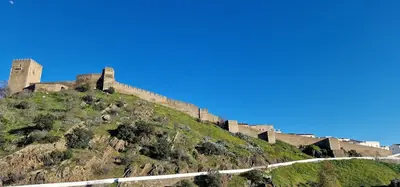
    Beja, nestled in the heart of the Alentejo, is a historically rich city, its tranquil atmosphere shaped by Roman, Visigothic, and Moorish influences. The imposing keep of the Castelo de Beja offers expansive panoramic views over the plains. Visit the Museu Rainha D. Leonor in the Convento da Conceição for regional art and archaeology, or the Igreja de Santo Amaro with its Visigothic architecture. Stroll through the narrow streets of the old town to experience its authentic charm. A spring or autumn visit avoids the summer heat; try the hearty Alentejo cuisine in local taverns.

    Places in Beja

    Discover the most important sights and attractions
    Sights in Beja

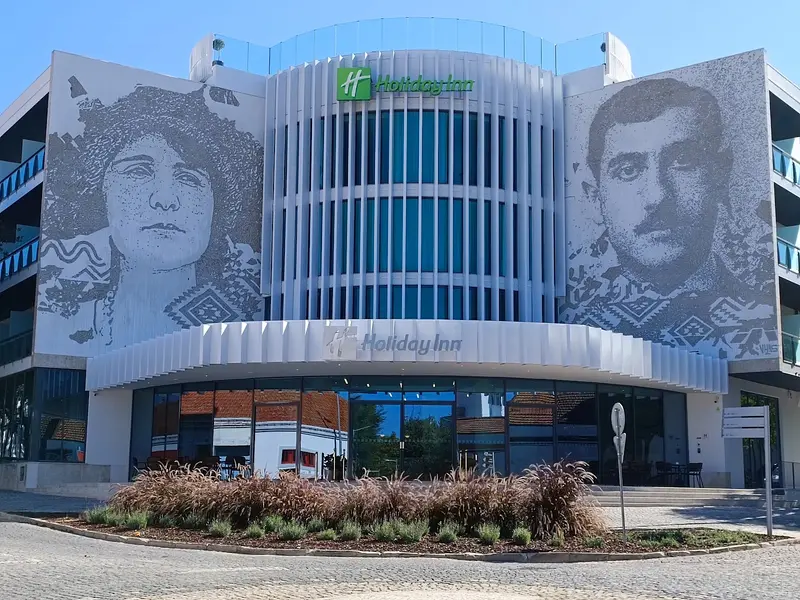
    Mural de Florbela Espanca e Mário Beirão por Vhils

    In Beja, you'll find the impressive **Mural de Florbela Espanca e Mário Beirão**, created by renowned artist Vhils. This artwork is an outstanding example of his unique technique, where he chisels portraits directly into walls, revealing hidden layers of history. *Florbela Espanca*, a significant early 20th-century poet, is considered an icon of female emancipation in Portugal, with her works often addressing themes such as love, loss, and the role of women. *Mário Beirão*, also a well-known writer and journalist, has direct roots in Beja and significantly contributed to local culture. The mural captures the essence of these personalities and lends the city a modern cultural dimension.You can best appreciate the fine details and depth of the work in daylight, when shadows emphasize the reliefs. For optimal viewing and to experience the full impact of the work, it's advisable to keep a certain distance. Pay attention to the subtle layers Vhils uses to bring the faces to life. *Our Tip:* A visit in the morning or late afternoon often offers the best light for photos and a quieter atmosphere to enjoy the artwork undisturbed.
    Open in Google Maps

    Mural Rostos de Vhils

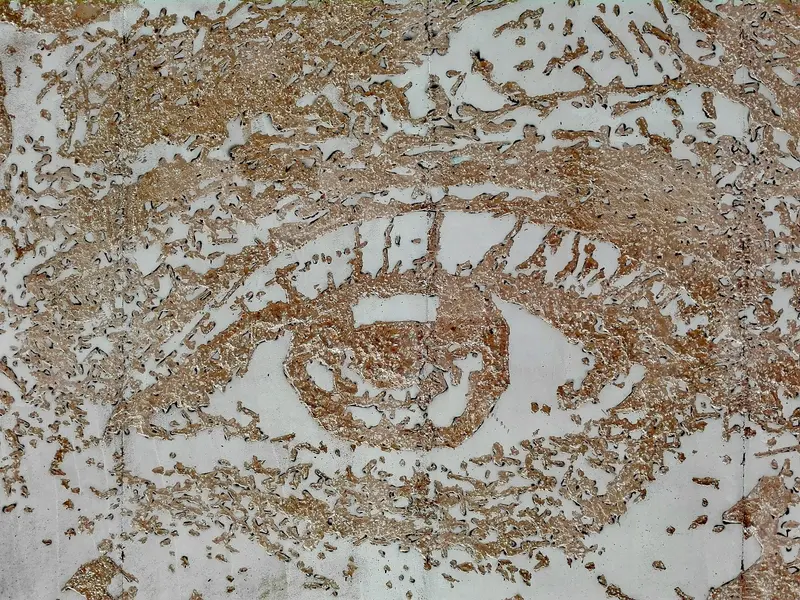
    The Mural Rostos de Vhils in Beja is an outstanding example of the innovative art of Portuguese artist Alexandre Farto, better known as Vhils. Here you'll find a large-format portrait, created not by painting but by removing material directly from the wall itself. Vhils employs a unique technique where he removes layers of plaster and masonry to reveal faces and patterns. This method often symbolizes the hidden stories and identities that lie beneath the surface of urban landscapes.The artwork seamlessly integrates into Beja's cityscape, offering a modern contrast to the historic architecture of the Alentejo region. It invites you to reflect on the relationship between people, the city, and transience. The faces Vhils depicts are often anonymous residents, representing the city's pulse and serving as a tribute to the local population.Our tip: Visit the mural during the day to best appreciate the fine details and impressive texture of the carvings. Pay attention to how the light falls, as it particularly accentuates the work's depth effect. For an undisturbed viewing and good photos, an early morning or late afternoon visit is recommended, when the light is softer and there are fewer passersby.
    Open in Google Maps

    Forno da Ti Bia Gadelha

    The Forno da Ti Bia Gadelha in Beja is a living monument to Alentejo baking. This traditional, often wood-fired oven has long provided locals with authentic bread and pastries. You'll experience the craftsmanship firsthand, savoring the aroma of freshly baked specialties. From rustic bread to sweet treats, products reflect regional ingredients and time-honored recipes. It offers a true glimpse into Beja's culinary heart. Our Tip: Arrive early for warm bread direct from the oven and soak in the peaceful local atmosphere.
    Open in Google Maps

    Visigoth Core of the Museu Rainha Dona Leonor

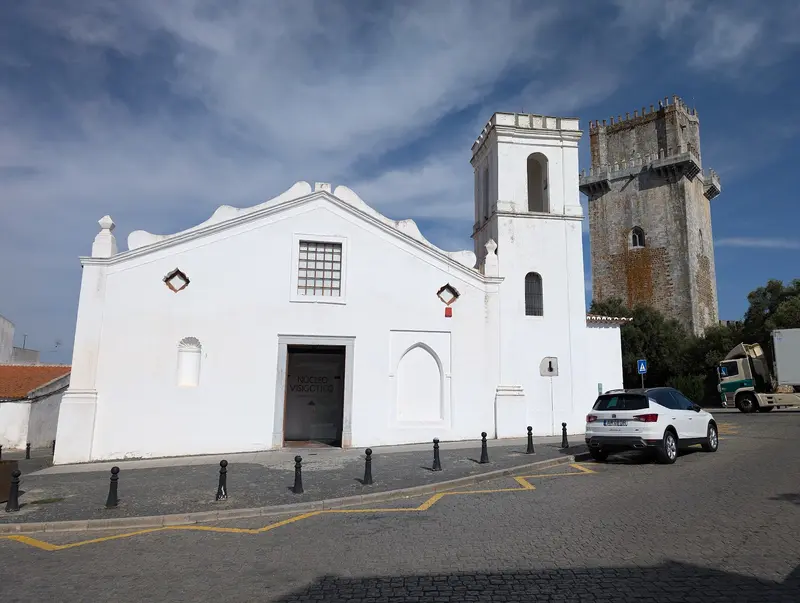
    In the heart of the Museu Rainha Dona Leonor in Beja, you'll discover the Visigothic Core, a fascinating collection that offers deep insights into the period of the Visigoths on the Iberian Peninsula. This era, spanning the 5th to 8th centuries, was pivotal for Portugal's development before the Moorish conquest. Here you'll find a range of archaeological artifacts, including intricately crafted capitals, grave steles with Latin inscriptions, and fragments of sacred buildings that once stood in the region. Particularly noteworthy are the remains of the former Visigothic Church of Santo Amaro, which has been directly integrated into the museum and is considered one of the best-preserved examples of Visigothic architecture in Portugal. Its columns and arches bear witness to highly sophisticated construction. Our tip: Take ample time for the detailed descriptions to grasp the full historical significance of the exhibits. For a comprehensive understanding of local history, it is recommended to combine your visit to the Visigothic Core with the museum's Roman and Moorish collections.
    Open in Google Maps

    Portas de Avis

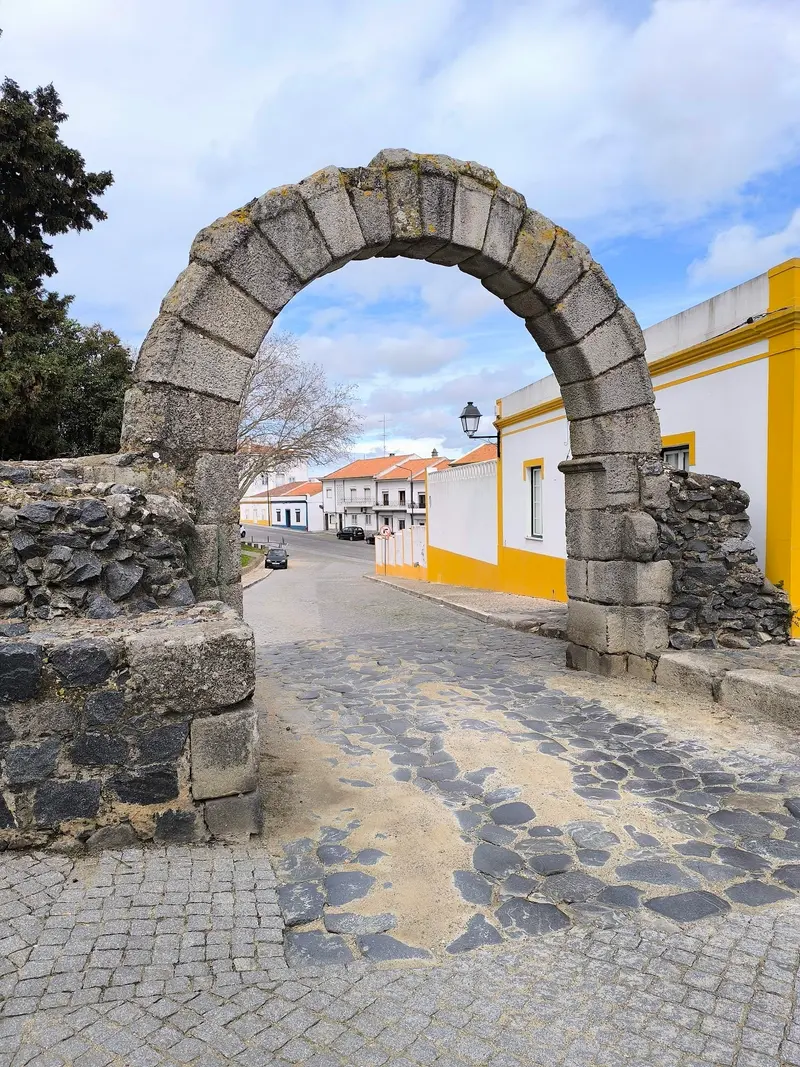
    The Portas de Avis in Beja stand as a significant testament to the medieval city fortifications that protected Beja for centuries. These gates, whose foundations may be Roman in origin, were significantly shaped and reinforced during Moorish and later Christian rule. Passing through the Portas de Avis offers direct insight into Beja's historical significance as a strategic point in the Alentejo. You can closely examine the robust stone walls and architectural details of the defensive structure, which reflect the region's eventful history. They served not only for defense but also as central access points for trade and the daily life of the city's inhabitants. Our Tip: Visit the gates in the early morning to enjoy the tranquility and explore the details without major crowds. From here, a stroll along the remaining wall sections is recommended to better grasp the dimensions of the former fortress and discover more photo opportunities.
    Open in Google Maps

    City walks in Beja

    Curated walking tours through the city's highlights — handpicked by experienced travel journalists.

    Bejas Historischer Charme: Ein Spaziergang durch Alentejos Herz

    Entdecken Sie Bejas reiche Geschichte und Kultur auf diesem zweistündigen Rundgang. Von mittelalterlichen Burgen bis zu visigotischen Schätzen und charmanten Gassen – erleben Sie das authentische Alentejo und tauchen Sie ein in die Vergangenheit dieser faszinierenden Stadt.

    ~2 Std. 15 Min.
    In Google Maps öffnen
    Stopps (7)

    Dining & Drinks

    Beja's Cultural Heritage: Romans, Moors, and Gothic

    Beja, the historical heart of the Alentejo, looks back on a multifaceted past that significantly shaped the city's cultural and architectural landscape. The city, once founded as Pax Julia by the Romans, was an important administrative center and still preserves traces of this era today, including parts of a Roman temple.After the Roman era, Visigothic and Moorish rule followed, under which Beja (then Bajá) flourished. These periods left behind a rich architectural blend. The imposing Castelo de Beja, with its striking 40-meter-high keep, the Torre de Menagem, has Moorish roots but was extensively rebuilt after the Reconquista in the Middle Ages. The Igreja de Santo Amaro today houses a Visigothic museum and displays remains of early Christian and Visigothic architecture.The Regional Museum of Beja, housed in the former Convento de Nossa Senhora da Conceição, presents artworks and artifacts from various epochs and illustrates local history. The city also cultivates traditional crafts and is part of the region known for Cante Alentejano, a UNESCO-protected choral singing, which reflects the deeply rooted culture of the Alentejo. Local gastronomy also mirrors this history, with strong rural and Moorish influences.

    Exploring Locally

    The charming city of Beja is best explored on foot, especially its historic centre with its narrow streets and numerous sights. There's no metro or tram here, which preserves its authentic character and invites leisurely strolls.For longer distances, a reliable local bus service connects the various city districts. Single tickets can be bought directly from the driver; however, for more frequent trips, purchasing a rechargeable card is worthwhile, often offering cheaper fares and available locally.Bicycles are a popular and eco-friendly way to explore the city and its flat surroundings; some hotels offer rental bikes, or you can find local rental services. E-scooters are less common and spontaneously available in Beja compared to larger metropolises.Taxis are easy to find and a convenient option for journeys, especially in the evenings or to more remote destinations outside the centre. While ride-sharing services like Uber or Bolt are present in Portugal, they are not always as widely or spontaneously available in Beja as in metropolitan areas like Lisbon or Porto.Generally speaking: Beja is a relaxed city where strolling is the most pleasant way to get around, complemented by buses or taxis for longer distances and regional explorations.

    Accommodations in Beja

    Accommodations in Beja

    Find perfect stay in Beja

    Booking.com
    Search Hotels
    Agoda
    Search Hotels
    Airbnb
    Vacation Rentals
    Hotels.com
    Hotels Worldwide
    Hostelworld
    Hostels

    Campgrounds in Beja

    Find perfect campground in Beja

    Search via Google Maps
    Campgrounds nearby (15km)
    Camping.info
    Find Campgrounds
    Park4Night
    RV Parks & Camping

    Plan your trip to Beja

    Save places, build a route and plan your city trip — all in one place.

    Save places

    Bookmark sights, restaurants and neighborhoods you're interested in.

    Build your route

    Turn your bookmarks into a route — define order, days and budget.

    Refine with AI

    Let Mein Fernweh suggest experiences and put together a tailored daily plan.

    Start trip planningOpen bookmarks

    Locations nearby

    These places are nearby — perfect for additional days or a day trip.

    Mértola

    Mértola

    Mértola, picturesquely situated on a hill above the Guadiana River, is a historical gem in Portugal's Alentejo region. The town bears witness to a rich past, shaped by Roman, Visigothic, and especially Moorish influences that continue to mould its architecture and culture today. The imposing Castelo de Mértola towers over the town, offering extensive panoramic views of the river landscape. Particularly noteworthy is the Igreja Matriz, a unique former mosque whose Islamic prayer niche (Mihrab) is still clearly visible. In the versatile Museu de Mértola, spread across several buildings, you'll discover archaeological finds from the Roman period to the Islamic era. It's best to visit the town in spring or autumn to enjoy the pleasant temperatures and explore the historical sites at your leisure.
    Alentejo

    Alentejo

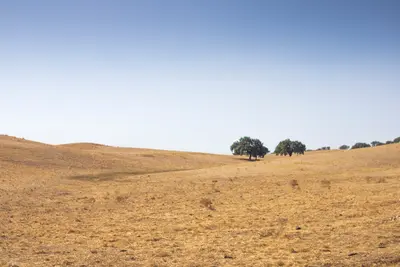
    The Alentejo, Portugal's largest region, enchants with its seemingly endless expanses, gentle hills, gnarled cork oaks, and picturesque historic towns. Here, where time seems to slow down, UNESCO World Heritage sites, excellent wines, and hearty cuisine invite you to a truly special journey of discovery.
    Évora

    Évora

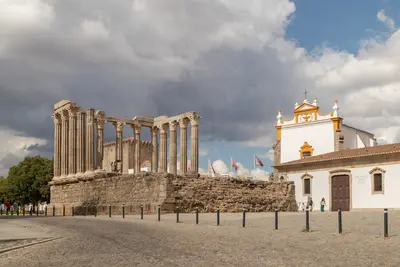
    The UNESCO World Heritage city of Évora impresses with its well-preserved Roman temple, an impressive cathedral, and the macabre Chapel of Bones, nestled in a charming historic centre.
    Monsaraz

    Monsaraz

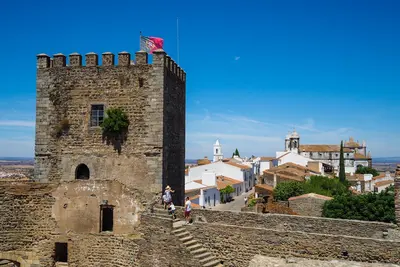
    Monsaraz is a picturesque medieval village in Alentejo, perched on a hilltop offering far-reaching views over the region. Its impressive castle and well-preserved town walls attest to its strategic importance over centuries, particularly during the Reconquista. Within the walls, narrow, cobblestone streets wind past whitewashed houses with slate details and small artisan shops. Visit the Igreja Matriz de Nossa Senhora da Lagoa, a church with Manueline and Baroque elements that defines the village centre. From the castle, enjoy a spectacular panoramic view of the Alqueva Reservoir, Europe's largest artificial lake, and the surrounding landscape. Plan your visit for late afternoon to witness the sunset over the lake, which provides breathtaking photo opportunities. Be sure to try the local wines and cheese, which reflect the culinary diversity of Alentejo.
    Vila Nova de Milfontes

    Vila Nova de Milfontes

    Vila Nova de Milfontes is a picturesque coastal town at the mouth of the Mira River, that will enchant you with its relaxed atmosphere and breathtaking nature. Here, where golden beaches meet dramatic cliffs and the deep blue of the Atlantic, you'll find the perfect mix of adventure and relaxation off the beaten path. Be captivated by the charming old town, the excellent fish restaurants, and the unspoiled beauty of the Alentejo Coast.