Fernweh: Home
    ExploreTravel GuidesPlan a tripMy tripLast visited
    de|en
    All Places & RegionsAll highlightsAbout FernwehFAQPrivacy PolicyImprint
    ExploreTravel GuidesPlan a tripMy tripLast visited
    • Overview
    • Places in the region
    • Culture
    • Getting around
    • Round trips
    • Nearby
    Norte (Northern Portugal)

    Portugal

    Norte (Northern Portugal)

    Region

    Northern Portugal stretches from the Atlantic coast to the mountains along the Spanish border.

    by Felix Gillen

    1. Home
    2. Destinations
    3. Portugal
    4. Norte (Northern Portugal)
    Northern Portugal stretches from the Atlantic coast to the mountains along the Spanish border. Porto is its hub, alongside the ancient episcopal and royal cities of Braga and Guimarães, the coastal city of Viana do Castelo, and Peneda-Gerês National Park. It is greener, rainier and more rural than the South.
    Porto is the natural starting point: it hosts the airport, a major rail hub, and most accommodations. Braga and Guimarães are an hour away by regional train, perfect for a day trip or an overnight stay. Viana do Castelo is located on the train line towards Galicia. To explore Peneda-Gerês National Park and the hinterland villages, you'll need a car. The Douro Valley adjoins to the east and has a dedicated page for wanderlust. Expect significantly more rain between October and April than in the south.
    Braga

    Place 1 of 4

    Braga

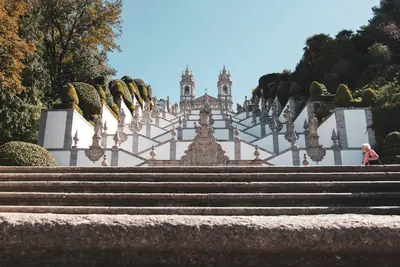
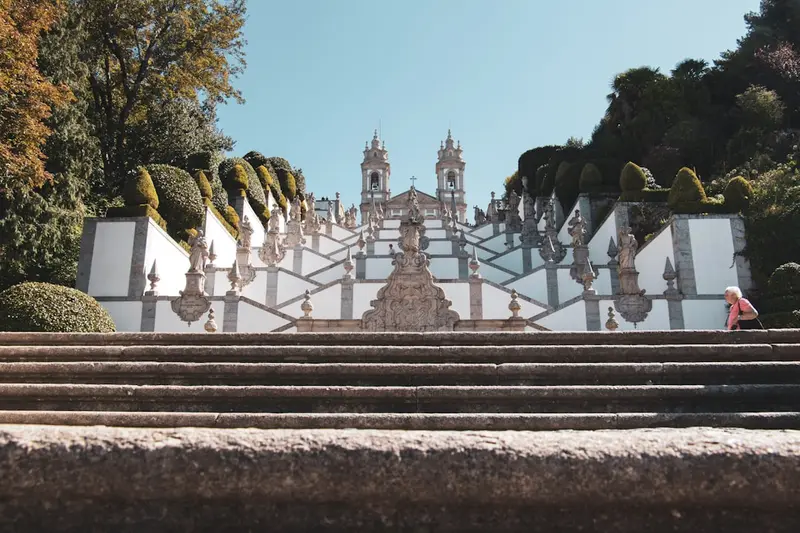
    Braga, one of Portugal's oldest, an archiepiscopal see since the Middle Ages. With the country's oldest cathedral and many churches and monasteries, Braga is dubbed "Portuguese Rome.

    Discover
    Guimarães

    Place 2 of 4

    Guimarães

    Guimarães is considered the birthplace of Portugal: Here, in the 12th century, Afonso Henriques began his journey to become the country's first king. Therefore, the inscription 'Aqui nasceu Portugal' stands on the old city wall.

    Discover
    Peneda-Gerês Nationalpark

    Place 3 of 4

    Peneda-Gerês Nationalpark

    The Parque Nacional da Peneda-Gerês was founded in 1971 and is Portugal's only national park. It is located in the far north on the border with Galicia and encompasses the Peneda, Soajo, Amarela, and Gerês mountain ranges.

    Discover
    Porto

    Place 4 of 4

    Porto

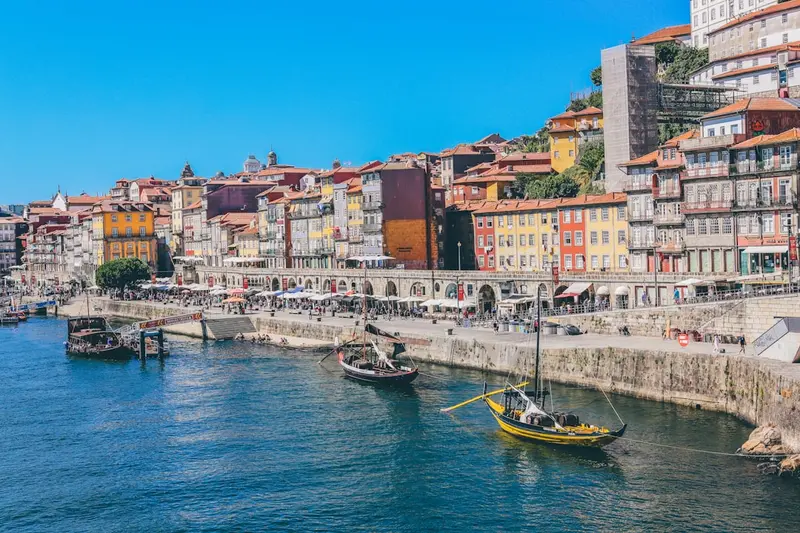
    Porto is Portugal's second-largest city, on the steep banks of the Douro shortly before its mouth. Porto's Old Town, its Ribeira district, the Ponte Dom Luís I, and Serra do Pilar Monastery are UNESCO World Heritage since 1996.

    Discover

    More places in Norte (Northern Portugal)

    Viana do Castelo

    Viana do Castelo

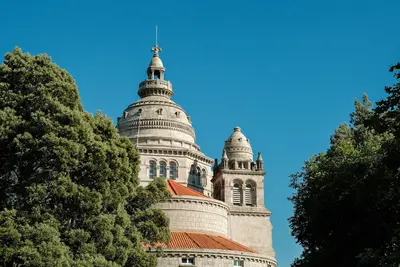
    Viana do Castelo lies at the mouth of the Lima into the Atlantic, some 70 kilometers north of Porto. The old town around Praça da República features Renaissance and Baroque facades, with the Santa Luzia Basilica perched above on the eponymous mountain. Viana is known for gold filigree jewelry, embroidered traditional costumes and the August Romaria d'Agonia festival. Cabedelo surf and kite beach lies opposite on the south bank.

    Culture, Art, and History of the Norte Region

    Portugal's Norte Region is a cradle of national identity, rich in historical heritage stretching back to Roman times and the founding of the Suebian Kingdom. The Reconquista played a decisive role, and the city of Guimarães is considered the birthplace of Portugal, where Afonso Henriques laid the groundwork for the independent kingdom in the 12th century.The region's architecture reflects this long history. Romanesque cathedrals like the Sé de Braga and medieval castles define the landscape. Later eras left behind Gothic churches and magnificent Baroque buildings, particularly in Porto, where structures like the Torre dos Clérigos and the Palácio da Bolsa bear witness to past commercial power. The typical Azulejos, colorful tiles, adorn many facades and interiors.Culturally, the region is characterized by deep roots in tradition. These include religious festivals (Romarias), often associated with music, dance, and regional gastronomy. The cuisine is hearty and locally influenced, known for dishes like Bacalhau à Gomes de Sá or the Francesinha in Porto, accompanied by the unique Vinho Verde. Handicrafts, especially the production of textiles and ceramics, are also an important part of the local culture.

    Exploring the North

    Porto, Braga, Guimarães, and Viana do Castelo are connected by regional train from São Bento or Campanhã stations. In Porto itself, you can get around easily by metro, bus, and on foot. For Peneda-Gerês, the Minho hinterland, and Trás-os-Montes, a rental car is necessary. Some highways in the north are toll-free since 2025, while others, like the A3 between Porto and Braga, remain tolled.ExcursionsGuimarães: medieval old town, UNESCO World Heritage site.Braga: Cathedral and Bom Jesus do Monte Sanctuary.Douro Valley: wine terraces, by train from Porto to Pinhão.Peneda-Gerês: hikes, waterfalls, and granite villages.
    Round trips through this region

    Porto & Douro Valley

    Porto & Douro Valley

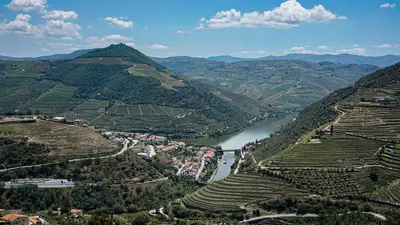
    From Porto upstream into the Douro Valley: via Lamego with its pilgrimage staircase to Peso da Régua and Pinhão, amidst the UNESCO World Heritage wine terraces. Short stages allow time for wineries, viewpoints, and a boat trip on the Douro. With ten overnight stays, about one and a half weeks.

    11 Days
    4 stops
    Portugal by motorhome: North to South

    Portugal by motorhome: North to South

    Campervan route from the North to the Algarve: Porto, the lagoon city Aveiro, Nazaré, Lisbon, the rice fields and beaches around Comporta, the Alentejo coast near Vila Nova de Milfontes and Lagos. Moderate daily stages; strict rules apply to wild camping along the coast, so plan for designated pitches. With 18 overnight stays, just under three weeks.

    19 Days
    7 stops

    Nearby

    Porto

    Porto

    Porto is Portugal's second-largest city, on the steep banks of the Douro shortly before its mouth. Porto's Old Town, its Ribeira district, the Ponte Dom Luís I, and Serra do Pilar Monastery are UNESCO World Heritage since 1996. Opposite in Vila Nova de Gaia, Port wine houses store their wine. Plan time for the hills: Many paths lead steeply uphill.
    Guimarães

    Guimarães

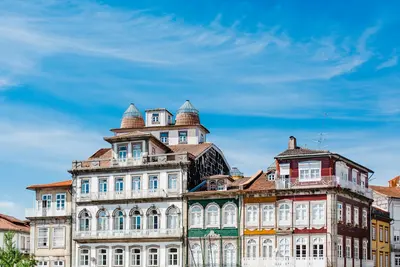
    Guimarães is considered the birthplace of Portugal: Here, in the 12th century, Afonso Henriques began his journey to become the country's first king. Therefore, the inscription 'Aqui nasceu Portugal' stands on the old city wall. Its well-preserved old town, with granite houses, wooden balconies, and small squares, has been a UNESCO World Heritage site since 2001. Above it lie the castle and the Ducal Palace.
    Braga

    Braga

    Braga, one of Portugal's oldest, an archiepiscopal see since the Middle Ages. With the country's oldest cathedral and many churches and monasteries, Braga is dubbed "Portuguese Rome." Most famous: the Bom Jesus do Monte pilgrimage sanctuary, east of the city, a UNESCO World Heritage site since 2019. At the same time, Braga is a university city, full of young people and a vibrant center.
    Aveiro

    Aveiro

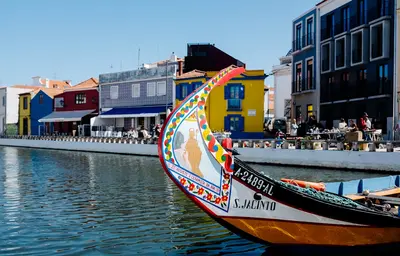
    Aveiro lies on the Ria de Aveiro, a widely branching lagoon on the Atlantic coast between Porto and Coimbra. Canals run through the centre, with brightly painted Moliceiro boats on them, and many Art Nouveau facades line the banks. The sweet Ovos Moles comes from here, and salt is still harvested on the edge of town. The beaches of Costa Nova and Barra are 20 minutes away.
    Viana do Castelo

    Viana do Castelo

    Viana do Castelo lies at the mouth of the Lima into the Atlantic, some 70 kilometers north of Porto. The old town around Praça da República features Renaissance and Baroque facades, with the Santa Luzia Basilica perched above on the eponymous mountain. Viana is known for gold filigree jewelry, embroidered traditional costumes and the August Romaria d'Agonia festival. Cabedelo surf and kite beach lies opposite on the south bank.

    Sources & method

    • Photos: Unsplash. Each photo carries its credit.
    • The content is based on web research from public, traceable sources. How the content is made · The role of AI