Fernweh: Home
    ExploreTravel GuidesPlan a tripMy tripLast visited
    de|en
    All Places & RegionsAll highlightsAbout FernwehFAQPrivacy PolicyImprint
    ExploreTravel GuidesPlan a tripMy tripLast visited
    Peneda-Gerês Nationalpark

    Portugal

    Peneda-Gerês Nationalpark

    National Park

    The Parque Nacional da Peneda-Gerês was founded in 1971 and is Portugal's only national park. It is located in the far north on the border with Galicia and encompasses the Peneda, Soajo, Amarela, and Gerês mountain ranges.

    by Felix Gillen

    1. Home
    2. Destinations
    3. Portugal
    4. Norte (Northern Portugal)
    5. Peneda-Gerês Nationalpark
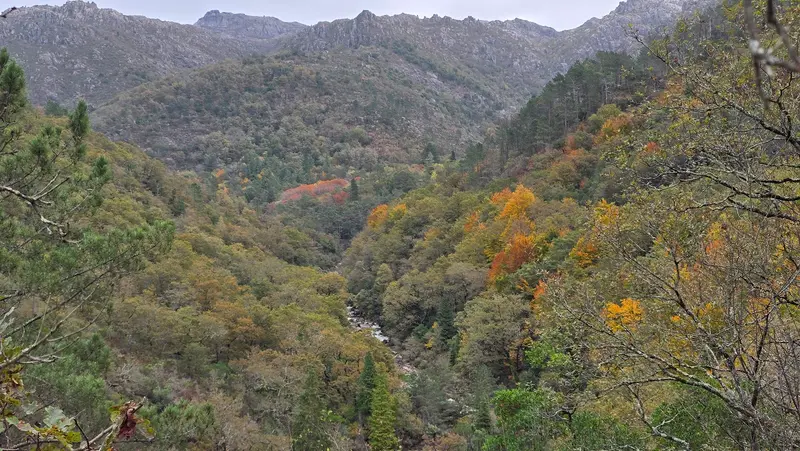
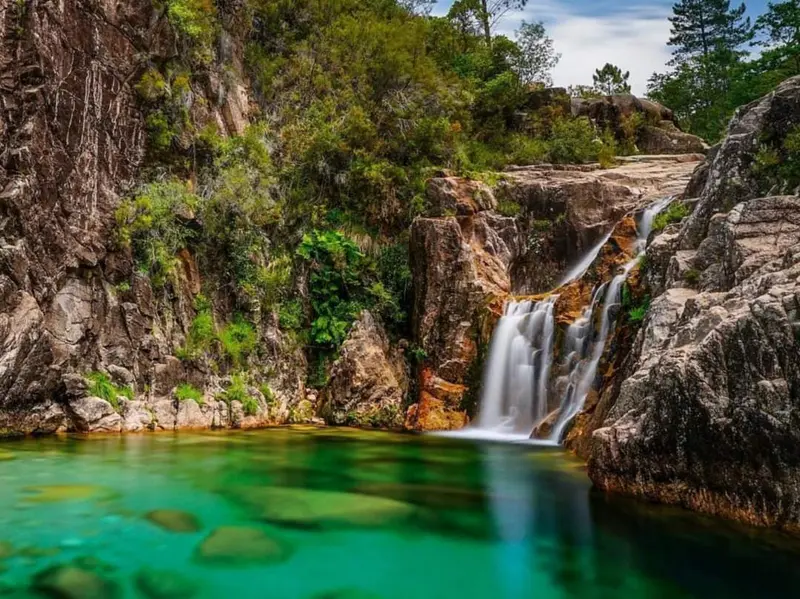
    The Parque Nacional da Peneda-Gerês was founded in 1971 and is Portugal's only national park. It is located in the far north on the border with Galicia and encompasses the Peneda, Soajo, Amarela, and Gerês mountain ranges. You'll find granite mountains, oak forests, reservoirs, waterfalls, and mountain villages with stone granaries. The park is home to wolves, semi-wild Garrano horses, and longhorn cattle.

    Points of Interest

    Discover the most important sights and attractions

    Cascata da Portela do Homem

    1Cascata da Portela do Homem

    Waterfall directly by the road just before the Spanish border at Portela do Homem. Below it is a clear pool, often busy in summer.
    Open in Google Maps
    Cascata do Arado
    Attraction

    2Cascata do Arado

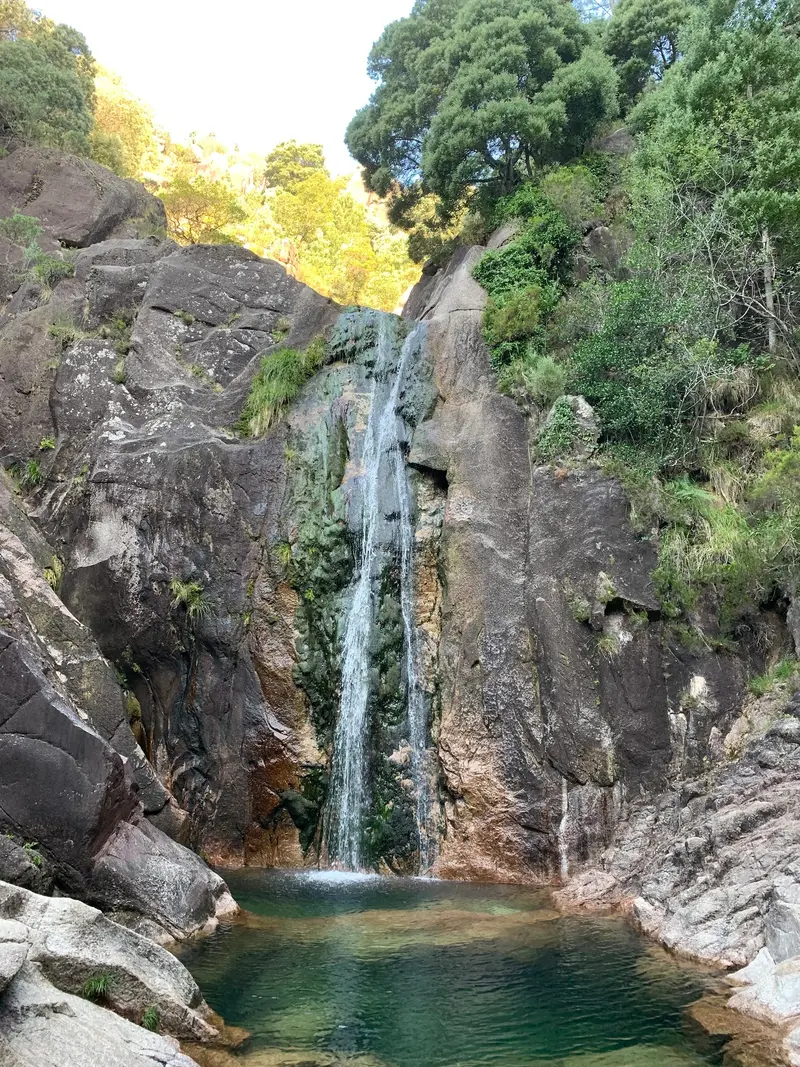
    Tiered waterfall over granite slabs in the Serra do Gerês. From the roadside viewpoint, you see it from above. Small pools below invite a summer dip.
    Open in Google Maps
    Espigueiros do Soajo
    Historic Landmark

    3Espigueiros do Soajo

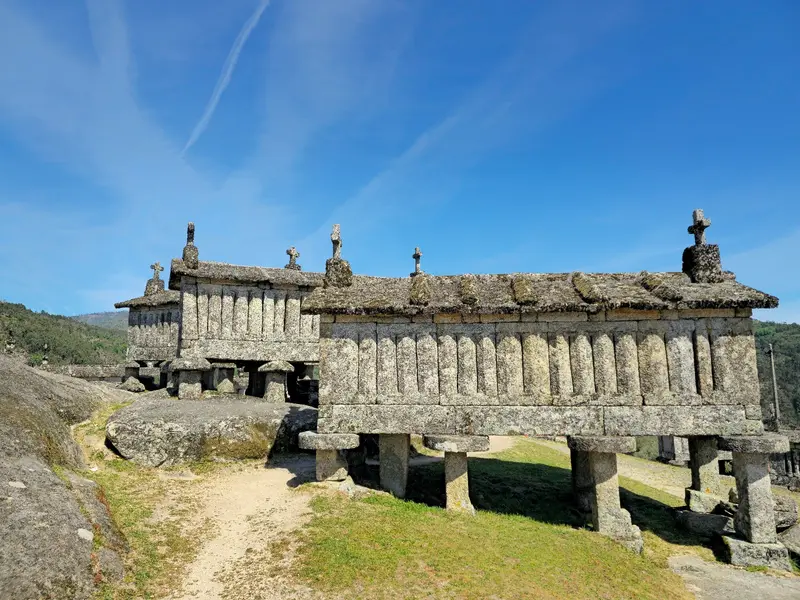
    A group of stone granaries on a granite rock at the edge of the mountain village of Soajo. The Espigueiros stand on stilts to keep maize dry and safe from mice, and feature small crosses on their roofs.
    Open in Google Maps
    Miradouro da Pedra Bela
    Attraction

    4Miradouro da Pedra Bela

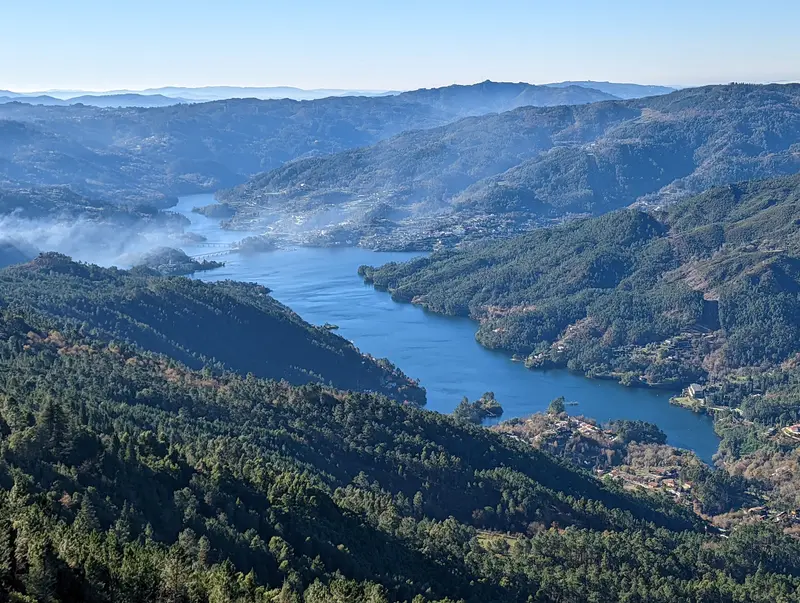
    Viewpoint above Gerês village, overlooking the valley and Caniçada reservoir. Reachable by car via a forest road.
    Open in Google Maps
    Mata da Albergaria
    National Park

    5Mata da Albergaria

    Ancient oak forest at the heart of the National Park, following a Roman road with intact milestones. Car passage is regulated; no stopping is permitted along the route. The forest is best enjoyed on foot.
    Open in Google Maps
    Sanctuary of Our Lady of Peneda
    Place of Worship

    6Sanctuary of Our Lady of Peneda

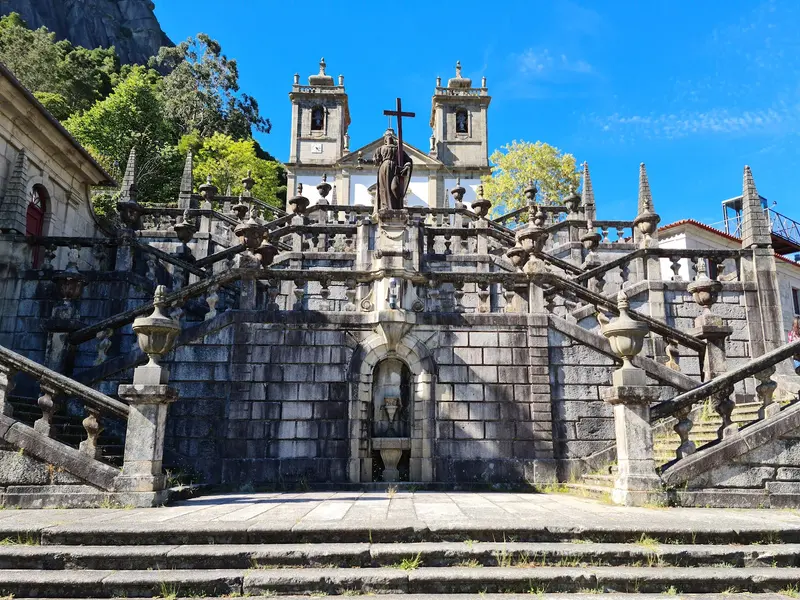
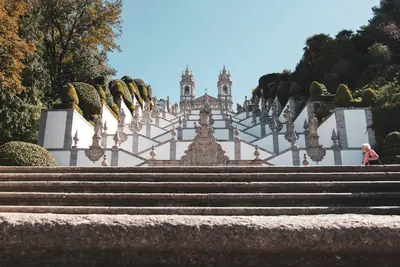
    Pilgrimage church in the park's north, tucked under a mighty granite wall. A chapel-lined stairway ascends to the church. Remote and tranquil, the drive along mountain roads is part of the experience.
    Open in Google Maps

    Dining & Drinks

    Getting There & Around

    From Braga, you can reach Gerês by car in just over an hour. There are buses from Braga to Gerês, but within the park, you'll be severely restricted without a car. The mountain roads are narrow; allow more time for journeys than the mileage suggests. Some sections, such as through the Mata da Albergaria, are regulated for traffic.Worthwhile DestinationsSoajo and Lindoso: Granite villages with espigueiros; Lindoso also features a border castle.Pitões das Júnias: remote mountain village with a monastery ruin and a waterfall.Vilarinho da Furna: A village submerged in the reservoir in 1972; its walls reappear when water levels are low.

    Accommodations in Peneda-Gerês Nationalpark

    Find perfect stay in Peneda-Gerês Nationalpark

    Booking.com* (Affiliate link)
    Search Hotels
    Agoda* (Affiliate link)
    Search Hotels
    Airbnb
    Vacation Rentals

    * Affiliate link: if you book through it, we earn a small commission. The price stays the same for you.

    Campgrounds in Peneda-Gerês Nationalpark

    Find perfect campground in Peneda-Gerês Nationalpark
    Search via Google Maps
    Campgrounds nearby (15km)
    Camping.info
    Find Campgrounds
    Park4Night
    RV Parks & Camping

    Nearby

    Braga

    Braga

    Braga, one of Portugal's oldest, an archiepiscopal see since the Middle Ages. With the country's oldest cathedral and many churches and monasteries, Braga is dubbed "Portuguese Rome." Most famous: the Bom Jesus do Monte pilgrimage sanctuary, east of the city, a UNESCO World Heritage site since 2019. At the same time, Braga is a university city, full of young people and a vibrant center.
    Guimarães

    Guimarães

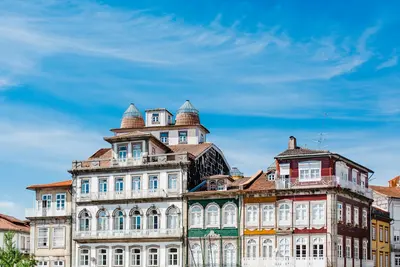
    Guimarães is considered the birthplace of Portugal: Here, in the 12th century, Afonso Henriques began his journey to become the country's first king. Therefore, the inscription 'Aqui nasceu Portugal' stands on the old city wall. Its well-preserved old town, with granite houses, wooden balconies, and small squares, has been a UNESCO World Heritage site since 2001. Above it lie the castle and the Ducal Palace.
    Viana do Castelo

    Viana do Castelo

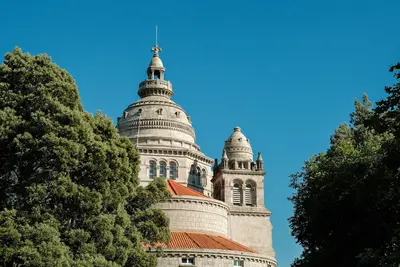
    Viana do Castelo lies at the mouth of the Lima into the Atlantic, some 70 kilometers north of Porto. The old town around Praça da República features Renaissance and Baroque facades, with the Santa Luzia Basilica perched above on the eponymous mountain. Viana is known for gold filigree jewelry, embroidered traditional costumes and the August Romaria d'Agonia festival. Cabedelo surf and kite beach lies opposite on the south bank.
    Vigo

    Vigo

    Vigo is Galicia's largest city and one of Europe's most important fishing ports. The city combines a small old town with modern districts and is a departure point for trips to the Cíes Islands.
    Peso da Régua

    Peso da Régua

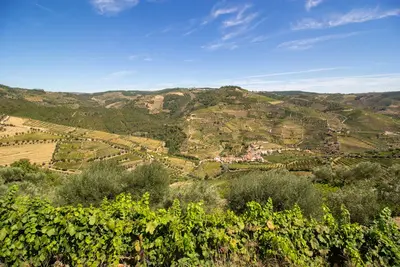
    Peso da Régua is the largest city on the middle Douro and the gateway to the wine region. Since the 18th century, it has been a center of the Port wine trade; today, the Museu do Douro explains the history and landscape of the valley. The city itself is rather functional, but very practical as a starting point for boat trips, Quintas, and viewpoints.

    Sources & method

    • Photos: Unsplash, Google Maps. Each photo carries its credit.
    • Place data such as addresses and ratings comes from Google Maps.
    • The content is based on web research from public, traceable sources. How the content is made · The role of AI