Fernweh
    ExploreTravel GuidesMy Trips
    de|en
    About FernwehImprintFAQPrivacy Policy
    ExploreTravel GuidesMy Trips
    Dalarna

    Dalarna

    RegionCulture
    1. Home
    2. Destinations
    3. Sweden
    4. Dalarna
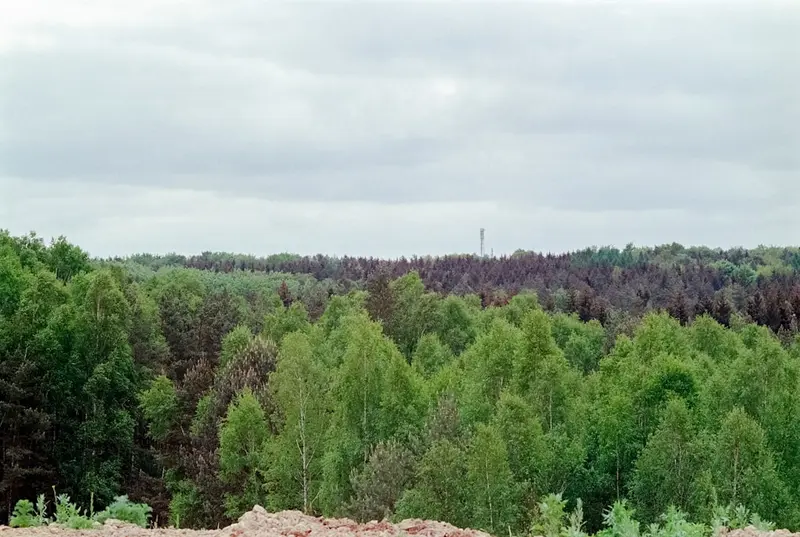
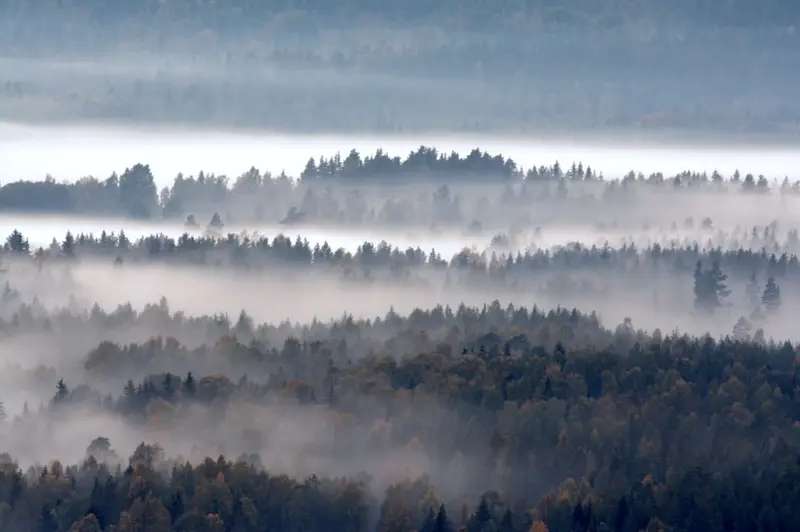
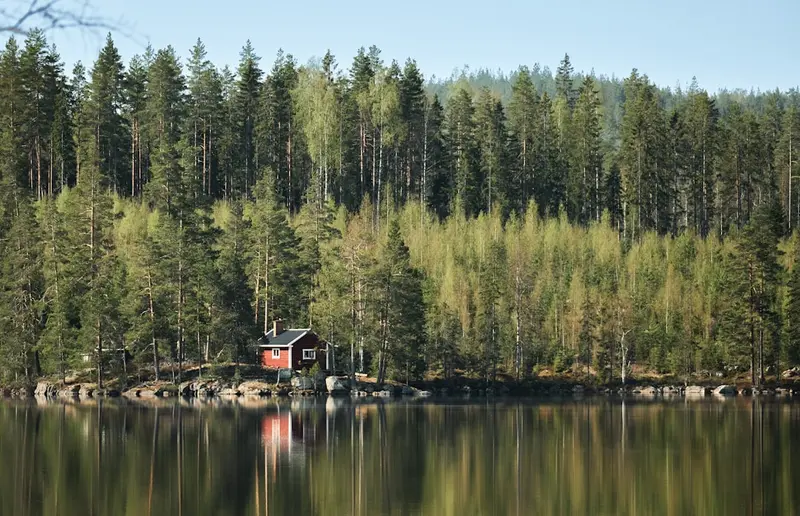
    Dalarna, located in the heart of Sweden, is a region of unparalleled natural beauty and deeply rooted cultural tradition. It is famous for its red wooden houses, the iconic Dala horses, and the majestic landscape of lakes, forests, and mountains, inviting countless outdoor activities. Visitors here immerse themselves in an authentic Sweden that keeps history and folk art alive.
    • Overview
    • Places in the region
    • Eat & drink
    • Culture
    • Nearby
    • Overview
    • Places in the region
    • Eat & drink
    • Culture
    • Nearby
    Dalarna, located in the heart of Sweden, embodies authentic Swedish culture and unspoiled nature. The region is renowned for its red wooden houses, the iconic Dala horses from Nusnäs, and traditional Midsummer celebrations. Around **Lake Siljan** you'll find picturesque towns like Mora, Rättvik, and Leksand, considered centers of folk culture and starting points for hikes. The Falun Copper Mine, a UNESCO World Heritage site, offers deep insights into Sweden's industrial history and the origin of its famous red color. Dalarna is also home to the **Vasaloppet**, one of the oldest and longest cross-country ski races in the world. To experience its rich folk art and handicrafts, visit the workshops in Nusnäs or local markets. The summer months are ideal for outdoor activities, while in winter, cross-country ski trails dominate the landscape.

    Places in Dalarna

    Falun

    Falun

    The historic mining town Falun is famous for the 'Great Copper Mine', a UNESCO World Heritage site, offering a deep dive into Swedish industrial history and a fascinating cultural heritage.
    Mora

    Mora

    Mora, idyllically situated on Lake Siljan in Dalarna, is a hub of Swedish tradition and craftsmanship. The city is primarily known as the starting point of the legendary Vasaloppet, a cross-country ski race that annually attracts thousands of participants and spectators and is deeply rooted in Swedish history. Here you'll also find the origins of the famous Dala Horse, whose creation can be experienced firsthand in local workshops. Another highlight is the Zorn Museum, dedicated to the life and work of internationally renowned artist Anders Zorn, whose former home, Zornsgården, can also be visited. The region around Lake Siljan also offers numerous opportunities for outdoor activities like hiking and cycling. For an authentic experience, a visit is recommended in winter during the Vasaloppet or in summer to enjoy the lake landscape.
    Rättvik

    Rättvik

    Rättvik on Lake Siljan in the Dalarna region offers an authentic Swedish experience, combining a connection to nature with deeply rooted traditions. Here you'll find the impressive Långbryggan, a 628-meter-long pier that stretches picturesquely into the lake and invites you for extended strolls. The medieval Rättviks kyrka, known for its traditional church boats, is a historical testament and a central point of the town. Another cultural highlight is Dalhalla, an open-air theatre in a former limestone quarry, valued for its exceptional acoustics and diverse program. To experience the region in its full glory, a summer visit is recommended, when cultural festivals take place and boat trips on Lake Siljan are possible. For a deeper immersion into the local culture, you should use the numerous hiking and cycling paths, which lead you through the characteristic landscape with its red Dalarna houses.

    Sights in Dalarna

    Discover the most important sights and attractions

    Faluguide

    The Falu Mine, a UNESCO World Heritage Site in Dalarna, is a testament to Swedish industrial history. For over a thousand years, it was one of the world's most significant copper mines and played a crucial role in Sweden's rise to superpower status. During your visit, you can descend deep into the historic tunnels and experience the working conditions of the miners firsthand. The impressive “Stora Stöten,” a giant collapse crater, dominates the surface and speaks of the intense mining activity. In the museum, you will learn more about the geology, technology, and lives of the people who worked here. It is a fascinating journey into the past that reveals the significance of mining for the region and the country. Practical Tip: Wear comfortable, sturdy shoes and warm clothing, as underground temperatures are consistently cool. To avoid the largest crowds, a visit during the off-season or early in the morning is recommended.
    Open in Google Maps

    Falu Gruva

    The Falu Gruva in Dalarna is an impressive UNESCO World Heritage site, bearing witness to over a thousand years of mining history. Here you can visit one of the world's oldest and once most productive copper mines, operational from the 9th or 10th century until 1992. The mine played a crucial role in Sweden's economy and its position as a major power in the 17th century. Its most striking feature is the Stora Stöten, the Great Pit, which was formed after a collapse in 1687 and now constitutes a dramatic open-air museum. During a guided tour, you can descend deep into the mine shafts and experience the miners' working conditions firsthand. On the surface, historical buildings and a museum await you, detailing the history of mining. Our Tip: Book your guided tour in advance, especially during high season, and dress warmly, as underground temperatures are consistently low. For impressive photos of the Stora Stöten, designated viewing platforms are available.
    Open in Google Maps

    Kristine Church, Falun

    The Kristine Church in Falun, named after Queen Christina, is a striking example of Baroque architecture in Sweden and closely linked to the history of the Falu Copper Mine. Built between 1655 and 1665, it reflects the prosperity the mine brought to the city. Here you will find an impressive church, whose red timber and copper roof blend harmoniously into the cityscape. Inside, you will find a magnificent altar, an ornate pulpit, and a historic organ, testifying to the craftsmanship of that era. The church is not only a place of worship but also an important cultural heritage that illustrates Falun's development as a mining town. Our Tip: Combine your visit to the church with a stroll through the old town and a detour to the nearby Falu Copper Mine to experience the entire UNESCO World Heritage ensemble. For a peaceful experience, a morning visit is recommended.
    Open in Google Maps

    Dalarna museum

    The Dalarna Museum in Falun is the central cultural history museum of the region, offering a deep insight into Dalarna's rich history and vibrant traditions. Here you'll discover unique folk art, from the famous Dalahästen to the elaborate traditional costumes still worn at festivals today. The exhibitions highlight the region's development from prehistoric times to the present, with a special focus on crafts, agriculture, and social life. You'll also find an impressive collection of regional art and design here. Our Tip: Plan your visit in the morning to enjoy the tranquility and examine the exhibit details thoroughly. Pay special attention to the changing special exhibitions, which often delve deeper into specific aspects of Dalarna culture. For an authentic souvenir, the museum shop offers handcrafted local products.
    Open in Google Maps

    Sanders gammelskog

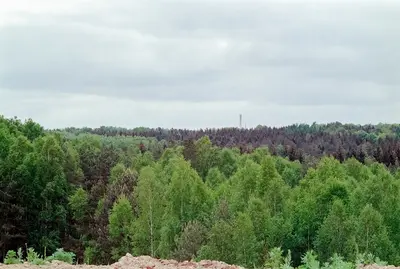
    The Sanders gammelskog in Dalarna represents a rare piece of untouched nature in Sweden. This ancient forest is a valuable ecosystem that has remained largely undisturbed for centuries, thus offering an insight into the region's original landscape. Here you will find majestic, some truly ancient trees, which harbor a rich biodiversity. It is an ideal place to experience the silence of nature and observe the diverse flora and fauna. The winding paths lead you through a landscape that has barely changed for generations. Our Tip: Visit the forest in early summer, when the vegetation is in full bloom and the birdlife is particularly active. Be sure to wear sturdy footwear, as the paths can be natural. For an undisturbed experience, it is advisable to explore the forest during the week.
    Open in Google Maps

    Essen & Trinken

    Dalarnas cultural heritage and historical roots

    The province of Dalarna in Central Sweden is deeply rooted in its history and traditions, which significantly shape the region's cultural landscape. Historically, Dalarna played a central role in Swedish national consciousness, particularly during the War of Liberation under Gustav Vasa in the early 16th century, where he found support. The Falun Copper Mine, a UNESCO World Heritage site, also attests to the importance of mining over many centuries, which lastingly shaped the social and economic fabric of the region.Characteristic of Dalarna are its vibrant local traditions, reflected in festivals, music, and handicrafts. The region is renowned for its colorful folk costumes and traditional Midsummer celebrations, where maypoles are erected and dances performed. The Dala Horse (Dalahäst), a hand-carved and painted wooden horse, is a world-famous symbol of Swedish folk art and originates from Dalarna.The architecture is characterized by typical red wooden houses, often painted with traditional Falu Rödfärg, which blend harmoniously into the landscape. Dalarna was also home and inspiration for significant Swedish artists. For instance, the painter Anders Zorn, whose work is exhibited at the Zornmuseet in Mora, and the artist Carl Larsson, whose home in Sundborn is now a museum offering insights into his life and art, lived and worked here. This artistic presence has lastingly co-shaped Dalarna's cultural identity.
    Locations nearby

    These places are nearby — perfect for additional days or a day trip.

    Falun

    Falun

    The historic mining town Falun is famous for the 'Great Copper Mine', a UNESCO World Heritage site, offering a deep dive into Swedish industrial history and a fascinating cultural heritage.
    Rättvik

    Rättvik

    Rättvik on Lake Siljan in the Dalarna region offers an authentic Swedish experience, combining a connection to nature with deeply rooted traditions. Here you'll find the impressive Långbryggan, a 628-meter-long pier that stretches picturesquely into the lake and invites you for extended strolls. The medieval Rättviks kyrka, known for its traditional church boats, is a historical testament and a central point of the town. Another cultural highlight is Dalhalla, an open-air theatre in a former limestone quarry, valued for its exceptional acoustics and diverse program. To experience the region in its full glory, a summer visit is recommended, when cultural festivals take place and boat trips on Lake Siljan are possible. For a deeper immersion into the local culture, you should use the numerous hiking and cycling paths, which lead you through the characteristic landscape with its red Dalarna houses.
    Mora

    Mora

    Mora, idyllically situated on Lake Siljan in Dalarna, is a hub of Swedish tradition and craftsmanship. The city is primarily known as the starting point of the legendary Vasaloppet, a cross-country ski race that annually attracts thousands of participants and spectators and is deeply rooted in Swedish history. Here you'll also find the origins of the famous Dala Horse, whose creation can be experienced firsthand in local workshops. Another highlight is the Zorn Museum, dedicated to the life and work of internationally renowned artist Anders Zorn, whose former home, Zornsgården, can also be visited. The region around Lake Siljan also offers numerous opportunities for outdoor activities like hiking and cycling. For an authentic experience, a visit is recommended in winter during the Vasaloppet or in summer to enjoy the lake landscape.
    Vasastan

    Vasastan

    A charming residential neighborhood, valued for its impressive Art Nouveau architecture, green parks, and vibrant cafés.
    Norrmalm

    Norrmalm

    Stockholm's modern city center is a hotspot for shopping, dining, and culture, featuring prominent squares like Sergels Torg.