The historic mining town Falun is famous for the 'Great Copper Mine', a UNESCO World Heritage site, offering a deep dive into Swedish industrial history and a fascinating cultural heritage.
Die historische Bergbaustadt Falun in der mittelschwedischen Provinz Dalarna ist primär für die Falu Gruva, die Große Kupfergrube, bekannt. Dieses beeindruckende UNESCO-Welterbe zeugt von einer über tausendjährigen Geschichte des Kupferabbaus, der Schwedens Wirtschaft über Jahrhunderte prägte. Du kannst die ehemaligen Untertagestollen erkunden und das Grubenmuseum besuchen, um tiefe Einblicke in die Arbeitswelt und das Leben der Bergleute zu erhalten. Das Stadtbild Faluns wird von charmanten roten Holzhäusern geprägt, besonders in den historischen Arbeitervierteln wie Östanfors und Elsborg, die du zu Fuß entdecken solltest. Ein Besuch des nahegelegenen Carl Larsson-Hauses in Sundborn bietet zudem einen kulturellen Höhepunkt. Um die Grube in Ruhe zu besichtigen, plane mindestens einen halben Tag ein; die Sommermonate von Juni bis August sind ideal für Außenaktivitäten und die Seenregion um Falun.
Places in Falun
Discover the most important sights and attractions
Sights in Falun
Faluguide
The Faluguide introduces you to the fascinating history of Falu Gruva, Falun's historic copper mine, which has been a UNESCO World Heritage site since 2001. For centuries, this mine was one of the world's most significant copper producers, profoundly shaping Sweden's economy and technology. During a visit, you can descend into the depths of the earth and explore the extensive tunnels and impressive chambers, bearing witness to the miners' hard work. The guided tours offer detailed insights into mining history and the development of techniques. On the surface, the Mine Museum awaits you, comprehensively presenting the history of the mine and the region. A highlight is the 'Great Pit Collapse' (Stora Stöten), a massive collapse crater that occurred in 1687 and is now an impressive landmark. Our tip: It is advisable to book tours in advance, especially during peak season, as participant numbers are limited. For the underground visit, sturdy shoes and warm clothing are recommended, as temperatures are consistently cool.
The Falu Gruva, Falun's historic copper mine, is an outstanding _UNESCO World Heritage site_ and a living testament to over a thousand years of mining history, which significantly shaped Sweden's economy and development. From the 9th century until 1992, it was one of the world's most important copper mines, supplying over two-thirds of Europe's copper demand. During your visit, you'll delve deep into this past: You can join guided tours that lead you through the cool, damp underground tunnels and shafts, offering an authentic glimpse into the miners' arduous work.Above ground, the _Falu Gruva Museum_ awaits, detailing the history of mining, the tools used, and the living conditions of the workers. A particularly impressive feature is the Stora Stöten, the Great Pit, a massive collapse crater formed over centuries of excavation, which impressively illustrates the sheer scale of the former mine._Practical Tip:_ Since underground temperatures are consistently around 5 degrees Celsius, you should wear warm clothing and sturdy shoes, even in summer. For the best photos of the Stora Stöten and to avoid the largest crowds, an early morning visit is recommended.
The Kristine Church in Falun is a defining landmark in the heart of the city, inextricably linked to the heyday of copper mining. Built between 1655 and 1665, it served the rapidly growing mining community and testifies to the wealth Falun accumulated during this era. Its name honors Queen Christina of Sweden. You'll notice that the church is designed in the Baroque style, reflected in its imposing architecture and richly detailed interior. Inside, you'll find an artfully carved pulpit and a magnificent altar, both dating from the construction period and showcasing the craftsmanship of that era. The atmosphere is historically significant, offering deep insights into Falun's cultural heritage. Our tip: Visit the church in the morning for the best light for facade photos and to enjoy the tranquility before noon. Pay attention to the opening hours, which are often limited outside of services.
The Dalarna Museum in Falun serves as the region's central cultural history museum, dedicated to Dalarna's rich history and diverse traditions. Here you'll find an impressive collection, ranging from traditional folk art and regional costumes to the history of mining in Falun. Highlights include the exhibitions on the world-famous Dala horses and detailed portrayals of daily life from past centuries. The museum offers a deep insight into the cultural identity of this unique Swedish landscape. Our Tip: Plan your visit for a weekday morning to explore the exhibits at your leisure. Ideally, combine it with a visit to the nearby Falu Gruva to complete the historical picture.
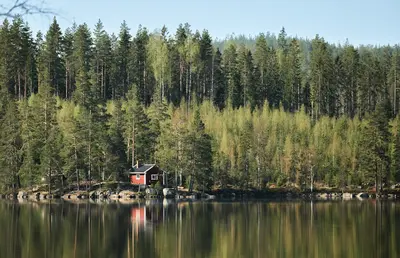
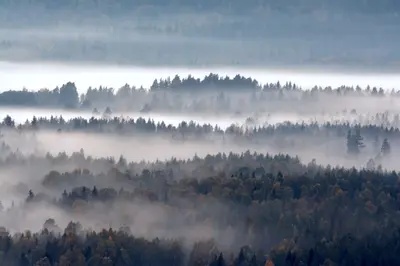
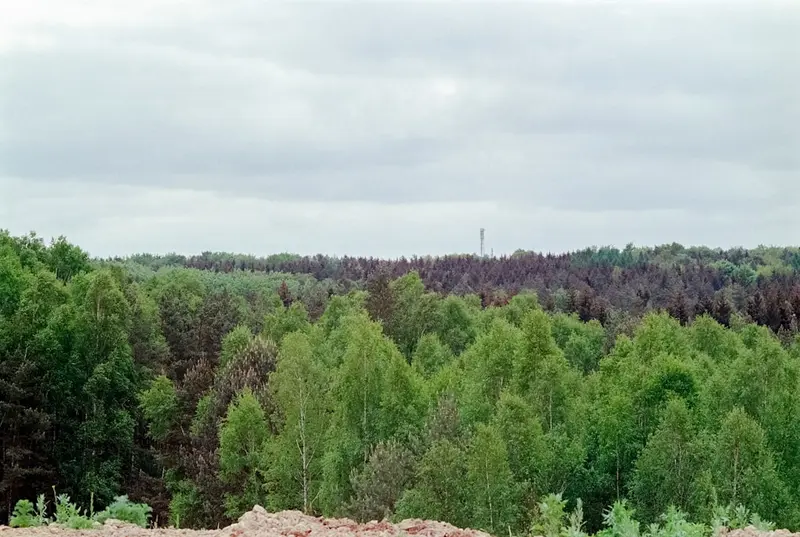
The Sanders gammelskog near Falun is an outstanding example of a pristine old-growth forest in the Swedish region of Dalarna. This type of ancient forest has become rare in Scandinavia and plays a crucial ecological role as a habitat for specialized plant and animal species that rely on old trees and deadwood. Here, you enter a landscape that has remained largely undisturbed for centuries, offering an authentic glimpse into the original Nordic forests. While exploring, you will encounter majestic pines and spruces, often several hundred years old. The forest floor is covered with mosses and lichens, and fallen trees bear witness to the natural cycle. Well-marked paths lead you through these quiet and venerable surroundings, where you can soak in the peace and special atmosphere of the ancient forest. Our Tip: It's best to visit the forest in spring or autumn to experience its vibrant colors. For maximum tranquility and wildlife observation, an early morning visit is recommended. Be sure to wear sturdy footwear, as the paths can be natural and unpaved.
Curated walking tours through the city's highlights — handpicked by experienced travel journalists.
Faluns Bergbau-Erbe: Eine Zeitreise durch die rote Stadt
Entdecken Sie auf diesem rund zweistündigen Spaziergang das Herz von Falun und sein UNESCO-Weltkulturerbe. Von historischen Plätzen bis zu den beeindruckenden Zeugnissen des Kupferbergbaus tauchen Sie ein in die reiche Geschichte und das einzigartige Flair der „roten Stadt“.
Falun, a city in the province of Dalarna, is inextricably linked to the history of its **UNESCO World Heritage site Falu Gruva**, the Copper Mine. For centuries, this mine was one of the most significant copper mines in the world and played a decisive role in Sweden's economy and its rise to a great power, especially in the 17th century.The city's cultural identity is directly attributable to mining. The distinctive red color, **Falu Rödfärg**, which adorns many traditional Swedish houses, originates from the mine's waste products. This pigmentation significantly influenced architecture not only in Falun itself but throughout the entire country, creating an iconic aesthetic.Historic buildings like the impressive **Kristine kyrka** in the city center bear witness to Falun's wealth and importance during its heyday. The traditions of the miners and their way of life have deeply shaped the social fabric and local identity, with the mine remaining a living monument to this era and making Sweden's history tangible to this day.
Exploring Locally
Despite its modest size, Falun offers an excellent transportation infrastructure. While there's no subway or tram network, the urban and regional bus system run by Dalatrafik comprehensively covers the city and its surroundings.Tickets can be conveniently purchased via the Dalatrafik app or cashless on board; multi-journey tickets are recommended for longer stays. For shorter distances and to explore the picturesque surroundings, bicycles are an excellent option, often available from local rental shops, while e-scooters are gaining importance as a flexible alternative. Taxis are readily available and offer comfort, with traditional providers being the most common choice in Falun as ride-sharing services are less widespread. Falun's charming city center is also very pedestrian-friendly, making many attractions easily accessible on foot. Plan your routes best with the Dalatrafik app for bus journeys or use digital maps for walking and cycling paths to best experience Falun and its surroundings.
These places are nearby — perfect for additional days or a day trip.
Dalarna
Dalarna, located in the heart of Sweden, is a region of unparalleled natural beauty and deeply rooted cultural tradition. It is famous for its red wooden houses, the iconic Dala horses, and the majestic landscape of lakes, forests, and mountains, inviting countless outdoor activities. Visitors here immerse themselves in an authentic Sweden that keeps history and folk art alive.
Rättvik
Rättvik on Lake Siljan in the Dalarna region offers an authentic Swedish experience, combining a connection to nature with deeply rooted traditions. Here you'll find the impressive Långbryggan, a 628-meter-long pier that stretches picturesquely into the lake and invites you for extended strolls. The medieval Rättviks kyrka, known for its traditional church boats, is a historical testament and a central point of the town. Another cultural highlight is Dalhalla, an open-air theatre in a former limestone quarry, valued for its exceptional acoustics and diverse program. To experience the region in its full glory, a summer visit is recommended, when cultural festivals take place and boat trips on Lake Siljan are possible. For a deeper immersion into the local culture, you should use the numerous hiking and cycling paths, which lead you through the characteristic landscape with its red Dalarna houses.
Mora
Mora, idyllically situated on Lake Siljan in Dalarna, is a hub of Swedish tradition and craftsmanship. The city is primarily known as the starting point of the legendary Vasaloppet, a cross-country ski race that annually attracts thousands of participants and spectators and is deeply rooted in Swedish history. Here you'll also find the origins of the famous Dala Horse, whose creation can be experienced firsthand in local workshops. Another highlight is the Zorn Museum, dedicated to the life and work of internationally renowned artist Anders Zorn, whose former home, Zornsgården, can also be visited. The region around Lake Siljan also offers numerous opportunities for outdoor activities like hiking and cycling. For an authentic experience, a visit is recommended in winter during the Vasaloppet or in summer to enjoy the lake landscape.
Vasastan
A charming residential neighborhood, valued for its impressive Art Nouveau architecture, green parks, and vibrant cafés.
Norrmalm
Stockholm's modern city center is a hotspot for shopping, dining, and culture, featuring prominent squares like Sergels Torg.